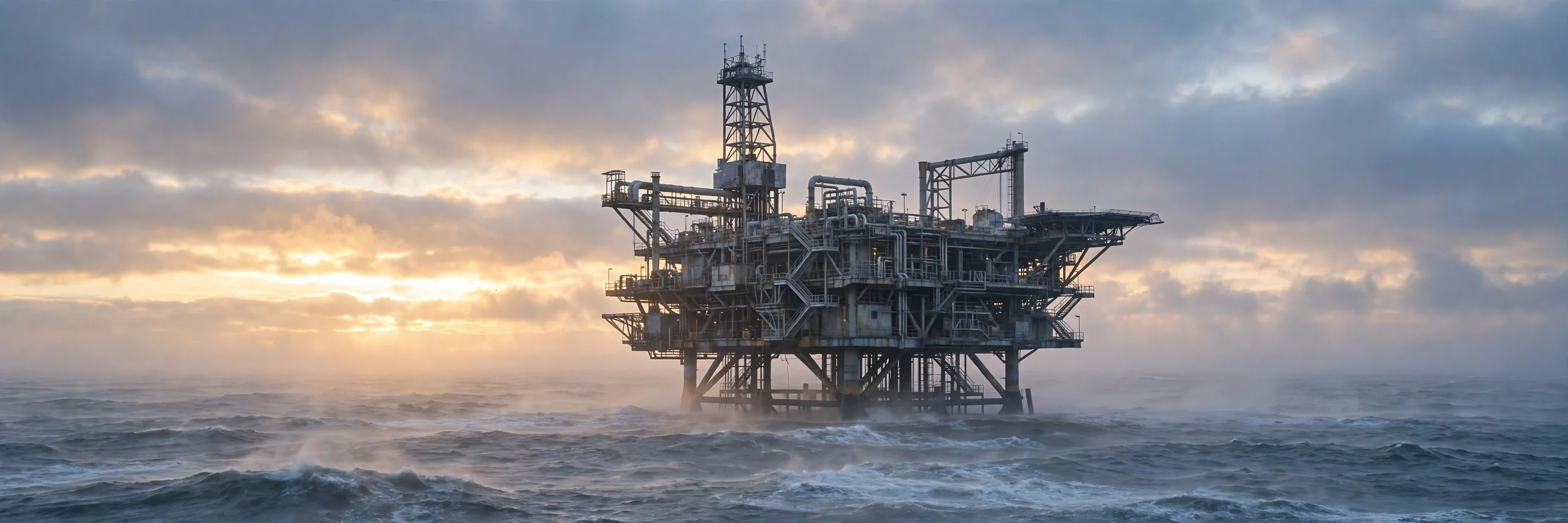
United Kingdom approves Jackdaw and launches an energy wealth fund
The Energy Secretary has agreed that the regulator can grant consent for gas production at the already licensed Jackdaw field, which will start supplying…
Jackdaw approval strengthens British supply and protects hundreds of jobs
The regulator can now grant consent for gas production at Jackdaw, an already licensed field that will supply homes and businesses from the end of this month…
--- The context ---
Recent events in the Middle East have triggered global energy shocks and pushed up bills for families across the country. At a time of global instability, the government presents homegrown energy as a source of national strength and as a way to reduce British exposure to volatile international gas markets that have repeatedly fed through into household costs.
That argument sits alongside a climate commitment the government says remains intact. The heatwaves and extreme weather events experienced this year highlighted the importance of tackling the climate crisis, and the official path still runs towards renewable and nuclear energy and away from fossil fuels. Even so, the government accepts that the United Kingdom will still require oil and gas as part of its energy needs for decades to come on the path to net zero by 2050.
--- The facts ---
The Energy Secretary has agreed that the regulator can grant consent for gas to be produced at the Jackdaw field, which is already licensed. Jackdaw will start to supply gas to British homes and businesses from the end of this month. The decision is expected to increase domestic gas production by around 6% at its peak, support the United Kingdom gas supply over a lifespan of up to 11 years, protect hundreds of jobs and add an estimated £2.9 billion to the United Kingdom economy.
The Chancellor is also establishing a new Energy Wealth Fund, which will use tax revenues from North Sea oil and gas to invest in renewable and low carbon energy projects. It will start with an initial £2 billion injection of funding, with future revenues from the North Sea flowing into the fund over time. The government says that investing in more renewable and low carbon power will substantially delink gas and electricity by the end of this Parliament, so gas sets the price of electricity less often and bills come down for good in the long term.
--- The positions ---
Energy Secretary Miatta Fahnbulleh said that, following careful consideration of all relevant factors, she had agreed that the regulator can grant consent, and she argued that Jackdaw would begin supplying the country with gas from this winter thanks to the highly skilled North Sea workers. She added that the decision would support energy security with homegrown gas, help minimise the use of imported higher emission fuels and remain compatible with legally binding climate commitments, while the government stays resolute on ending new licences and achieving net zero by 2050.
Prime Minister Andy Burnham said he welcomed a decision that would protect hundreds of jobs and help keep millions of homes warm this winter, and he defended a pragmatic approach that maximises existing British reserves responsibly. Chancellor John Healey said he wanted British energy wealth to spark a new wave of clean power and argued that the fund would invest in the clean energy industries of the future. Secretary of State for Scotland Douglas Alexander said the approval was a win for Aberdeen, a win for Scottish workers and a win for British energy security.
--- What remains unknown ---
The announcement comes ahead of the Budget, which will set out the plan to deliver good growth in every postcode, but the text does not say which projects will receive the first money from the fund or how much revenue will flow into it each year. It also leaves open which urgent cases the regulator will consider for similar measures before the new certificates legislation is in place, and what the refreshed North Sea Transition Deal will finally contain once discussions with industry leaders conclude.
--- Unanswered questions ---
How much gas will Jackdaw deliver in its first winter, and when will it reach the peak that lifts domestic production by 6%? Which renewable projects will be first in line for Energy Wealth Fund money, and on what timetable? Which urgent tieback cases will the regulator examine for fields near existing licences? When will a decision follow on the Brent decommissioning programme, under review since 2017?
--- EPM analysis ---
The decision rests on two pillars the government presents as compatible: using a field that is already licensed, and channelling North Sea income into building the system meant to replace it. The fund is the piece that joins the two halves of that story, turning present fossil revenues into renewable investment and into what ministers describe as a lasting national asset for future generations.
The legal framing matters as well. Jackdaw is already licensed, which keeps the decision inside the manifesto commitment not to issue new licences to explore new fields while managing existing fields for their full lifespan. The Secretary also assessed that the project would not prevent the country from meeting its legally binding carbon limits. After the Supreme Court ruling on the Finch case in 2024, operators must consider the impact of burning the extracted oil and gas in environmental impact assessments, and the Secretary weighed a new environmental framework alongside the public consultation responses.
📌 EPM Take:
In EPM's view, the significance of this announcement lies less in the gas that arrives at the end of this month than in the mechanism offered to justify it over the coming years. If the fund genuinely converts North Sea revenues into renewable capacity that loosens the link between gas and electricity prices, the Jackdaw consent can be read as an orderly bridge between the present system and the next one. If the fund remains a label without visible projects, the decision will look much more like an extension of the fossil model with better presentation and little real change underneath.
--- The context ---
Global energy shocks triggered by recent events in the Middle East have pushed up bills for families across the country, and that vulnerability is the starting point of the government case. Ministers argue that homegrown energy can be a source of national strength, and that making responsible use of existing British reserves is the right response at a time when people are really struggling with their costs.
The decision forms part of what the government calls a pragmatic approach to the North Sea. It backs existing oil and gas production and its highly skilled workforce while opportunities grow in renewables and wider sectors. The commitment not to issue new licences to explore new fields remains in place, with existing fields managed for the entirety of their lifespan, and ministers accept that oil and gas will still be needed for decades to come even on the path to net zero by 2050.
--- The facts ---
The Energy Secretary has agreed that the regulator can grant consent for gas to be produced at the licensed Jackdaw field. The project will start to supply gas to British homes and businesses from the end of this month, helping heat millions of homes and protecting hundreds of jobs. The decision is expected to increase domestic gas production by around 6% at its peak, support the national gas supply over a lifespan of up to 11 years, boost energy security and add an estimated £2.9 billion to the United Kingdom economy.
Alongside the consent, the Chancellor will establish a new Energy Wealth Fund with a £2 billion downpayment to reinvest oil and gas revenues into the climate transition. Future North Sea revenues will flow into the fund over time, and the government says reinvesting that wealth in renewable and low carbon infrastructure will unlock investment, back the industries of the future and create skilled jobs across Scotland and the United Kingdom, while helping to bring bills down over the long term.
--- The positions ---
Prime Minister Andy Burnham said he welcomed the decision and argued that it would protect hundreds of jobs and help keep millions of homes warm this winter, adding that it is right to look responsibly at maximising the existing energy reserves Britain already has. He said the wider approach would boost energy security, back British workers, ringfence future North Sea proceeds to speed up the green transition, hit the government climate targets and, crucially, bring down bills for households.
Energy Secretary Miatta Fahnbulleh said homegrown gas this winter would help minimise British use of imported higher emission fuels as the transition to renewables and nuclear continues. Secretary of State for Scotland Douglas Alexander said the North East had powered the country for half a century and would continue to do so for decades, harnessing homegrown skills and assets in Scotland and across the country. Stuart Payne, chief executive of the North Sea Transition Authority, said that after robust scrutiny consent had been granted, and that the project would generate tax revenues, safeguard supply chain jobs, use existing infrastructure and have an emissions intensity well below the United Kingdom average.
--- What remains unknown ---
The announcement does not quantify how much imported gas Jackdaw will displace, nor how the benefit will be divided between homes and businesses, and it leaves the accompanying growth plan to the Budget. It also leaves open the urgent cases the regulator has been asked to consider for tieback production near licensed fields, the final design of the new Transitional Energy Certificates, and the outcome of the consultation on new guidance for decommissioning complex North Sea infrastructure.
--- Unanswered questions ---
By how much will Jackdaw reduce British reliance on imported gas this winter and across its lifespan of up to 11 years? Which already explored areas near licensed fields could benefit from the urgent measures the regulator must now consider? How many of the hundreds of protected jobs are in Scotland and how many elsewhere in the country? When will Shell submit the Brent decommissioning programme the government has formally requested?
--- EPM analysis ---
The design of the decision is meant to ensure that existing fields are not strangled by rules drawn up for new ones. Jackdaw was already licensed, and new Transitional Energy Certificates will allow some production in already explored areas near licensed fields, linked via a tieback, so that existing fields can remain economically viable without opening exploration in new unlicensed areas. The government has asked the regulator to consider urgent cases now, before the legislation for those certificates is in place.
The industrial dimension is heavily Scottish. Since 2024 the United Kingdom has seen more than £100 billion of investment in renewable and low carbon energy, including a £350 million cable factory at the Port of Nigg and 400 skilled jobs supported through supply chain contracts for the Berwick Bank B offshore wind farm. The changing basin also opens up decommissioning work expected to support up to 25,000 skilled jobs over the next decade and attract up to £25.6 billion in investment, according to independent analysis cited by the government.
📌 EPM Take:
In EPM's view, this is the kind of decision that separates governing an energy transition from merely proclaiming one at a distance from household reality. Britain will need gas for years, and producing it at home protects jobs, raises tax revenue and cuts reliance on imported fuels with higher emissions. The fund adds a duty to turn that income into future clean power. The test is now plain and measurable: homegrown supply this winter, lower bills over the long term, and a North Sea workforce that is carried through the transition rather than left behind by it.
Reino Unido autoriza Jackdaw y crea un fondo para la transición
El Gobierno británico acordó que el regulador conceda el consentimiento para producir gas en el yacimiento ya autorizado de Jackdaw, que empezará a abastecer…
Jackdaw refuerza el suministro británico y protege cientos de empleos
El regulador podrá conceder el consentimiento para producir gas en Jackdaw, un yacimiento ya autorizado que abastecerá a hogares y empresas desde finales de…
--- El contexto ---
Los recientes acontecimientos en Oriente Medio han provocado sacudidas energéticas mundiales y han encarecido las facturas de las familias en todo el país. En un momento de inestabilidad global, el Ejecutivo presenta la energía de producción propia como una fuente de fortaleza nacional y como una vía para reducir la exposición británica a unos mercados internacionales del gas que describe como volátiles.
Ese argumento convive con un compromiso climático que el Gobierno dice mantener intacto. Las olas de calor y los fenómenos meteorológicos extremos vividos este año han subrayado, en su planteamiento, la importancia de afrontar la crisis climática y de avanzar hacia las energías renovables y la nuclear, aunque el propio Ejecutivo reconoce que el Reino Unido seguirá necesitando petróleo y gas durante décadas incluso en la senda hacia las cero emisiones netas en 2050.
--- Los hechos ---
La secretaria de Energía ha acordado que el regulador pueda conceder el consentimiento para producir gas en el yacimiento de Jackdaw, que ya contaba con licencia. El proyecto empezará a suministrar gas a hogares y empresas británicos a finales de este mes. Se espera que la decisión eleve la producción nacional de gas en torno a un 6 % en su punto máximo, sostenga el suministro durante una vida útil de hasta 11 años, proteja cientos de empleos y aporte unos 2,9 mil millones de libras a la economía británica.
El ministro de Hacienda anunció además la creación de un nuevo Fondo de Riqueza Energética que utilizará los ingresos fiscales del petróleo y el gas del mar del Norte para invertir en proyectos renovables y de bajas emisiones. El fondo arrancará con una inyección inicial de 2 mil millones de libras y recibirá con el tiempo futuros ingresos del mar del Norte. Según el Ejecutivo, esa inversión en renovables permitirá desvincular en gran medida el gas y la electricidad antes de que termine esta legislatura, de modo que el gas fije el precio de la electricidad con menos frecuencia y las facturas bajen a largo plazo.
--- Las posiciones ---
La secretaria de Energía, Miatta Fahnbulleh, afirmó que, tras considerar con detenimiento todos los factores pertinentes, acordó que el regulador pueda conceder el consentimiento, y sostuvo que Jackdaw empezará a abastecer al Reino Unido este invierno gracias a los trabajadores cualificados del mar del Norte. Añadió que la decisión apoyará la seguridad energética con gas propio, ayudará a minimizar el uso de combustibles importados de mayores emisiones y es compatible con los compromisos climáticos jurídicamente vinculantes, manteniendo la firmeza de poner fin a las nuevas licencias y alcanzar las cero emisiones netas en 2050.
El primer ministro, Andy Burnham, celebró la decisión y afirmó que protegerá cientos de empleos y ayudará a mantener calientes millones de hogares este invierno, defendiendo un enfoque pragmático que maximice de forma responsable las reservas existentes. El ministro de Hacienda, John Healey, sostuvo que la riqueza energética británica debe impulsar una nueva oleada de energía limpia y que el fondo invertirá en las industrias limpias del futuro. El secretario de Estado para Escocia, Douglas Alexander, afirmó que la aprobación es una victoria para Aberdeen, para los trabajadores escoceses y para la seguridad energética británica.
--- Lo que falta saber ---
El anuncio llega antes de los Presupuestos, que expondrán el plan del Gobierno para lograr un buen crecimiento en cada rincón del país, pero el texto no detalla qué proyectos concretos recibirán primero el dinero del fondo ni cuánto ingresará en él cada año. Tampoco precisa los casos urgentes que el regulador deberá examinar para aplicar medidas similares a la de Jackdaw antes de que exista la legislación de los nuevos certificados, ni el contenido final del renovado pacto de transición del mar del Norte, cuyas conversaciones con los dirigentes del sector acaban de comenzar.
--- Preguntas sin respuesta ---
¿Cuánto gas aportará Jackdaw en su primer invierno y en qué momento alcanzará ese aumento del 6 % en la producción nacional? ¿Qué proyectos renovables serán los primeros en recibir financiación del nuevo fondo y con qué calendario? ¿Qué casos urgentes examinará el regulador para extender medidas similares a otros yacimientos ya autorizados? ¿Cuándo se conocerá la decisión sobre el programa de desmantelamiento de Brent, en revisión desde 2017?
--- Análisis EPM ---
La decisión se apoya en dos pilares que el Ejecutivo presenta como compatibles: aprovechar un yacimiento ya autorizado y destinar la renta del mar del Norte a construir el sistema que debe sustituirlo. El fondo es la pieza que conecta ambas mitades del relato, porque convierte ingresos fósiles presentes en inversión renovable futura y en un activo nacional duradero para las próximas generaciones, según la formulación oficial.
El encaje jurídico también forma parte del diseño. Jackdaw ya tenía licencia, lo que lo mantiene dentro del compromiso de no conceder nuevas licencias para explorar campos nuevos, y la secretaria valoró que el proyecto no impedirá cumplir los límites legales de emisiones. Tras la sentencia del caso Finch en 2024, los operadores deben considerar el impacto de quemar el petróleo y el gas extraídos en sus evaluaciones ambientales, y la secretaria aplicó un nuevo marco ambiental junto a las respuestas de la consulta pública.
📌 Conclusion EPM:
A juicio de EPM, la clave de este anuncio no está solo en el gas que llegará a finales de mes, sino en el mecanismo que pretende justificarlo durante los próximos años ante la opinión pública. Si el fondo convierte de verdad los ingresos del mar del Norte en renovables capaces de abaratar la electricidad, la autorización de Jackdaw podrá leerse como un puente ordenado entre el sistema actual y el que viene después. Si el fondo se queda en una etiqueta sin proyectos visibles, la decisión se parecerá mucho más a una prórroga del modelo fósil con mejor presentación pública y escaso cambio real.
--- El contexto ---
Las sacudidas energéticas mundiales derivadas de los recientes acontecimientos en Oriente Medio han subido las facturas de las familias en todo el país, y el Ejecutivo sitúa ahí el punto de partida de su decisión. Frente a esa vulnerabilidad, defiende que la energía producida en casa puede ser una fuente de fortaleza nacional y que aprovechar las reservas existentes es una respuesta responsable cuando la gente atraviesa dificultades reales para pagar sus gastos.
La medida se enmarca en un enfoque que el Gobierno califica de pragmático para el mar del Norte. Consiste en respaldar la producción existente de petróleo y gas y a su mano de obra altamente cualificada mientras crecen las oportunidades en las renovables y en sectores más amplios. El compromiso de no emitir nuevas licencias para explorar campos nuevos se mantiene, gestionando los yacimientos actuales durante toda su vida útil, y el Ejecutivo insiste en que seguirá necesitando petróleo y gas durante décadas en el camino hacia las cero emisiones netas en 2050.
--- Los hechos ---
La secretaria de Energía acordó que el regulador pueda conceder el consentimiento para producir gas en el yacimiento de Jackdaw, que ya estaba autorizado. El gas empezará a llegar a hogares y empresas británicos a finales de este mes y el proyecto ayudará a calentar millones de hogares protegiendo cientos de empleos. Se espera que eleve la producción nacional de gas en torno a un 6 % en su punto máximo, refuerce el suministro durante una vida útil de hasta 11 años, mejore la seguridad energética y añada unos 2,9 mil millones de libras estimados a la economía del Reino Unido.
En paralelo, el ministro de Hacienda establecerá un nuevo Fondo de Riqueza Energética con un desembolso inicial de 2 mil millones de libras para reinvertir los ingresos del petróleo y el gas en la transición climática. Los futuros ingresos del mar del Norte fluirán hacia el fondo con el tiempo, y el Ejecutivo sostiene que invertir esa riqueza en infraestructuras renovables y de bajas emisiones desbloqueará inversión, respaldará las industrias del futuro y creará empleos cualificados en Escocia y en todo el Reino Unido, además de ayudar a bajar las facturas a largo plazo.
--- Las posiciones ---
El primer ministro, Andy Burnham, afirmó que acoge con satisfacción una decisión que protegerá cientos de empleos y ayudará a mantener calientes millones de hogares este invierno, y defendió que es correcto maximizar de manera responsable las reservas energéticas existentes en Gran Bretaña. Añadió que el enfoque oficial reforzará la seguridad energética, respaldará a los trabajadores británicos, reservará los futuros ingresos del mar del Norte para acelerar la transición verde y reducirá las facturas de los hogares.
La secretaria de Energía, Miatta Fahnbulleh, sostuvo que el gas propio de este invierno ayudará a minimizar el uso británico de combustibles importados de mayores emisiones mientras continúa la transición hacia las renovables y la nuclear. El secretario de Estado para Escocia, Douglas Alexander, afirmó que el noreste ha ayudado a abastecer al país durante medio siglo y seguirá haciéndolo durante décadas. El director ejecutivo de la autoridad de transición del mar del Norte, Stuart Payne, afirmó que, tras un examen riguroso, se concedió el consentimiento y que el proyecto generará ingresos fiscales, protegerá empleos de la cadena de suministro, usará infraestructuras existentes y tendrá una intensidad de emisiones muy inferior a la media británica.
--- Lo que falta saber ---
El Gobierno no detalla en el anuncio qué volumen concreto de importaciones se evitará ni cómo se repartirá el beneficio entre hogares y empresas, y deja para los Presupuestos el plan de crecimiento que debe acompañar a estas medidas. También quedan por concretar los casos urgentes que el regulador estudiará para aplicar medidas de conexión a yacimientos cercanos ya explorados, el diseño definitivo de los nuevos certificados transitorios y el resultado de la consulta sobre la nueva guía para desmantelar infraestructuras complejas en el mar del Norte.
--- Preguntas sin respuesta ---
¿En cuánto reducirá Jackdaw la dependencia británica del gas importado durante este invierno y los próximos años de su vida útil? ¿Qué yacimientos ya explorados podrían beneficiarse de las medidas urgentes que el regulador debe considerar ahora? ¿Cuántos de los cientos de empleos protegidos corresponden a Escocia y cuántos al resto del país? ¿Cuándo presentará Shell el programa de desmantelamiento de Brent que el Gobierno le ha pedido formalmente?
--- Análisis EPM ---
El diseño de la decisión busca que ningún yacimiento existente quede estrangulado por reglas pensadas para campos nuevos. Jackdaw ya tenía licencia, y los nuevos certificados transitorios permitirán algo de producción en zonas ya exploradas cercanas a campos autorizados, conectadas mediante enlaces, para que los yacimientos actuales sigan siendo económicamente viables sin abrir exploración en áreas sin licencia.
La otra cara del plan es industrial y escocesa. Desde 2024, el Reino Unido ha registrado más de 100 mil millones de libras de inversión en energías renovables y de bajas emisiones, con ejemplos como la fábrica de cables de 350 millones de libras en el puerto de Nigg y los 400 empleos cualificados vinculados a los contratos del parque eólico marino Berwick Bank B. El sector del desmantelamiento, además, podría sostener hasta 25.000 empleos cualificados en la próxima década y atraer hasta 25,6 mil millones de libras de inversión, según un análisis independiente citado por el Ejecutivo.
📌 Conclusion EPM:
A juicio de EPM, este es el tipo de decisión que distingue entre gobernar la transición y simplemente proclamarla desde un atril lejano a la realidad de los hogares. Gran Bretaña seguirá necesitando gas durante años, y producirlo en casa protege empleos, recauda impuestos y reduce la dependencia de combustibles importados más contaminantes. El fondo añade la obligación de convertir esa renta en energía limpia futura. El listón queda claro y es exigible: suministro propio este invierno, facturas más bajas a largo plazo y una industria del mar del Norte que no pierda a su gente por el camino.