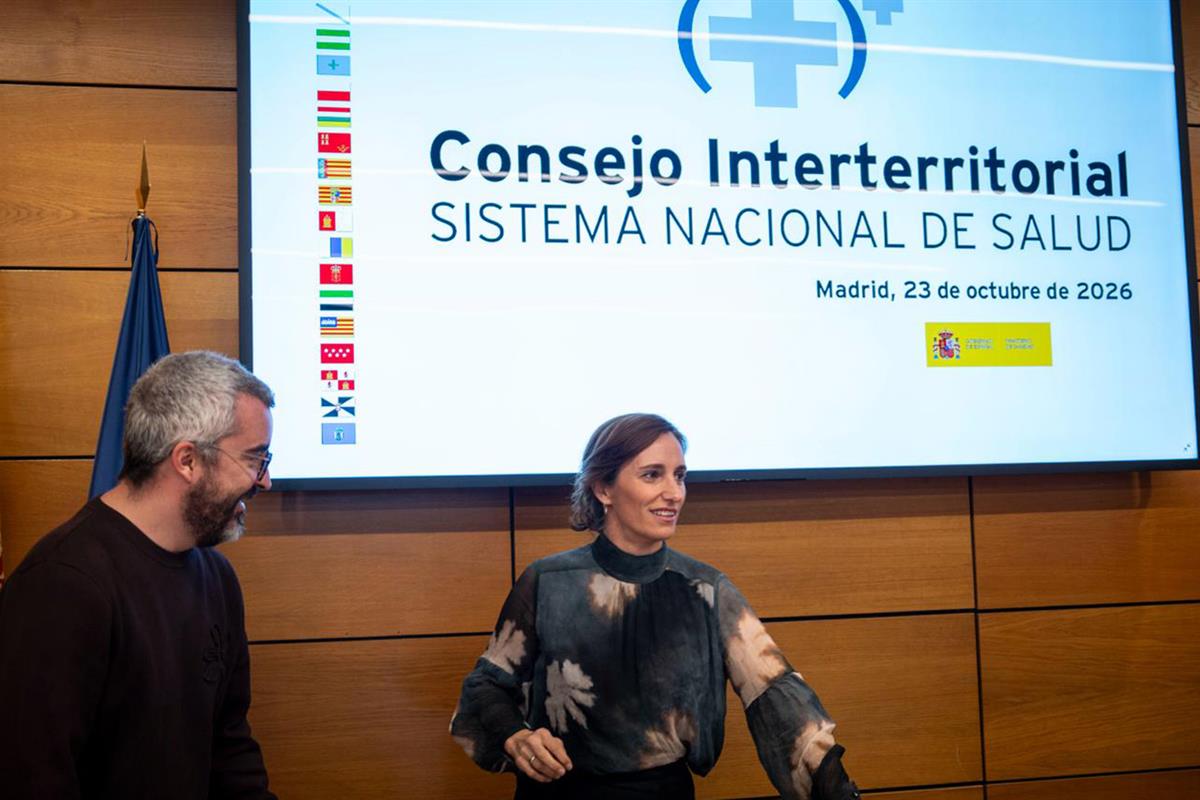
Reunión del Consejo Interterritorial del Sistema Nacional de Salud presidida por la ministra de Sanidad. · La Moncloa / Ministerio de Sanidad
Breast cancer screening expands to women aged 45 to 74
The Interterritorial Council has approved expanding population breast cancer screening to women aged 45 to 74, with mammography every two years, a progressive…
Spain widens breast screening to ages 45 through 74
The approved draft order expands breast cancer screening from ages 50 to 69 to ages 45 to 74, adding the 45 to 49 and 70 to 74 groups.
--- The context ---
The population breast cancer screening program in the common portfolio of the National Health System covered women aged 50 to 69 until now. That range left out two groups that are now brought into the program.
--- The facts ---
The Interterritorial Council of the National Health System has approved the draft order expanding breast cancer screening to women aged 45 to 74. The measure adds the 45 to 49 and 70 to 74 age groups, keeping mammography as the test, with a general interval of two years between examinations.
Implementation will be progressive and in line with European recommendations. All autonomous communities and the cities of Ceuta and Melilla, in coordination with INGESA and civil servant mutual schemes, must have started the change within three years of the order taking effect, and the invitation to participate must approach 100% within six years in the new groups.
During the initial phase, entry may be staggered by age and a three-year interval between mammograms may be adopted for the new groups, moving to two years once implementation is complete. The order also expands standard toric monofocal intraocular lenses, with covered corneal astigmatism moving from between 3 and 5 diopters to between 1.5 and 5 diopters, following a topographic study.
--- The positions ---
The meeting was chaired by the Minister of Health, Mónica García. The draft presents the expansion as an update of the common portfolio aimed at more homogeneous access, adjusting planning to each territory's resources in order to preserve quality.
--- What remains unknown ---
The source does not state when the order will take effect or give a calendar for each community. It also does not say how many women will enter the program or what resources will support the two-year interval in the new groups.
--- Unanswered questions ---
When will the order take effect and from what date will the three-year deadline to start the change run? How will each territory ensure that invitations approach 100% within six years? How long will the initial three-year interval last in practice before moving to two years?
--- EPM analysis ---
The order also expands the orthoprosthetic benefit: standing devices rise from two to eleven product types and tilting planes from one to four, with manual and electric options for children and adults. Funded dietary products will face updated requirements, with twelve months for companies to adapt them, and prenatal infectious disease screening will be renamed transmissible disease screening without changing its content.
📌 EPM Take: In EPM's view, expanding screening from 45 to 74 corrects a narrow range that left out younger and older women facing real risk, and phasing it in acknowledges resource limits without abandoning the goal of invitations approaching 100% within six years. What matters now is that every territory starts within three years and genuinely brings the interval down to two years, because announced coverage without timely mammograms protects no one and simply shifts inequality into each region's own health calendar and waiting times.
--- The context ---
The common portfolio of the National Health System set population breast cancer screening between the ages of 50 and 69. The approved draft changes that range and updates other funded benefits, from intraocular lenses to mobility support products.
--- The facts ---
The Interterritorial Council of the National Health System has approved expanding screening to women aged 45 to 74, adding the 45 to 49 and 70 to 74 age groups. Mammography remains the screening test, with a general interval of two years between examinations across the program as a whole.
The expansion will be implemented progressively, in line with European recommendations. The autonomous communities and the cities of Ceuta and Melilla, in coordination with INGESA and civil servant mutual schemes, must have started modifying the program within three years of the order taking effect, and invitations to participate must approach 100% within six years in the new age groups.
To preserve quality, entry may be staggered by age and an initial interval of three years between mammograms may be used for the new groups, moving to two years once implementation is complete, according to each territory's available resources. For standard toric monofocal intraocular lenses, covered corneal astigmatism moves from between 3 and 5 diopters to between 1.5 and 5 diopters, following a topographic study.
--- The positions ---
The Minister of Health, Mónica García, chaired the meeting of the Interterritorial Council. The draft defends a gradual and orderly rollout, with common deadlines of three and six years, so the expansion does not weaken quality or create differences in access between territories.
--- What remains unknown ---
The source does not give the date the order takes effect, its cost, or the number of women who will join screening. It also does not specify how long the initial three-year interval will remain for the new groups.
--- Unanswered questions ---
What date will start the three-year deadline for each territory to begin the change? What resources will sustain the two-year interval once implementation is complete? How will it be verified that invitations genuinely approach 100% within six years?
--- EPM analysis ---
The same order expands standing devices from two to eleven types and tilting planes from one to four, with manual and electric options, for people with major mobility limitations, such as those arising from spinal cord injuries or cerebral palsy. It also updates requirements for funded dietary products, with twelve months to adapt them, and renames prenatal infectious disease screening as transmissible disease screening.
📌 EPM Take: In EPM's view, phasing in the change is reasonable only if the deadlines are met without exceptions, because expanding rights on paper while keeping a three-year interval lowers in practice the protection that has been promised. The general interval must be two years for everyone, invitations must approach 100% within six years, and each territory must account for its progress, so that equality of access does not depend on where each woman covered by this order happens to live or seek care.
El cribado de cáncer de mama se amplía de 45 a 74 años
El Consejo Interterritorial ha aprobado ampliar el cribado poblacional de cáncer de mama a las mujeres de 45 a 74 años, con mamografía cada dos años…
España amplía el cribado de mama a los 45 y a los 74 años
El proyecto de orden aprobado amplía el cribado de cáncer de mama de la franja de 50 a 69 años a la de 45 a 74 años, sumando los grupos de 45 a 49 y de 70 a…
--- El contexto ---
El programa de cribado poblacional de cáncer de mama recogido en la cartera común del Sistema Nacional de Salud cubría hasta ahora a las mujeres de entre 50 y 69 años. Esa franja dejaba fuera a dos grupos que ahora se incorporan.
--- Los hechos ---
El Consejo Interterritorial del Sistema Nacional de Salud ha aprobado el proyecto de orden que amplía el cribado a las mujeres de entre 45 y 74 años. La medida suma los grupos de 45 a 49 años y de 70 a 74 años, y mantiene la mamografía como prueba, con un intervalo general de dos años entre exploraciones.
La implantación será progresiva y en consonancia con las recomendaciones europeas. Todas las comunidades autónomas y las ciudades de Ceuta y Melilla, en coordinación con INGESA y las mutualidades de funcionarios, deberán haber iniciado la modificación en los tres años siguientes a la entrada en vigor de la orden, y la invitación deberá aproximarse al 100% en seis años.
Durante la fase inicial, la incorporación podrá escalonarse por edades y podrá adoptarse un intervalo de tres años entre mamografías para los nuevos grupos, que pasará a dos años al completarse la implantación. La orden también amplía las lentes intraoculares monofocales tóricas estándar, con astigmatismo corneal cubierto de entre 1,5 y 5 dioptrías frente al rango anterior de entre 3 y 5 dioptrías, previo estudio topográfico.
--- Las posiciones ---
La reunión estuvo presidida por la ministra de Sanidad, Mónica García. El proyecto presenta la ampliación como una actualización de la cartera común que busca un acceso más homogéneo, ajustando la planificación a los recursos de cada territorio para preservar la calidad.
--- Lo que falta saber ---
La fuente no precisa la fecha de entrada en vigor ni el calendario de cada comunidad. Tampoco detalla cuántas mujeres entrarán en el programa ni qué recursos sostendrán el intervalo de dos años en los nuevos grupos.
--- Preguntas sin respuesta ---
¿Cuándo entrará en vigor la orden y desde qué fecha contará el plazo de tres años para iniciar el cambio? ¿Cómo garantizará cada territorio que la invitación se aproxime al 100% en seis años? ¿Cuánto durará en la práctica el intervalo inicial de tres años antes de pasar a dos años?
--- Análisis EPM ---
La orden amplía también la prestación ortoprotésica: los aparatos de bipedestación pasan de dos a once tipos y los planos inclinables de uno a cuatro, con opciones manuales y eléctricas. Los productos dietéticos financiados tendrán requisitos actualizados, con doce meses de adaptación para las empresas, y el cribado prenatal de infecciosas pasará a llamarse de transmisibles sin cambiar su contenido.
📌 Conclusion EPM: A juicio de EPM, ampliar el cribado de 45 a 74 años corrige una franja estrecha que dejaba fuera a mujeres con riesgo real, y hacerlo de forma progresiva reconoce los límites de recursos sin renunciar a la meta del 100% de invitación en seis años. La clave será que cada territorio inicie el cambio en tres años y reduzca de verdad el intervalo a dos años, porque una cobertura anunciada sin mamografías a tiempo no protege a nadie y solo traslada la desigualdad al calendario sanitario concreto de cada comunidad.
--- El contexto ---
La cartera común del Sistema Nacional de Salud establecía el cribado poblacional de cáncer de mama entre los 50 y los 69 años. El proyecto aprobado modifica esa franja y actualiza otras prestaciones financiadas, desde lentes intraoculares hasta productos de apoyo a la movilidad.
--- Los hechos ---
El Consejo Interterritorial del Sistema Nacional de Salud ha aprobado ampliar el cribado a las mujeres de entre 45 y 74 años, incorporando los grupos de 45 a 49 años y de 70 a 74 años. La prueba seguirá siendo la mamografía, con un intervalo general de dos años entre exploraciones para el conjunto del programa.
La ampliación se implantará de forma progresiva, en consonancia con las recomendaciones europeas. Las comunidades autónomas y las ciudades de Ceuta y Melilla, en coordinación con INGESA y las mutualidades de funcionarios, deberán haber iniciado la modificación en los tres años siguientes a la entrada en vigor, y la invitación deberá aproximarse al 100% en un plazo de seis años.
Para preservar la calidad, la incorporación podrá escalonarse por edades y adoptar al inicio un intervalo de tres años entre mamografías en los nuevos grupos, que pasará a dos años una vez completada la implantación, según la disponibilidad de recursos de cada territorio. En lentes intraoculares monofocales tóricas estándar, el astigmatismo corneal cubierto pasa de entre 3 y 5 dioptrías a entre 1,5 y 5 dioptrías, previo estudio topográfico.
--- Las posiciones ---
La ministra de Sanidad, Mónica García, presidió la reunión del Consejo Interterritorial. El proyecto defiende una aplicación gradual y ordenada, con plazos comunes de tres y seis años, para que la ampliación no deteriore la calidad ni genere diferencias de acceso entre territorios.
--- Lo que falta saber ---
La fuente no indica la fecha de entrada en vigor, el coste de la ampliación ni el número de mujeres que se sumarán al cribado. Tampoco concreta cuánto durará el intervalo inicial de tres años en los nuevos grupos.
--- Preguntas sin respuesta ---
¿Qué fecha marcará el inicio del plazo de tres años para que cada territorio empiece el cambio? ¿Qué recursos sostendrán el intervalo de dos años cuando la implantación esté completa? ¿Cómo se verificará que la invitación se aproxime realmente al 100% en seis años?
--- Análisis EPM ---
La misma orden amplía los aparatos de bipedestación de dos a once tipos y los planos inclinables de uno a cuatro, con opciones manuales y eléctricas, para personas con limitaciones importantes de movilidad. También actualiza requisitos de productos dietéticos financiados, con doce meses de adaptación para las empresas, y renombra el cribado prenatal de infecciosas como de transmisibles.
📌 Conclusion EPM: A juicio de EPM, la prudencia de implantar el cambio por fases es razonable solo si los plazos se cumplen sin excepciones, porque ampliar derechos en el papel mientras se mantiene un intervalo de tres años rebaja en la práctica la protección prometida. El intervalo general debe ser de dos años para todas, la invitación debe acercarse al 100% en seis años y cada territorio debe rendir cuentas del avance, para que la igualdad de acceso no dependa del lugar de residencia de cada mujer afectada por esta orden.