Trump Refines Section 338 Tariffs on Canadian Products
President Donald J. Trump signed a proclamation under Section 338 modifying Proclamation 11048: plywood sheets, some paper products, certain machinery and…
Washington Narrows Canada Tariffs to Defend American Workers
The White House announced a proclamation under Section 338 modifying Proclamation 11048 on Canadian products: it removes plywood, some paper products…
--- The context ---
U.S.-Canada trade relations are going through a phase of open friction. According to the official fact sheet, Canada walked away this past summer from a near-final trade deal with Washington and imposed new retaliatory tariffs on about $20 billion of U.S. exports, a move the White House calls discriminatory treatment of American commerce.
In response to that turn, President Donald J. Trump signed five Proclamations under Section 338 of the Tariff Act of 1930, banning certain Canadian products and modifying the tariffs announced on July 20, 2026 and adjusted on September 8, 2026. The new action signed now refines that scope once again, product by product.
--- The facts ---
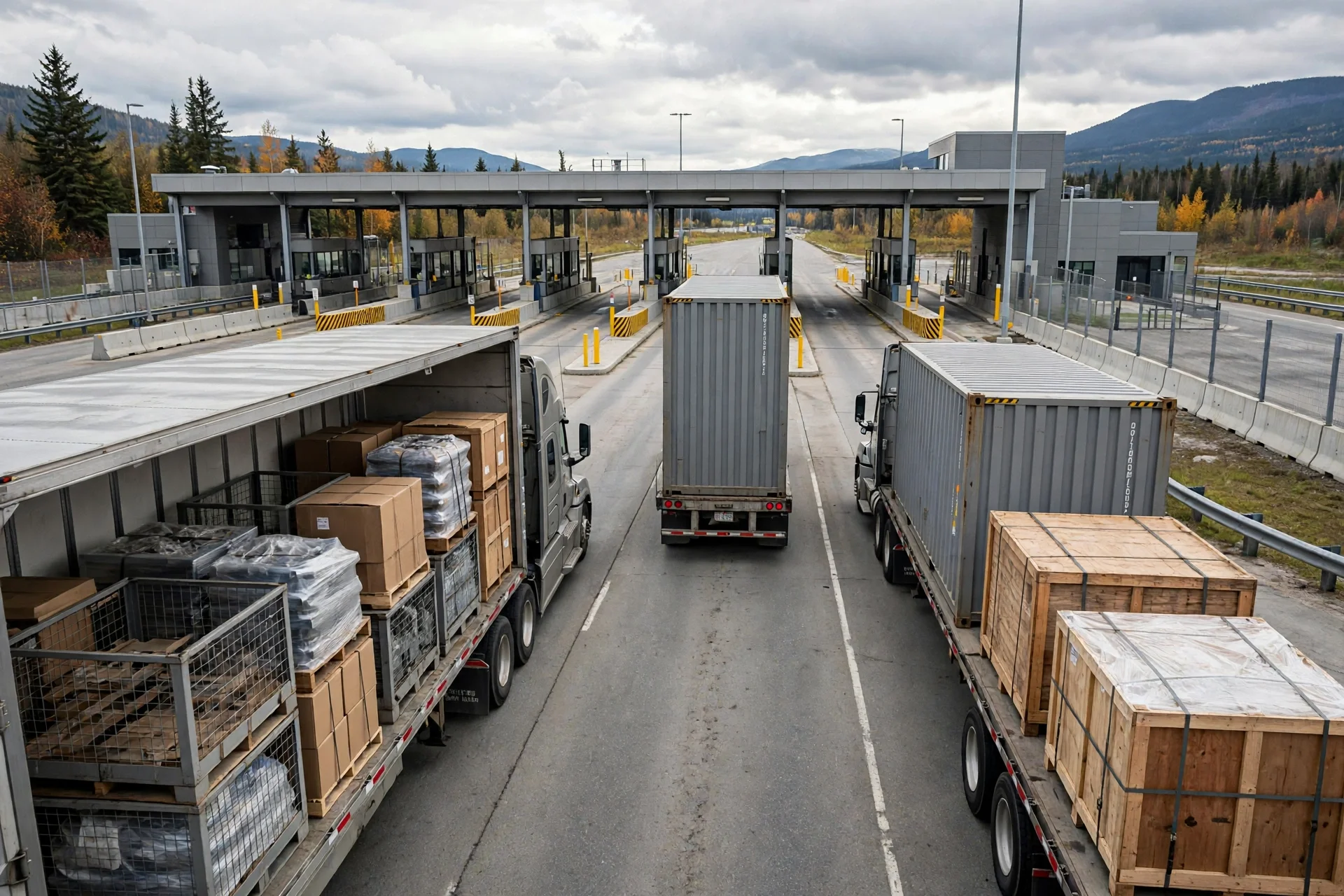
The new Proclamation, issued under Section 338, modifies Proclamation 11048, which concerns motor vehicles, and removes plywood sheets, some paper products, certain machinery and refrigeration equipment, and certain packing crates and boxes from the scope of the tariffs. In their place, the measure adds certain valves, carpets, waste products, and other goods that the text does not list in full detail.
The Section 338 tariffs apply to all covered goods regardless of whether a good originates under the U.S.-Mexico-Canada Agreement, and they apply in addition to the tariffs imposed under Section 232. The product additions and removals will take effect on October 30, 2026, according to the date set in the document.
--- The positions ---
The White House argues that the measure protects American farmers, manufacturers, and workers from Canadian retaliation and discrimination. The fact sheet notes that Section 338 authorizes the President to suspend, revoke, supplement, or amend any proclamation under that section whenever he deems that the public interests require it, and it says the refinement is meant to keep offsetting the burden placed on U.S. commerce.
As context, the text links the tariffs to production returning to American soil and cites $21 trillion in investments since President Trump returned to office. General Motors is investing over $6 billion, $4 billion at Orion Assembly in Michigan; UCB, $2 billion in Georgia; and Japan, $21 billion in two New York chip factories with GlobalFoundries.
--- What remains unknown ---
The document does not publish the complete list of products entering and leaving the tariff scope, nor does it quantify the trade value of the goods affected by this specific adjustment. It includes no Canadian government response and does not say whether talks are under way to revive the nearly final deal.
--- Unanswered questions ---
Will Washington publish the full list of added and removed products before the changes take effect on October 30, 2026? What is the trade value of the goods leaving the scope and of those entering it? Will Canada answer with fresh retaliation or return to the table to close the deal it walked away from?
--- EPM analysis ---
The adjustment shows a tariff policy recalibrated product by product, with direct effects on supply chains that cross the northern border every day. For importers of plywood, paper, or machinery, the removals ease immediate costs, while the valve and carpet sectors face new pressure to pass on or absorb.
📌 EPM Take: In EPM's view, this refinement confirms that the dispute with Canada is now managed as a standing instrument of pressure rather than a closed episode. The White House gains room to move specific products in the name of the public interest it invokes, but uncertainty for importers and manufacturers grows while the list keeps changing. The key question is whether Ottawa negotiates before October 30 or answers with another round of matching retaliation against American exports.
--- The context ---
The United States is holding its line in the trade dispute with Canada. The official fact sheet says Ottawa walked away this past summer from a near-final trade deal and answered with retaliatory tariffs on about $20 billion of U.S. exports, instead of closing an agreement that was within reach.
After that break, President Donald J. Trump signed five Proclamations under Section 338 of the Tariff Act of 1930, banning certain Canadian products and modifying the tariffs announced on July 20, 2026 and adjusted on September 8, 2026. The new proclamation refines the scope again to better serve the public interest and keep offsetting the disadvantage imposed on American commerce.
--- The facts ---
The central change touches Proclamation 11048, which deals with motor vehicles. Leaving the scope of the Section 338 tariffs are plywood sheets, some paper products, certain machinery and refrigeration equipment, and certain packing crates and boxes. Brought in instead are certain valves, carpets, waste products, and other goods.
These tariffs apply to all covered goods regardless of origin claims under the U.S.-Mexico-Canada Agreement, in addition to the tariffs in force under Section 232. The product additions and removals will take effect on October 30, 2026, when the new scope takes hold for importers.
--- The positions ---
The official position is that the measure defends American workers, farmers, and manufacturers against practices Washington calls discriminatory, unreasonable, and unequal. Section 338 empowers the President to suspend, revoke, supplement, or amend his proclamations whenever the public interests require it, and the adjustment is presented as a recalibration that keeps offsetting Canada's burden on U.S. commerce.
The administration frames the decision within its reciprocity trade policy and cites $21 trillion in total investments since President Trump returned to office. Examples include over $6 billion from General Motors, $4 billion at Orion Assembly in Michigan, $2 billion from UCB in Georgia, and $21 billion from Japan for two New York chip factories with GlobalFoundries, alongside manufacturing that expanded in September 2026 for a ninth straight month.
--- What remains unknown ---
The document does not detail the exhaustive list of products brought in under the category of other goods, nor does it offer an estimate of the revenue impact of the adjustment. No official Canadian reaction appears, nor whether Ottawa has asked to reopen the negotiation abandoned this past summer.
--- Unanswered questions ---
Will Canada use this adjustment to return to negotiations before October 30, 2026 instead of keeping its retaliation in place? Which exact products make up the group of goods now entering the tariff scope? How much additional manufacturing employment will the investments cited by the White House generate in the United States over the coming year?
--- EPM analysis ---
The move combines firmness with calibration: Washington keeps pressure on Ottawa, removes goods sensitive to its own industry, and rotates the weight onto other products. The message is that access to the American market carries conditions and that, over the past year and a half, only China and Canada have chosen retaliation over negotiation.
📌 EPM Take: In EPM's view, the recalibration is consistent with a reciprocity strategy that rewards negotiation and penalizes retaliation. By moving the list product by product, the White House keeps the initiative and leaves the next move in Ottawa's hands. If Canada wants to close the deal it walked away from, the path remains open; if it insists on answering in kind, the October 30 adjustment will mark the new starting point of the bilateral dispute.
Trump ajusta los aranceles a productos canadienses bajo la Sección 338
El presidente Donald J. Trump firmó una proclamación bajo la Sección 338 que modifica la Proclamación 11048: salen del alcance arancelario el contrachapado…
Washington refina los aranceles a Canadá para proteger al trabajador
La Casa Blanca anunció una proclamación bajo la Sección 338 que modifica la Proclamación 11048 sobre productos canadienses: retira contrachapado, algunos…
--- El contexto ---
La relación comercial entre Estados Unidos y Canadá atraviesa una fase de fricción abierta. Según el documento oficial, Canadá se retiró el pasado verano de un acuerdo comercial casi final con Washington y aplicó nuevos aranceles de represalia sobre unos 20 mil millones de dólares de exportaciones estadounidenses.
En respuesta a ese giro, el presidente Donald J. Trump firmó cinco proclamaciones al amparo de la Sección 338 de la Ley Arancelaria de 1930, para prohibir ciertos productos canadienses y modificar los aranceles anunciados el 20 de julio de 2026 y ajustados el 8 de septiembre de 2026. La decisión de ahora refina ese alcance una vez más.
--- Los hechos ---
La nueva proclamación, firmada al amparo de la Sección 338, modifica la Proclamación 11048, relativa a los vehículos de motor, y retira del alcance arancelario las láminas de contrachapado, algunos productos de papel, cierta maquinaria y equipos de refrigeración, y determinadas cajas y embalajes. En su lugar entran ciertas válvulas, alfombras, productos de desecho y otros bienes que el texto no detalla por completo.
Esos aranceles se aplican a todo bien cubierto sin importar el amparo del tratado entre Estados Unidos, México y Canadá, y se suman a los impuestos bajo la Sección 232. Los cambios de productos entrarán en vigor el 30 de octubre de 2026, según la fecha fijada en el documento.
--- Las posiciones ---
La Casa Blanca sostiene que la medida protege a agricultores, fabricantes y trabajadores estadounidenses frente a la represalia y la discriminación canadienses. El documento recuerda que la Sección 338 autoriza al presidente a suspender, revocar, complementar o enmendar cualquier proclamación cuando el interés público lo requiera, y afirma que el ajuste compensa mejor la carga sobre el comercio estadounidense.
Como contexto, el texto vincula la política arancelaria con el regreso de producción al país y cita 21 billones de dólares en inversiones desde el regreso de Trump. General Motors invierte más de 6 mil millones, 4 mil millones en su planta Orion Assembly de Michigan; UCB, 2 mil millones en Georgia, y Japón, 21 mil millones en dos fábricas de chips en Nueva York junto a GlobalFoundries.
--- Lo que falta saber ---
El documento no publica la lista completa de productos que entran y salen del alcance, ni cuantifica el valor de los bienes afectados. Tampoco recoge la respuesta de Canadá ni precisa si hay conversaciones para retomar el acuerdo casi cerrado del pasado verano.
--- Preguntas sin respuesta ---
¿Publicará Washington la lista íntegra de productos añadidos y retirados antes de que los cambios entren en vigor el 30 de octubre de 2026? ¿Qué valor comercial tienen los bienes que salen del alcance y los que entran en él? ¿Responderá Canadá con nuevas represalias o volverá a la mesa para cerrar el acuerdo que abandonó?
--- Análisis EPM ---
El ajuste muestra una política arancelaria que se recalibra producto a producto, con efectos directos sobre las cadenas de suministro fronterizas. Para quienes importan contrachapado, papel o maquinaria, la salida alivia costes; los sectores de válvulas y alfombras asumen una presión nueva que deberán trasladar o absorber.
📌 Conclusion EPM: A juicio de EPM, este refinamiento confirma que la disputa con Canadá se gestiona ya como un instrumento permanente de presión y no como un episodio cerrado. La Casa Blanca gana margen al mover productos concretos según el interés público que invoca, pero la incertidumbre para importadores y fabricantes se prolonga mientras la lista siga cambiando. La clave estará en si Ottawa negocia antes del 30 de octubre o responde con otra ronda de represalias equivalentes.
--- El contexto ---
Estados Unidos mantiene su pulso comercial con Canadá. Según el documento oficial, Ottawa se retiró el pasado verano de un acuerdo casi final y respondió con represalias sobre unos 20 mil millones de dólares de exportaciones estadounidenses, en lugar de cerrar un trato que estuvo al alcance.
Tras esa ruptura, el presidente Donald J. Trump firmó cinco proclamaciones bajo la Sección 338 de la Ley Arancelaria de 1930, prohibiendo ciertos productos canadienses y modificando los aranceles anunciados el 20 de julio de 2026 y ajustados el 8 de septiembre de 2026. La proclamación de ahora refina el alcance para servir mejor al interés público y compensar la desventaja impuesta al comercio estadounidense.
--- Los hechos ---
El cambio afecta a la Proclamación 11048, de vehículos de motor. Salen del alcance de los aranceles de la Sección 338 las láminas de contrachapado, algunos productos de papel, cierta maquinaria y equipos de refrigeración, y determinadas cajas y embalajes. En su lugar entran ciertas válvulas, alfombras, productos de desecho y otros bienes.
Esos aranceles se aplican a todo bien cubierto, reclame o no origen bajo el tratado entre Estados Unidos, México y Canadá, y se suman a los de la Sección 232. Las incorporaciones y retiradas surtirán efecto el 30 de octubre de 2026, fecha en que regirá el nuevo alcance.
--- Las posiciones ---
La posición oficial: la medida defiende a trabajadores, agricultores y fabricantes frente a prácticas que Washington califica de discriminatorias y desiguales. La Sección 338 faculta al presidente para suspender, revocar, complementar o enmendar sus proclamaciones cuando el interés público lo exija, y el ajuste se presenta como una recalibración que sigue compensando la carga impuesta por Canadá.
El Gobierno enmarca la decisión en su política comercial de reciprocidad y cita un total de 21 billones de dólares en inversiones desde el regreso de Trump. Entre los ejemplos figuran más de 6 mil millones de General Motors, con 4 mil millones en Orion Assembly, Michigan; 2 mil millones de UCB en Georgia, y 21 mil millones de Japón en dos fábricas de chips en Nueva York con GlobalFoundries, además de una manufactura expandida en septiembre de 2026 por noveno mes consecutivo.
--- Lo que falta saber ---
El documento no detalla la lista exhaustiva de productos incorporados ni estima el impacto recaudatorio. Tampoco consta una reacción oficial canadiense, ni si Ottawa ha pedido reabrir la negociación abandonada el pasado verano.
--- Preguntas sin respuesta ---
¿Aprovechará Canadá este ajuste para volver a negociar antes del 30 de octubre de 2026 en lugar de mantener las represalias? ¿Qué productos exactos componen el grupo de bienes que entran ahora en el alcance arancelario? ¿Cuánto empleo manufacturero adicional generarán en Estados Unidos las inversiones citadas por la Casa Blanca durante el próximo año?
--- Análisis EPM ---
El movimiento combina firmeza y calibración: Washington mantiene la presión sobre Ottawa, retira bienes sensibles para su propia industria y rota el peso hacia otros productos. El mensaje es que el acceso al mercado estadounidense tiene condiciones y que, en año y medio, solo China y Canadá han elegido responder con represalias en vez de negociar.
📌 Conclusion EPM: A juicio de EPM, la recalibración es coherente con una estrategia de reciprocidad que premia la negociación y castiga la represalia. Al mover la lista producto a producto, la Casa Blanca conserva la iniciativa y deja la siguiente jugada en manos de Ottawa. Si Canadá quiere cerrar el acuerdo que abandonó, la vía sigue abierta; si insiste en responder, el ajuste del 30 de octubre marcará el nuevo punto de partida de la disputa bilateral.