Liberal Party backs the budget despite its anger at President Abelardo
The Liberal Party decided to vote in favor of the Government's General Budget because of the economic needs of the earthquake victims, despite its anger at…
Liberals support the general budget citing earthquake victims' needs
After breaking quorum and meeting as a caucus, the Liberal Party decided to support the General Budget for the earthquake victims, although it maintains its…
--- The context ---
On Monday, October 19, the House of Representatives held a tense session amid anger within the Liberal Party toward President Abelardo De La Espriella over what happened in San Andrés, where the president confronted Liberal representative Elizabeth Jay-Pang and strongly rebuked her over alleged mismanagement of resources in the archipelago.
--- The facts ---
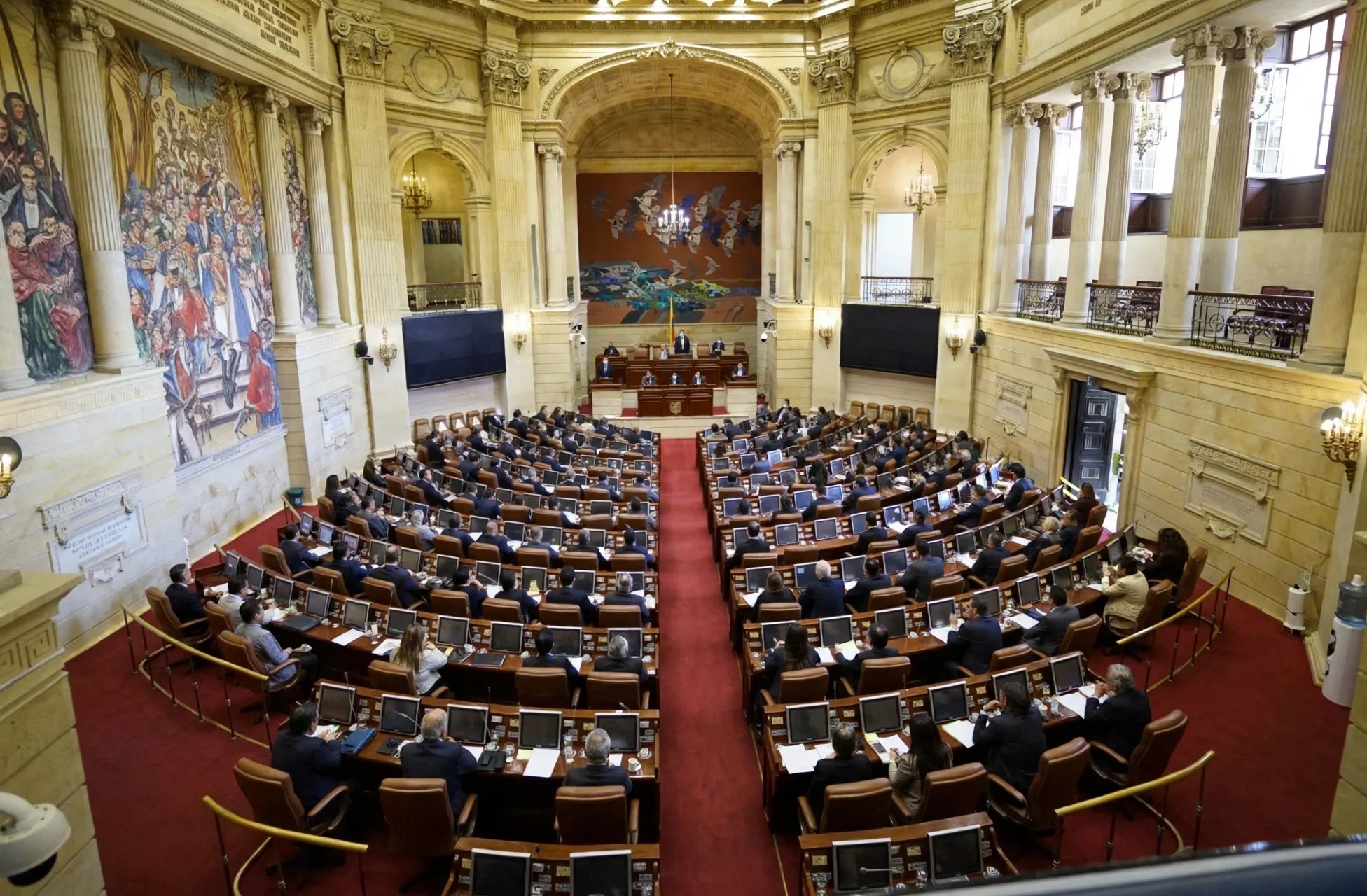
During the day, Liberal representatives walked out of the plenary session to break quorum and held a caucus meeting to make substantive decisions amid the open tension with the executive branch.
After that meeting, the lawmakers decided to vote in favor of the General Budget presented by the Government, citing the economic needs facing the victims of the earthquake, despite the anger built up during the day.
--- The positions ---
The meeting made clear that anger toward the executive branch does exist, and the Liberals signed a document stating that investigations must move forward first before any judgments are issued regarding the alleged mismanagement of resources reported in the archipelago.
--- What remains unknown ---
The party's definitive official position is still unknown: it is currently declared a government party, but that stance could change later depending on internal talks and on the investigations mentioned in the signed document.
--- Unanswered questions ---
When will the Liberal Party define its official position toward the Government? Will its status as a declared government party change after the next caucus meetings? What will the investigations that the party wants completed before issuing any definitive judgment on what happened ultimately find?
--- EPM analysis ---
The day left a visibly uncomfortable caucus that nevertheless separated its political discontent from a vote it considered urgent for humanitarian reasons, leaving its substantive definition pending further meetings and progress in the investigations it requested.
📌 EPM Take: In EPM's view, the Liberal decision shows a caucus that prioritized the economic urgency of the earthquake victims without abandoning its political complaint, and that put its anger on record in writing before voting. Breaking quorum and then backing the budget marks a real tension with the executive branch, whose resolution will depend on the investigations and on the meetings that will define the party's official position going forward.
--- The context ---
The House of Representatives session on Monday, October 19 unfolded amid tension over the Liberal Party's anger toward President Abelardo De La Espriella, over what happened in San Andrés, where the president confronted representative Elizabeth Jay-Pang and strongly rebuked her over alleged mismanagement of resources in the archipelago.
--- The facts ---
During the day, Liberal representatives left the plenary session to break quorum and met as a caucus to make substantive decisions about their relationship with the executive branch and the pending House vote.
After that meeting, the lawmakers resolved to vote in favor of the General Budget presented by the Government, citing the economic needs facing the victims of the earthquake, above the anger the day had left within the caucus.
--- The positions ---
The meeting made clear that anger toward the executive branch persists, and the caucus signed a document stating that investigations must move forward first before judgments are issued on the alleged mismanagement of resources in the archipelago.
--- What remains unknown ---
The party's official position, currently that of a declared government party, remains to be determined, because there will be another series of meetings and that stance could change later, depending on its internal deliberations.
--- Unanswered questions ---
Will the Liberal Party keep its status as a government party after the next meetings? What will the investigations say about the alleged mismanagement of resources in the archipelago? How will relations between the caucus and the executive branch stand after the breaking of quorum?
--- EPM analysis ---
The episode shows a caucus that expressed its discontent in the plenary session, but that when voting put attention to the victims first and demanded investigations before any definitive judgment.
📌 EPM Take: In EPM's view, the Liberal backing of the budget was a responsible decision in light of the urgency facing the earthquake victims, taken without hiding the anger toward the executive branch or prejudging facts not yet investigated. The caucus left its official position in suspense, and the coming meetings and the progress of the investigations will define whether it remains a government party or adjusts its stance.
Liberales apoyan el presupuesto pese a su molestia con el presidente Abelardo
El Partido Liberal decidió votar favorablemente el Presupuesto General del Gobierno por las necesidades económicas de las víctimas del terremoto, pese a su…
El Partido Liberal respalda el presupuesto por las víctimas del terremoto
Tras romper el cuórum y reunirse en bancada, el Partido Liberal decidió apoyar el Presupuesto General por las víctimas del terremoto, aunque mantiene su…
--- El contexto ---
El lunes 19 de octubre se vivió una tensa sesión en la Cámara de Representantes por la molestia que existe en el Partido Liberal con el presidente Abelardo De La Espriella por lo ocurrido en San Andrés, donde el mandatario careó a la representante liberal Elizabeth Jay-Pang y le hizo un fuerte reclamo por presuntos malos manejos de recursos en el archipiélago.
--- Los hechos ---
Durante el día, los representantes liberales salieron de la plenaria para desbaratar el cuórum y realizaron una reunión de bancada para tomar decisiones de fondo frente a la tensión con el Ejecutivo.
Después de esa reunión, los congresistas decidieron votar favorablemente el Presupuesto General presentado por el Gobierno, argumentando las necesidades económicas de las víctimas del terremoto, pese a la molestia de la jornada.
--- Las posiciones ---
En la reunión quedó claro que sí hay molestia con el Ejecutivo, y los liberales firmaron un documento donde afirman que primero deben adelantarse las investigaciones antes de emitir juicios sobre los presuntos malos manejos de recursos en el archipiélago.
--- Lo que falta saber ---
Todavía no se conoce la posición oficial definitiva del partido, hoy declarado de gobierno, porque esa postura podría cambiar más adelante según avancen las conversaciones internas y las investigaciones mencionadas en el documento firmado.
--- Preguntas sin respuesta ---
¿Cuándo definirá el Partido Liberal su posición oficial frente al Gobierno? ¿Cambiará su condición de partido declarado de gobierno tras las próximas reuniones de bancada? ¿Qué arrojarán las investigaciones que la colectividad pide adelantar antes de emitir juicios?
--- Análisis EPM ---
La jornada dejó una bancada incómoda que separó su malestar político de una votación urgente por razones humanitarias, y dejó su definición pendiente de nuevas reuniones y del avance de las investigaciones.
📌 Conclusion EPM: A juicio de EPM, la decisión liberal muestra una bancada que priorizó la urgencia económica de las víctimas del terremoto sin renunciar a su reclamo político, y que dejó constancia escrita de su molestia antes de votar. El gesto de romper el cuórum y luego respaldar el presupuesto marca una tensión real con el Ejecutivo, cuya resolución dependerá de las investigaciones y de las reuniones que definirán la posición oficial del partido en adelante.
--- El contexto ---
La sesión de la Cámara de Representantes del lunes 19 de octubre transcurrió en medio de la tensión por la molestia del Partido Liberal con el presidente Abelardo De La Espriella, por lo ocurrido en San Andrés, donde el mandatario careó a la representante Elizabeth Jay-Pang y le hizo un fuerte reclamo por presuntos malos manejos de recursos en el archipiélago.
--- Los hechos ---
Durante el día, los representantes liberales abandonaron la plenaria para desbaratar el cuórum y se reunieron como bancada para tomar decisiones de fondo sobre su relación con el Ejecutivo y la votación pendiente en la Cámara.
Tras esa reunión, los congresistas resolvieron votar favorablemente el Presupuesto General presentado por el Gobierno, argumentando las necesidades económicas de las víctimas del terremoto, por encima de la molestia que la jornada dejó en la bancada.
--- Las posiciones ---
En la reunión quedó claro que la molestia con el Ejecutivo persiste, y la bancada firmó un documento donde afirma que primero deben adelantarse las investigaciones antes de emitir juicios sobre los presuntos malos manejos de recursos en el archipiélago.
--- Lo que falta saber ---
Aún falta determinar la posición oficial del partido, hoy declarado de gobierno, porque habrá otra serie de reuniones y esa postura podría cambiar más adelante, según resuelva la colectividad en sus deliberaciones.
--- Preguntas sin respuesta ---
¿Mantendrá el Partido Liberal su condición de partido de gobierno tras las próximas reuniones? ¿Qué dirán las investigaciones sobre los presuntos malos manejos de recursos en el archipiélago? ¿Cómo quedará la relación entre la bancada y el Ejecutivo tras la ruptura del cuórum?
--- Análisis EPM ---
El episodio muestra a una bancada que expresó su inconformidad en la plenaria, pero que al votar puso por delante la atención de las víctimas y exigió investigaciones antes de cualquier juicio definitivo.
📌 Conclusion EPM: A juicio de EPM, el respaldo liberal al presupuesto fue una decisión responsable frente a la urgencia de las víctimas del terremoto, tomada sin ocultar la molestia con el Ejecutivo ni anticipar juicios sobre hechos aún no investigados. La bancada dejó su posición oficial en suspenso, y serán las próximas reuniones y el avance de las investigaciones los que definan si sigue siendo partido de gobierno o ajusta su postura.