Judge jails two defendants over Pichincha Battalion bombing in Cali
A judge ordered preventive detention for Jorge Andrés Castañeda Díaz, alias Barbas, and Ashley Valentina Pozo Delgado for their alleged participation in the…
Preventive detention for two accused in Pichincha Battalion attack
A judge ordered detention in a prison facility against two alleged members of the network accused of the explosives attack against the Pichincha Battalion in…
--- The context ---
A judge ordered the preventive detention of Jorge Andrés Castañeda Díaz, alias Barbas, and Ashley Valentina Pozo Delgado for their alleged participation in the explosives attack against the Pichincha Battalion, which occurred on April 24, 2026, in Cali. The two defendants did not accept the charges brought by the Prosecutor's Office, and their criminal responsibility is not established.
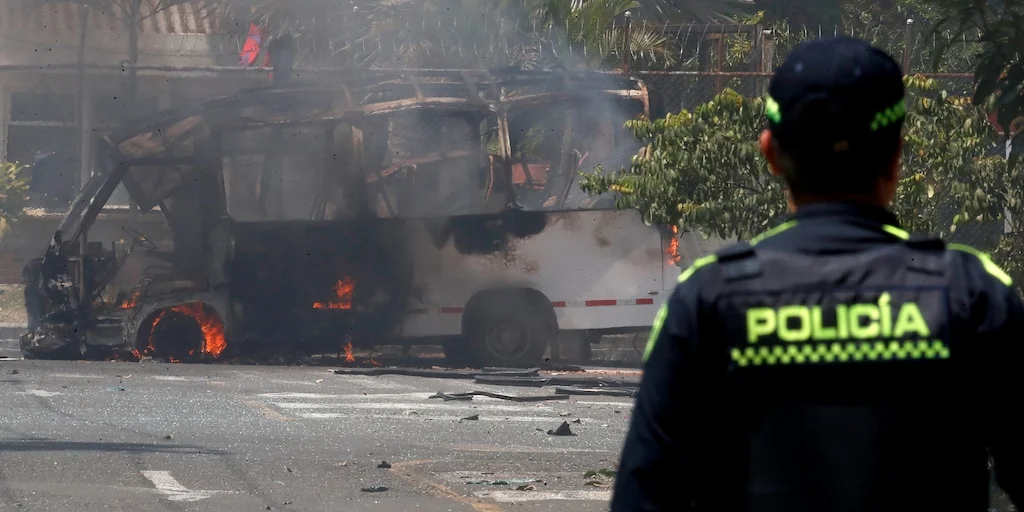
The attack was carried out, according to the investigation, with a white school bus loaded with explosive cylinders that detonated near the military installation, in the south of the Valle del Cauca capital. The explosion left civilians injured, damage to the battalion and damage to nearby homes.
The Prosecutor's Office maintains that they were part of a militia network in Cali and Jamundí, linked, according to the judicial hypothesis, to the Ricardo Velásquez column and the Jaime Martínez structure of the Farc dissidents. That relationship must be demonstrated in the criminal process: for now it is a hypothesis, not a proven fact.
--- The facts ---
The detention order was issued after the preliminary hearings against the two captured persons, linked to planning, surveillance, transport and support for the driver's escape. The judge considered that they should remain deprived of liberty while prosecutors gather evidence.
For the Prosecutor's Office, alias Barbas supported the mobilization of the bus and the escape of the driver. He allegedly took part in coordination meetings in rural areas of Jamundí, drove a reconnaissance and surveillance vehicle, took the driver to the vehicle carrying the explosives and helped him leave after the detonation. He also allegedly brought cables for the bus battery and took part in buying a new one.
Pozo Delgado allegedly used a motorcycle to observe the authorities and alert about movements of uniformed personnel near the bus route. She allegedly belonged to the same network as alias Barbas.
--- The positions ---
A prosecutor from the Specialized Directorate against Criminal Organizations charged aggravated criminal conspiracy, aggravated terrorism, manufacture, trafficking and carrying of weapons, restricted-use or Armed Forces-exclusive ammunition or explosives, aggravated attempted homicide and damage to another's property, according to the individual participation attributed to each one. Neither accepted the charges.
Castañeda Díaz also allegedly held coordination and recruitment functions. Against this, the decisive fact is the non-acceptance of charges: the presumption of innocence requires proving each function with evidence, without turning preventive detention into an early conviction. His responsibility can only be established in the later stages and, eventually, at a trial.
--- What remains unknown ---
Prosecutors keep open lines to identify the driver, establish the participation of other members and determine the financing. It is also being investigated whether the driver abandoned the vehicle moments before the charge was activated.
The prosecutor also mentioned alleged participants identified as “Trenzas”, “El Viejo”, “Pipas”, “Valentina” and “El Flaco”, and the official hypothesis states that at least six people had defined tasks in the preparation, transfer and departure of the driver.
--- Unanswered questions ---
Who drove the school bus to the vicinity of the Pichincha Battalion and how did he manage to leave the place? What concrete evidence supports the alleged link to the Ricardo Velásquez column and the Jaime Martínez structure? What specific evidence supports each function attributed to the two defendants and guarantees full respect for their presumption of innocence?
--- EPM analysis ---
The captures took place on Saturday, October 17, in an operation with judicial orders of the National Police, with support from the Prosecutor's Technical Investigation Corps and the National Army; a 17-year-old adolescent, alias Sevillano, was also apprehended, under the Adolescent Criminal Responsibility System. The case requires protecting the affected civilians without weakening the guarantees of the process.
📌 EPM Take: In EPM's view, the preventive detention of the two defendants must be read with a distinction the process cannot lose: one thing is the seriousness of the attack against the Pichincha Battalion, which left civilians injured and damage to nearby homes, and another is the responsibility of each detainee, which is not yet proven. The defendants did not accept the charges, the link to the armed structures is for now a judicial hypothesis and each attributed function must be demonstrated with evidence. Protecting the population requires due process and decisions founded on evidence, not on anticipations of guilt.
--- The context ---
A judge ordered the preventive detention of Jorge Andrés Castañeda Díaz, alias Barbas, and Ashley Valentina Pozo Delgado for their alleged participation in the explosives attack against the Pichincha Battalion, which occurred on April 24, 2026, in Cali. The defendants did not accept the charges brought by the Prosecutor's Office, and their individual responsibility will be defined in the criminal process.
According to the investigation, the attack was carried out with a white school bus loaded with explosive cylinders, which detonated near the military installation, in the south of the Valle del Cauca capital. The explosion left civilians injured, damage to the battalion and damage to nearby homes.
The Prosecutor's Office maintains that they were part of a militia network in Cali and Jamundí, linked, according to the judicial hypothesis, to the Ricardo Velásquez column and the Jaime Martínez structure of the Farc dissidents. That relationship must be demonstrated in the process, and the investigation aims to dismantle the entire network.
--- The facts ---
The detention order was issued after the preliminary hearings against the two captured persons, linked to planning, surveillance, transport and support for the driver's escape. The judge considered that they should remain deprived of liberty while prosecutors gather evidence.
For the Prosecutor's Office, alias Barbas supported the operation before, during and after the explosion: he took part in coordination meetings in Jamundí, drove a reconnaissance and surveillance vehicle, took the driver to the vehicle with the explosives, helped him leave after the detonation and helped with cables for the battery and the purchase of a new one. He also allegedly held coordination and recruitment functions.
Pozo Delgado allegedly used a motorcycle to observe the authorities and alert about movements of uniformed personnel near the bus route. She allegedly belonged to the same network as alias Barbas.
--- The positions ---
A prosecutor from the Specialized Directorate against Criminal Organizations charged aggravated criminal conspiracy, aggravated terrorism, manufacture, trafficking and carrying of weapons, restricted-use or Armed Forces-exclusive ammunition or explosives, aggravated attempted homicide and damage to another's property, according to the individual participation attributed. Neither of the two accepted the charges during the judicial proceedings.
The captures took place on Saturday, October 17, in an operation with judicial orders of the National Police, with support from the Prosecutor's Technical Investigation Corps and the National Army. A 17-year-old adolescent, alias Sevillano, was also apprehended, who, according to Colonel Carlos Latorre, was to distract and remove by motorcycle the driver; his case is handled under the Adolescent Criminal Responsibility System.
--- What remains unknown ---
The Prosecutor's Office keeps open lines to identify the driver, establish the participation of other members and determine the financing. It is being investigated whether the driver abandoned the vehicle moments before the charge was activated, and alleged participants such as “Trenzas”, “El Viejo”, “Pipas”, “Valentina” and “El Flaco” were mentioned.
In June, Jhonatan Steven Villalobos, alias Tom, and Yeiner Enrique Freyde Tolimán, alias Trenzas, were captured; Villalobos is accused of buying the small bus for about $20 million. Both remained in preventive detention without accepting the charges.
--- Unanswered questions ---
Who was the driver of the school bus and what escape route did he use after abandoning the vehicle? Who are, with verified identity, the alleged participants mentioned as “El Viejo”, “Pipas”, “Valentina” and “El Flaco”? Where did the resources come from to buy the vehicle for about $20 million and finance the rest of the operation?
--- EPM analysis ---
The judicial authority acted after preliminary hearings and with a charge of five offenses, keeping two alleged members in custody while the investigation continues. Dismantling that structure completely defines whether this judicial blow translates into lasting security for Cali and Jamundí.
📌 EPM Take: In EPM's view, sending the two defendants to prison is a necessary and proportionate decision in the face of an explosives attack that left civilians injured and damage to nearby homes. The measure protects the investigation and gives the Prosecutor's Office time to identify the driver, verify the other alleged participants and establish the financing. Cali's security requires the judicial authority to act firmly against armed structures, always within the criminal process and with the evidence that must demonstrate, at trial, the individual responsibility of each defendant.
Juez envía a prisión a dos procesados por atentado contra Batallón Pichincha
Un juez ordenó reclusión preventiva para Jorge Andrés Castañeda Díaz, alias Barbas, y Ashley Valentina Pozo Delgado por su presunta participación en el…
Prisión preventiva para dos señalados del atentado contra Batallón Pichincha
Un juez dictó medida de aseguramiento en centro carcelario contra dos presuntos integrantes de la red señalada del atentado con explosivos contra el Batallón…
--- El contexto ---
Un juez ordenó la reclusión preventiva de Jorge Andrés Castañeda Díaz, alias Barbas, y de Ashley Valentina Pozo Delgado por su presunta participación en el ataque contra el Batallón Pichincha, el 24 de abril de 2026 en Cali. Los procesados no aceptaron los cargos de la Fiscalía, y su responsabilidad penal no está establecida.
El atentado se ejecutó, según la investigación, con un bus escolar blanco cargado con cilindros explosivos que detonó cerca de la instalación militar, en el sur de la capital vallecaucana. La explosión dejó civiles lesionados, daños en el batallón y afectaciones en viviendas cercanas.
La Fiscalía sostiene que integrarían una red de milicias con presencia en Cali y Jamundí, vinculada, según la hipótesis judicial, con la columna Ricardo Velásquez y la estructura Jaime Martínez de las disidencias de las Farc. Esa relación deberá demostrarse en el proceso penal: por ahora es una hipótesis, no un hecho probado.
--- Los hechos ---
La medida en centro carcelario se dictó tras las audiencias preliminares contra los dos capturados, relacionados con planeación, vigilancia, transporte y apoyo a la fuga del conductor. El juez consideró que debían seguir privados de la libertad mientras la Fiscalía recauda pruebas.
Para la Fiscalía, alias Barbas apoyó la movilización del bus y la fuga del conductor. Habría participado en reuniones de coordinación en sectores rurales de Jamundí, conducido un vehículo de reconocimiento y vigilancia, llevado al conductor hasta el automotor con los explosivos y colaborado con su salida tras la detonación. También habría llevado cables para la batería del bus y participado en la compra de una nueva.
Pozo Delgado habría usado una motocicleta para observar a las autoridades y alertar sobre movimientos de uniformados cerca de la ruta del bus. Pertenecería, presuntamente, a la misma red de alias Barbas.
--- Las posiciones ---
Una fiscal de la Dirección Especializada contra las Organizaciones Criminales imputó concierto para delinquir agravado, terrorismo agravado, fabricación, tráfico y porte de armas, municiones de uso restringido o privativo de las Fuerzas Armadas o explosivos, tentativa de homicidio agravado y daño en bien ajeno, según la participación individual atribuida a cada uno. Ninguno aceptó los cargos.
Castañeda Díaz tendría además funciones de coordinación y reclutamiento. Frente a ello, el dato decisivo es la no aceptación de cargos: la presunción de inocencia exige probar cada función con evidencia, sin convertir la reclusión preventiva en condena anticipada. Su responsabilidad solo podrá establecerse en las etapas posteriores y, eventualmente, en un juicio.
--- Lo que falta saber ---
La Fiscalía mantiene abiertas las líneas para identificar al conductor, establecer la participación de otros integrantes y determinar la financiación. También se investiga si el conductor abandonó el vehículo instantes antes de activarse la carga.
La fiscal mencionó además a presuntos involucrados identificados como “Trenzas”, “El Viejo”, “Pipas”, “Valentina” y “El Flaco”, y la hipótesis oficial plantea al menos seis personas con tareas definidas en la preparación, el traslado y la salida del conductor.
--- Preguntas sin respuesta ---
¿Quién condujo el bus escolar hasta las inmediaciones del Batallón Pichincha y cómo logró salir del lugar? ¿Qué pruebas concretas sustentan la presunta vinculación con la columna Ricardo Velásquez y la estructura Jaime Martínez? ¿Qué evidencia específica respalda cada función atribuida a los dos procesados y garantiza el respeto pleno de su presunción de inocencia?
--- Análisis EPM ---
Las capturas se concretaron el sábado 17 de octubre, en un operativo con órdenes judiciales de la Policía Nacional, con apoyo del Cuerpo Técnico de Investigación de la Fiscalía y el Ejército Nacional; también fue aprehendido un adolescente de 17 años, alias Sevillano, bajo el Sistema de Responsabilidad Penal para Adolescentes. El caso exige proteger a los civiles afectados sin debilitar las garantías del proceso.
📌 Conclusion EPM: A juicio de EPM, la reclusión preventiva ordenada contra los dos procesados debe leerse con una distinción que el proceso no puede perder: una cosa es la gravedad del atentado contra el Batallón Pichincha, que dejó civiles lesionados y daños en viviendas cercanas, y otra, distinta, es la responsabilidad individual de cada detenido, que todavía no está probada. Los procesados no aceptaron los cargos, la vinculación con las estructuras armadas es por ahora una hipótesis judicial y cada función atribuida tendrá que demostrarse con evidencia en las etapas siguientes. Proteger a la población y castigar a los responsables exige, al mismo tiempo, debido proceso, presunción de inocencia y decisiones judiciales fundadas en pruebas verificables, no en anticipos de culpabilidad.
--- El contexto ---
Un juez ordenó la reclusión preventiva de Jorge Andrés Castañeda Díaz, alias Barbas, y de Ashley Valentina Pozo Delgado por su presunta participación en el ataque contra el Batallón Pichincha, el 24 de abril de 2026 en Cali. Los procesados no aceptaron los cargos de la Fiscalía, y su responsabilidad se definirá en el proceso penal.
Según la investigación, el ataque se ejecutó con un bus escolar blanco cargado con cilindros explosivos, que detonó cerca de la instalación militar, en el sur de la capital vallecaucana. La explosión dejó civiles lesionados, daños en el batallón y afectaciones en viviendas cercanas.
La Fiscalía sostiene que integrarían una red de milicias con presencia en Cali y Jamundí, vinculada, según la hipótesis judicial, con la columna Ricardo Velásquez y la estructura Jaime Martínez de las disidencias de las Farc. Esa relación deberá demostrarse en el proceso, y la investigación apunta a desarticular la red completa.
--- Los hechos ---
La medida en centro carcelario se dictó tras las audiencias preliminares contra los dos capturados, relacionados con planeación, vigilancia, transporte y apoyo a la fuga del conductor. El juez consideró que debían seguir privados de la libertad mientras la Fiscalía recauda pruebas.
Para la Fiscalía, alias Barbas apoyó la operación antes, durante y después de la explosión: participó en reuniones de coordinación en Jamundí, condujo un vehículo de reconocimiento y vigilancia, llevó al conductor hasta el automotor con los explosivos, colaboró con su salida tras la detonación y ayudó con cables para la batería y la compra de una nueva. Tendría además funciones de coordinación y reclutamiento.
Pozo Delgado habría usado una motocicleta para observar a las autoridades y alertar sobre movimientos de uniformados cerca de la ruta del bus. Pertenecería, presuntamente, a la misma red de alias Barbas.
--- Las posiciones ---
Una fiscal de la Dirección Especializada contra las Organizaciones Criminales imputó concierto para delinquir agravado, terrorismo agravado, fabricación, tráfico y porte de armas, municiones de uso restringido o privativo de las Fuerzas Armadas o explosivos, tentativa de homicidio agravado y daño en bien ajeno, según la participación individual atribuida. Ninguno de los dos aceptó los cargos durante las diligencias judiciales.
Las capturas se concretaron el sábado 17 de octubre, en un operativo con órdenes judiciales de la Policía Nacional, con apoyo del Cuerpo Técnico de Investigación de la Fiscalía y el Ejército Nacional. También fue aprehendido un adolescente de 17 años, alias Sevillano, quien, según el coronel Carlos Latorre, debía distraer y retirar en motocicleta al conductor; su caso va por el Sistema de Responsabilidad Penal para Adolescentes.
--- Lo que falta saber ---
La Fiscalía mantiene abiertas las líneas para identificar al conductor, establecer la participación de otros integrantes y determinar la financiación. Se investiga si el conductor abandonó el vehículo instantes antes de activarse la carga, y se mencionó a presuntos involucrados como “Trenzas”, “El Viejo”, “Pipas”, “Valentina” y “El Flaco”.
En junio fueron capturados Jhonatan Steven Villalobos, alias Tom, y Yeiner Enrique Freyde Tolimán, alias Trenzas; a Villalobos le atribuyen la compra de la buseta por cerca de $20 millones. Ambos quedaron en prisión preventiva sin aceptar los cargos.
--- Preguntas sin respuesta ---
¿Quién fue el conductor del bus escolar y qué ruta de escape utilizó tras abandonar el vehículo? ¿Quiénes son, con identidad verificada, los presuntos involucrados mencionados como “El Viejo”, “Pipas”, “Valentina” y “El Flaco”? ¿De dónde salieron los recursos para comprar el vehículo por cerca de $20 millones y financiar el resto de la operación?
--- Análisis EPM ---
La autoridad judicial actuó tras audiencias preliminares y con imputación de cinco delitos, manteniendo bajo custodia a dos presuntos integrantes mientras sigue la investigación. Desarticular por completo esa estructura define si este golpe judicial se traduce en seguridad duradera para Cali y Jamundí.
📌 Conclusion EPM: A juicio de EPM, enviar a la cárcel a los dos procesados es una decisión necesaria y proporcionada frente a un atentado con explosivos que dejó civiles lesionados, daños en el Batallón Pichincha y afectaciones en viviendas cercanas. La medida protege la investigación, evita que los señalados sigan apoyando a la red investigada y da tiempo a la Fiscalía para identificar al conductor, verificar a los demás presuntos involucrados y establecer la financiación. La seguridad de Cali exige que la autoridad judicial actúe con firmeza contra las estructuras armadas, siempre dentro del proceso penal y con las pruebas que deberán demostrar, en juicio, la responsabilidad individual de cada procesado.