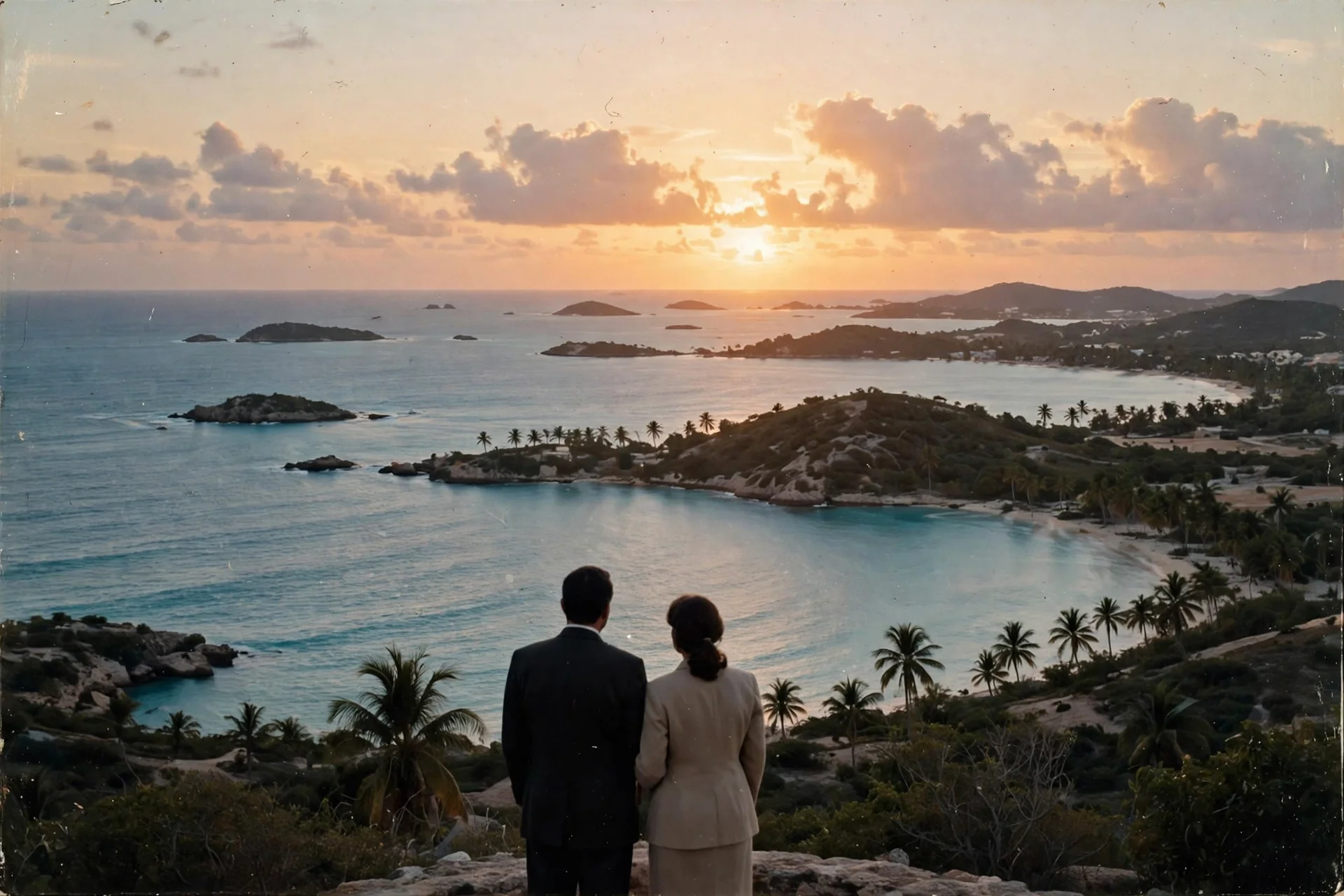
A May video from San Andrés was presented as a current trip
A video of President Abelardo de la Espriella and First Lady Ana Lucía Pineda in San Andrés, recorded on May 1, 2026, circulated on October 24 as if it were a…
The San Andrés video was from May, not a current trip
The video of the presidential couple in San Andrés that circulated on October 24 as a recent trip had been recorded and published on May 1, 2026.
--- The context ---
Colombia remains focused on reconstruction after the earthquake of August 10, which left thousands of families affected. In that climate, any image linked to the presidential couple is examined closely, and conversation on social media escalates within hours when a post presents material without clarifying when it was recorded.
--- The facts ---
On Saturday, October 24, a video of President Abelardo de la Espriella and First Lady Ana Lucía Pineda on the island of San Andrés circulated on social media, presented as if it showed a recent leisure trip. The post that spread it that way was deleted, but by then the material already circulated widely.
Verification of its origin produced the decisive fact: the video was not current. It had been recorded and originally published on May 1, 2026, on the couple's official accounts. The images predated even the August earthquake and did not show any getaway after the disaster, as many who reacted had assumed.
--- The positions ---
Former senator María José Pizarro questioned the spread of the images and directed her criticism at the management of aid for those affected, arguing that many families are still sleeping in tents and schools remain destroyed while a romantic moment of the couple is displayed.
Cartoonist Julio César González, known as Matador, reacted with irony to the island scene and asked where the money raised to respond to the earthquake emergency for those affected has gone.
Congressman Alejandro Ocampo linked the images to budget complaints and stated that, 75 days after the earthquake, thousands of families are still waiting for a housing solution, many of them in tents. He also maintained that the first lady's foundation reported aid in tons without specifying how much money it received, and that his information request went unanswered.
Activist Manuel Andrés Zamudio questioned the standard applied to leaders and compared the reaction with the one a former president would have received.
--- What remains unknown ---
There is still no detailed public accounting that settles the underlying debate: the state of reconstruction, the situation of the families in tents, and the destination of the funds gathered to mitigate the earthquake's impact. Those data would allow a serious evaluation of the disaster response, separate from the controversy over an old image.
--- Unanswered questions ---
When will a complete and verifiable accounting of the donations received and their destination be published? How many families are still sleeping in tents, and what concrete timelines exist for their housing solution? What response will the formal information requests about aid and reconstruction receive?
--- EPM analysis ---
The episode shows two levels that should not be confused. The first is factual: a video from May was presented in October as a current trip, and that incorrect presentation fed a wave of criticism built on a false premise. The second is the legitimate debate about reconstruction and aid transparency, which deserves answers with figures, not conclusions drawn from an image stripped of its date.
📌 EPM Take:
In EPM's view, the starting point of any judgment must be the material's real date: the video was from May, and presenting it as a current trip was an error that distorted public debate. Correcting that fact does not close the underlying conversation, because reconstruction after the earthquake and accountability for donations are serious matters that require complete and verifiable information. Citizen scrutiny grows stronger when it rests on proven facts, and loses precision when it is born from an image taken out of context.
--- The context ---
After the August 10 earthquake, public attention in Colombia is fixed on reconstruction and on the situation of thousands of affected families. In such a climate, accuracy matters twice over: an image presented without its correct date can turn into an accusation within hours, before anyone verifies when the material was recorded.
--- The facts ---
On Saturday, October 24, a video of President Abelardo de la Espriella and First Lady Ana Lucía Pineda in San Andrés spread on social media, presented as a current leisure trip. The original post was deleted, but the video already circulated among users and political figures who discussed it as if it were recent.
Checking its origin clarified the central point: the video had been recorded and originally published on May 1, 2026, on the couple's official accounts. It was not a trip after the earthquake or a scene of leisure in the middle of the emergency, but old content that resurfaced months later without clarifying its date.
--- The positions ---
Former senator María José Pizarro expressed her annoyance at the images and focused her criticism on those affected, stating that families sleep in tents and schools are destroyed while a romantic moment of the couple is shown.
Cartoonist Julio César González, known as Matador, responded ironically to the scene and asked about the whereabouts of the resources raised for the earthquake emergency.
Congressman Alejandro Ocampo connected the images to budget complaints and pointed out that, 75 days after the earthquake, thousands of families are still waiting for a housing solution, many in tents. He added that the first lady's foundation reported aid in tons without saying how much money it received, and that his formal information request was not answered.
Activist Manuel Andrés Zamudio questioned the yardstick used for each leader and suggested the reaction would have been different with a former president.
--- What remains unknown ---
The underlying debate remains open and requires data: the progress of reconstruction, the situation of the families in tents, and the destination of the funds destined for the emergency. Without those figures, discussion risks revolving around images rather than verifiable results.
--- Unanswered questions ---
Where is the complete detail of the donations received and how they have been used published? What is the verifiable timeline for families still in tents to gain access to housing? When will the formal information requests about the aid delivered after the earthquake be answered?
--- EPM analysis ---
Verifying before judging is not a formality: it is the difference between a debate with data and a condemnation based on a date error. Here the proven fact is that the video was old, and building on it the image of a leader on vacation in the middle of an emergency does not hold up. A different and legitimate matter is demanding clear accounts on reconstruction, something that grows stronger with documents, not decontextualized material.
📌 EPM Take:
In EPM's view, this case should be read through verification: the San Andrés video was from May, not a current trip, and no serious criticism can rest on presenting it as recent. Defending the accuracy of the facts does not prevent citizen oversight; on the contrary, it makes it more solid. Reconstruction after the earthquake and the handling of donations deserve permanent scrutiny and documented answers, but that debate gains credibility when it starts from true data and loses force when it feeds on a confusion of dates.
Un video de mayo en San Andrés fue presentado como viaje actual
Un video del presidente Abelardo de la Espriella y la primera dama Ana Lucía Pineda en San Andrés, grabado el 1 de mayo de 2026, circuló el 24 de octubre como…
El video de San Andrés era de mayo, no un viaje actual
El video de la pareja presidencial en San Andrés que circuló el 24 de octubre como un viaje reciente había sido grabado y publicado el 1 de mayo de 2026.
--- El contexto ---
Colombia sigue pendiente de la reconstrucción tras el terremoto ocurrido el 10 de agosto, que dejó a miles de familias damnificadas. En ese ambiente, cualquier imagen de la pareja presidencial se lee con lupa, y la conversación en redes sociales escala en horas si un material se presenta sin su fecha real.
--- Los hechos ---
El sábado 24 de octubre circuló en redes sociales un video del presidente Abelardo de la Espriella y la primera dama Ana Lucía Pineda en la isla de San Andrés, presentado como un viaje de descanso reciente. La publicación fue eliminada, pero para entonces el material ya circulaba ampliamente.
La verificación del origen mostró un dato decisivo: el video no era actual. Había sido grabado y publicado originalmente el 1 de mayo de 2026 en las cuentas oficiales de la pareja. Las imágenes precedían incluso al terremoto de agosto y no correspondían a ninguna escapada posterior al desastre.
--- Las posiciones ---
La exsenadora María José Pizarro cuestionó la difusión de las imágenes y centró sus reparos en las ayudas, al señalar que muchas familias siguen durmiendo en carpas y que hay colegios destruidos mientras se exhibe un momento romántico de la pareja.
El caricaturista Julio César González, conocido como Matador, celebró con ironía la escena en la isla y preguntó dónde está el dinero recolectado para atender la emergencia de los damnificados del terremoto.
El congresista Alejandro Ocampo vinculó las imágenes con los reclamos presupuestales y afirmó que, a 75 días del terremoto, miles de familias siguen esperando vivienda, muchas en carpas. También sostuvo que la fundación de la primera dama reportó ayudas en toneladas sin precisar cuánto dinero recibió, y que un derecho de petición suyo no obtuvo respuesta.
El activista Manuel Andrés Zamudio cuestionó el rasero con el que se juzga a los mandatarios y comparó la reacción con la que habría recibido un expresidente.
--- Lo que falta saber ---
Todavía no hay un balance público detallado que cierre el debate de fondo: el estado de la reconstrucción, la situación de las familias en carpas y el destino de los fondos reunidos para mitigar el impacto del terremoto. Esos datos separarían la polémica de una imagen antigua de la evaluación seria de la respuesta.
--- Preguntas sin respuesta ---
¿Cuándo se publicará un balance completo y verificable de las donaciones recibidas y de su destino? ¿Cuántas familias siguen durmiendo en carpas y qué plazos concretos existen para su solución de vivienda? ¿Qué respuesta recibirán los derechos de petición presentados sobre las ayudas y la reconstrucción?
--- Análisis EPM ---
El episodio muestra dos planos que no deben confundirse. El primero es factual: un video de mayo fue presentado en octubre como un viaje actual, y alimentó críticas construidas sobre una premisa falsa. El segundo es el debate legítimo sobre la reconstrucción y la transparencia de las ayudas, que merece respuestas con cifras, no conclusiones sacadas de una imagen fuera de fecha.
📌 Conclusion EPM:
A juicio de EPM, el punto de partida de cualquier juicio debe ser la fecha real del material: el video era de mayo y presentarlo como un viaje actual fue un error que distorsionó el debate público. Corregir ese dato no cierra la conversación de fondo, porque la reconstrucción tras el terremoto y la rendición de cuentas sobre las donaciones son asuntos serios que exigen información completa y verificable. La exigencia ciudadana gana fuerza cuando se apoya en hechos comprobados, y pierde precisión cuando nace de una imagen descontextualizada.
--- El contexto ---
Tras el terremoto del 10 de agosto, la atención pública está puesta en la reconstrucción y en miles de familias damnificadas. En un clima así, la precisión importa el doble: una imagen sin su fecha correcta puede convertirse en acusación en horas, antes de que nadie verifique de cuándo es.
--- Los hechos ---
El sábado 24 de octubre se difundió en redes sociales un video del presidente Abelardo de la Espriella y la primera dama Ana Lucía Pineda en San Andrés, presentado como un viaje de descanso actual. La publicación original fue eliminada, pero el video ya circulaba entre usuarios y dirigentes que lo comentaban como si fuera reciente.
La comprobación del origen aclaró el punto central: el video había sido grabado y publicado originalmente el 1 de mayo de 2026 en las cuentas oficiales de la pareja. No era un viaje posterior al terremoto ni una escena de ocio en plena emergencia, sino un contenido antiguo que reapareció meses después sin aclarar su fecha.
--- Las posiciones ---
La exsenadora María José Pizarro expresó su molestia por las imágenes y centró sus reparos en los damnificados, al afirmar que hay familias durmiendo en carpas y colegios destruidos mientras se muestra un momento romántico de la pareja presidencial.
El caricaturista Julio César González, conocido como Matador, ironizó sobre la escena y preguntó por el paradero de los recursos recolectados para atender la emergencia del terremoto.
El congresista Alejandro Ocampo relacionó las imágenes con reclamos presupuestales y señaló que, a 75 días del terremoto, miles de familias siguen esperando vivienda, muchas en carpas. Añadió que la fundación de la primera dama informó ayudas en toneladas sin decir cuánto dinero recibió, y que su derecho de petición no fue respondido.
El activista Manuel Andrés Zamudio cuestionó la vara con la que se mide a cada mandatario y planteó que la reacción habría sido distinta con un expresidente.
--- Lo que falta saber ---
El debate de fondo sigue abierto y requiere datos: el avance de la reconstrucción, la situación de las familias en carpas y el destino de los fondos destinados a la emergencia. Sin esas cifras, la discusión gira alrededor de imágenes y no de resultados comprobables.
--- Preguntas sin respuesta ---
¿Dónde está publicado el detalle completo de las donaciones recibidas y de cómo se han usado? ¿Cuál es el cronograma verificable para que las familias que siguen en carpas accedan a una vivienda? ¿Cuándo se responderán formalmente los derechos de petición sobre las ayudas entregadas tras el terremoto?
--- Análisis EPM ---
Verificar antes de juzgar no es un formalismo: es la diferencia entre un debate con datos y una condena basada en un error de fecha. El hecho comprobado es que el video era antiguo, y construir sobre él la imagen de un mandatario de vacaciones en plena emergencia no se sostiene. Pedir cuentas claras sobre la reconstrucción es otra cosa, legítima, y se fortalece con documentos, no con materiales descontextualizados.
📌 Conclusion EPM:
A juicio de EPM, este caso debe leerse desde la verificación: el video de San Andrés era de mayo, no un viaje actual, y ninguna crítica seria puede apoyarse en presentarlo como reciente. Defender la exactitud de los hechos no impide el control ciudadano; al contrario, lo hace más sólido. La reconstrucción tras el terremoto y el manejo de las donaciones merecen escrutinio permanente y respuestas documentadas, pero ese debate gana credibilidad cuando parte de datos ciertos y pierde fuerza cuando se alimenta de una confusión de fechas.