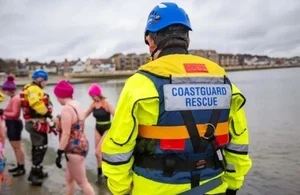
Maritime and Coastguard Agency, via GOV.UK (Open Government Licence)
MCA recognises GMB to represent Coastguard Rescue Officers
The Maritime and Coastguard Agency and the GMB Union have signed a recognition agreement covering Coastguard Rescue Officers, committing both sides to early…
MCA and GMB sign orderly framework for Coastguard Rescue Officers
The Maritime and Coastguard Agency and GMB have formalised a recognition agreement covering Coastguard Rescue Officers that sets clear rules for dialogue and…
--- The context ---
Coastguard Rescue Officers, known as CROs, serve within the Coastguard Rescue Service and support the Maritime and Coastguard Agency, the MCA, in its work to save lives, assist those in distress and protect communities around the coastline of the United Kingdom, a contribution that the agency itself formally recognises.
--- The facts ---
The MCA and the GMB Union have formally entered into a Recognition Agreement covering CROs, reflecting what the announcement describes as a shared commitment to constructive industrial relations based on openness and engagement between the two organisations.
The agreement sets out how both sides will work together on matters affecting those covered, helping to ensure their views are represented while supporting the continued delivery of a professional and effective Coastguard Rescue Service, and it provides a foundation for ongoing partnership and for that representation.
--- The positions ---
Virginia McVea, Chief Executive of the MCA, said in reported terms that the agreement marks an important milestone in the relationship with GMB, that it reflects a shared commitment to constructive engagement and meaningful dialogue, and that the agency values the role unions play in representing and supporting CROs. Nicola Savage, GMB National Officer, said in reported terms that the deal is historic, that CROs will for the first time have a genuine voice to fight their corner, that they forged something positive in the face of adversity, and that their experience shows what workers accomplish when they stick together.
--- What remains unknown ---
The announcement does not specify which matters will be addressed first under the new framework, nor how it will be measured in practice whether the views of CROs are genuinely represented in each consultation as the partnership develops.
--- Unanswered questions ---
Which matters will be handled first under this agreement? How will anyone verify that the views of CROs truly shape decisions? What will change in the daily work of coastguard rescue teams?
--- EPM analysis ---
The significance of the deal lies in the formal recognition of collective representation for people whose work saves lives, presented by both sides as the product of early engagement, effective consultation and constructive dialogue rather than pressure from one side alone.
📌 EPM Take: In EPM's view, the agreement matters because it puts in writing the standing of those who rescue people along the coast and gives them a formal channel to be heard, something the union itself describes as unprecedented for this group. Its real test will not be the signing, but steady early consultation, views that visibly lead to improvements, and a service that keeps its professional standard while this new voice settles into the institution and earns trust over time.
--- The context ---
The Coastguard Rescue Service carries a visible share of the work of the Maritime and Coastguard Agency, the MCA, around the coastline of the United Kingdom, where Coastguard Rescue Officers, the CROs, help to save lives, assist those in distress and protect coastal communities, a contribution the agency expressly recognises.
--- The facts ---
The MCA and the GMB Union have formally entered into a Recognition Agreement covering CROs, presented as the expression of a shared commitment to constructive industrial relations founded on openness and engagement between the two signatory organisations.
The framework establishes how both parties will work together on matters affecting those covered, seeking to ensure their views are represented while the delivery of a professional and effective service continues, and it clarifies that, for civil servants, it does not impact the current arrangements with the Prospect, PCS and FDA trade unions.
--- The positions ---
Virginia McVea, Chief Executive of the MCA, indicated in reported terms that the agreement marks an important milestone in the relationship with GMB, that it reflects a shared commitment to constructive engagement and meaningful dialogue, and that the agency values the union role in representing and supporting CROs. Nicola Savage, GMB National Officer, stated in reported terms that the deal is historic, that CROs will have a genuine voice for the first time to fight their corner, that they built something positive despite adversity, and that their experience shows what unity can achieve.
--- What remains unknown ---
The timetable for putting the agreement into practice is not yet known, nor are the first subjects that will pass through joint consultation, nor how it will be assessed over time whether the agreed representation works as both parties expect.
--- Unanswered questions ---
When will the agreement begin to apply in everyday practice? Which subjects will open the consultation agenda between the MCA and GMB? How will anyone know whether representation is improving the service?
--- EPM analysis ---
The signing puts a relationship on a written and predictable footing, with clear rules for dialogue and consultation, a prudent approach that protects the continuity of an essential service and that, under the agreed terms, coexists unchanged with the arrangements of other civil service unions.
📌 EPM Take: In EPM's view, the strongest feature of the agreement is its institutional clarity, because it sets down in writing how the agency and the union will talk, what representation CROs will have and what stays outside its scope, without touching the arrangements with Prospect, PCS and FDA. That precision reduces future friction and protects the continuity of coastguard rescue, although its final value will depend on early consultation being honoured with discipline and on the promised dialogue holding when disagreements arise.
La MCA reconoce a GMB para representar a los rescatistas costeros
La Maritime and Coastguard Agency y el sindicato GMB han firmado un acuerdo de reconocimiento que cubre a los Coastguard Rescue Officers, con compromiso de…
MCA y GMB firman un marco ordenado para los rescatistas costeros
La Maritime and Coastguard Agency y GMB han formalizado un acuerdo de reconocimiento sobre los Coastguard Rescue Officers que fija reglas de diálogo y…
--- El contexto ---
Los Coastguard Rescue Officers, conocidos por sus siglas CROs, forman parte del Coastguard Rescue Service y apoyan el trabajo de la Maritime and Coastguard Agency, la MCA, para salvar vidas, asistir a personas en apuros y proteger a las comunidades del litoral del Reino Unido.
--- Los hechos ---
La MCA y el sindicato GMB han firmado formalmente un acuerdo de reconocimiento que cubre a los CROs y que refleja, según el texto difundido, un compromiso compartido con unas relaciones laborales constructivas, basadas en la apertura y en la implicación entre ambas organizaciones.
El acuerdo fija cómo trabajarán juntas ambas partes en los asuntos que afecten a las personas cubiertas, para que sus puntos de vista queden representados y se apoye un servicio profesional y eficaz, y sirve de base para la colaboración continuada.
--- Las posiciones ---
Virginia McVea, directora ejecutiva de la MCA, señaló en términos indirectos que el acuerdo supone un hito importante en la relación con GMB, que refleja un compromiso compartido con la implicación constructiva y el diálogo con sentido, y que la agencia valora el papel de los sindicatos al representar y apoyar a los CROs. Nicola Savage, responsable nacional de GMB, sostuvo en indirecto que se trata de un acuerdo histórico, que por primera vez los CROs tendrán una voz genuina para defender su posición, que han forjado algo positivo pese a la adversidad y que el resultado muestra lo que los trabajadores logran cuando se mantienen unidos.
--- Lo que falta saber ---
El texto no detalla qué asuntos se tratarán primero ni cómo se medirá que la voz de los CROs quede representada en cada consulta, por lo que su alcance real se conocerá al aplicarse.
--- Preguntas sin respuesta ---
¿Qué asuntos serán los primeros en tratarse bajo este acuerdo? ¿Cómo se comprobará que las opiniones de los CROs influyen de verdad en las decisiones? ¿Qué cambiará en el día a día de los equipos de rescate costero?
--- Análisis EPM ---
El valor del pacto está en el reconocimiento formal de la representación colectiva de un colectivo dedicado a salvar vidas, presentado por ambas partes como fruto del diálogo temprano, la consulta eficaz y la conversación constructiva, y no como una imposición de una sola parte.
📌 Conclusion EPM: A juicio de EPM, el acuerdo gana importancia porque reconoce por escrito el peso de quienes rescatan en la costa y les da un canal formal para ser escuchados, algo que el propio sindicato describe como inédito para este colectivo. Su prueba verdadera no estará en la firma, sino en la consulta temprana y constante, en que las opiniones recogidas se traduzcan en mejoras visibles y en que el servicio mantenga su nivel profesional mientras esa nueva voz se consolida dentro de la institución.
--- El contexto ---
El Coastguard Rescue Service sostiene una parte visible del trabajo de la Maritime and Coastguard Agency, la MCA, en el litoral del Reino Unido, donde los Coastguard Rescue Officers, los CROs, ayudan a salvar vidas y protegen a las comunidades costeras.
--- Los hechos ---
La MCA y el sindicato GMB han entrado formalmente en un acuerdo de reconocimiento que cubre a los CROs, presentado como expresión de un compromiso compartido con unas relaciones laborales constructivas, fundadas en la apertura y en la implicación entre las dos organizaciones firmantes.
El marco establece cómo colaborarán ambas partes en los asuntos que afecten al personal cubierto, buscando que sus puntos de vista estén representados y que se mantenga la prestación de un servicio profesional y eficaz, y aclara que, para el personal funcionario, no altera los arreglos vigentes con los sindicatos Prospect, PCS y FDA.
--- Las posiciones ---
Virginia McVea, directora ejecutiva de la MCA, indicó en indirecto que el acuerdo marca un hito en la relación con GMB, que expresa un compromiso compartido con la implicación constructiva y el diálogo significativo, y que la agencia valora el papel sindical en la representación y el apoyo a los CROs. Nicola Savage, responsable nacional de GMB, afirmó en indirecto que el pacto es histórico, que los CROs dispondrán por primera vez de una voz genuina para defender lo suyo, que han construido algo positivo frente a la adversidad y que su experiencia demuestra lo que se consigue con unidad.
--- Lo que falta saber ---
Todavía no se conoce el calendario de aplicación ni los primeros temas de la consulta conjunta, ni cómo se evaluará si la representación funciona como ambas partes esperan.
--- Preguntas sin respuesta ---
¿Cuándo empezará a aplicarse el acuerdo en la práctica cotidiana? ¿Qué temas abrirán la agenda de consulta entre la MCA y GMB? ¿Cómo se sabrá si la representación mejora las condiciones del servicio?
--- Análisis EPM ---
La firma ordena una relación que ahora queda escrita y previsible, con reglas claras de diálogo y consulta, un enfoque prudente que protege la continuidad de un servicio esencial y que, según lo pactado, convive sin cambios con los arreglos de otros sindicatos del personal funcionario.
📌 Conclusion EPM: A juicio de EPM, lo más sólido del acuerdo es su claridad institucional, porque fija por escrito cómo se hablarán la agencia y el sindicato, qué representación tendrán los CROs y qué queda fuera de su alcance, sin tocar los arreglos con Prospect, PCS y FDA. Esa precisión reduce fricciones futuras y protege la continuidad del rescate costero, aunque su valor final dependerá de que la consulta temprana se cumpla con disciplina y de que el diálogo prometido se mantenga también cuando surjan desacuerdos.