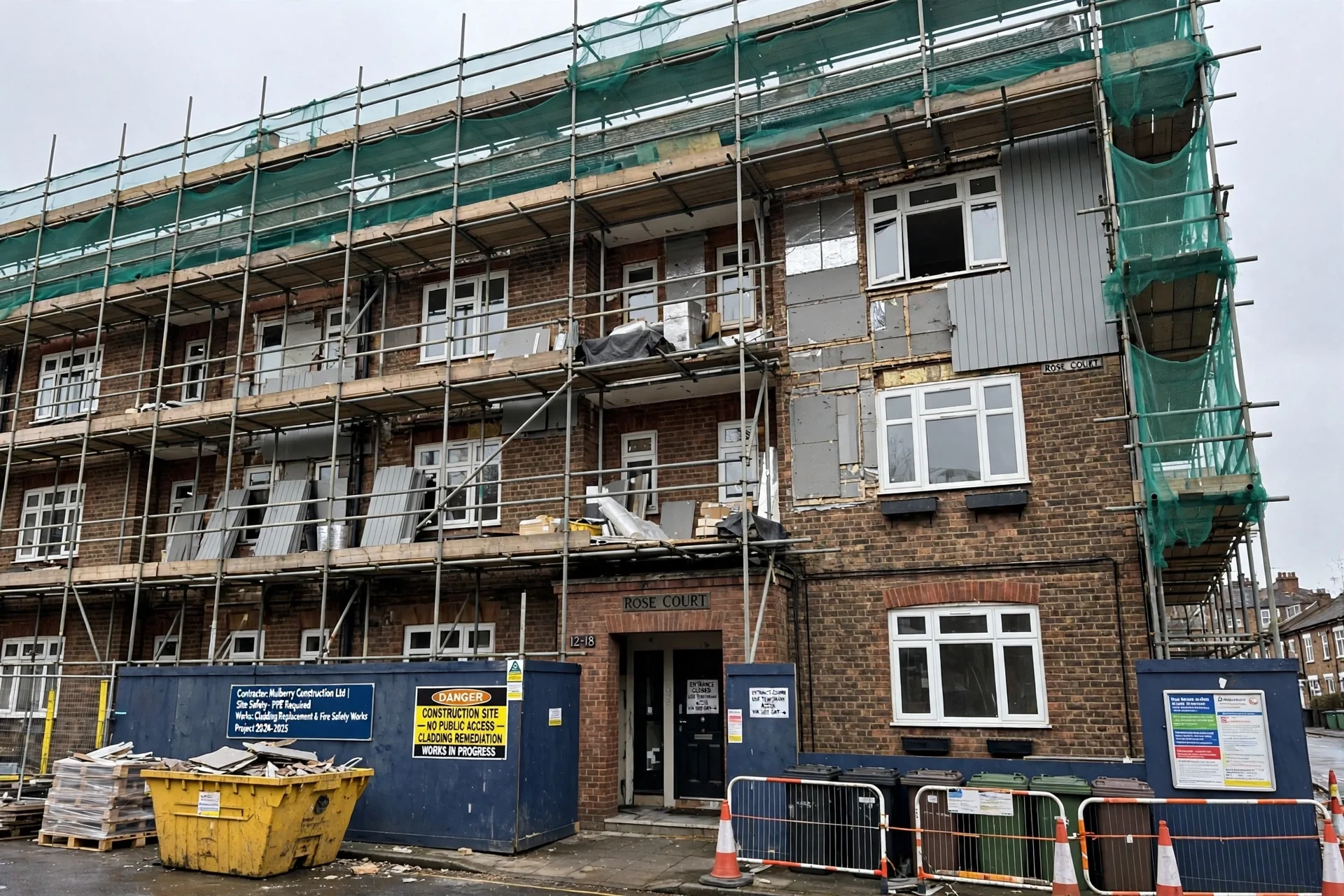
More leaseholders protected from bills for unsafe buildings
The British Government proposes extending protection to leaseholders currently left out because of their form of ownership or who owned their flat on 14…
Legal duty and fines to force repairs to unsafe buildings
The Bill presented in Parliament places a legal duty on those responsible to fix unsafe buildings, with criminal penalties and fines of up to £500,000, public…
--- The context ---
Owning a flat should mean security, but many long leaseholders fear a huge bill for building and fire safety defects they did not cause. Current rules already protect many people from historic defects, but the Government itself acknowledges that some fall through the gaps because of their building's form of ownership, leaving blameless households exposed to paying for other people's failures while their home remains unsafe.
That inequality is hard to justify: neighbours with similar defects are treated differently depending on who owned the flat on one specific date or on the building's structure.
--- The facts ---
Housing Secretary Angela Rayner announced proposals to help more leaseholders at risk of high bills to fix serious building and fire safety defects. Support will be extended to collectively owned and enfranchised buildings, and a new scheme will make construction product manufacturers contribute towards the cost of putting unsafe buildings right. For the first time, the Government will have powers to recover those contributions at scale.
The proposals were presented in Parliament during the second reading of the Remediation of Unsafe Cladding Bill, The Bill sets a legal duty to remediate, criminal penalties and fines of up to £500,000, and allows authorities to step in where those responsible repeatedly refuse to act.
Three groups are targeted. First, people who buy a flat as their only home but miss out because protection depends on who owned it on 14 February 2022. Second, leaseholders in collectively owned buildings, with no separate freeholder and not covered by the Building Safety Act, with new public funding for internal high-risk and high-cost defects. Third, owners of multiple properties with non-cladding defects, as the limit rises from three to six properties.
--- The positions ---
Building Safety Minister Baroness Blake argued, in attributed indirect remarks, that the measures go further to protect more homeowners from unfair costs and to make construction product manufacturers contribute towards putting things right. On that view, new powers to force those responsible to fix unsafe buildings should give residents the safety and security they deserve.
--- What remains unknown ---
The eligibility and funding details of the new protections are still unknown, as is how the manufacturer scheme will work. The Government indicated that they will be introduced later as the Bill passes through Parliament or published alongside it.
--- Unanswered questions ---
How many households will truly fall inside the protection once eligibility criteria are published? Will the funding be enough for the most expensive internal defects in collectively owned buildings? How will each manufacturer's contribution be calculated, and how long will recovery take? What will happen to people who already paid high bills before this takes effect?
--- EPM analysis ---
The strength of the proposal lies in recognising that protection cannot depend on an administrative accident, such as the identity of the owner on a past date or a building's legal structure. Closing these gaps corrects a concrete injustice. Yet without criteria or a timetable, the promise remains half finished for indebted households.
📌 EPM Take: In EPM's view, extending protection to later buyers, collectively owned buildings and owners of up to six properties corrects real inequalities in the current system and shifts part of the cost to manufacturers linked to unsafe products. That direction is fair, but its credibility will depend on the details still missing: clear eligibility, sufficient funding and verifiable deadlines. Without those pieces, the announced relief will remain an expectation for households that have already waited far too long for a definitive, safe solution.
--- The context ---
When a building is unsafe, someone has to answer for it, and it should not automatically be the owner who bought in good faith. The underlying debate is about responsibility: manufacturers linked to historic unsafe cladding and insulation, parties obliged to remediate, and authorities equipped to act when nobody moves. Current rules protect many leaseholders, but leave gaps for forms of ownership not covered by the law, gaps now proposed to be narrowed.
Without an enforceable duty, works are delayed and the bill hunts for the weakest link; hence the Bill combines manufacturer contributions, sanctions and public intervention.
--- The facts ---
Housing Secretary Angela Rayner announced extended support for more leaseholders at risk of high bills for serious building and fire safety defects, including those in collectively owned and enfranchised buildings. A new scheme will make construction product manufacturers contribute towards the cost of putting unsafe buildings right, and for the first time the Government will have powers to recover contributions from manufacturers at scale.
The proposals were unveiled during the second reading in Parliament of the Remediation of Unsafe Cladding Bill. The Bill places a legal duty on those responsible to fix unsafe buildings, provides for criminal penalties and fines of up to £500,000 for those who fail to act, and allows authorities to step in and complete the work amid persistent refusals.
The measures target three cases. First, people who buy a flat as their only home but lose protection because of the previous owner's circumstances, since the test depends on who owned the flat on 14 February 2022. Second, leaseholders in collectively owned buildings, with no separate freeholder and outside the Building Safety Act, with public funding for internal high-risk and high-cost defects. Third, owners of multiple properties with non-cladding defects, whose limit rises from three to six properties.
--- The positions ---
Building Safety Minister Baroness Blake defended, in attributed indirect remarks, the claim that the measures protect more homeowners from unfair costs and make manufacturers contribute towards remediation. The Government thus places the burden on whoever must remediate or manufactured the product, not on the resident.
--- What remains unknown ---
The details that will decide whether the scheme works are missing: eligibility, concrete funding and the operating design of manufacturer contributions, to be introduced later in the parliamentary process or published alongside the Bill.
--- Unanswered questions ---
What evidence will have to be gathered before manufacturers and responsible parties are required to pay? Will fines of up to £500,000 be applied quickly when work stalls without justification? Who will bear the upfront cost while industry contributions are recovered? What guarantees will there be that public intervention does not become another slow procedure?
--- EPM analysis ---
The strongest element of the Bill turns an expectation into an obligation: a legal duty, criminal sanctions and a substantial fine form a framework that previously depended too much on goodwill. Recovering money from manufacturers at scale also corrects the incentive of socialising losses. The risk is execution: recovery bogged down in disputes would leave the duty on paper.
📌 EPM Take: In EPM's view, the decisive part of these proposals is not the support but the enforceability: a legal duty to remediate, fines of up to £500,000 and cost recovery from manufacturers linked to unsafe products. That ordering of responsibility is the right one and should be applied without delay. Even so, the announced firmness will have to be proven in the eligibility, funding and execution details; without fast, clear mechanisms, the law risks promising toughness and delivering slowness.
Más arrendatarios protegidos frente a facturas por edificios inseguros
El Gobierno británico propone ampliar la protección a arrendatarios que hoy quedan fuera por la forma de propiedad o por quién era dueño el 14 de febrero de…
Deber legal y multas para obligar a reparar edificios inseguros
El proyecto presentado en el Parlamento impone a los responsables un deber legal de reparar edificios inseguros, con sanciones penales y multas de hasta…
--- El contexto ---
Vivir en un piso debería significar seguridad, pero muchos arrendatarios de larga duración temen una factura enorme por defectos de construcción y de seguridad contra incendios que no provocaron. Las reglas vigentes ya protegen a muchos frente a fallos históricos, pero el propio Ejecutivo reconoce que algunas personas quedan fuera por la forma de propiedad de su edificio, expuestas a pagar por problemas ajenos mientras su vivienda sigue sin ser segura.
Esa desigualdad es difícil de justificar: vecinos con defectos parecidos reciben trato distinto según quién era dueño en una fecha concreta o según la estructura del edificio.
--- Los hechos ---
La secretaria de Vivienda, Angela Rayner, anunció propuestas para ayudar a más arrendatarios expuestos a facturas elevadas por corregir defectos graves. El apoyo se extenderá a edificios de propiedad colectiva, y un nuevo esquema hará que los fabricantes de productos de construcción contribuyan al coste de reparar edificios inseguros. Por primera vez, el Gobierno tendrá poderes para recuperar esas contribuciones a gran escala.
Las propuestas se presentaron en el Parlamento en la segunda lectura del proyecto de ley sobre reparación de revestimientos inseguros, El texto plantea un deber legal de reparar, sanciones penales y multas de hasta 500.000 libras, y permite que las autoridades intervengan cuando los responsables se nieguen reiteradamente.
Hay tres grupos beneficiados. Primero, quienes compran un piso como única vivienda pero quedan fuera porque la protección depende de quién era dueño el 14 de febrero de 2022. Segundo, arrendatarios en edificios colectivos, sin propietario separado y no cubiertos por la ley de seguridad en la edificación, con financiación pública nueva para defectos internos de alto riesgo y alto coste. Tercero, propietarios con varias viviendas y defectos ajenos al revestimiento, al elevarse el límite de tres a seis propiedades.
--- Las posiciones ---
La ministra de Seguridad en la Edificación, Baroness Blake, sostuvo en términos atribuidos que se va más lejos para proteger a más propietarios de costes injustos y para que los fabricantes contribuyan a corregir lo que está mal. Según esa posición, las nuevas facultades para obligar a los responsables a reparar deben dar a los residentes la seguridad que merecen.
--- Lo que falta saber ---
No se conocen aún los detalles de elegibilidad y financiación de las nuevas protecciones, ni cómo funcionará el esquema de fabricantes. El Ejecutivo indicó que se introducirán más adelante en el trámite parlamentario o se publicarán junto al proyecto.
--- Preguntas sin respuesta ---
¿Cuántos hogares quedarán realmente dentro cuando se publiquen los criterios de elegibilidad? ¿Alcanzará la financiación para los defectos internos más caros en edificios colectivos? ¿Cómo se calculará la contribución de cada fabricante y cuánto tardará en recuperarse? ¿Qué ocurrirá con quienes ya pagaron facturas elevadas antes de que esto entre en vigor?
--- Análisis EPM ---
El valor de la propuesta está en reconocer que la protección no puede depender de un accidente administrativo, como la identidad del dueño en una fecha pasada o la estructura jurídica del edificio. Cerrar estas brechas corrige una injusticia concreta. Pero sin criterios ni calendario, la promesa queda a mitad para hogares ya endeudados.
📌 Conclusion EPM: A juicio de EPM, ampliar la protección a compradores posteriores, edificios colectivos y propietarios de hasta seis viviendas corrige desigualdades reales del sistema vigente y traslada parte del coste a los fabricantes vinculados a productos inseguros. Esa dirección es justa, pero su credibilidad dependerá de los detalles que aún faltan: elegibilidad clara, financiación suficiente y plazos verificables. Sin esas piezas, el alivio anunciado seguirá siendo una expectativa para hogares que ya han esperado demasiado tiempo una solución definitiva y segura.
--- El contexto ---
Cuando un edificio es inseguro, alguien tiene que responder, y no debería ser automáticamente el propietario que compró de buena fe. El debate es de responsabilidad: fabricantes vinculados a revestimientos y aislamientos históricos inseguros, responsables obligados a reparar y autoridades con instrumentos para actuar cuando nadie mueve ficha. Las reglas actuales protegen a muchos, pero dejan huecos por formas de propiedad no cubiertas que ahora se propone estrechar.
Sin un deber exigible, las obras se retrasan y la factura busca al eslabón más débil; por eso el proyecto combina contribución de fabricantes, sanciones e intervención pública.
--- Los hechos ---
La secretaria de Vivienda, Angela Rayner, anunció la extensión del apoyo a más arrendatarios con riesgo de facturas altas por defectos graves, incluidos los de edificios de propiedad colectiva. Un nuevo esquema hará que los fabricantes de productos de construcción contribuyan al coste de poner en orden los edificios inseguros, y por primera vez el Gobierno dispondrá de poderes para recuperar esas contribuciones a gran escala.
Las propuestas se desvelaron en la segunda lectura parlamentaria del proyecto de ley sobre reparación de revestimientos inseguros. El texto impone a los responsables un deber legal de corregir los edificios, prevé sanciones penales y multas de hasta 500.000 libras para quienes no actúen, y habilita a las autoridades a intervenir y completar las obras ante negativas persistentes.
Las medidas apuntan a tres supuestos. Primero, quien compra un piso como única vivienda pero pierde la protección por las circunstancias del dueño anterior, porque el criterio depende de quién era dueño el 14 de febrero de 2022. Segundo, arrendatarios de edificios colectivos, sin propietario separado y fuera de la ley de seguridad en la edificación, con financiación pública para defectos internos de alto riesgo y alto coste. Tercero, propietarios de varias viviendas con defectos ajenos al revestimiento, cuyo límite sube de tres a seis propiedades.
--- Las posiciones ---
La ministra de Seguridad en la Edificación, Baroness Blake, defendió en declaraciones atribuidas que las medidas protegen a más propietarios de costes injustos y hacen contribuir a los fabricantes a la reparación. El Ejecutivo sitúa así la carga en quien debe reparar o fabricó el producto, no en el residente.
--- Lo que falta saber ---
Faltan los detalles que decidirán si el esquema funciona: elegibilidad, financiación concreta y funcionamiento de las aportaciones de los fabricantes, que se introducirán más adelante en el trámite parlamentario.
--- Preguntas sin respuesta ---
¿Qué pruebas deberán reunirse antes de exigir el pago a fabricantes y responsables? ¿Se aplicarán con rapidez las multas de hasta 500.000 libras cuando una obra se paralice sin justificación? ¿Quién asumirá el coste inicial mientras se recuperan las contribuciones? ¿Qué garantías habrá de que la intervención pública no se convierta en otro trámite lento?
--- Análisis EPM ---
Lo más sólido del proyecto es convertir una expectativa en obligación: deber legal, sanción penal y multa elevada forman un marco que antes dependía demasiado de la buena voluntad. Recuperar dinero de los fabricantes corrige el incentivo de socializar pérdidas. El riesgo es la ejecución: una recuperación atascada en disputas dejaría el deber en papel.
📌 Conclusion EPM: A juicio de EPM, la parte decisiva de estas propuestas no es la ayuda, sino la exigibilidad: deber legal de reparar, multas de hasta 500.000 libras y recuperación de costes a los fabricantes vinculados a productos inseguros. Ese orden de responsabilidades es el correcto y debería aplicarse sin dilaciones. Ahora bien, la firmeza anunciada deberá demostrarse en los detalles de elegibilidad, financiación y ejecución; sin mecanismos rápidos y claros, la norma corre el riesgo de prometer contundencia y entregar lentitud.