Timms Review closes its listening phase and prepares final report
The Timms Review co-chairs announce the end of evidence gathering on Britain's disability payment and the move to a final report, after 38,000 call responses…
Timms Review: disability payment reform enters its final stage
The review of Britain's disability payment ends its evidence phase and prepares final proposals.
--- The context ---
The review of Personal Independence Payment, known as PIP, is reaching its final stage in the United Kingdom. In an update letter signed by its co-chairs, the review explains that its steering group agreed that the payment should assist D/deaf and disabled people and people with long-term conditions to reduce the inequalities they face in participating in everyday life, through a contribution towards the extra costs of disability, whether or not someone is in work.
--- The facts ---
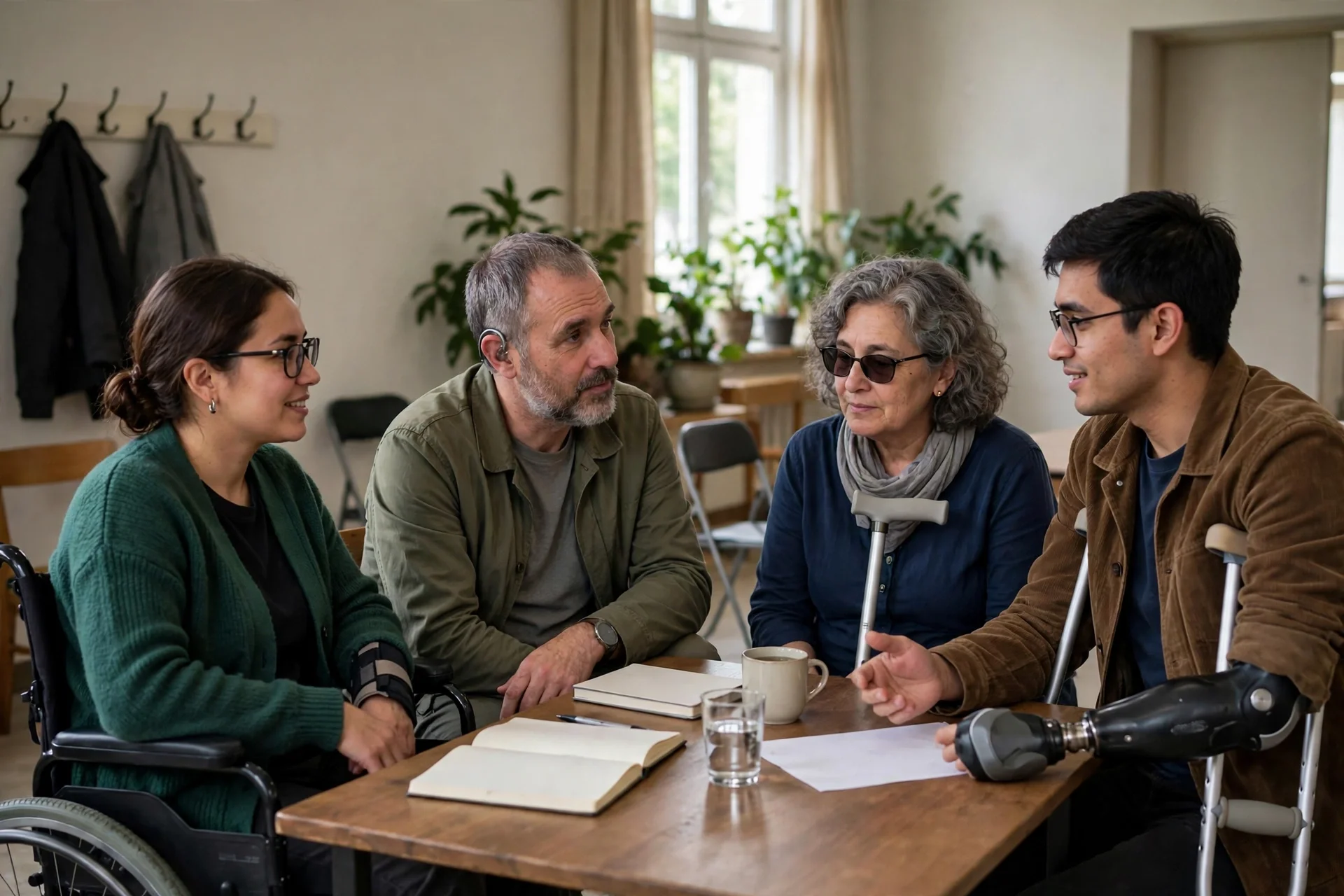
According to the letter, the 6 evidence gathering activities have now concluded. They included a call for evidence, analysis of existing data and research, a newly commissioned quantitative survey, workshop in a box sessions, evidence sessions with experts and workshops shaping the recommendations. The 38,000 responses to the call for evidence helped inform the interim report of the review.
--- The positions ---
The co-chairs, Dr Clenton Farquharson, Sharon Brennan and Sir Stephen Timms, convey in the letter that, based on what was heard, PIP is valued by many people but is regarded by the review as not fit for purpose. The letter adds that the experience of claiming it can be dehumanising and can create barriers to participation. It also thanks contributors for sharing lived experience alongside professional, academic and policy expertise.
Expert oral evidence was heard across 26 sessions, alongside a survey of almost 2,000 disabled people. Since September, the emerging recommendations have been tested with over 200 people in workshops across the country and at roundtables with over 40 D/deaf and disabled people organisations, charities, think tanks and academics, according to the letter, where participants challenged, reinforced or corrected the thinking behind the proposals.
--- What remains unknown ---
The letter is the last from the co-chairs before the final report. The report will be submitted to the Secretary of State this autumn and published on the official website, including in accessible formats. The immediate task, according to the letter, is to refine the recommendations using all the evidence heard and to co-produce proposals for change that are ambitious, practical and fair, and that meaningfully improve the lives of D/deaf and disabled people.
--- Unanswered questions ---
What concrete changes will the final report propose so that claiming the payment stops feeling dehumanising? What safeguards will the recommendations include where workshops identified risks or gaps? How will anyone measure whether the payment truly reduces inequalities in everyday participation?
--- EPM analysis ---
The strength of this letter lies in its shared diagnosis: it does not come from a closed office, but from tens of thousands of responses, expert sessions and workshops where participants questioned or corrected the initial ideas. That the review itself describes the current system as not fit for purpose sets the tone for the report ahead: the debate is no longer whether change is needed, but how to deliver it without building new barriers.
📌 EPM Take:
In EPM's view, the co-chairs' letter sets a high bar for the final report: after hearing 38,000 call responses, almost 2,000 survey participants and over 200 workshop participants, the proposals will have to show in practice that they understand the extra costs of disability and can fix a process described as dehumanising, with clear safeguards, practical application and fairness for people taking part in everyday life, in work and out of it alike, and for the organisations that helped test every proposal along the way.
--- The context ---
The review of Britain's Personal Independence Payment, known as PIP, is entering its concluding phase. In their update letter, the co-chairs report that the steering group agreed on the purpose of the payment: to assist D/deaf and disabled people and people with long-term conditions, reducing the inequalities they face in everyday life through a contribution towards the extra costs of disability, regardless of whether the person is in work or not.
--- The facts ---
The letter confirms that the 6 evidence gathering activities have concluded. They were a call for evidence, analysis of existing data and research, a newly commissioned quantitative survey, workshop in a box sessions, evidence sessions with experts and shaping recommendations workshops. The 38,000 responses received through the call for evidence informed the interim report and, according to the letter, painted a clear picture of how the payment works today.
--- The positions ---
Signed by Dr Clenton Farquharson, Sharon Brennan and Sir Stephen Timms, the letter states on behalf of the review that PIP is valued by many people but is not fit for purpose, and that claiming it can be dehumanising and can create barriers to participation. The co-chairs thank contributors for evidence from lived experience and from professional, academic and policy expertise, and acknowledge that those perspectives helped show both the strengths of the payment and where change may be needed.
The review heard oral evidence from experts across 26 sessions and a survey of almost 2,000 disabled people. Since September it has tested its emerging recommendations with over 200 people in workshops across the country and with over 40 organisations, charities, think tanks and academics at roundtables, where participants flagged risks and gaps.
--- What remains unknown ---
This is the last co-chair letter before the final report, which will be submitted to the Secretary of State this autumn and published on the official website, including in accessible formats. The stated task now is to refine the recommendations on the basis of all the evidence and co-produce ambitious, practical and fair proposals that meaningfully improve D/deaf and disabled people's lives, identifying where stronger safeguards or a different approach may be needed.
--- Unanswered questions ---
What concrete proposals will the final report bring, and what safeguards will accompany each one? How will the new design avoid a claiming process that keeps creating barriers to participation? What follow-up will check that the recommendations work in the real lives of people in very different situations?
--- EPM analysis ---
A credible reform needs two things this letter tries to demonstrate: a broad evidence base and practical testing of ideas before publication. The process combines a mass call for evidence, existing research from the disability sector, universities and government, and workshops where proposals were challenged and refined. The organisations that co-hosted workshops were not involved in developing the recommendations, a boundary that protects the independence of the exercise.
📌 EPM Take:
In EPM's view, the final report will be judged on its practicality: the 38,000 responses, the 26 expert sessions, the survey of almost 2,000 people and testing with over 200 participants and over 40 organisations give the review a broad base, but the proposals will only succeed if they are applicable, fair and safe, fix a process described as dehumanising and do not shift new burdens onto people already facing extra costs every single day of their lives.
La revisión Timms cierra su escucha y prepara su informe final
Los copresidentes de la revisión Timms anuncian el cierre de la recopilación de evidencia sobre el pago por discapacidad británico y el paso al informe final…
Revisión Timms: el pago por discapacidad entra en su recta final
La revisión del pago británico por discapacidad concluye su fase de evidencia y prepara propuestas finales.
--- El contexto ---
La revisión sobre el Pago de Independencia Personal, conocida como PIP, llega a su tramo final en el Reino Unido. En una carta firmada por sus copresidentes, la revisión explica que su grupo directivo acordó que esa ayuda debe asistir a las personas sordas y con discapacidad y a quienes viven con condiciones de larga duración, para reducir las desigualdades que enfrentan al participar en la vida cotidiana mediante una contribución a los costos extra de la discapacidad, estén o no trabajando.
--- Los hechos ---
Según la carta, las 6 actividades de recopilación de evidencia ya concluyeron. Incluyeron una convocatoria de evidencia, el análisis de datos e investigaciones existentes, una nueva encuesta cuantitativa, sesiones de taller, sesiones de evidencia con expertos y talleres para dar forma a las recomendaciones. Las 38,000 respuestas a la convocatoria ayudaron a elaborar el informe provisional de la revisión.
--- Las posiciones ---
Los copresidentes, el doctor Clenton Farquharson, Sharon Brennan y Sir Stephen Timms, transmiten en la carta que, según lo recogido, el PIP es valorado por muchas personas, pero la revisión lo considera no apto para su propósito. La carta añade que la experiencia de solicitarlo puede resultar deshumanizante y crear barreras para la participación. También agradece la apertura de quienes compartieron su experiencia vivida y su conocimiento profesional y académico.
La evidencia oral de expertos se escuchó en 26 sesiones y se suma una encuesta a casi 2,000 personas con discapacidad. Desde septiembre, las recomendaciones emergentes se han probado con más de 200 personas en talleres por todo el país y en mesas redondas con más de 40 organizaciones, entidades benéficas, centros de estudio y académicos.
--- Lo que falta saber ---
La carta es la última de los copresidentes antes del informe final. El documento se presentará al secretario de Estado este otoño y se publicará en el sitio oficial, también en formatos accesibles. La tarea inmediata, según la carta, es refinar las recomendaciones con toda la evidencia escuchada y coproducir propuestas de cambio que sean ambiciosas, prácticas y justas, y que mejoren de forma significativa la vida de las personas sordas y con discapacidad.
--- Preguntas sin respuesta ---
¿Qué cambios concretos propondrá el informe final para que solicitar la ayuda deje de ser una experiencia deshumanizante? ¿Qué salvaguardas incorporarán las recomendaciones donde los talleres detectaron riesgos o vacíos? ¿Cómo se medirá si la ayuda reduce de verdad las desigualdades en la participación cotidiana?
--- Análisis EPM ---
El valor de esta carta está en el diagnóstico compartido: no parte de una oficina cerrada, sino de decenas de miles de respuestas, sesiones con expertos y talleres donde los participantes cuestionaron o corrigieron las ideas iniciales. Que la propia revisión describa el sistema actual como no apto para su propósito marca el tono del informe que viene: la discusión ya no es si hace falta cambiar, sino cómo hacerlo sin crear nuevas barreras.
📌 Conclusion EPM:
A juicio de EPM, la carta de los copresidentes deja una vara alta para el informe final: tras escuchar a 38,000 personas en la convocatoria, a casi 2,000 en la encuesta y a más de 200 en talleres, las propuestas deberán demostrar con hechos que entienden los costos extra de la discapacidad y que pueden corregir un proceso descrito como deshumanizante, con salvaguardas claras, aplicación práctica y justicia para quienes participan cada día en la vida cotidiana dentro y fuera del trabajo.
--- El contexto ---
La revisión del Pago de Independencia Personal, el PIP británico, entra en su conclusión. En su carta de actualización, los copresidentes informan de que el grupo directivo acordó el propósito de la ayuda: asistir a las personas sordas y con discapacidad y a las personas con condiciones de larga duración, reduciendo las desigualdades que enfrentan en la vida cotidiana con una contribución a los costos extra de la discapacidad, con independencia de que la persona trabaje o no.
--- Los hechos ---
La carta confirma que las 6 actividades de recopilación de evidencia han concluido. Fueron una convocatoria de evidencia, el análisis de datos ya existentes, una nueva encuesta cuantitativa, sesiones de taller, sesiones de evidencia con expertos y talleres para dar forma a las recomendaciones. Las 38,000 respuestas recibidas en la convocatoria alimentaron el informe provisional y, según la carta, dibujaron un panorama claro sobre el funcionamiento actual de la ayuda.
--- Las posiciones ---
Firmada por el doctor Clenton Farquharson, Sharon Brennan y Sir Stephen Timms, la carta sostiene, en nombre de la revisión, que el PIP es valorado por muchas personas pero resulta no apto para su propósito, y que reclamarlo puede ser deshumanizante y levantar barreras a la participación. Los copresidentes agradecen las aportaciones de experiencia vivida y de conocimiento profesional y académico, que ayudaron a entender las fortalezas de la ayuda y dónde puede hacer falta un cambio.
La revisión escuchó evidencia oral de expertos en 26 sesiones y una encuesta a casi 2,000 personas con discapacidad. Desde septiembre probó sus recomendaciones emergentes con más de 200 personas en talleres por todo el país y con más de 40 organizaciones, entidades benéficas, centros de estudio y académicos en mesas redondas.
--- Lo que falta saber ---
Esta es la última carta de los copresidentes antes del informe final, que se presentará al secretario de Estado este otoño y se publicará en el sitio oficial, también en formatos accesibles. La tarea declarada ahora es refinar las recomendaciones a partir de toda la evidencia y coproducir propuestas ambiciosas, prácticas y justas que mejoren de manera significativa la vida de las personas sordas y con discapacidad, identificando dónde hacen falta salvaguardas más fuertes.
--- Preguntas sin respuesta ---
¿Qué propuestas concretas traerá el informe final y qué costo y qué salvaguardas llevará cada una? ¿Cómo evitará el nuevo diseño que el trámite de solicitud siga creando barreras a la participación? ¿Qué seguimiento habrá para comprobar que las recomendaciones funcionan en la vida real de personas con situaciones muy distintas?
--- Análisis EPM ---
Una reforma creíble necesita dos cosas que esta carta intenta acreditar: base empírica amplia y prueba práctica de las ideas antes de publicarlas. El proceso combina convocatoria masiva, investigación previa del sector, de universidades y del gobierno, y talleres donde las propuestas fueron cuestionadas y corregidas. Los anfitriones de los talleres no participaron en desarrollar las recomendaciones, un límite que protege la independencia del ejercicio.
📌 Conclusion EPM:
A juicio de EPM, la solidez del informe final se juzgará por su practicidad: las 38,000 respuestas, las 26 sesiones de expertos, la encuesta a casi 2,000 personas y la prueba con más de 200 participantes y más de 40 organizaciones dan a la revisión una base amplia, pero las propuestas solo cumplirán si son aplicables, justas y seguras, corrigen un proceso descrito como deshumanizante y no trasladan nuevas cargas a quienes ya enfrentan costos extra cada día.