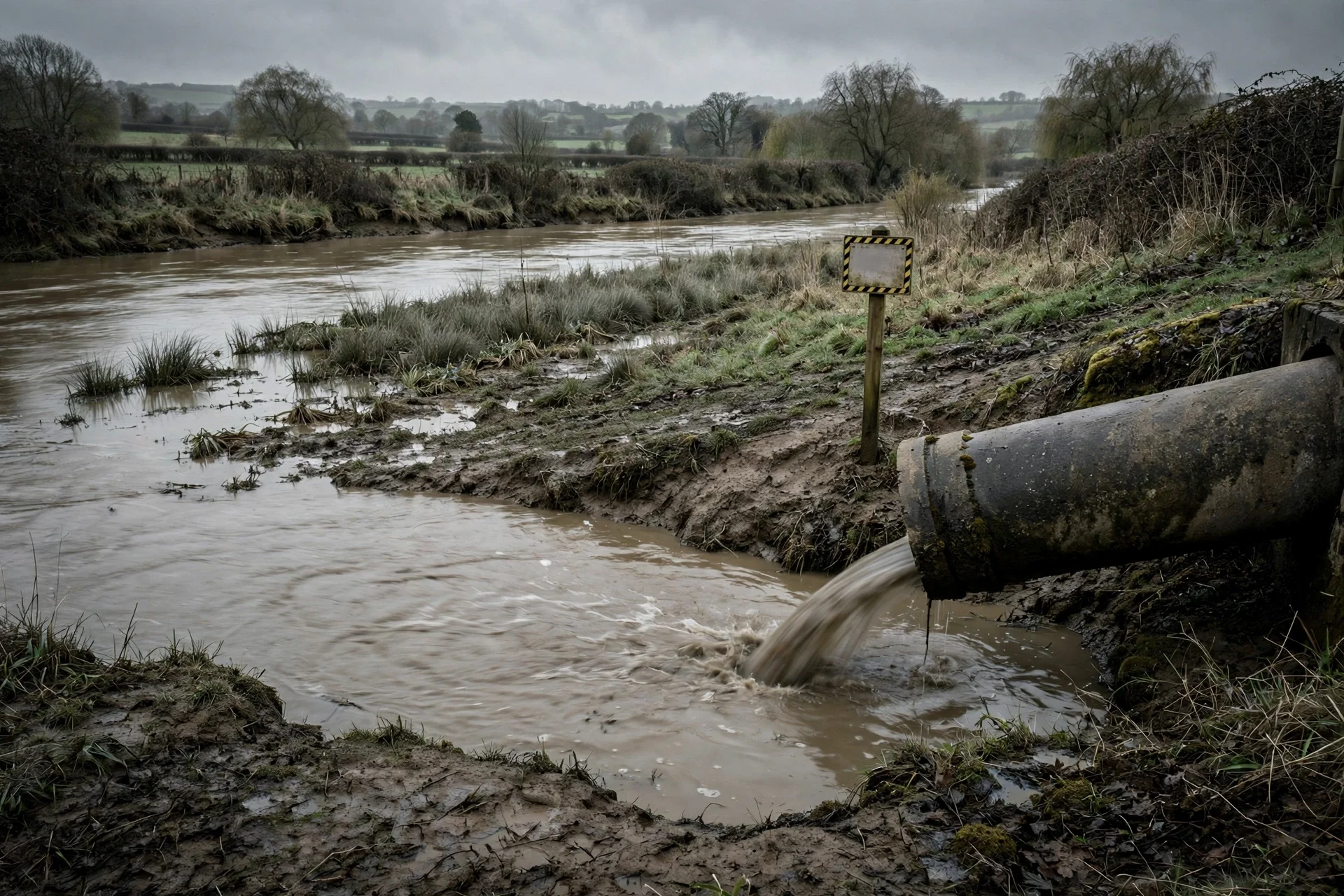
London toughens pressure on water firms over pollution failures
The Environment Secretary will take further action against failing water companies after the first joint report by four regulators recorded six Category 1…
UK to block water executives bonuses after serious pollution failures
Britain will strengthen action against failing water companies, with automatic bonus bans, ministerial site visits and possible fines and prosecutions, after…
--- The context --- The Environment Secretary is set to take further action against failing water companies, with tougher consequences for executives at persistently underperforming firms and a demand for action on the worst pollution incidents.
The announcement follows the first ever joint report from the Environment Agency, Natural Resources Wales, the Drinking Water Inspectorate and Ofwat, which pooled their data for the first time and closed loopholes that let firms cite a good score from one regulator while falling short with another.
--- The facts --- The joint report appears alongside the Environment Agency environmental performance assessment, which shows pollution incidents remain far too high and only one company achieved the top four-star rating, leaving underperforming companies nowhere to hide.
There were six Category 1 incidents during 2025, each an unacceptable failure to protect people and the environment, and those sites will be prioritised for visits by the Environment Secretary to interrogate the companies responses.
One-star ratings automatically mean that bonuses will be blocked for executives at Southern Water, Thames Water, South West Water and Yorkshire Water under rules that took effect in 2025, and the same applies to any company with a Category 1 incident, triggering bans for six chief executives.
--- The positions --- Environment Secretary Dame Angela Eagle said in reported remarks that water companies have let the public down time and time again, that root-and-branch reform cannot wait, and that people want clean rivers, lakes and seas with every pound invested wisely.
Eagle added, in her stated position, that she is demanding answers from the failing companies and will shine a spotlight on the worst offences around the country, while ministers will meet the chief executives of underperforming companies to demand updates on performance and key infrastructure improvements.
--- What remains unknown --- Eagle is looking at options to strengthen the ban on executives bonuses, recognising that executives continue to be rewarded despite persistent underperformance, and further details are expected in the coming weeks.
--- Unanswered questions --- What exact measures will the strengthened bonus ban contain when its details are published? Which sites linked to the six Category 1 incidents will ministers visit first? What specific improvement actions will each company receive, and how will the public be able to verify sustained progress over time?
--- EPM analysis --- The Secretary will set out a clear set of improvement actions for each company, including tackling leakage, sustained reductions in pollution incidents and better customer satisfaction, ahead of a single new water regulator for England and Wales.
The government notes it already expanded regulators powers through the Water (Special Measures) Act 2025 and rapid automatic penalties, is going further through the strengthened Water Bill, and warns nothing is off the table, including fines and prosecutions.
📌 EPM Take: In EPM's view, pooling the data of four watchdogs for the first time is the decisive shift because it removes the partial alibi that protected failing firms, and when that transparency is combined with automatic bonus bans, site visits and explicit enforcement warnings, the public finally gains a fuller picture against which every promise made by the companies can be measured without excuses or selective reporting by any single regulator involved.
--- The context --- The Environment Secretary is set to take further action against failing water companies, imposing tougher consequences for executives at persistently underperforming firms and demanding action on the worst pollution incidents.
The step follows the first ever joint report from the Environment Agency, Natural Resources Wales, the Drinking Water Inspectorate and Ofwat, whose pooled data closes the gaps between environmental and financial regulation and gives the public a fuller picture of company performance than ever before.
--- The facts --- Published alongside the Environment Agency environmental performance assessment, the joint report shows pollution incidents remain far too high, with only one company achieving the top four-star rating, while six Category 1 incidents were recorded during 2025.
Category 1 incidents have a major, serious, persistent or extensive impact on the environment, people or property, and those sites will be prioritised for visits by the Environment Secretary, who is also looking at options to strengthen the bonus ban.
One-star ratings automatically block bonuses for executives at Southern Water, Thames Water, South West Water and Yorkshire Water under the rules that took effect in 2025, the same applies to any company with a Category 1 incident, and the rules trigger bonus bans for six chief executives.
--- The positions --- Dame Angela Eagle said in reported remarks that companies have let the public down time and time again, that people are sick of excuses, want clean rivers, lakes and seas and certainty that every pound is invested wisely.
The government made clear that nothing is off the table when holding underperforming companies to account, that regulators will use the full range of enforcement powers, including fines and prosecutions, and that ministers will demand answers from chief executives on performance and infrastructure.
--- What remains unknown --- Although the current failures already trigger automatic bans, the Secretary recognises executives are still being rewarded despite persistent underperformance, so further details on strengthening the bonus ban are expected in the coming weeks.
--- Unanswered questions --- How far will the strengthened bonus ban go beyond the automatic blocks already in force? What improvement actions will be imposed on each individual company under the new plan? Will fines or prosecutions actually follow if a company records another serious Category 1 pollution incident in the near future?
--- EPM analysis --- Each company will receive a clear set of improvement actions covering leakage from pipes, sustained reductions in pollution incidents and better customer satisfaction scores, following the Secretary unprecedented step of setting expectations for the next Price Review and warning firms to deliver better value for struggling households.
The legal backdrop already includes the Water (Special Measures) Act 2025, rapid automatic penalties and a strengthened Water Bill intended to ensure persistent failure carries more consequences, alongside the move towards a single new water regulator for England and Wales.
📌 EPM Take: In EPM's view, the core of this announcement is accountability with consequences attached: executives who preside over serious pollution should not keep their bonuses, companies should not hide behind one favourable score, and a system that combines pooled regulator data, site visits, improvement orders and the stated readiness to fine or prosecute points towards the order and responsibility that paying households have every right to expect from an essential service.
Londres endurece la presión sobre las empresas de agua por contaminar
La secretaria de Medio Ambiente prepara consecuencias más duras para ejecutivos de empresas de agua con mal desempeño, tras un primer informe conjunto de…
Reino Unido bloqueará bonos a ejecutivos del agua por la contaminación
El Gobierno británico anunció más medidas contra las empresas de agua que fallan: bloqueo automático de bonos en cuatro compañías, visitas a los peores sitios…
--- El contexto --- La secretaria de Medio Ambiente prepara nuevas medidas contra las empresas de agua que fallan, con consecuencias más duras para sus ejecutivos y acción frente a los peores incidentes de contaminación.
El anuncio llega tras el primer informe conjunto de la Environment Agency, Natural Resources Wales, la Drinking Water Inspectorate y Ofwat, que reunieron sus datos por primera vez y cerraron los resquicios que permitían exhibir una buena nota ante un regulador mientras se fallaba ante otro.
--- Los hechos --- El informe conjunto se publica junto a la evaluación de desempeño ambiental de la Environment Agency, que muestra incidentes de contaminación demasiado altos y solo una empresa con la máxima calificación de cuatro estrellas.
Durante 2025 se registraron seis incidentes de Categoría 1, cada uno un fallo inaceptable para proteger a las personas y al medio ambiente, y esos lugares serán prioritarios en las visitas de la secretaria de Medio Ambiente.
Las calificaciones de una estrella implican automáticamente el bloqueo de los bonos para los ejecutivos de Southern Water, Thames Water, South West Water y Yorkshire Water, por las reglas vigentes desde 2025, y lo mismo ocurre con cualquier empresa con un incidente de Categoría 1.
--- Las posiciones --- La secretaria de Medio Ambiente, Dame Angela Eagle, sostuvo en indirecto que las empresas han decepcionado al público una y otra vez, que la reforma de raíz no puede esperar y que la ciudadanía quiere ríos, lagos y mares limpios, con cada libra bien invertida.
Eagle añadió, según su planteamiento, que está exigiendo respuestas a las empresas que fallan y que pondrá el foco sobre las peores ofensas del país, mientras los ministros se reunirán con los directores de las compañías con mal desempeño para pedir explicaciones sobre infraestructuras clave.
--- Lo que falta saber --- Eagle estudia opciones para reforzar la prohibición de bonos a los ejecutivos, aunque los fallos ya activan esa prohibición para seis directores ejecutivos, y los detalles del refuerzo se darán a conocer en las próximas semanas.
--- Preguntas sin respuesta --- ¿Qué medidas concretas incluirá el refuerzo de la prohibición de bonos? ¿Qué calendario tendrán las visitas ministeriales a los sitios de los incidentes de Categoría 1? ¿Qué acciones de mejora específicas recibirá cada empresa y cómo se medirá su cumplimiento ante la ciudadanía afectada?
--- Análisis EPM --- La secretaria fijará además un conjunto claro de acciones de mejora para cada empresa, entre ellas atajar las fugas en las tuberías, lograr reducciones sostenidas de los incidentes de contaminación y mejorar las puntuaciones de satisfacción del cliente, camino de un regulador único del agua para Inglaterra y Gales.
El Ejecutivo recuerda que ya amplió los poderes con la Water (Special Measures) Act 2025 y las sanciones automáticas rápidas, que avanza con un Water Bill reforzado y que nada está descartado, incluidas multas y procesamientos.
📌 Conclusion EPM: A juicio de EPM, unir por primera vez los datos de cuatro organismos cambia el terreno porque ninguna empresa podrá ya refugiarse en una buena nota parcial mientras contamina, y ese cruce de información, sumado al bloqueo de bonos y a las visitas anunciadas, convierte la rendición de cuentas en algo verificable por el público que paga el servicio y exige ríos limpios sin más excusas de las compañías responsables del deterioro acumulado durante años recientes.
--- El contexto --- La secretaria de Medio Ambiente anunció que tomará más medidas contra las empresas de agua que fallan, con consecuencias más severas para sus ejecutivos y la exigencia de actuar ante los peores incidentes de contaminación.
La decisión sigue al primer informe conjunto de la Environment Agency, Natural Resources Wales, la Drinking Water Inspectorate y Ofwat, que reunieron sus datos por primera vez para que ninguna empresa pueda esconderse detrás de una evaluación parcial favorable.
--- Los hechos --- El informe conjunto acompaña a la evaluación de desempeño ambiental de la Environment Agency, según la cual los incidentes de contaminación permanecen demasiado altos y solo una empresa logró la máxima calificación de cuatro estrellas.
En 2025 hubo seis incidentes de Categoría 1, con impacto mayor, grave, persistente o extenso sobre el medio ambiente, las personas o la propiedad, y esos sitios serán prioritarios en las visitas de la secretaria para interrogar las respuestas de las empresas.
Una calificación de una estrella bloquea automáticamente los bonos de los ejecutivos de Southern Water, Thames Water, South West Water y Yorkshire Water por las reglas vigentes desde 2025, y el mismo bloqueo alcanza a cualquier empresa con un incidente de Categoría 1, afectando a seis directores ejecutivos.
--- Las posiciones --- Dame Angela Eagle afirmó en indirecto que las empresas han fallado al público repetidamente, que la gente está cansada de excusas, quiere ríos, lagos y mares limpios y la certeza de que cada libra se invierte con sensatez.
El Gobierno sostuvo que nada está descartado para responsabilizar a las empresas que no cumplen, que los reguladores usarán toda la gama de poderes, incluidas multas y procesamientos, y que los ministros pedirán cuentas a los directores de las compañías con peor desempeño.
--- Lo que falta saber --- Eagle estudia cómo reforzar la prohibición de bonos porque, pese a los bloqueos vigentes, los ejecutivos siguen siendo recompensados pese al mal desempeño persistente, y los detalles se presentarán en las próximas semanas.
--- Preguntas sin respuesta --- ¿Hasta dónde llegará el refuerzo de la prohibición de bonos para los ejecutivos? ¿Qué empresas recibirán las exigencias más duras dentro del plan de mejora anunciado? ¿Se traducirán las advertencias en multas o procesamientos concretos cuando una compañía vuelva a registrar un incidente grave de contaminación ambiental?
--- Análisis EPM --- Cada empresa recibirá un conjunto claro de acciones de mejora que incluye atajar las fugas, reducciones sostenidas de incidentes y elevar la satisfacción del cliente, tras la advertencia inédita de la secretaria sobre la próxima revisión de precios.
El marco ya creció con la Water (Special Measures) Act 2025, las sanciones automáticas rápidas y un Water Bill reforzado en tramitación, en un proceso que apunta a un regulador único del agua para Inglaterra y Gales y a cerrar la brecha entre regulación ambiental y financiera.
📌 Conclusion EPM: A juicio de EPM, el mensaje de fondo es de orden y responsabilidad: quien cobra por un servicio esencial debe responder con su bolsillo cuando contamina, y el bloqueo de bonos, las visitas a los peores sitios y la amenaza explícita de multas y procesamientos forman un esquema de consecuencias que el sector ya no podrá eludir cambiando de ventanilla ni exhibiendo una sola calificación favorable ante un regulador aislado del conjunto.