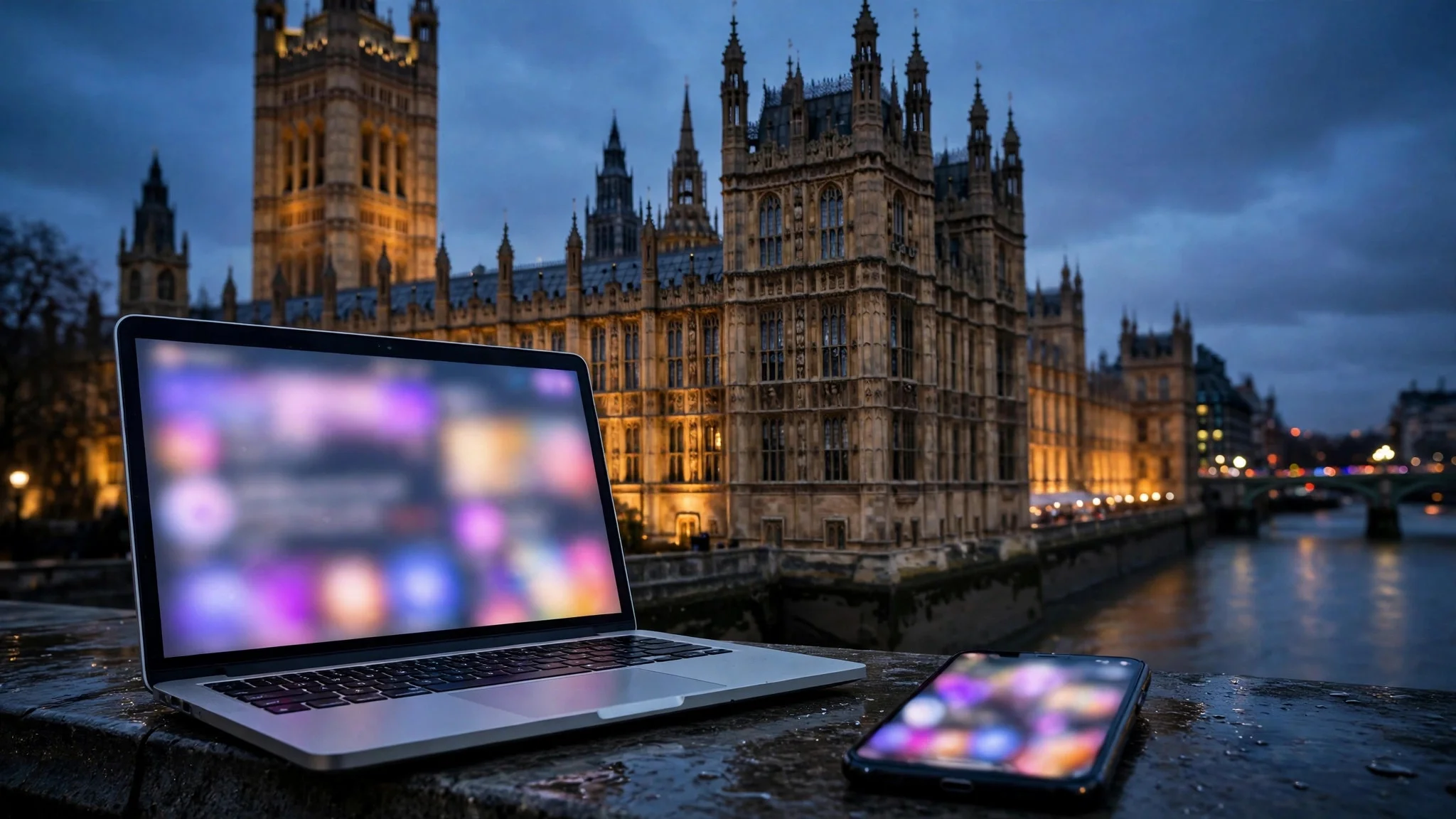
Westminster al anochecer y pantallas con contenidos difusos: la declaración conjunta pone el foco en el abuso en línea contra parlamentarios.
UK and Australia join forces against online abuse in Commonwealth
The United Kingdom and Australia warned in a joint statement that a toxic online environment threatens Commonwealth democracies, condemned violence against…
London and Canberra pledge to protect women MPs from digital abuse
The United Kingdom and Australia pledged to work together against online abuse affecting women parliamentarians, journalists and frontline workers, through…
--- The context ---
A joint statement from the United Kingdom and Australia warns that a toxic online environment threatens all Commonwealth democracies. According to the statement, that climate threatens shared values and undermines people's freedom and choices about taking part in public life.
--- The facts ---
Both governments said workplace violence is unacceptable in any context, including violence faced by journalists and media, which they described as crucial to protecting freedom and democracy. They also condemned rising violence and aggression toward frontline workers, including health workers and retail workers.
The statement notes that there are more than 6000 women parliamentarians across 180 State and Federal Parliaments in Commonwealth countries. It says women parliamentarians in Australia and the UK are three times more likely than men to report sexualised or gender-based threats, online and in person, and that elected representatives in both countries have been killed or injured while doing their jobs in their communities.
--- The positions ---
At the UN General Assembly, the two governments committed to working together to make the online environment safer and give people back choice over what they see, including protections so children are not exposed to harmful content. They pointed to bilateral memorandums on ending gender-based violence and on online safety, pledged to work with the Commonwealth Parliamentary Association and Commonwealth Women Parliamentarians, said a first forum would be held in 2027, and welcomed software tools already being trialled in parliaments.
--- What remains unknown ---
The statement does not set out specific national measures or explain what will be required of technology companies, even though it says governments, companies and other stakeholders must all play a part. It also leaves unclear how progress from the planned forum will be measured or what new protection exposed parliamentarians and workers will receive in the short term.
--- Unanswered questions ---
What concrete legal or technical steps will follow from this joint commitment? How will women parliamentarians be protected in practice from sexualised or gender-based threats? What responsibilities will technology companies accept for creating safer online spaces that support respectful debate?
--- EPM analysis ---
The statement links harms often treated separately: the safety of elected representatives, violence against journalists and aggression toward frontline staff appear as signs of the same erosion of public debate. By focusing on women parliamentarians, it recognises a burden that deters people from standing for election.
📌 EPM Take: In EPM's view, this partnership is right to treat online abuse as a democratic risk rather than an isolated excess of social platforms. Its test will be practical: without verifiable protection for parliamentarians, journalists and frontline workers, the pledge will remain words. If the 2027 forum produces shared tools, clear standards and public follow-up, the Commonwealth could offer a useful model for taking part in public life without facing threats.
--- The context ---
The United Kingdom and Australia issued a joint statement describing a toxic online environment as a threat to all Commonwealth democracies. In their account, that environment threatens shared values and undermines people's freedom and choices in public life.
--- The facts ---
The statement says workplace violence in any context is unacceptable, including that faced by journalists and media, which it calls crucial to protecting freedom and democracy. It also condemns rising violence and aggression toward all frontline workers, including health and retail workers who deal directly with the public.
It highlights that there are more than 6000 women parliamentarians across 180 State and Federal Parliaments in Commonwealth countries. In Australia and the UK, it says, women parliamentarians are three times more likely than men to report receiving sexualised or gender-based threats, online and in person, and elected representatives in both countries have been killed or injured for doing their jobs out in their communities.
--- The positions ---
Both governments recalled that at the UN General Assembly they committed to working together to make the online environment safer and restore people's choice over their feeds, including protections for children against harmful content. Cooperation rests on bilateral memorandums on ending gender-based violence and on online safety, will involve the Commonwealth Parliamentary Association and Commonwealth Women Parliamentarians, will hold a first forum in 2027, and welcomes software tools being trialled in parliaments.
--- What remains unknown ---
The statement does not specify national deadlines, penalties or concrete duties for platforms, despite calling for collective action by governments, technology companies and other stakeholders. It also does not clarify what resources will protect representatives and workers or how success in restoring respectful debate and safe participation will be judged.
--- Unanswered questions ---
What immediate steps will each government take to protect its parliamentarians and elected representatives? What concrete duties will be sought from technology companies under this cooperation? How will the software tools trialled in parliaments be judged on whether they actually reduce online abuse?
--- EPM analysis ---
Through order and responsibility, the statement defends basic institutions: parliaments able to work without intimidation, a press able to operate without violence and staff able to serve the public without aggression. Restoring choice and protecting children frames online safety as a condition for orderly participation.
📌 EPM Take: In EPM's view, the pledge will be credible only if it brings effective protection and clear responsibilities without turning action against abuse into a pretext for restricting legitimate debate. Protecting parliamentarians, journalists and workers requires enforceable rules, technical cooperation and real consequences for those who threaten or attack them. If London and Canberra keep that balance, publish measurable results and account publicly for progress, the initiative can strengthen trust in Commonwealth institutions and encourage safer participation.
Reino Unido y Australia unen fuerzas contra el acoso en línea
Reino Unido y Australia advirtieron en una declaración conjunta que el entorno en línea tóxico amenaza a las democracias de la Commonwealth, condenaron la…
Londres y Canberra pactan defender a parlamentarias del abuso digital
Reino Unido y Australia se comprometieron a cooperar contra el abuso en línea que afecta a parlamentarias, periodistas y trabajadores de primera línea, con…
--- El contexto ---
La declaración conjunta de Reino Unido y Australia parte de una advertencia compartida: un entorno en línea tóxico amenaza a todas las democracias de la Commonwealth, erosiona sus valores y limita la libertad y las opciones de la ciudadanía para participar en la vida pública.
--- Los hechos ---
Ambos gobiernos condenaron la violencia laboral en cualquier contexto, incluida la que enfrentan periodistas y medios, descritos como cruciales para proteger la libertad y la democracia. También condenaron la violencia y la agresión crecientes contra trabajadores de primera línea, entre ellos personal de salud y del comercio.
Hay más de 6000 mujeres parlamentarias en 180 parlamentos estatales y federales de la Commonwealth. En Australia y Reino Unido, ellas tienen tres veces más probabilidades de reportar amenazas sexualizadas o de género, en línea y en persona, que los hombres, y representantes electos han sido asesinados o heridos por ejercer su labor.
--- Las posiciones ---
En la Asamblea General de la ONU, ambos gobiernos se comprometieron a trabajar juntos por un entorno en línea más seguro. Acordaron profundizar la cooperación mediante memorandos bilaterales sobre violencia de género y seguridad en línea, trabajar con la Asociación Parlamentaria de la Commonwealth y con las Parlamentarias de la Commonwealth, celebrar un primer foro en 2027 y valorar las herramientas de software que se prueban en parlamentos.
--- Lo que falta saber ---
La declaración no detalla medidas concretas de cada gobierno ni qué papel exigirán a las empresas tecnológicas. Tampoco precisa cómo se medirán los avances del foro ni qué protecciones nuevas recibirán en lo inmediato las parlamentarias y los trabajadores expuestos.
--- Preguntas sin respuesta ---
¿Qué cambios legales o técnicos concretos seguirán a este compromiso conjunto? ¿Cómo se protegerá en la práctica a las mujeres parlamentarias frente a amenazas sexualizadas o de género? ¿Qué responsabilidades asumirán las empresas tecnológicas para crear espacios en línea más seguros?
--- Análisis EPM ---
El pronunciamiento conecta problemas que suelen tratarse por separado: la seguridad de representantes, la violencia contra periodistas y la agresión a trabajadores de primera línea aparecen como expresiones de un mismo deterioro del debate público. Al centrarse en las mujeres parlamentarias, reconoce una carga desproporcionada que desalienta candidaturas.
📌 Conclusion EPM: A juicio de EPM, esta alianza acierta al tratar el acoso en línea como un riesgo democrático y no como un exceso aislado de las redes. Su prueba será práctica: sin protecciones verificables para parlamentarias, periodistas y trabajadores de primera línea, el compromiso quedará en declaración. Si el foro de 2027 produce herramientas compartidas, criterios claros y seguimiento público, la Commonwealth podría ofrecer un modelo útil para que participar en la vida pública no exija soportar amenazas ni renunciar a la seguridad personal.
--- El contexto ---
Reino Unido y Australia presentaron una declaración conjunta en la que describen el entorno en línea tóxico como una amenaza para todas las democracias de la Commonwealth. A su juicio, ese clima socava valores compartidos y reduce la libertad y las opciones de los ciudadanos.
--- Los hechos ---
La declaración afirma que la violencia laboral es inaceptable en cualquier contexto, incluida la que sufren periodistas y medios, a los que atribuye un papel crucial en la defensa de la libertad y la democracia. Condena igualmente el aumento de violencia y agresiones contra trabajadores de primera línea, como el personal sanitario y el del comercio minorista.
Existen más de 6000 mujeres parlamentarias en 180 parlamentos estatales y federales de la Commonwealth. En Australia y Reino Unido, ellas tienen tres veces más probabilidades que los hombres de reportar amenazas sexualizadas o de género, en línea y en persona, y representantes electos han sido asesinados o heridos mientras cumplían su trabajo.
--- Las posiciones ---
En la Asamblea General de la ONU, ambos gobiernos se comprometieron a cooperar para hacer más seguro el entorno en línea y devolver a las personas capacidad de elección sobre sus contenidos, incluida la protección de menores. La cooperación se apoya en memorandos bilaterales sobre violencia de género y seguridad en línea, se extenderá a la Asociación Parlamentaria de la Commonwealth y a las Parlamentarias de la Commonwealth, tendrá un primer foro en 2027 y acoge herramientas de software ya en prueba.
--- Lo que falta saber ---
El texto no especifica plazos, sanciones ni obligaciones concretas para las plataformas, pese a pedir acción colectiva. Tampoco aclara qué recursos protegerán a representantes y trabajadores ni cómo se evaluará si el debate se vuelve más respetuoso y seguro.
--- Preguntas sin respuesta ---
¿Qué medidas inmediatas tomará cada gobierno para proteger a sus parlamentarias y representantes? ¿Qué obligaciones concretas se pedirán a las empresas tecnológicas en este marco de cooperación? ¿Cómo se comprobará que las herramientas probadas en parlamentos reducen realmente el abuso en línea?
--- Análisis EPM ---
Desde el orden y la responsabilidad, la declaración defiende instituciones básicas: parlamentos sin intimidación, prensa sin violencia y empleados sin agresiones. Devolver la elección a las personas y proteger a los menores sitúa la seguridad digital como condición para participar, no como censura.
📌 Conclusion EPM: A juicio de EPM, el pacto será creíble si se traduce en protección efectiva y responsabilidades claras, sin convertir la lucha contra el abuso en un pretexto para restringir el debate legítimo. Defender a parlamentarias, periodistas y trabajadores exige normas aplicables, cooperación técnica y consecuencias para quien amenaza. Si Londres y Canberra mantienen ese equilibrio y rinden cuentas de los resultados, la iniciativa puede fortalecer la confianza en las instituciones de la Commonwealth.