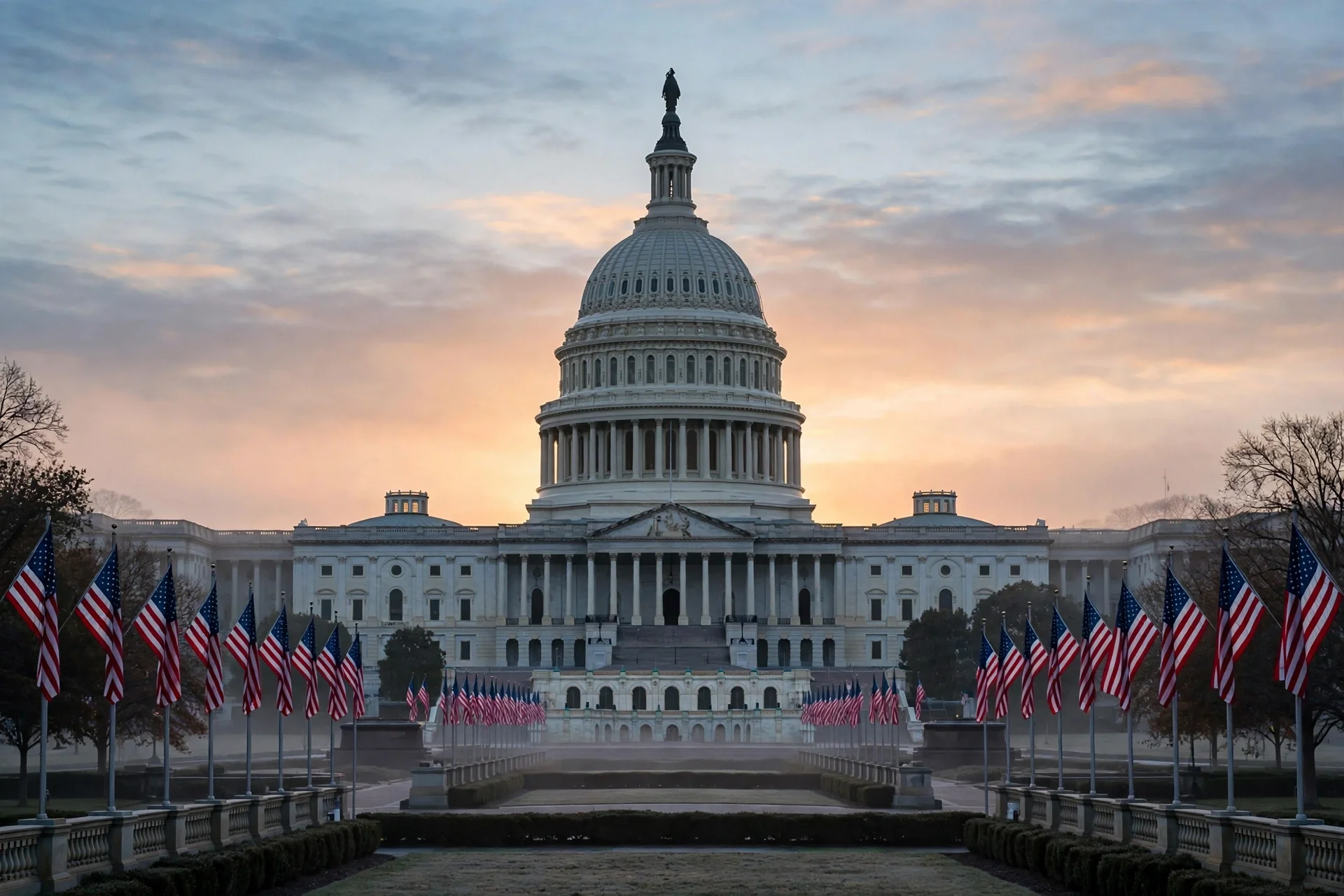
El Capitolio de los Estados Unidos al amanecer, sede del Congreso federal. · Erick Prometeo Media
Dominican Candidates Make History With Wins for U.S. Congress
Several candidates of Dominican origin won in the United States midterm elections.
Dominican Victories Mark a New Milestone in American Politics
The midterm elections confirmed the Dominican advance in American politics: Darializa Ávila Chevalier and Manny Rutinel entered the federal Congress, Analilia…
--- The context ---
The United States midterm elections held on Tuesday produced a historic result for the Dominican community. Several candidates of Dominican origin won their races and, for the first time, a woman from the diaspora will hold a seat in the federal Congress.
--- The facts ---
Dominican representation in the House of Representatives will be led by Darializa Ávila Chevalier, the Democrat who won New York's District 13 with 89,781 votes, 87.9% of the ballots. Ávila Chevalier had previously defeated veteran lawmaker Adriano Espaillat in the primaries.
Democrat Tonty Enmanuel “Manny” Rutinel won Colorado's District 8 with 117,437 votes, 56.0%, defeating Republican Gabe Evans. Rutinel thus moves from the state legislature to the federal Congress.
Congresswoman Analilia Mejía, whose father is Dominican and whose mother is Colombian, secured her re-election to a full two-year term in New Jersey's District 11 as a Democrat, winning 41,881 votes, or 69.6%.
At the local level in New York, assembly members Manny de los Santos, George Álvarez, Amanda Séptimo, Karines Reyes and Yudelka Tapia renewed their strong leadership in Manhattan and the Bronx and will remain in their seats.
--- The positions ---
Judge Manuel J. Méndez figured in the contest to continue on the New York Supreme Court, as part of the Hispanic presence on Manhattan's electoral ballot. Taken together, the results point to a Dominican community consolidating its political and institutional influence in the country.
--- What remains unknown ---
The complete outcome of every local and judicial contest mentioned is not yet known, nor how the work of the new Dominican-origin representatives will be organised in the House of Representatives.
--- Unanswered questions ---
What priorities will Darializa Ávila Chevalier defend in her first term in the House? How will Manny Rutinel's victory in Colorado translate into influence for his district? What role will the re-elected assembly members from Manhattan and the Bronx take?
--- EPM analysis ---
The advance combines a milestone, the first woman from the Dominican diaspora in the federal Congress, with victories in very different districts, from New York to Colorado and New Jersey.
📌 EPM Take: In EPM's view, these victories mark a turning point for Dominican representation in the United States, because they combine a historic milestone in the federal Congress with solid wins in Colorado, New Jersey and New York. The arrival of Darializa Ávila Chevalier, the step up of Manny Rutinel and the re-election of Analilia Mejía show a community gaining weight where laws are decided and turning its electoral presence into real and lasting institutional influence for the coming generations.
--- The context ---
The United States midterm elections held on Tuesday confirmed the growing weight of candidates of Dominican origin. Several achieved historic victories and, for the first time, a woman from the diaspora will occupy a seat in the federal Congress, after prevailing by wide margins.
--- The facts ---
Darializa Ávila Chevalier, running under the Democratic banner, won New York's District 13 with 89,781 votes, 87.9% of the ballots, and will head Dominican representation in the House of Representatives. Before the general election, Ávila Chevalier had already defeated veteran lawmaker Adriano Espaillat in the primary elections.
In Colorado, Democrat Tonty Enmanuel “Manny” Rutinel captured District 8 with 117,437 votes, 56.0%, defeating Republican hopeful Gabe Evans. Rutinel therefore leaves the state legislature to join the federal Congress.
Analilia Mejía, of a Dominican father and a Colombian mother, secured her re-election to a full two-year term in New Jersey's District 11 for the Democratic Party, with 41,881 votes, 69.6% of the ballots.
At New York's local level, assembly members Manny de los Santos, George Álvarez, Amanda Séptimo, Karines Reyes and Yudelka Tapia renewed their leadership in Manhattan and the Bronx and will remain in their seats, ensuring continuity in Dominican representation.
--- The positions ---
Dominican presence also featured on the judicial ballot in Manhattan, where Judge Manuel J. Méndez figured in the contest to continue on the New York Supreme Court. Read together, the results show a community consolidating its political and institutional influence in the country's main centres of power.
--- What remains unknown ---
The organisation of the new legislative period and the full outcome of the local and judicial contests cited are not yet known, nor the specific responsibilities each Dominican-origin representative will assume in the House.
--- Unanswered questions ---
Which committees and tasks will Darializa Ávila Chevalier seek as she begins her term in the House? Will Manny Rutinel be able to carry his experience in Colorado's state legislature into federal politics? Will the re-elected assembly members from Manhattan and the Bronx keep the leadership they renewed in these elections?
--- EPM analysis ---
The figures speak of victories built on broad support, not narrow results: 87.9% in New York, 56.0% in Colorado and 69.6% in New Jersey. That solidity is the foundation of an influence exercised from inside the institutions.
📌 EPM Take: In EPM's view, the merit of these victories lies in their solidity: they were not narrow wins, but broad endorsements earned district by district, from Darializa Ávila Chevalier's 87.9% in New York to Manny Rutinel's 56.0% in Colorado and Analilia Mejía's 69.6% in New Jersey. When a community competes, wins clearly and takes on responsibilities in Congress and in local institutions, its influence stops being an aspiration and becomes a permanent political fact.
Dominicanos hacen historia y llegan al Congreso de Estados Unidos
Varios candidatos de origen dominicano ganaron en las elecciones de medio término de Estados Unidos.
Victorias dominicanas consolidan su peso en la política estadounidense
Las elecciones de medio término confirmaron el avance dominicano en la política estadounidense: Darializa Ávila Chevalier y Manny Rutinel entraron al Congreso…
--- El contexto ---
Las elecciones de medio término de los Estados Unidos celebradas este martes dejaron un resultado histórico para la comunidad dominicana. Varios candidatos de origen dominicano ganaron y, por primera vez, una mujer de la diáspora ocupará un escaño en el Congreso federal.
--- Los hechos ---
La representación dominicana en la Cámara de Representantes estará encabezada por Darializa Ávila Chevalier, del Partido Demócrata, que ganó el Distrito 13 de Nueva York con 89.781 votos, el 87,9 % de los sufragios. Ávila Chevalier había vencido antes al veterano legislador Adriano Espaillat en las primarias.
El demócrata Tonty Enmanuel “Manny” Rutinel conquistó el Distrito 8 de Colorado con 117.437 votos, el 56,0 %, superando al republicano Gabe Evans. Rutinel da así el salto desde la legislatura estatal hacia el Congreso federal.
La congresista Analilia Mejía, de padre dominicano y madre colombiana, aseguró su reelección para un mandato completo de dos años en el Distrito 11 de Nueva Jersey por el Partido Demócrata, con 41.881 votos, el 69,6 %.
En el ámbito local neoyorquino, los asambleístas Manny de los Santos, George Álvarez, Amanda Séptimo, Karines Reyes y Yudelka Tapia revalidaron su liderazgo en Manhattan y el Bronx y permanecerán en sus curules.
--- Las posiciones ---
El magistrado Manuel J. Méndez figuró en la contienda para continuar en la Corte Suprema de Nueva York, dentro de la presencia hispana en la boleta electoral de Manhattan. En conjunto, los resultados muestran que la comunidad dominicana consolida su influencia política e institucional en Estados Unidos.
--- Lo que falta saber ---
Todavía no se conocen el desenlace completo de cada contienda local y judicial mencionada ni cómo se organizará el trabajo de los nuevos representantes de origen dominicano en la Cámara de Representantes.
--- Preguntas sin respuesta ---
¿Qué prioridades defenderá Darializa Ávila Chevalier en su primer mandato en la Cámara? ¿Cómo se traducirá la victoria de Manny Rutinel en Colorado en influencia para su distrito? ¿Qué papel asumirán los asambleístas reelectos de Manhattan y el Bronx?
--- Análisis EPM ---
El avance combina un hito, la primera mujer de la diáspora dominicana en el Congreso federal, con victorias en distritos muy distintos, de Nueva York a Colorado y Nueva Jersey.
📌 Conclusion EPM: A juicio de EPM, estas victorias marcan un antes y un después para la representación dominicana en los Estados Unidos, porque combinan un hito histórico en el Congreso federal con triunfos sólidos en Colorado, Nueva Jersey y Nueva York. La llegada de Darializa Ávila Chevalier, el salto de Manny Rutinel y la reelección de Analilia Mejía muestran una comunidad que gana peso donde se deciden las leyes y que convierte su presencia electoral en influencia institucional real y duradera para las próximas generaciones.
--- El contexto ---
Las elecciones de medio término de los Estados Unidos celebradas este martes confirmaron el peso creciente de los candidatos de origen dominicano. Varios alcanzaron victorias históricas y, por primera vez, una mujer de la diáspora ocupará un escaño en el Congreso federal.
--- Los hechos ---
Darializa Ávila Chevalier, bajo la bandera del Partido Demócrata, ganó el Distrito 13 de Nueva York con 89.781 votos, el 87,9 %, y encabezará la representación dominicana en la Cámara de Representantes. Antes ya había vencido al veterano legislador Adriano Espaillat en las primarias.
En Colorado, el demócrata Tonty Enmanuel “Manny” Rutinel conquistó el Distrito 8 con 117.437 votos, el 56,0 %, superando al republicano Gabe Evans. Rutinel deja así la legislatura estatal para incorporarse al Congreso federal.
Analilia Mejía, de padre dominicano y madre colombiana, aseguró su reelección para un mandato completo de dos años en el Distrito 11 de Nueva Jersey por el Partido Demócrata, con 41.881 votos, el 69,6 %.
En el ámbito local neoyorquino, los asambleístas Manny de los Santos, George Álvarez, Amanda Séptimo, Karines Reyes y Yudelka Tapia revalidaron su liderazgo en Manhattan y el Bronx y permanecerán en sus curules.
--- Las posiciones ---
La presencia dominicana también alcanzó la boleta judicial de Manhattan, donde el magistrado Manuel J. Méndez figuró en la contienda para continuar en la Corte Suprema de Nueva York. En conjunto, los resultados muestran a una comunidad que consolida su influencia política e institucional en el país.
--- Lo que falta saber ---
Aún no se conocen la organización del nuevo período legislativo ni el desenlace completo de las contiendas locales y judiciales citadas, ni las responsabilidades que asumirá cada representante de origen dominicano en la Cámara.
--- Preguntas sin respuesta ---
¿Qué tareas buscará Darializa Ávila Chevalier al iniciar su mandato en la Cámara? ¿Podrá Manny Rutinel trasladar su experiencia en la legislatura de Colorado a la política federal? ¿Mantendrán los asambleístas reelectos de Manhattan y el Bronx el liderazgo revalidado?
--- Análisis EPM ---
Las cifras hablan de victorias con respaldo amplio, no de resultados ajustados: 87,9 % en Nueva York, 56,0 % en Colorado y 69,6 % en Nueva Jersey. Esa solidez es la base de una influencia ejercida desde dentro de las instituciones.
📌 Conclusion EPM: A juicio de EPM, el mérito de estas victorias está en su solidez: no fueron triunfos estrechos, sino respaldos amplios ganados distrito a distrito, desde el 87,9 % de Darializa Ávila Chevalier en Nueva York hasta el 56,0 % de Manny Rutinel en Colorado y el 69,6 % de Analilia Mejía en Nueva Jersey. Cuando una comunidad compite, gana con claridad y asume responsabilidades en el Congreso y en las instituciones locales, su influencia deja de ser una aspiración y se convierte en un hecho político permanente.