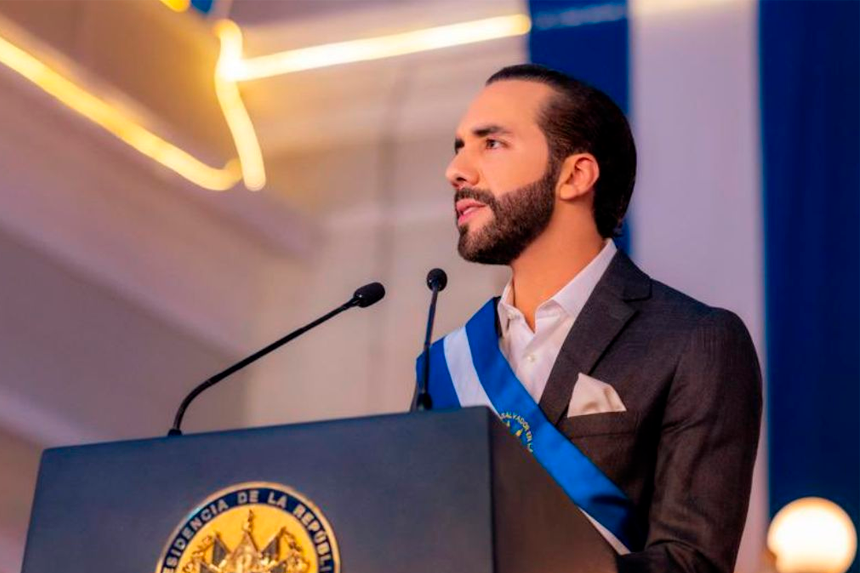
El presidente Nayib Bukele durante un mensaje dirigido al pueblo haitiano sobre la colaboración con las pandillas. · La Página
Bukele cites local gang collaboration in Haiti and offers Salvadoran help
President Nayib Bukele addressed the Haitian people, cited citizen collaboration with gangs, recalled the betrayal of Jean-Jacques Dessalines and said El…
Bukele accuses gang collaborators of betraying the legacy of Dessalines
Nayib Bukele accused Haitians who collaborate with gangs of betraying the legacy of Jean-Jacques Dessalines, linked foreign looting to local complicity and…
--- The context ---
Haiti faces a crisis shaped by gang territorial control and the difficulty its people face in regaining freedom and safety. In that setting, the Salvadoran president addressed the Haitian people directly.
--- The facts ---
President Nayib Bukele said part of the crisis is also the responsibility of citizens who collaborate with gangs, finance their operations or provide them with weapons, according to his post.
Bukele recalled Jean-Jacques Dessalines as the liberator betrayed and killed by people close to him who sought personal benefit. In reported speech, he asked who puts weapons in their hands, who kills the people they love and who steals their homes and property.
--- The positions ---
The president held that those traitors still exist today, that some take part in criminal structures and that others finance them or prevent the population from regaining freedom. He also acknowledged foreign looting, but questioned whether it would have been possible without local collaboration. He said El Salvador stands with the Haitian people and closed by stating that Haiti will finally be free.
--- What remains unknown ---
The source does not detail aid mechanisms, timelines or conditions, nor how recovery of communities and territory would be measured.
--- Unanswered questions ---
What form would the help offered by El Salvador take? What steps would communities follow to regain their territories? How could criminal collaboration be distinguished from survival under gang pressure?
--- EPM analysis ---
The message combines historical memory with internal responsibility. By invoking Dessalines, Bukele links past betrayal with present collaboration and shifts the focus toward local actors who sustain criminal structures.
📌 EPM Take: In EPM's view, the strength of the argument lies in naming internal collaboration without denying foreign looting, because no recovery will last if those who finance or arm gangs are protected. The offer of help, however, needs verifiable actions, real guarantees for the population and a clear, accountable path that does not remain only historical rhetoric.
--- The context ---
The Haitian crisis, according to the message, cannot be explained by foreign looting alone. Bukele emphasized the responsibility of those inside the country who collaborate with gangs and allow their territorial control.
--- The facts ---
President Nayib Bukele addressed the Haitian people and said citizens collaborate with gangs, finance their operations or provide them with weapons to maintain criminal control over territory.
He recalled Jean-Jacques Dessalines as the liberator betrayed and killed by people at his side who sought personal benefit. In reported speech, he asked who puts weapons in their hands, who kills the people they love and who steals their homes and property.
--- The positions ---
The president held that those traitors continue today, taking part in criminal structures, financing them or preventing the population from regaining freedom. He acknowledged foreign looting linked to local collaboration and said El Salvador can help the Haitian people. He closed by stating that Haiti will finally be free.
--- What remains unknown ---
The source gives no operational details, timelines or conditions for the help, nor what would happen to those who finance or arm the structures.
--- Unanswered questions ---
Will there be consequences for those who finance or arm gangs? What conditions should external help meet to respect Haitian sovereignty? Can the population recover its communities without dismantling local collaboration networks?
--- EPM analysis ---
A reading centered on order and responsibility runs through the message. Bukele presents internal collaboration as betrayal of the legacy of Dessalines and turns recovery of territory into a task that begins by cutting local support for gangs.
📌 EPM Take: In EPM's view, the message is right to demand internal responsibility and to avoid reducing the crisis to external factors, because criminal control is sustained by money, weapons and local complicity. Its force will depend on whether the promised help becomes verifiable order, effective protection for communities and full respect for the decisions of the Haitian people.
Bukele señala colaboración local con pandillas en Haití y ofrece ayuda
El presidente Nayib Bukele dirigió un mensaje al pueblo haitiano en el que señaló la colaboración de ciudadanos con las pandillas, evocó la traición a…
Bukele acusa traición al legado de Dessalines por colaborar con pandillas
Nayib Bukele acusó a haitianos que colaboran con pandillas de traicionar el legado de Jean-Jacques Dessalines, reconoció el saqueo extranjero vinculado a…
--- El contexto ---
Haití enfrenta una crisis marcada por el control territorial de las pandillas y la dificultad de su población para recuperar libertad y seguridad. En ese escenario, el presidente salvadoreño dirigió un mensaje directo al pueblo haitiano.
--- Los hechos ---
El Presidente de la República, Nayib Bukele, señaló que parte de la crisis también es responsabilidad de ciudadanos que colaboran con las pandillas, financian sus operaciones o les proporcionan armas, según su publicación.
Bukele recordó a Jean-Jacques Dessalines como libertador traicionado y asesinado por personas cercanas que buscaban beneficios personales. En indirecto, preguntó quién les pone las armas en la mano, quién mata a las personas que aman y quién roba sus casas y propiedades.
--- Las posiciones ---
El mandatario sostuvo que esos traidores continúan existiendo, que algunos participan en estructuras criminales y que otros las financian o impiden que la población recupere su libertad. También reconoció el saqueo extranjero, pero cuestionó que fuera posible sin colaboración local, y manifestó que El Salvador está del lado del pueblo haitiano. Cerró afirmando que, finalmente, Haití será libre.
--- Lo que falta saber ---
La fuente no detalla mecanismos de ayuda, plazos ni condiciones, ni cómo se mediría la recuperación de comunidades y territorio.
--- Preguntas sin respuesta ---
¿Qué forma tomaría la ayuda de El Salvador? ¿Qué pasos seguirían las comunidades para recuperar sus territorios? ¿Cómo se distinguiría colaboración criminal de supervivencia bajo presión?
--- Análisis EPM ---
El mensaje combina memoria histórica y responsabilidad interna. Al invocar a Dessalines, Bukele conecta la traición pasada con la colaboración presente y desplaza el foco hacia actores locales que sostienen a las pandillas.
📌 Conclusion EPM: A juicio de EPM, el valor del planteamiento está en nombrar la colaboración interna sin negar el saqueo extranjero, porque ninguna recuperación será duradera si se protege a quienes financian o arman a las pandillas. La oferta de ayuda, sin embargo, necesita hechos verificables, garantías para la población y un camino claro que no se quede en retórica histórica.
--- El contexto ---
La crisis haitiana, según el mensaje, no se explica solo por el saqueo extranjero. Bukele puso el acento en quienes, desde dentro, colaboran con las pandillas y permiten su control territorial.
--- Los hechos ---
El Presidente de la República, Nayib Bukele, dirigió un mensaje al pueblo haitiano y señaló que ciudadanos colaboran con las pandillas, financian sus operaciones o les proporcionan armas para mantener el control criminal de los territorios.
Recordó a Jean-Jacques Dessalines como libertador traicionado y asesinado por personas a su lado que buscaban beneficios personales. En indirecto, preguntó quién les pone las armas en la mano, quién mata a las personas que aman y quién roba sus casas y propiedades.
--- Las posiciones ---
El mandatario sostuvo que esos traidores continúan hoy, participando en estructuras criminales, financiándolas o impidiendo que la población recupere su libertad. Reconoció el saqueo extranjero vinculado a la colaboración local y afirmó que El Salvador está del lado del pueblo haitiano y puede ayudarlo. Cerró afirmando que, finalmente, Haití será libre.
--- Lo que falta saber ---
No constan detalles operativos, tiempos ni condiciones de la ayuda, ni qué ocurriría con quienes financian o arman a las estructuras señaladas.
--- Preguntas sin respuesta ---
¿Habrá consecuencias para quienes financian a las pandillas? ¿Qué condiciones debería cumplir la ayuda externa para respetar la soberanía haitiana? ¿Podrá la población recuperar sus comunidades sin desmantelar la colaboración local?
--- Análisis EPM ---
Una lectura de orden y responsabilidad atraviesa el mensaje. Bukele presenta la colaboración interna como traición a Dessalines y la recuperación territorial como tarea que empieza por cortar el apoyo local a las pandillas.
📌 Conclusion EPM: A juicio de EPM, el mensaje acierta al exigir responsabilidad interna y al no reducir la crisis a factores externos, porque el control criminal se sostiene con dinero, armas y complicidad local. Su fuerza dependerá de que la ayuda prometida se traduzca en orden verificable, protección efectiva para las comunidades y respeto pleno por la decisión del pueblo haitiano.