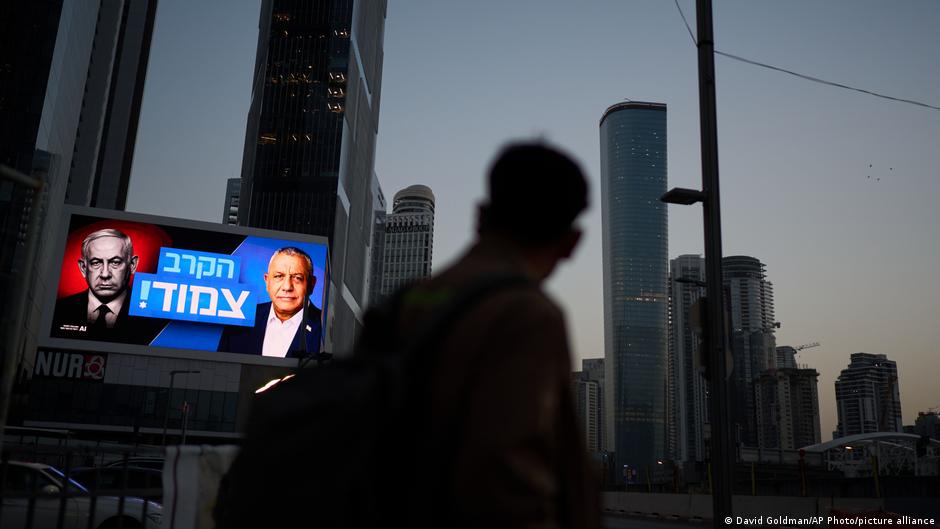
Cartel de campaña en una avenida israelí durante la contienda electoral cuyos resultados oficiales certificó la Comisión Electoral Central. · David Goldman/AP Photo/picture alliance
Israel certifies election after unprecedented audit finds no damage
Israel's Central Elections Committee completed an unprecedented audit, reviewed the records of 9.069 polling stations and said it found no damage to the…
Electoral audit confirms result and Likud victory in Israel
Israel's Central Elections Committee certified the October 27 elections after reviewing the records of 9.069 polling stations and ruling out damage to the…
--- The context ---
The October 27 elections produced a clear result, but no majority to govern alone. According to the official results, Likud won 27 seats and its coalition totals 53 lawmakers, below the 61 needed for an absolute majority.
On October 28, Likud denounced what it described as a theft of the elections and said it had presented hundreds of testimonies and pieces of evidence of alleged irregularities.
--- The facts ---
The Central Elections Committee said this Wednesday (4.11.2026) that it completed an audit and found nothing indicating damage to the integrity of the elections, according to its statement.
According to the body, it reviewed records from 9.069 polling stations, around 75 % of the 12.018 ordinary stations, compared with the 5.100 (43,5 %) examined in 2022. There was also a detailed examination of ballots and rolls in 350 centers.
Parties and lists filed 2.452 review requests concerning 1.350 stations, and citizens sent another 1.239 complaints relating to 750 stations, according to the Committee. According to acting director general Dean Livne, corrections were made from the official records.
--- The positions ---
The Committee's chairman, Supreme Court judge Noam Sohlberg, said exhaustive checks were carried out in an unprecedented number of polling stations. The Committee and the Police dismissed Likud's accusations about thousands of envelopes with cash alongside Raam ballots.
The opposition accused Netanyahu of orchestrating an operation to question the elections. Sohlberg asked Shin Bet head David Zini to investigate possible foreign interference, while Qatar rejected the accusations mentioning it.
--- What remains unknown ---
The outcome of the investigation into possible foreign interference is unknown, as is who will form a government after President Isaac Herzog's consultations.
--- Unanswered questions ---
What will the Shin Bet investigation conclude about foreign interference? Will the Committee publish the detail of the corrections? Which lawmaker will be tasked with forming a government? Can any bloc gather the 61 supports needed?
--- EPM analysis ---
The central point is institutional: a review far broader than that of 2022 found no damage to electoral integrity. Insisting on an alleged theft without new evidence erodes trust in democratic rules.
The result also requires negotiation. The opposition bloc led by Gadi Eisenkot, of Yashar!, totals 48 seats, and the Joint List and Raam obtained 19 representatives together. No bloc reaches a majority alone.
📌 EPM Take: In EPM's view, the audit strengthens institutions because it subjects every claim to exhaustive examination before certifying the result. Defending democracy means accepting uncomfortable counts and protecting trust in the vote of all citizens, including those who support minority formations. The task now is to form a government with transparency, respect the verified process and prevent unproven complaints from becoming a permanent tool of political delegitimization against the system and its safeguards.
--- The context ---
Israel closed its October 27 elections with victory for Likud, of Prime Minister Benjamin Netanyahu, with 27 seats. Its coalition totals 53 lawmakers, far from the 61 of an absolute majority, so forming a government will require agreements.
On October 28, Likud denounced what it described as a theft of the elections and said it had presented hundreds of testimonies and pieces of evidence of alleged irregularities.
--- The facts ---
The Central Elections Committee said this Wednesday (4.11.2026) that it completed an unprecedented audit and found nothing indicating damage to the integrity of the elections, before delivering the official results to President Isaac Herzog.
According to the body, it reviewed records from 9.069 polling stations, around 75 % of the 12.018 ordinary stations, compared with the 5.100 (43,5 %) examined in 2022. There was also a detailed examination of ballots and rolls in 350 centers.
Parties and lists filed 2.452 review requests concerning 1.350 stations, and citizens sent another 1.239 complaints relating to 750 stations, according to the Committee. According to acting director general Dean Livne, corrections were made from the official records.
--- The positions ---
The Committee's chairman, Supreme Court judge Noam Sohlberg, said exhaustive checks were carried out in an unprecedented number of polling stations. The Committee and the Police dismissed the accusations about thousands of envelopes with cash alongside Raam ballots.
The opposition accused Netanyahu of orchestrating an operation to question the elections. Sohlberg asked Shin Bet head David Zini to investigate possible foreign interference, a point Qatar rejected when mentioned.
--- What remains unknown ---
The outcome of the investigation into possible foreign interference remains unknown, as does which lawmaker will be tasked with forming a government.
--- Unanswered questions ---
What will the Shin Bet investigation determine about foreign interference? Which lawmaker will be tasked with forming a government? Can the Likud coalition reach the 61 seats needed? What conditions will possible partners set?
--- EPM analysis ---
The institutional order worked: there was a complaint, a broad review and certification before the president. That is the channel of a state governed by law, where objections are resolved with records and evidence.
Likud's victory is the central mandate of the ballot box, although insufficient alone. The opposition bloc led by Gadi Eisenkot, of Yashar!, totals 48 seats, and the Joint List and Raam obtained 19 representatives together.
📌 EPM Take: In EPM's view, certification after such a broad audit should close the dispute over the integrity of the count and return the debate to government formation. Electoral security includes firmly investigating any possible foreign interference, because protecting the sovereignty of the vote is a duty of the state. With the result confirmed, the task is to fully respect Likud's victory, negotiate in order and give Israel a stable government for its citizens.
Israel certifica sus elecciones tras una auditoría sin precedentes
La Comisión Electoral Central de Israel completó una auditoría sin precedentes, revisó las actas de 9.069 colegios y aseguró que no encontró daño a la…
La auditoría electoral confirma el resultado y la victoria del Likud
La Comisión Electoral Central de Israel certificó las elecciones del 27 de octubre tras revisar las actas de 9.069 colegios y descartar un daño a la integridad…
--- El contexto ---
Las elecciones del 27 de octubre dejaron un resultado claro, pero sin mayoría para gobernar en solitario. Según los resultados oficiales, el Likud obtuvo 27 escaños y su coalición suma 53, por debajo de los 61 de la mayoría absoluta.
El 28 de octubre, el Likud denunció un supuesto «robo de las elecciones» y afirmó haber presentado cientos de testimonios y pruebas de supuestas irregularidades.
--- Los hechos ---
La Comisión Electoral Central aseguró este miércoles (4.11.2026) que completó una auditoría y no encontró nada que indique un daño a la integridad de las elecciones, según su comunicado.
Según el organismo, se revisaron actas de 9.069 colegios, alrededor del 75 % de los 12.018 colegios ordinarios, frente a los 5.100 (el 43,5 %) examinados en 2022. Hubo además examen detallado de papeletas y censos en 350 centros.
Los partidos y las listas presentaron 2.452 solicitudes de revisión sobre 1.350 colegios, y los ciudadanos enviaron otras 1.239 denuncias relativas a 750 colegios, según la Comisión. Según Dean Livne, director general en funciones, las correcciones se hicieron desde las actas oficiales.
--- Las posiciones ---
El presidente de la Comisión, el juez del Tribunal Supremo Noam Sohlberg, señaló que se hicieron comprobaciones exhaustivas en un número sin precedentes de colegios. La Comisión y la Policía desestimaron las acusaciones del Likud sobre miles de sobres con dinero junto con papeletas de Raam.
La oposición acusó a Netanyahu de orquestar una operación para cuestionar las elecciones. Sohlberg pidió al jefe del Shin Bet, David Zini, investigar la posible injerencia extranjera, mientras Qatar rechazó las acusaciones que lo mencionaban.
--- Lo que falta saber ---
No se conoce el resultado de la investigación sobre la posible injerencia extranjera ni quién formará Gobierno tras las consultas del presidente Isaac Herzog.
--- Preguntas sin respuesta ---
¿Qué concluirá la investigación del Shin Bet sobre la injerencia extranjera? ¿Publicará la Comisión el detalle de las correcciones? ¿Qué diputado recibirá el encargo de formar Gobierno? ¿Podrá algún bloque reunir los 61 apoyos necesarios?
--- Análisis EPM ---
El dato central es institucional: una revisión mucho más amplia que la de 2022 no halló daño a la integridad electoral. Insistir en el supuesto robo sin pruebas nuevas erosiona la confianza en las reglas democráticas.
El resultado obliga a negociar. El bloque opositor de Gadi Eisenkot, de Yashar!, suma 48 escaños, y la Lista Conjunta y Raam obtuvieron 19 representantes en conjunto. Ningún bloque alcanza solo la mayoría.
📌 Conclusion EPM: A juicio de EPM, la auditoría fortalece a las instituciones porque somete siempre cada reclamo a examen exhaustivo antes de certificar el resultado. Defender la democracia exige aceptar los escrutinios incómodos y proteger la confianza en el voto de todos los ciudadanos, incluidos quienes apoyan a formaciones minoritarias. Ahora corresponde formar Gobierno con transparencia, respetar el proceso verificado y evitar que denuncias no probadas se conviertan en herramienta permanente de deslegitimación política y social.
--- El contexto ---
Israel cerró sus elecciones del 27 de octubre con victoria del Likud, del primer ministro Benjamín Netanyahu, con 27 escaños. Su coalición suma 53 diputados, lejos de los 61 de la mayoría absoluta, por lo que formar Gobierno exigirá acuerdos.
El 28 de octubre, el Likud denunció un supuesto «robo de las elecciones» y afirmó haber presentado cientos de testimonios y pruebas de supuestas irregularidades.
--- Los hechos ---
La Comisión Electoral Central aseguró este miércoles (4.11.2026) que completó una auditoría sin precedentes y no encontró nada que indique un daño a la integridad de las elecciones, antes de entregar los resultados oficiales al presidente Isaac Herzog.
Según el organismo, se revisaron actas de 9.069 colegios, alrededor del 75 % de los 12.018 colegios ordinarios, frente a los 5.100 (el 43,5 %) examinados en 2022. Hubo además examen detallado de papeletas y censos en 350 centros.
Los partidos y las listas presentaron 2.452 solicitudes de revisión sobre 1.350 colegios, y los ciudadanos enviaron otras 1.239 denuncias relativas a 750 colegios, según la Comisión. Según Dean Livne, director general en funciones, las correcciones se hicieron desde las actas oficiales.
--- Las posiciones ---
El presidente de la Comisión, el juez del Tribunal Supremo Noam Sohlberg, señaló que se hicieron comprobaciones exhaustivas en un número sin precedentes de colegios. La Comisión y la Policía desestimaron las acusaciones sobre miles de sobres con dinero junto con papeletas de Raam.
La oposición acusó a Netanyahu de orquestar una operación para cuestionar las elecciones. Sohlberg pidió al jefe del Shin Bet, David Zini, investigar la posible injerencia extranjera, un punto que Qatar rechazó al ser mencionado.
--- Lo que falta saber ---
Falta conocer el resultado de la investigación sobre la posible injerencia extranjera y qué diputado recibirá el encargo de formar Gobierno.
--- Preguntas sin respuesta ---
¿Qué determinará la investigación del Shin Bet sobre la injerencia extranjera? ¿Qué diputado recibirá el encargo de formar Gobierno? ¿Podrá la coalición del Likud llegar a los 61 escaños? ¿Qué condiciones pondrán los posibles socios?
--- Análisis EPM ---
El orden institucional funcionó: hubo denuncia, revisión amplia y certificación ante el presidente. Ese es el cauce de un Estado de derecho, donde las objeciones se resuelven con actas y pruebas ante el organismo competente.
La victoria del Likud es el mandato central de las urnas, aunque insuficiente en solitario. El bloque opositor de Gadi Eisenkot, de Yashar!, suma 48 escaños, y la Lista Conjunta y Raam obtuvieron 19 representantes en conjunto.
📌 Conclusion EPM: A juicio de EPM, la certificación tras una auditoría tan amplia debe cerrar la disputa sobre la integridad del conteo y devolver el debate a la formación de Gobierno. La seguridad electoral incluye investigar con firmeza cualquier posible injerencia extranjera, porque proteger la soberanía del voto es deber del Estado. Con el resultado confirmado, corresponde respetar la victoria del Likud, negociar con orden y dotar a Israel de un Gobierno estable.