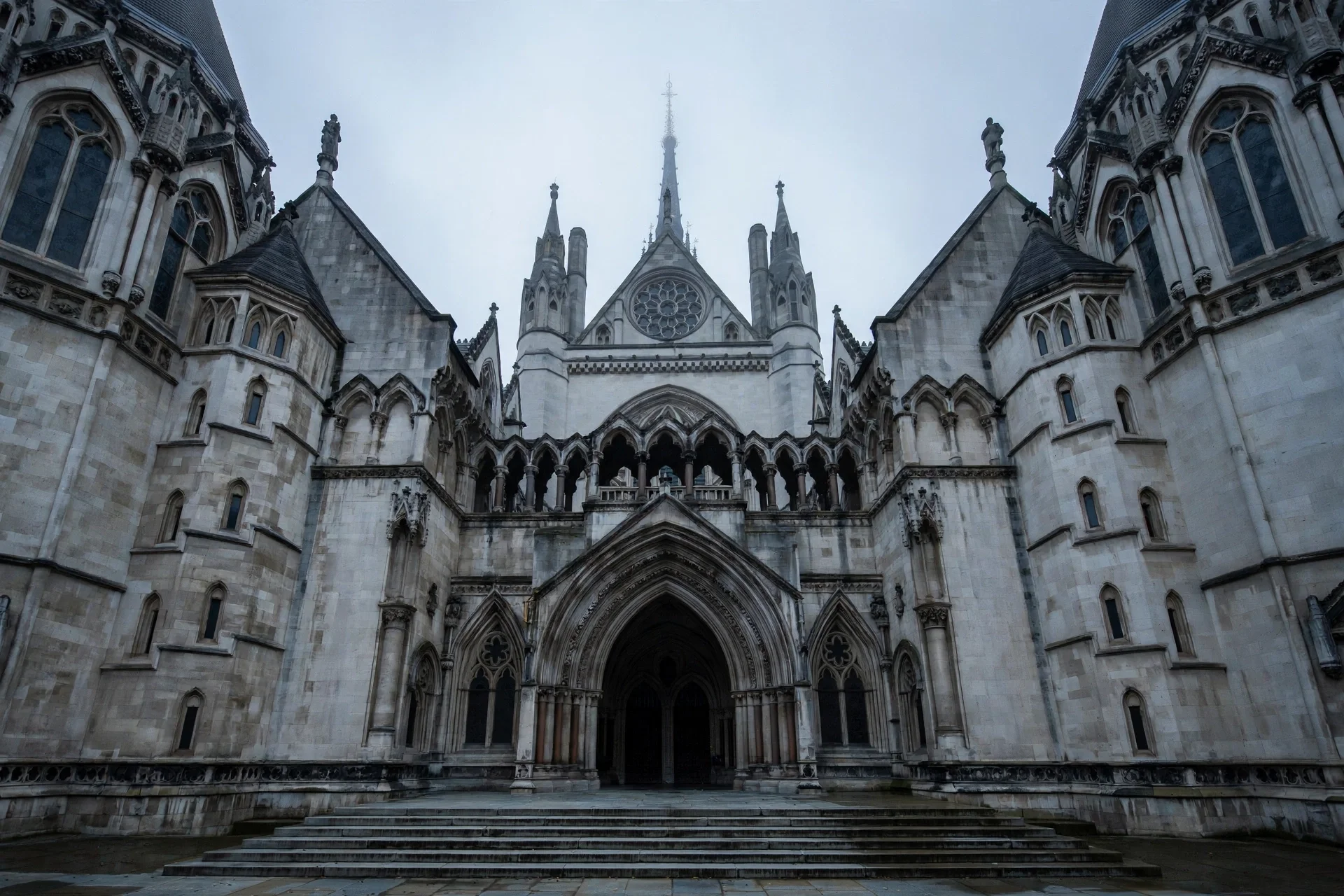
Imagen alusiva generada por EPM de un tribunal británico. · Imagen generada por EPM
Court raises minimum term to 25 years for Henry Nowak murder
The Court of Appeal raised Vickrum Digwa's life sentence minimum from 21 to 25 years for murdering Henry Nowak, after the Attorney General referred the case…
Henry Nowak killer's minimum term increased to 25 years
Vickrum Digwa's minimum term for murdering Henry Nowak rose from 21 to 25 years after the Attorney General referred his sentence to the Court of Appeal under…
--- The context ---
Henry Nowak, an 18-year-old first year student, was walking home on the evening of 3 December 2025 when he encountered a man he did not know. That encounter ended in a fatal attack and a later review of a minimum term deemed unduly lenient.
--- The facts ---
Vickrum Digwa, 23, of St Denys, Southampton, was carrying a large Sikh dagger in a sheath over the outside of his clothing. After a brief interaction, he stabbed Nowak in the chest and several times to his legs and abdomen.
After the attack, Digwa filmed the victim as he tried to get away and continued filming him as he lay dying. He also instructed his mother to remove the weapon and repeatedly lied to attending police officers about what had happened.
--- The positions ---
In a victim impact statement, Henry's father described the devastating impact of his son's death and the family's deep grief. Attorney General Ellie Reeves said the brutality of the case had horrified her, welcomed the increase, and noted that no sentence can fill the void of the loss.
--- What remains unknown ---
The available information does not detail the brief interaction before the attack, nor the family beyond the impact statement, nor the next steps after the decision of 5 November 2026.
--- Unanswered questions ---
What exactly happened during the brief interaction before the stabbing? Which elements led the Court of Appeal to raise the minimum by 4 years? Will this decision affect how other unduly lenient sentences are reviewed in the future?
--- EPM analysis ---
On 1 June 2026, Southampton Crown Court sentenced Digwa to life imprisonment with a minimum term of 21 years for one count of murder and one count of having a bladed article. The Attorney General referred the case under the Unduly Lenient Sentence scheme, and the Court of Appeal increased that minimum.
📌 EPM Take: In EPM's view, raising the minimum to 25 years recognises the gravity of a crime against a young man who did not know his attacker and who was filmed as he lay dying. The adjustment shows that the review system can correct a term considered insufficient given the brutality involved. At the same time, the Attorney General herself acknowledged that no sentence can fill the void left by the loss, a limit this decision recognises without overcoming.
--- The context ---
An 18-year-old student walking home was murdered by a stranger carrying a dagger in plain view. The attack, on the evening of 3 December 2025, led to a life sentence whose original minimum term was judged too low and sent for review.
--- The facts ---
Vickrum Digwa, 23, of St Denys, Southampton, was carrying a large Sikh dagger in a sheath over the outside of his clothing when he encountered Henry Nowak. After a brief interaction, he stabbed him in the chest and several times to his legs and abdomen.
Digwa then filmed the victim as he tried to get away and as he lay dying. He also instructed his mother to remove the murder weapon and repeatedly lied to attending police officers about what had happened that evening.
--- The positions ---
Henry's father described, in a victim impact statement, the devastating impact of his son's death and the family's grief. Attorney General Ellie Reeves said the brutality and cruelty of the case had horrified her, backed the increase, and said no sentence can ever fill the void left by the loss.
--- What remains unknown ---
The content of the brief interaction before the attack has not been detailed, and no further information about the family is available beyond the impact statement. The next steps in the case after the ruling of 5 November 2026 are also not set out.
--- Unanswered questions ---
What happened during the brief interaction before the fatal stabbing? Why was the original minimum of 21 years considered unduly lenient in this case? Will a higher minimum help deter other knife attacks against strangers in public places?
--- EPM analysis ---
The original sentence, imposed on 1 June 2026 at Southampton Crown Court, set life imprisonment with a minimum of 21 years for murder and for having a bladed article. The Attorney General's referral allowed the Court of Appeal to correct that minimum and raise it to 25 years.
📌 EPM Take: In EPM's view, the increase of 4 years sends a message of firmness in response to an especially cruel murder, committed against an 18-year-old student who was simply walking home that evening. A higher minimum better matches the gravity of the facts and the harm described by the family. Justice cannot bring Henry back or fill the void of his loss, but it must clearly mark the cost of such violence.
Tribunal eleva a 25 años el mínimo por el asesinato de Henry Nowak
El Tribunal de Apelación elevó de 21 a 25 años el mínimo de la cadena perpetua de Vickrum Digwa por el asesinato de Henry Nowak, tras la remisión de la fiscal…
Aumentan a 25 años la pena mínima del asesino de Henry Nowak
La pena mínima de Vickrum Digwa por asesinar a Henry Nowak subió de 21 a 25 años.
--- El contexto ---
Henry Nowak, estudiante de primer año de 18 años, volvía a casa la noche del 3 de diciembre de 2025 cuando se cruzó con un hombre al que no conocía. Ese encuentro terminó en un ataque mortal y en una revisión posterior de la pena impuesta.
--- Los hechos ---
Vickrum Digwa, de 23 años y vecino de St Denys, en Southampton, llevaba una gran daga sij en una vaina por fuera de la ropa. Tras una breve interacción, apuñaló a Nowak en el pecho y varias veces en las piernas y el abdomen.
Después del ataque, Digwa filmó a la víctima mientras intentaba alejarse y siguió grabándola mientras yacía moribundo. También instruyó a su madre para que retirara el arma y mintió repetidamente a los policías sobre lo ocurrido.
--- Las posiciones ---
El padre de Henry describió en su declaración de impacto el efecto devastador de la muerte de su hijo y el profundo duelo de la familia. La fiscal general, Ellie Reeves, sostuvo que la brutalidad del caso la horrorizó, celebró el aumento y expresó que ninguna sentencia llena el vacío de la pérdida.
--- Lo que falta saber ---
La información disponible no detalla la breve interacción previa al ataque, ni nuevos datos sobre la familia más allá de su declaración, ni los pasos posteriores tras la decisión del 5 de noviembre de 2026.
--- Preguntas sin respuesta ---
¿Qué ocurrió exactamente durante la breve interacción previa al apuñalamiento? ¿Qué elementos valoró el Tribunal de Apelación para elevar el mínimo en 4 años? ¿Tendrá esta decisión algún efecto en la revisión de otras sentencias consideradas indebidamente indulgentes?
--- Análisis EPM ---
El 1 de junio de 2026, el Tribunal de la Corona de Southampton condenó a Digwa a cadena perpetua con un mínimo de 21 años por un cargo de asesinato y uno de porte de arma blanca. La fiscal general remitió el caso bajo el esquema de sentencias indebidamente indulgentes y el Tribunal de Apelación elevó ese mínimo.
📌 Conclusion EPM: A juicio de EPM, la elevación del mínimo a 25 años reconoce la gravedad de un crimen contra un joven que no conocía a su agresor y que fue filmado mientras moría. El ajuste muestra que el sistema de revisión puede corregir una pena considerada insuficiente ante la brutalidad de los hechos. Al mismo tiempo, la fiscal general admitió que ninguna sentencia llena el vacío de la pérdida, un límite que esta decisión reconoce sin poder superar.
--- El contexto ---
Un estudiante de 18 años que volvía a casa fue asesinado por un desconocido que portaba una daga a la vista. El caso, ocurrido la noche del 3 de diciembre de 2025, terminó con una cadena perpetua cuyo mínimo inicial fue revisado por bajo.
--- Los hechos ---
Vickrum Digwa, de 23 años y vecino de St Denys, en Southampton, llevaba una gran daga sij en una vaina por fuera de la ropa cuando se cruzó con Henry Nowak. Tras una breve interacción, lo apuñaló en el pecho y varias veces en las piernas y el abdomen.
Después, Digwa filmó a la víctima mientras intentaba alejarse y mientras yacía moribundo. Además, instruyó a su madre para que retirara el arma y mintió repetidamente a los policías sobre lo sucedido.
--- Las posiciones ---
El padre de Henry expuso en su declaración de impacto el efecto devastador de la muerte de su hijo y el duelo de la familia. La fiscal general, Ellie Reeves, afirmó que la brutalidad y la crueldad del caso la horrorizaron, respaldó el aumento y señaló que ninguna sentencia llena el vacío de la pérdida.
--- Lo que falta saber ---
No se ha detallado la breve interacción previa al ataque ni se conocen nuevos datos sobre la familia más allá de su declaración, ni los pasos posteriores tras el fallo del 5 de noviembre de 2026.
--- Preguntas sin respuesta ---
¿Qué pasó durante la breve interacción anterior al apuñalamiento mortal? ¿Por qué el mínimo inicial de 21 años se consideró indebidamente indulgente? ¿Servirá este aumento para disuadir otros ataques con arma blanca contra desconocidos?
--- Análisis EPM ---
La condena original, dictada el 1 de junio de 2026 por el Tribunal de la Corona de Southampton, fijó la cadena perpetua con un mínimo de 21 años por asesinato y porte de arma blanca. La remisión de la fiscal general permitió al Tribunal de Apelación corregir ese mínimo y situarlo en 25 años.
📌 Conclusion EPM: A juicio de EPM, el aumento de 4 años envía un mensaje de firmeza frente a un asesinato especialmente cruel, cometido contra un joven de 18 años que volvía a casa. Una pena mínima más alta responde mejor a la gravedad de los hechos y al daño descrito por la familia. La justicia no devuelve a Henry ni llena el vacío de su pérdida, pero sí debe marcar con claridad el costo de una violencia así.