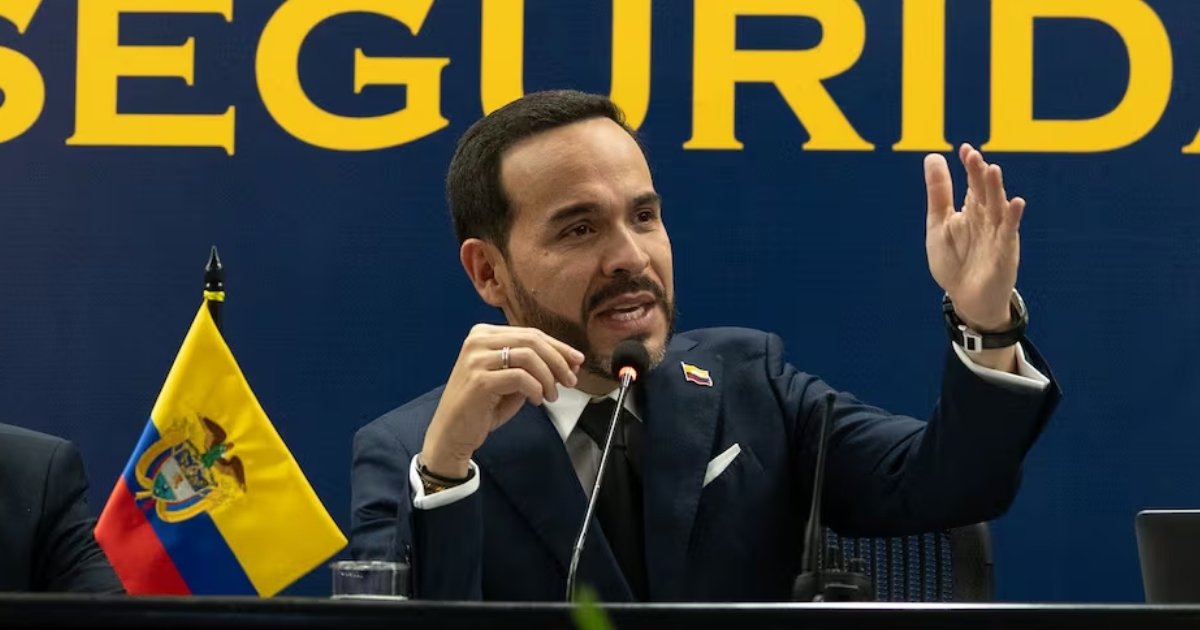
El presidente Abelardo De La Espriella anunció la protección estatal para RCN, Caracol Televisión y la revista Semana ante las alertas de atentado atribuidas al ELN. · Minuto60
Abelardo Orders Protection for Caracol, RCN and Semana After Threats
President Abelardo De La Espriella attributed the attack alerts against RCN and Caracol Television to the ELN, ordered the full capacity of the State to…
Abelardo Orders Protection for Caracol, RCN and Semana After Threats
President Abelardo De La Espriella attributed the attack alerts against RCN and Caracol Television to the ELN, ordered the full capacity of the State to…
--- The context ---
President Abelardo De La Espriella spoke this Sunday about threats of possible attacks against media outlets in Bogota, following the intelligence alerts that became known over the weekend.
According to his statement, published on his X account, the president rejected the intimidation and expressed his solidarity with the journalists and workers of the outlets named in the alerts.
--- The facts ---
The president attributed the intelligence alerts to the National Liberation Army (ELN) and said he had issued precise instructions for the full capacity of the State to protect RCN and Caracol Television, their journalists, workers and families.
The president also ordered reinforced protection for Semana magazine, so the security measures are not limited to the two channels initially mentioned in the intelligence alerts.
According to his statement, no narcoterrorist group will silence the media through threats, intimidation or acts of violence, because freedom of the press is sacred and must be respected.
--- The positions ---
Defense Minister Jorge Mora, a retired general, said his ministry will deploy the necessary capabilities to prevent any attack, clarify these events, and identify and capture those responsible for the intimidation.
Ombudswoman Iris Marin Ortiz described the information about the alleged threats as serious and deeply worrying, expressed her solidarity with the channel's workers and called for the facts to be clarified quickly.
Attorney General Gregorio Eljach rejected the possible violent actions and said that no intimidation can bend freedom of the press or prevent the free exercise of journalism in Colombia.
--- What remains unknown ---
The source does not confirm exactly who would be behind the intimidation, nor whether the intelligence verifications have already established the full truth of the threats against the facilities mentioned.
It also does not specify what concrete protection measures each outlet received, how long the reinforcements will remain in place, or what results the investigations announced by the authorities have produced so far.
--- Unanswered questions ---
What exactly did the intelligence agencies verify about the alerts attributed to the ELN? What effective protection did each outlet and each threatened journalist receive? When will the first results of the investigation into this intimidation be known?
--- EPM analysis ---
The presidential response places the protection of the press at the highest level of the State and sends a clear institutional signal: the threatened outlets are not left alone while intelligence verifications move forward.
The next challenge is to turn that order into verifiable and sustained protection, with transparent information about the progress of the investigations and without fear changing the news agenda of the protected outlets.
📌 EPM Take: In EPM's view, protecting threatened media with the full capacity of the State is the right response, and its real value will be measured by whether no journalist has to work in fear or soften their coverage: freedom of the press is defended with permanent institutional presence, investigations that reach those responsible and equal guarantees for every outlet, large or small, because a democracy where the press feels alone in the face of armed threats begins to lose its ability to watch over power and to tell the country what happens every day.
--- The context ---
President Abelardo De La Espriella spoke this Sunday about threats of possible attacks against media outlets in Bogota, following the intelligence alerts that became known over the weekend.
According to his statement, published on his X account, the president rejected the intimidation and warned that in Colombia the law and the authority of the State rule, not terrorism.
--- The facts ---
The president attributed the intelligence alerts to the National Liberation Army (ELN) and said he had issued precise instructions for the full capacity of the State to protect RCN and Caracol Television, their journalists, workers and families.
The president also ordered reinforced protection for Semana magazine, so the security measures are not limited to the two channels initially mentioned in the intelligence alerts.
According to his statement, no narcoterrorist group will silence the media through threats, intimidation or acts of violence, because freedom of the press is sacred and must be respected.
--- The positions ---
Defense Minister Jorge Mora, a retired general, said his ministry will deploy the necessary capabilities to prevent any attack, clarify these events, and identify and capture those responsible for the intimidation.
Ombudswoman Iris Marin Ortiz described the information about the alleged threats as serious and deeply worrying, expressed her solidarity with the channel's workers and called for the facts to be clarified quickly.
Attorney General Gregorio Eljach rejected the possible violent actions and said that no intimidation can bend freedom of the press or prevent the free exercise of journalism in Colombia.
--- What remains unknown ---
The source does not confirm exactly who would be behind the intimidation, nor whether the intelligence verifications have already established the full truth of the threats against the facilities mentioned.
It also does not specify what concrete protection measures each outlet received, how long the reinforcements will remain in place, or what results the investigations announced by the authorities have produced so far.
--- Unanswered questions ---
What exactly did the intelligence agencies verify about the alerts attributed to the ELN? What effective protection did each outlet and each threatened journalist receive? When will the first results of the investigation into this intimidation be known?
--- EPM analysis ---
The presidential order is a demonstration of authority: faced with an armed group seeking to intimidate the press, the State responds by protecting the media and pursuing those responsible, without giving ground.
The announced firmness must now be sustained with captures and effective intelligence, because every threat that remains without identified culprits encourages new intimidation against journalists and against any institution in the country.
📌 EPM Take: In EPM's view, the president's response draws the correct line of authority: no narcoterrorist group will silence the Colombian press, and those words will only count if they come with intelligence that prevents the attack, visible protection for the media and captures of those who planned the intimidation, because freedom of the press is also defended by enforcing the law with all its force, without hesitation and without allowing fear to decide what gets published in this country or who may practice journalism in its cities.
Abelardo ordena proteger a Caracol, RCN y Semana ante amenazas
El presidente Abelardo De La Espriella atribuyó al ELN las alertas de atentado contra RCN y Caracol Televisión, ordenó volcar toda la capacidad del Estado a…
Abelardo ordena proteger a Caracol, RCN y Semana ante amenazas
El presidente Abelardo De La Espriella atribuyó al ELN las alertas de atentado contra RCN y Caracol Televisión, ordenó volcar toda la capacidad del Estado a…
--- El contexto ---
El presidente Abelardo De La Espriella se pronunció este domingo sobre las amenazas de posibles atentados contra medios de comunicación en Bogotá, tras las alertas de inteligencia conocidas durante el fin de semana.
Según su pronunciamiento, publicado en su cuenta de X, el mandatario rechazó las intimidaciones y expresó su solidaridad con los periodistas y trabajadores de los medios señalados en las alertas.
--- Los hechos ---
El presidente atribuyó las alertas de inteligencia al Ejército de Liberación Nacional (ELN) y afirmó que impartió instrucciones precisas para que toda la capacidad del Estado se vuelque a proteger a RCN y a Caracol Televisión, a sus periodistas, trabajadores y familias.
El mandatario ordenó reforzar también la protección de la revista Semana, de manera que las medidas de seguridad no se limitan a los dos canales mencionados inicialmente en las alertas de inteligencia.
De acuerdo con su pronunciamiento, ningún grupo narcoterrorista va a silenciar a los medios de comunicación mediante amenazas, intimidaciones o actos de violencia, porque la libertad de prensa es sagrada y se respeta.
--- Las posiciones ---
El ministro de Defensa, el general en retiro Jorge Mora, aseguró que su cartera desplegará las capacidades necesarias para prevenir cualquier atentado, esclarecer estos hechos, identificar y capturar a los responsables de las intimidaciones.
La defensora del Pueblo, Iris Marín Ortiz, calificó la información sobre las presuntas amenazas como grave y profundamente preocupante, manifestó su solidaridad con los trabajadores del canal y pidió esclarecer los hechos con rapidez.
El procurador general de la Nación, Gregorio Eljach, rechazó las posibles acciones violentas y señaló que ninguna intimidación puede doblegar la libertad de prensa ni impedir el ejercicio libre del periodismo en Colombia.
--- Lo que falta saber ---
La fuente no confirma quiénes estarían detrás de las intimidaciones en concreto, ni si las verificaciones de inteligencia ya establecieron la veracidad plena de las amenazas contra las instalaciones mencionadas.
Tampoco se precisa qué medidas concretas de protección recibió cada medio, por cuánto tiempo se mantendrán los refuerzos ni qué resultados han arrojado hasta ahora las investigaciones anunciadas por las autoridades.
--- Preguntas sin respuesta ---
¿Qué verificaron exactamente los organismos de inteligencia sobre las alertas atribuidas al ELN? ¿Qué protección efectiva recibió cada medio y cada periodista amenazado? ¿Cuándo se conocerán los primeros resultados de la investigación sobre estas intimidaciones?
--- Análisis EPM ---
La respuesta presidencial coloca la protección de la prensa en el nivel más alto del Estado y envía una señal institucional clara: los medios amenazados no quedan solos mientras avanzan las verificaciones de inteligencia.
El desafío siguiente es convertir esa orden en protección verificable y sostenida, con información transparente sobre el avance de las investigaciones y sin que el temor modifique la agenda informativa de los medios protegidos.
📌 Conclusion EPM: A juicio de EPM, proteger a los medios amenazados con toda la capacidad del Estado es la respuesta correcta, y su valor real se medirá en que ningún periodista tenga que trabajar con miedo ni bajar el tono de su cobertura: la libertad de prensa se defiende con presencia institucional permanente, investigaciones que lleguen a los responsables y garantías iguales para todos los medios, grandes o pequeños, porque una democracia donde la prensa se siente sola frente a las amenazas armadas empieza a perder su capacidad de vigilar al poder y de contarle al país lo que ocurre cada día.
--- El contexto ---
El presidente Abelardo De La Espriella se pronunció este domingo sobre las amenazas de posibles atentados contra medios de comunicación en Bogotá, tras las alertas de inteligencia conocidas durante el fin de semana.
Según su pronunciamiento, publicado en su cuenta de X, el mandatario rechazó las intimidaciones y advirtió que en Colombia impera la ley y la autoridad del Estado, no el terrorismo.
--- Los hechos ---
El presidente atribuyó las alertas de inteligencia al Ejército de Liberación Nacional (ELN) y afirmó que impartió instrucciones precisas para que toda la capacidad del Estado se vuelque a proteger a RCN y a Caracol Televisión, a sus periodistas, trabajadores y familias.
El mandatario ordenó reforzar también la protección de la revista Semana, de manera que las medidas de seguridad no se limitan a los dos canales mencionados inicialmente en las alertas de inteligencia.
De acuerdo con su pronunciamiento, ningún grupo narcoterrorista va a silenciar a los medios de comunicación mediante amenazas, intimidaciones o actos de violencia, porque la libertad de prensa es sagrada y se respeta.
--- Las posiciones ---
El ministro de Defensa, el general en retiro Jorge Mora, aseguró que su cartera desplegará las capacidades necesarias para prevenir cualquier atentado, esclarecer estos hechos, identificar y capturar a los responsables de las intimidaciones.
La defensora del Pueblo, Iris Marín Ortiz, calificó la información sobre las presuntas amenazas como grave y profundamente preocupante, manifestó su solidaridad con los trabajadores del canal y pidió esclarecer los hechos con rapidez.
El procurador general de la Nación, Gregorio Eljach, rechazó las posibles acciones violentas y señaló que ninguna intimidación puede doblegar la libertad de prensa ni impedir el ejercicio libre del periodismo en Colombia.
--- Lo que falta saber ---
La fuente no confirma quiénes estarían detrás de las intimidaciones en concreto, ni si las verificaciones de inteligencia ya establecieron la veracidad plena de las amenazas contra las instalaciones mencionadas.
Tampoco se precisa qué medidas concretas de protección recibió cada medio, por cuánto tiempo se mantendrán los refuerzos ni qué resultados han arrojado hasta ahora las investigaciones anunciadas por las autoridades.
--- Preguntas sin respuesta ---
¿Qué verificaron exactamente los organismos de inteligencia sobre las alertas atribuidas al ELN? ¿Qué protección efectiva recibió cada medio y cada periodista amenazado? ¿Cuándo se conocerán los primeros resultados de la investigación sobre estas intimidaciones?
--- Análisis EPM ---
La orden presidencial es una demostración de autoridad: frente a un grupo armado que busca intimidar a la prensa, el Estado responde protegiendo a los medios y persiguiendo a los responsables, sin ceder terreno.
La firmeza anunciada deberá sostenerse con capturas e inteligencia efectiva, porque cada amenaza que queda sin responsables identificados alienta nuevas intimidaciones contra periodistas y contra cualquier institución del país.
📌 Conclusion EPM: A juicio de EPM, la respuesta del presidente marca la línea correcta de autoridad: ningún grupo narcoterrorista silenciará a la prensa colombiana, y esa frase solo valdrá si viene acompañada de inteligencia que prevenga el atentado, protección visible para los medios y capturas de quienes planearon la intimidación, porque la libertad de prensa también se defiende ejerciendo la ley con toda su fuerza, sin titubeos y sin permitir que el miedo decida qué se publica en este país ni quién puede ejercer el periodismo en sus ciudades.