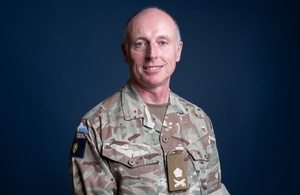
El teniente general Phil Prosser asume como jefe de Logística y Apoyo de la Defensa. · GOV.UK
Phil Prosser takes charge of UK defence logistics and support leadership
Lieutenant General Phil Prosser has taken over as Chief of Defence Logistics and Support, leading the National Armaments Logistics and Support organisation and…
Prosser takes command of support for Britain's Armed Forces front line
Lieutenant General Phil Prosser took command today as Chief of Defence Logistics and Support, leading the National Armaments Logistics and Support…
Lieutenant General Phil Prosser took over today as Chief of Defence Logistics and Support, known by the initials CDLS, from where he will lead Support operations for the British Armed Forces. His arrival marks a handover at the head of the organisation responsible for making sure support reaches those who need it, where and when they need it.
--- The context ---
The new chief leads the National Armaments Logistics and Support organisation, which enables Defence activities around the world today while continually modernising and integrating how Support will be delivered in the future. As Function Owner for Support, his mandate includes improving coherence and performance of Support across Defence, a responsibility that reaches every service and every team that keeps operations moving.
--- The facts ---
Prosser succeeds Vice Admiral Sir Andy Kyte, who leaves the post after three years as CDLS and over 39 years of service. On joining, the new chief said that taking over is a privilege and praised the talented military and civilian people who deliver Support for Defence every day. He also thanked his predecessor for his outstanding leadership and vision, saying that Kyte leaves a strong legacy and a clear sense of direction to build on.
--- The positions ---
Rupert Pearce, the National Armaments Director, welcomed Prosser and stressed that he brings a wealth of operational and leadership experience and is exceptionally well placed to lead Support through its next chapter. Pearce added that Support must remain at the heart of warfighting readiness and paid tribute to Kyte's contribution. For his part, Kyte said it had been an honour to serve as CDLS over the last three years and that the continued modernisation of Support is critical to Defence's success.
--- What remains unknown ---
The concrete first steps of the new chief have not yet been detailed, nor has the timetable for the next phases of modernising and integrating Support. It also remains to be seen how priorities will be balanced between the immediate needs of the front line and the longer-term transformation that Prosser has pledged to drive, working with colleagues across Defence and industry to strengthen the Support Enterprise.
--- Unanswered questions ---
What concrete measures will Prosser announce in his first weeks leading Support? How will he balance daily delivery for the front line with modernising the system? What changes will the military and civilian people who sustain Support every day notice first?
--- EPM analysis ---
The handover combines continuity with ambition: the outgoing chief leaves a defined vision and progress in modernisation, and the incoming one promises to strengthen the Support Enterprise without neglecting delivery today. The shared emphasis on the people who provide the service and on warfighting readiness suggests that the new chapter will be judged both on daily results and on lasting transformation.
📌 EPM Take: In EPM's view, Prosser's appointment is right to focus on people and on everyday service without giving up on modernisation, because Support only fulfils its mission when it arrives on time for those who need it. The welcome from Pearce and the backing from Kyte point to an orderly transition with a clear direction. The challenge will be to turn that consensus into visible improvements for the front line and for the civilian and military personnel who sustain the system every day around the world.
Lieutenant General Phil Prosser took command today as Chief of Defence Logistics and Support, known by the initials CDLS, with the mission of leading Support operations for the British Armed Forces. His declared priority is clear: deliver for the front line today while modernising the Support that tomorrow's fighting will demand.
--- The context ---
As CDLS, Prosser leads the National Armaments Logistics and Support organisation, which enables Defence activities around the world today and must continually modernise and integrate how Support will be delivered in the future. He is also the Function Owner for Support, responsible for improving its coherence and performance across Defence, a task that demands order, discipline and measurable results.
--- The facts ---
Prosser succeeds Vice Admiral Sir Andy Kyte, who steps down after three years as CDLS and over 39 years of service. On joining, the new chief said that taking over is a privilege and that he will lead the military and civilian people who deliver Support for Defence every day. He thanked Kyte for his outstanding leadership and vision, and said that his predecessor leaves a strong legacy and a clear sense of direction for Support on which he is proud to build.
--- The positions ---
Rupert Pearce, the National Armaments Director, welcomed Prosser and noted that he brings a wealth of operational and leadership experience and is exceptionally well placed to lead Support through its next chapter. Pearce insisted that Support must remain at the heart of warfighting readiness. Kyte, for his part, said it had been an honour to serve as CDLS over the last three years and that the continued modernisation of Support is critical to Defence's success, adding that Support is in excellent hands.
--- What remains unknown ---
It remains to be seen what concrete decisions Prosser will take to strengthen the Support Enterprise and ensure the Armed Forces receive what they need, where and when they need it. No deadlines have been announced for the next phases of transformation, nor how the system's performance will be measured under his command, in a world he himself described as increasingly complex and challenging.
--- Unanswered questions ---
Will Prosser keep up the pace of modernisation he inherits from Kyte? What concrete standards will he set so that Support always reaches the front line on time? How will the Support Enterprise be strengthened alongside industry in the coming months?
--- EPM analysis ---
The handover takes place with discipline and without rupture: a commander with over 39 years of service hands over a structure with a clear vision and strong foundations, and a successor with operational experience takes the baton with the front line as his priority. In times of growing demands, that continuity in the command of Support is itself an asset for the country's military readiness.
📌 EPM Take: In EPM's view, Prosser's appointment reinforces what matters most: Support designed for warfighting, with the front line as the priority and modernisation as a permanent duty. His operational and leadership experience, recognised by both Pearce and Kyte, offers a guarantee of command in a function that is critical to Defence's success. The standard will be demanding: every unit must receive what it needs, where and when it needs it, without failure or delay, as warfighting readiness requires.
Phil Prosser asume la jefatura de logística y apoyo de la Defensa británica
El teniente general Phil Prosser asumió como jefe de Logística y Apoyo de la Defensa, al frente de la organización nacional de logística y apoyo y como…
Prosser toma el mando del apoyo logístico de las Fuerzas Armadas británicas
El teniente general Phil Prosser asumió hoy como jefe de Logística y Apoyo de la Defensa, al mando de la organización nacional de logística y apoyo.
El teniente general Phil Prosser asumió hoy como jefe de Logística y Apoyo de la Defensa, el cargo conocido por sus siglas CDLS, desde el que liderará el apoyo de las Fuerzas Armadas británicas. Su llegada marca el relevo al frente de la organización encargada de hacer posible que el apoyo llegue a quienes lo necesitan, en el lugar y en el momento en que lo necesitan.
--- El contexto ---
El nuevo jefe queda al frente de la organización nacional de logística y apoyo en materia de armamento, responsable de hacer posibles las actividades de Defensa en todo el mundo en el presente y, al mismo tiempo, de modernizar e integrar la forma en que ese apoyo se prestará en el futuro. Como responsable funcional del área, su mandato incluye mejorar la coherencia y el rendimiento del apoyo en todo el ámbito de la Defensa.
--- Los hechos ---
Prosser sucede al vicealmirante Sir Andy Kyte, que deja el puesto tras tres años al frente y más de 39 años de servicio. Al incorporarse, el nuevo jefe expresó que asumir el cargo es un privilegio y destacó al personal militar y civil, talentoso, que hace posible el apoyo a la Defensa cada día. También agradeció a su antecesor su destacado liderazgo y su visión, y afirmó que deja un legado sólido y un sentido claro de dirección sobre el que construir.
--- Las posiciones ---
El director nacional de Armamento, Rupert Pearce, dio la bienvenida a Prosser y subrayó que aporta una amplia experiencia operativa y de liderazgo, por lo que está excepcionalmente bien situado para guiar el apoyo en su próxima etapa. Pearce añadió que el apoyo debe permanecer en el corazón de la preparación para el combate y rindió homenaje a la contribución de Kyte. Por su parte, Kyte afirmó que fue un honor servir como CDLS durante tres años y que la modernización continua del apoyo es crítica para el éxito de la Defensa.
--- Lo que falta saber ---
Todavía no se han detallado los primeros pasos concretos del nuevo jefe ni el calendario de las próximas fases de modernización e integración del apoyo. Tampoco se conoce cómo se repartirán las prioridades entre las necesidades inmediatas de la primera línea y la transformación de largo plazo que Prosser se ha comprometido a impulsar junto a colegas de Defensa y de la industria para fortalecer la empresa de apoyo.
--- Preguntas sin respuesta ---
¿Qué medidas concretas anunciará Prosser en sus primeras semanas al frente del apoyo? ¿Cómo equilibrará la entrega diaria a la primera línea con la modernización del sistema? ¿Qué cambios notará el personal militar y civil que sostiene el apoyo cada día?
--- Análisis EPM ---
El relevo combina continuidad y ambición: el mando saliente deja una visión definida y avances en la modernización, y el entrante promete fortalecer la empresa de apoyo sin descuidar la entrega presente. El énfasis compartido en las personas que prestan el servicio y en la preparación para el combate sugiere que la etapa que se abre medirá su éxito tanto en los resultados diarios como en la transformación.
📌 Conclusion EPM: A juicio de EPM, el nombramiento de Prosser acierta al poner el foco en las personas y en el servicio diario sin renunciar a la modernización, porque el apoyo solo cumple su misión cuando llega a tiempo a quien lo necesita. La bienvenida de Pearce y el respaldo de Kyte dibujan una transición ordenada y con rumbo claro. El reto será convertir ese consenso en mejoras visibles para la primera línea y para el personal civil y militar que sostiene el sistema cada jornada en todo el mundo.
El teniente general Phil Prosser tomó hoy el mando como jefe de Logística y Apoyo de la Defensa, el cargo conocido por sus siglas CDLS, con la misión de liderar las operaciones de apoyo de las Fuerzas Armadas británicas. Su prioridad declarada es clara: cumplir hoy con la primera línea mientras se moderniza el apoyo que necesitará el combate de mañana.
--- El contexto ---
Como CDLS, Prosser lidera la organización nacional de logística y apoyo en materia de armamento, que hace posibles las actividades de Defensa en todo el mundo en el presente y debe modernizar e integrar de forma continua cómo se entregará el apoyo en el futuro. Es además el responsable funcional del apoyo, encargado de mejorar su coherencia y su rendimiento en todo el ámbito de la Defensa, una tarea de orden y eficacia.
--- Los hechos ---
Prosser sucede al vicealmirante Sir Andy Kyte, que se retira del cargo tras tres años como CDLS y más de 39 años de servicio. Al incorporarse, el nuevo jefe afirmó que asumir el mando es un privilegio y que liderará al personal militar y civil que entrega el apoyo cada día. Agradeció a Kyte su destacado liderazgo y su visión, y sostuvo que deja un legado sólido y una dirección clara para el apoyo, base sobre la que se propone construir.
--- Las posiciones ---
El director nacional de Armamento, Rupert Pearce, dio la bienvenida a Prosser y destacó que trae consigo una gran experiencia operativa y de liderazgo, y que está excepcionalmente bien situado para liderar el apoyo en su próximo capítulo. Pearce insistió en que el apoyo debe seguir en el corazón de la preparación para el combate. Kyte, por su parte, declaró que fue un honor servir tres años como CDLS y que la modernización continua del apoyo es crítica para el éxito de la Defensa.
--- Lo que falta saber ---
Queda por ver qué decisiones concretas adoptará Prosser para fortalecer la empresa de apoyo y garantizar que las Fuerzas Armadas reciban lo que necesitan, dónde y cuándo lo necesitan. Tampoco se han anunciado plazos para las siguientes fases de transformación ni cómo se medirá el rendimiento del sistema bajo su mando, en un entorno mundial que él mismo describió como cada vez más complejo y desafiante.
--- Preguntas sin respuesta ---
¿Mantendrá Prosser el ritmo de modernización que hereda de Kyte? ¿Qué exigencias concretas fijará para que el apoyo llegue siempre a tiempo a la primera línea? ¿Cómo se fortalecerá la empresa de apoyo junto a la industria en los próximos meses?
--- Análisis EPM ---
El relevo se produce con disciplina y sin rupturas: un mando con más de 39 años de servicio entrega una estructura con visión y fundamentos sólidos, y otro con experiencia operativa toma el testigo con la primera línea como prioridad. En tiempos de exigencia creciente, esa continuidad en el mando del apoyo es en sí misma un activo para la preparación militar del país.
📌 Conclusion EPM: A juicio de EPM, la designación de Prosser refuerza lo esencial: un apoyo pensado para el combate, con la primera línea como prioridad y la modernización como deber permanente. Su experiencia operativa y de liderazgo, reconocida tanto por Pearce como por Kyte, ofrece garantías de mando en una función crítica para el éxito de la Defensa. La vara de medir será exigente: que cada unidad reciba lo que necesita, donde y cuando lo necesita, sin fallos ni demoras, como exige la preparación para el combate.