Salvadorans in the United States earn 54.2% more in a decade
Per capita income for Salvadoran-born residents in the United States rose from USD 21,632 in 2013 to USD 33,351 in 2023, with labor participation at 73.6% and…
Salvadoran income rises in the United States, yet the gap persists
Salvadoran income in the United States grew 54.2% to USD 33,351 in 2023, but stayed below native USD 42,273 and foreign USD 49,552, with heavy concentration in…
--- The context ---
Salvadoran-born residents in the United States reached 2023 with higher income, more work and far greater connectivity than ten years earlier. A report in the Cuaderno sobre Desarrollo Humano 2026, built with estimates from the Encuesta sobre la Comunidad Estadounidense, portrays a diaspora that reduced family poverty and expanded broadband access at home.
--- The facts ---
Annual per capita income for that population rose from USD 21,632 in 2013 to USD 33,351 in 2023, a growth of 54.2%. Economic participation among people aged 16 or older reached 73.6% in 2023, above 67.5% for the immigrant population and 61.3% for the native population. Family poverty fell from 19.1% in 2013 to 13.3% in 2023, and broadband reached 91.4% of households, compared with 63.7% recorded in 2013.
The connectivity gap shows how far that advance travelled in a decade. In 2013 only 63.7% of Salvadoran households had a broadband subscription, below 72.6% among native households and 73.5% among foreign households, and by 2023 that subscription already reached 91.4% of Salvadoran households, closing almost all of the distance that had separated them.
--- The positions ---
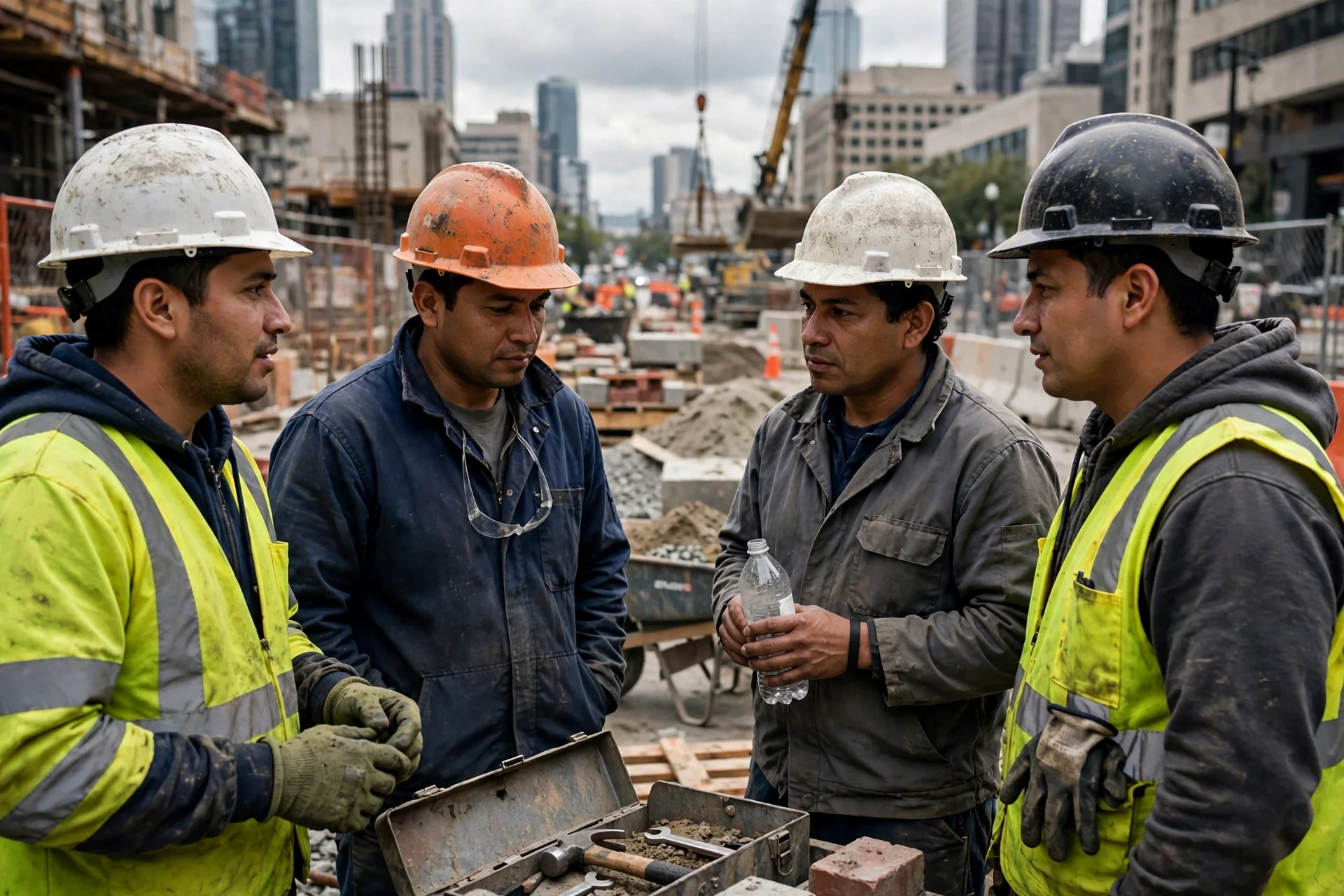
The report places the Salvadoran diaspora as the population with the lowest poverty level in northern Central America, below Guatemalan and Honduran families. It also attributes part of the remaining distance to occupational distribution, because construction concentrated 18.9% of Salvadoran workers, accommodation and food services 12.8%, waste services 11.6%, manufacturing 10% and health and social assistance 8.1%.
--- What remains unknown ---
The portrait runs through 2023 and does not show how income, poverty and housing performed later. It is also unclear how much of the increase came from better wages and how much from more hours or more members working in each household, factors that need more recent data.
--- Unanswered questions ---
Did the poverty reduction that took the family rate from 19.1% to 13.3% continue after 2023? Can a population with 73.6% labor participation gain access in greater proportion to higher income jobs? Will home ownership reach more households than the 47.3% recorded in 2023? Will the distance to native income of USD 42,273 and foreign income of USD 49,552 that increased during the last decade begin to narrow?
--- EPM analysis ---
These figures show households that gained stability without ceasing to work hard. Falling poverty, the connectivity jump from 63.7% to 91.4% and participation above the native level describe practical integration. Even so, only 47.3% occupied an owned home or one being purchased, compared with 55.7% of foreign households and 67.1% of native households, so progress still rests on a weaker wealth base.
📌 EPM Take: In EPM's view, the central fact is not only that Salvadoran income grew 54.2% in a decade, but that this progress arrived with more employment, less poverty and nearly full digital connection at home. That combination speaks of a diaspora that integrated itself through work and measurably improved everyday life. The pending task is also clear, because earning more than before does not yet mean catching up, and turning that effort into housing, stability and better occupations will be the true test of progress.
--- The context ---
The Salvadoran-born population raised its income in the United States during a decade of intense work, but the destination still sits far from the national average. A report in the Cuaderno sobre Desarrollo Humano 2026, with estimates from the Encuesta sobre la Comunidad Estadounidense, shows real improvement that does not erase the persistent concentration in lower paid occupations.
--- The facts ---
Annual per capita income moved from USD 21,632 in 2013 to USD 33,351 in 2023, with growth of 54.2%. In that same year, the native population recorded USD 42,273 and the foreign population USD 49,552, and the report states that the distance from both groups increased during the decade. Construction employed 18.9% of Salvadoran workers, compared with 6.2% among natives, followed by accommodation and food at 12.8%, waste services at 11.6%, manufacturing at 10% and health and social assistance at 8.1%.
Regional poverty data also puts that effort in perspective and shows its limits. The report places the Salvadoran diaspora as the population with the lowest poverty level in northern Central America, below Guatemalan and Honduran families, a relative lead that did not erase the internal distance, because its family rate remained above both the foreign and the native rates in 2023.
--- The positions ---
The document links the gap to that occupational structure and to restricted access to better paid employment. Salvadoran economic participation was the highest, at 73.6% against 67.5% for immigrants and 61.3% for natives, while family poverty, although it fell from 19.1% to 13.3%, remained above the foreign 11.9% and the native 8% in 2023.
--- What remains unknown ---
With data through 2023, it is not possible to know whether the income gap stopped widening afterward or whether the occupational composition associated with lower pay has changed. It is also unknown what share of households turned higher income into durable wealth, something housing data will need to confirm.
--- Unanswered questions ---
Why did the income distance increase in the same decade in which Salvadoran income grew 54.2%? Will a structure change where construction gathers 18.9% of workers compared with 6.2% among natives? Can home ownership rise above 47.3% and approach the native 67.1%? Will family poverty fall below 13.3% without repeating the effort already reflected by participation of 73.6%?
--- EPM analysis ---
The work effort is undeniable and also insufficient as an explanation of well-being. Working more than immigrants and natives did not prevent income from standing at USD 33,351 against USD 42,273 and USD 49,552, nor only 47.3% of households from occupying an owned home. Even broadband, which rose from 63.7% to 91.4%, shows that getting connected is easier than building capital when jobs pay less.
📌 EPM Take: In EPM's view, these figures reward effort and refute any complacent reading of the Salvadoran diaspora in the United States. Earning 54.2% more than a decade ago is an achievement built by working more than average, but the gap against natives and foreigners grew, poverty stayed higher and home ownership remained far behind. The merit of these families is enormous because they advanced with lower paid occupations, and that occupational limit, not a lack of work, is the central problem.
Salvadoreños en Estados Unidos ganan 54.2% más en una década
El ingreso per cápita de los nacidos en El Salvador en Estados Unidos subió de USD 21,632 en 2013 a USD 33,351 en 2023, con participación laboral de 73.6% y…
Ingreso salvadoreño crece en Estados Unidos, pero la brecha persiste
El ingreso salvadoreño en Estados Unidos creció 54.2% hasta USD 33,351 en 2023, pero quedó por debajo de los USD 42,273 nativos y los USD 49,552 extranjeros…
--- El contexto ---
La población nacida en El Salvador en Estados Unidos llega a 2023 con más ingreso, más trabajo y más conexión que diez años antes. Un informe del Cuaderno sobre Desarrollo Humano 2026, con estimaciones de la Encuesta sobre la Comunidad Estadounidense, retrata esa mejora.
--- Los hechos ---
El ingreso anual per cápita subió de USD 21,632 en 2013 a USD 33,351 en 2023, un crecimiento de 54.2%. La participación económica de 16 años o más alcanzó 73.6% en 2023, por encima del 67.5% inmigrante y del 61.3% nativo. La pobreza familiar bajó de 19,1% a 13,3%, y la banda ancha llegó al 91,4% de los hogares, frente al 63,7% de 2013.
La brecha de conectividad ayuda a medir ese avance con precisión. En 2013 solo el 63,7% de los hogares salvadoreños tenía banda ancha, frente al 72,6% de los hogares nativos y al 73,5% de los extranjeros, y en 2023 esa suscripción ya cubría al 91,4% de los hogares salvadoreños, un nivel prácticamente equiparado al del resto.
--- Las posiciones ---
El informe ubica a la diáspora salvadoreña como la población con el menor nivel de pobreza del norte de Centroamérica, por debajo de las familias guatemaltecas y hondureñas. A la vez, atribuye parte de la distancia que persiste a la distribución ocupacional, porque la construcción concentró al 18.9% de los trabajadores salvadoreños, el alojamiento y la alimentación al 12,8%, los residuos al 11.6%, la manufactura al 10% y la salud y la asistencia social al 8.1%.
--- Lo que falta saber ---
El retrato llega hasta 2023 y no muestra cómo siguieron ingreso, pobreza y vivienda después. Tampoco queda claro cuánto del aumento respondió a mejores salarios y cuánto a más horas o a más miembros trabajando por hogar.
--- Preguntas sin respuesta ---
¿Se mantuvo después de 2023 la reducción de la pobreza que llevó la tasa familiar de 19,1% a 13,3%? ¿Accederá esa población, con participación de 73.6%, a empleos de mayores ingresos? ¿Alcanzará la vivienda propia a más hogares que el 47,3% registrado en 2023? ¿Se cerrará la distancia frente a USD 42,273 nativos y USD 49,552 extranjeros?
--- Análisis EPM ---
Los hogares ganaron estabilidad sin dejar de trabajar mucho. La caída de la pobreza, el salto de la conectividad de 63,7% a 91,4% y una participación superior a la nativa describen integración práctica. Pero solo el 47,3% ocupaba vivienda propia o en proceso de compra, frente al 55,7% extranjero y al 67,1% nativo.
📌 Conclusion EPM: A juicio de EPM, el dato central no es solo que el ingreso salvadoreño creció 54.2% en una década, sino que ese progreso llegó con más empleo, menos pobreza y casi plena conexión digital en los hogares. Esa combinación habla de una diáspora que se integró trabajando y mejoró su vida cotidiana de forma medible. La tarea pendiente también queda clara, porque ganar más que antes no equivale a alcanzar al resto, y convertir ese esfuerzo en vivienda, estabilidad y mejores ocupaciones será la prueba verdadera del avance.
--- El contexto ---
La población nacida en El Salvador elevó su ingreso en Estados Unidos en una década de trabajo intenso, pero sigue lejos del promedio del país. Un informe del Cuaderno sobre Desarrollo Humano 2026 muestra esa mejora y la concentración persistente en ocupaciones de menor remuneración.
--- Los hechos ---
El ingreso anual per cápita pasó de USD 21,632 en 2013 a USD 33,351 en 2023, con un crecimiento de 54.2%. Ese año, la población nativa registró USD 42,273 y la extranjera USD 49,552, y la distancia respecto de ambos grupos aumentó en la década. La construcción ocupó al 18.9% de los trabajadores salvadoreños, frente al 6,2% nativo, seguida por alojamiento y alimentación con 12,8%, residuos con 11.6%, manufactura con 10% y salud y asistencia social con 8.1%.
También hay un dato de esfuerzo que matiza el panorama regional de la pobreza. El informe ubica a la diáspora salvadoreña como la de menor pobreza del norte de Centroamérica, por debajo de las familias guatemaltecas y hondureñas, un primer lugar relativo que no elimina la distancia interna, porque su tasa familiar siguió por encima de la extranjera y de la nativa en 2023.
--- Las posiciones ---
El documento vincula la brecha con esa estructura ocupacional y con restricciones de acceso a empleos mejor pagados. La participación económica salvadoreña fue la más alta, con 73.6% frente al 67.5% inmigrante y al 61.3% nativo, mientras la pobreza familiar, aunque bajó de 19,1% a 13,3%, siguió por encima del 11,9% extranjero y del 8% nativo en 2023.
--- Lo que falta saber ---
Con datos hasta 2023 no se sabe si la brecha dejó de ampliarse ni si cambió la composición ocupacional asociada con menores remuneraciones. Tampoco se conoce qué parte de los hogares transformó el mayor ingreso en patrimonio durable.
--- Preguntas sin respuesta ---
¿Por qué la distancia de ingreso aumentó en la misma década en que el ingreso salvadoreño creció 54.2%? ¿Cambiará una estructura donde la construcción reúne al 18.9% frente al 6,2% nativo? ¿Podrá la vivienda propia superar el 47,3% y acercarse al 67,1% nativo? ¿Bajará la pobreza por debajo del 13,3% con una participación ya en 73.6%?
--- Análisis EPM ---
El esfuerzo es innegable e insuficiente como explicación del bienestar. Trabajar más que inmigrantes y nativos no impidió que el ingreso quedara en USD 33,351 frente a USD 42,273 y USD 49,552, ni que solo el 47,3% ocupara vivienda propia. Conectarse, con banda ancha de 63,7% a 91,4%, resultó más fácil que capitalizarse.
📌 Conclusion EPM: A juicio de EPM, estas cifras premian el esfuerzo y desmienten cualquier lectura complaciente sobre la diáspora salvadoreña en Estados Unidos. Ganar 54.2% más que hace una década es un logro construido trabajando más que el promedio, pero la brecha frente a nativos y extranjeros creció, la pobreza siguió más alta y la vivienda propia quedó muy por detrás. El mérito de las familias es enorme porque avanzaron con ocupaciones de menor remuneración, y ese límite ocupacional, no la falta de trabajo, es el problema central.