Cali patrol officer charged over earthquake victim's money
A patrol officer in Cali was charged on 6 November with alleged embezzlement by appropriation and prevarication by omission.
Officer in Cali faces charges over earthquake victim's money
Prosecutors charged a patrol officer in Cali with alleged embezzlement by appropriation and prevarication by omission.
--- The context ---
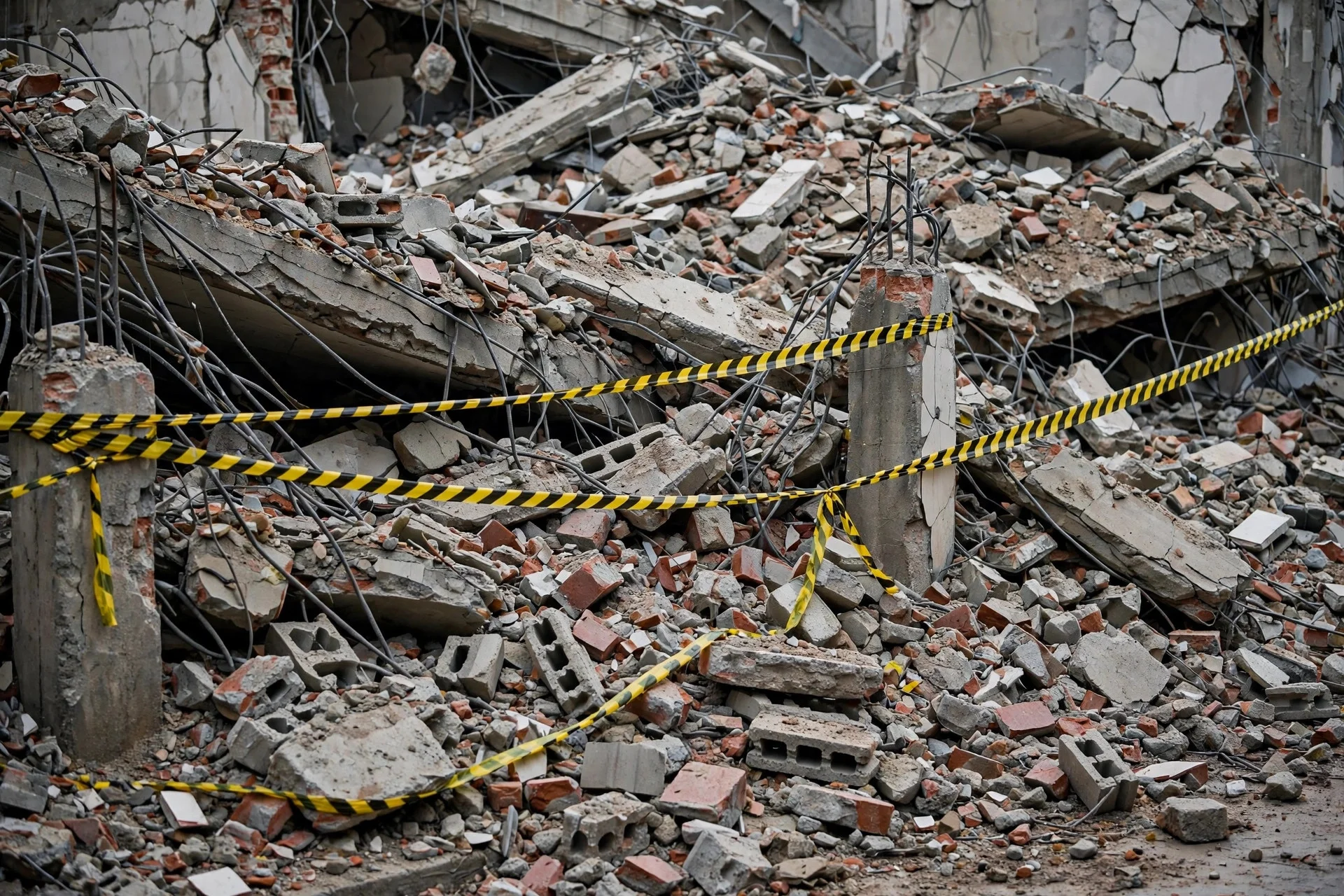
The case centres on money that was meant to remain in the custody of the authorities. The sum is $11,650,000 that belonged to a woman who died during the earthquake that struck Cali on 10 August 2026 and that was found among the rubble left by the emergency.
--- The facts ---
According to the investigation, the money was found among the rubble left by the emergency and a National Police patrol officer received it into custody. The officer also drew up a seizure record to document the procedure carried out at the scene.
Prosecutors say the officer allegedly failed to report the find to the competent authorities. The investigation states that he allegedly took the $11,650,000 to his home and reportedly used part of the funds that were under his care.
--- The positions ---
On 6 November, Military and Police Criminal Prosecutor's Office 2211 for Specialised Knowledge charged the officer with embezzlement by appropriation and prevarication by omission. Military and Police Guarantees Control Court 1718 endorsed the charges filed by prosecutors.
The patrol officer did not accept the charges and must answer within the judicial process. Although the judge endorsed the charges, that does not mean there is a conviction, and his responsibility must still be established during the proceedings on the evidence.
--- What remains unknown ---
The investigation seeks to establish the official's responsibility for handling money he had received in the course of his duties. Embezzlement by appropriation relates to the alleged use of assets held under official administration or custody, while prevarication by omission concerns the alleged failure to carry out acts required by the legal duties of the post.
--- Unanswered questions ---
What part of the $11,650,000 was allegedly used, according to the investigation? Why was the find allegedly not reported to the competent authorities? What evidence will prosecutors present to support each of the two charges filed in this case?
--- EPM analysis ---
The case focuses attention on the custody of belongings recovered after a tragedy and on the controls that must be followed when an official receives a victim's money. Each documented step, from the find to the seizure record, will be key to assessing what happened without rushing to conclusions.
📌 EPM Take:
In EPM's view, this case must be read with care and with full respect for the presumption of innocence. A judge has endorsed the charges, prosecutors have filed two counts and the officer has rejected them, but there is still no conviction and no established responsibility. What follows is a judicial process in which every document, every custody record and every statement must be tested calmly, because only that rigorous checking will establish what really happened to the victim's money and protect public trust during emergencies.
--- The context ---
Money that was meant to remain in the custody of the authorities is now at the centre of proceedings in the military criminal courts. The sum is $11,650,000 that belonged to a woman who died during the earthquake that struck Cali on 10 August 2026 and that was found among the rubble.
--- The facts ---
According to the investigation, the officer received the money into custody and even drew up a seizure record to document the procedure. That record is among the elements now being reviewed by the courts as they reconstruct what happened after the find.
Prosecutors say the patrol officer allegedly failed to report the find to the competent authorities and took the $11,650,000 to his residence. The investigation also states that he reportedly used part of the funds he had received in the course of his duties.
--- The positions ---
On 6 November, Military and Police Criminal Prosecutor's Office 2211 for Specialised Knowledge charged the officer with embezzlement by appropriation and prevarication by omission. Military and Police Guarantees Control Court 1718 endorsed the charges filed at the hearing.
The patrol officer did not accept the charges filed against him. Although the judge endorsed the charges, that is not equivalent to a conviction, and the officer must answer within the judicial process, where his responsibility for what happened to the money must be established.
--- What remains unknown ---
The first count relates to the alleged use or appropriation of assets that a public servant holds under administration or custody because of his functions. The second concerns the alleged omission of acts that form part of an official's legal obligations, as set out in the charges.
--- Unanswered questions ---
Can documents establish what happened to each part of the money? What records exist on custody from the moment of the find among the rubble? How will the defence respond to each of the charges filed by prosecutors in the proceedings?
--- EPM analysis ---
Beyond the individual case, the proceedings are a reminder of the importance of custody protocols when victims' belongings are recovered in an emergency. The traceability of the money, the record drawn up and the later reports will be decisive for the courts to decide on evidence and without pressure.
📌 EPM Take:
In EPM's view, the seriousness of the allegation requires an orderly process, with full guarantees and without early verdicts in public debate. Prosecutors filed two counts, a judge endorsed the charges and the officer did not accept them, so responsibility remains to be established. Preserving the chain of custody and reviewing each action against the evidence is the only legitimate way to clarify the facts, answer to the victim's family and sustain trust in the institutions that respond after a tragedy of this scale.
Patrullero en Cali imputado por presunto peculado tras el terremoto
Un patrullero en Cali fue imputado el 6 de noviembre por presunto peculado por apropiación y prevaricato por omisión.
Imputan a patrullero en Cali por dinero de víctima del terremoto
La Fiscalía imputó a un patrullero en Cali por presunto peculado por apropiación y prevaricato por omisión.
--- El contexto ---
Un dinero que debía permanecer bajo custodia de las autoridades es el centro del caso. Se trata de $11.650.000 que pertenecían a una mujer fallecida durante el terremoto que sacudió a Cali el 10 de agosto de 2026 y que fueron encontrados entre los escombros que dejó la emergencia.
--- Los hechos ---
Según la investigación, el dinero fue encontrado entre los escombros que dejó la emergencia y un patrullero de la Policía Nacional lo recibió bajo custodia. El uniformado elaboró un acta de incautación para dejar constancia del procedimiento realizado en el lugar de los hechos.
De acuerdo con la Fiscalía, el patrullero habría omitido informar el hallazgo a las autoridades competentes. La investigación sostiene que habría trasladado los $11.650.000 hasta su residencia y que presuntamente dispuso de una parte de los recursos que tenía bajo su cuidado.
--- Las posiciones ---
El pasado 6 de noviembre, la Fiscalía 2211 Penal Militar y Policial de Conocimiento Especializado imputó al policía los delitos de peculado por apropiación y prevaricato por omisión. El Juzgado 1718 Penal Militar y Policial de Control de Garantías avaló los cargos formulados por la Fiscalía.
El patrullero no aceptó los cargos y deberá responder dentro del proceso judicial. Aunque el juez avaló la imputación, esto no significa que exista una condena, y su responsabilidad deberá establecerse durante el proceso con base en las pruebas presentadas.
--- Lo que falta saber ---
La investigación busca establecer la responsabilidad del funcionario frente al manejo del dinero que había recibido en cumplimiento de sus funciones. El peculado por apropiación se relaciona con la presunta utilización de bienes bajo administración o custodia oficial, mientras el prevaricato por omisión corresponde a la presunta omisión de actuaciones propias de las obligaciones legales del cargo.
--- Preguntas sin respuesta ---
¿Qué parte de los $11.650.000 se habría utilizado según la investigación? ¿Por qué el hallazgo no habría sido informado a las autoridades competentes? ¿Qué pruebas presentará la Fiscalía para sostener cada uno de los dos cargos imputados en el proceso?
--- Análisis EPM ---
El caso pone el foco en la custodia de bienes recuperados tras una tragedia y en los controles que deben seguirse cuando un funcionario recibe dinero de una víctima. Cada paso documentado, desde el hallazgo hasta el acta de incautación, será clave para valorar lo ocurrido sin anticipar conclusiones.
📌 Conclusion EPM:
A juicio de EPM, este proceso debe leerse con prudencia y con respeto pleno por la presunción de inocencia. Hay una imputación avalada por un juez, dos cargos formulados por la Fiscalía y una negativa expresa del patrullero, pero todavía no hay una condena ni una responsabilidad establecida. Lo que sigue es un juicio donde cada documento, cada registro de custodia y cada testimonio deberán contrastarse con calma, porque solo esa verificación rigurosa permitirá saber qué ocurrió realmente con el dinero de la víctima y proteger la confianza ciudadana en momentos de emergencia.
--- El contexto ---
Un dinero que debía permanecer bajo custodia de las autoridades es hoy el centro de un proceso en la justicia penal militar. Se trata de $11.650.000 que pertenecían a una mujer fallecida durante el terremoto que sacudió a Cali el 10 de agosto de 2026 y que fueron hallados entre los escombros.
--- Los hechos ---
De acuerdo con la investigación, el uniformado recibió el dinero bajo custodia e incluso elaboró un acta de incautación para dejar constancia del procedimiento. Ese registro forma parte de los elementos que ahora revisa la justicia para reconstruir lo ocurrido tras el hallazgo.
Según la Fiscalía, el patrullero habría omitido informar el hallazgo a las autoridades competentes y trasladó los $11.650.000 hasta su residencia. La investigación señala además que presuntamente dispuso de una parte de los recursos que había recibido en cumplimiento de sus funciones.
--- Las posiciones ---
El pasado 6 de noviembre, la Fiscalía 2211 Penal Militar y Policial de Conocimiento Especializado imputó al policía los delitos de peculado por apropiación y prevaricato por omisión. El Juzgado 1718 Penal Militar y Policial de Control de Garantías avaló los cargos formulados en la audiencia.
El patrullero no aceptó los cargos formulados en su contra. Aunque el juez avaló la imputación, esto no equivale a una condena, y el uniformado deberá responder dentro del proceso judicial, donde tendrá que establecerse su responsabilidad por lo ocurrido con el dinero.
--- Lo que falta saber ---
El primer cargo está relacionado con la presunta utilización o apropiación de bienes que un servidor público tiene bajo su administración o custodia por sus funciones. El segundo corresponde a la presunta omisión de actuaciones que hacen parte de las obligaciones legales de un funcionario, según lo expuesto en la imputación.
--- Preguntas sin respuesta ---
¿Se podrá establecer con documentos qué ocurrió con cada parte del dinero? ¿Qué registros existen sobre la custodia desde el hallazgo entre los escombros? ¿Cómo responderá la defensa frente a cada uno de los cargos formulados por la Fiscalía?
--- Análisis EPM ---
Más allá del caso individual, el proceso recuerda la importancia de los protocolos de custodia cuando se recuperan bienes de víctimas en una emergencia. La trazabilidad del dinero, el acta elaborada y los informes posteriores serán determinantes para que la justicia decida con evidencia y sin presiones.
📌 Conclusion EPM:
A juicio de EPM, la seriedad del señalamiento exige un proceso ordenado, con garantías y sin condenas anticipadas en el debate público. La Fiscalía formuló dos cargos, el juez avaló la imputación y el patrullero no los aceptó, de modo que la responsabilidad sigue por establecerse. Preservar la cadena de custodia y revisar cada actuación con evidencia es la única vía legítima para aclarar los hechos, responder ante la familia de la víctima y mantener la confianza en las instituciones que actúan tras una tragedia de esta magnitud.