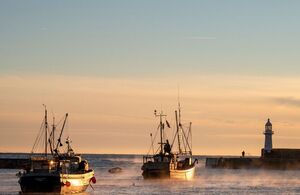
Embarcaciones pesqueras en aguas británicas: desde 2021 toda captura accidental de mamíferos marinos debe reportarse en 48 horas. · GOV.UK
UK reminder: reporting accidental marine mammal bycatch is not an offence
Since 2021, British vessel owners and masters must report every accidental marine mammal capture within 48 hours as a condition of their licence.
Report, do not conceal: the UK rule that only punishes silence on marine mammal bycatch
The duty in force since 2021 requires UK fishermen to report accidental captures of seals, porpoises, dolphins and whales within 48 hours of a trip ending.
--- The context ---
Accidental captures of marine mammals, known as bycatch, are a familiar reality in British waters: seals, harbour porpoises, dolphins and even whales are a common sight around the coast. Since 2021 the United Kingdom has required every such incident to be recorded, and the Marine Management Organisation has now updated its guidance to restate what fishermen must do and why it matters. Beneath the clarification sits a problem of trust: part of the industry worries that filing a report could be used against them, and the regulator wants to dispel that fear.
--- The facts ---
Since 2021, vessel owners and masters have been required, as a condition of their fishing licence, to report all incidents of accidental marine mammal capture within 48 hours of the end of a fishing trip. The duty covers interactions that result in injury, mortality or bycatch during lawful fishing activity. The organisation stresses that reporting an accidental interaction is not an offence and does not put fishermen at risk of any legal action; it is the failure to report an interaction that may lead to enforcement action.
There are two routes to comply: the official online reporting form, or the bycatch reporting template sent by email to the organisation's statistics team, or printed and sent by post.
--- The positions ---
Peter Clark, Director of Operations at the Marine Management Organisation, said fishermen value marine wildlife and do not intentionally seek to harm these animals, while recognising that bycatch interactions may occur unintentionally during lawful fishing. Clark said it is important to understand if, when and where such interactions happen, and that the information fishermen provide could help determine whether additional protective measures are required in the future. Aware of industry concerns, the organisation wanted to state its position clearly and in writing.
--- What remains unknown ---
The updated guidance offers no compliance figures: it is not known how many reports are filed each year or how many incidents go unrecorded. Nor does it spell out what happens if the data points to clusters of interactions in one area, or what additional measures might follow. The organisation itself acknowledges that the current picture is incomplete precisely because it depends on fishermen reporting every incident when it occurs.
--- Unanswered questions ---
How many bycatch reports are actually received each year compared with the incidents that take place at sea? What level of interaction would lead the regulator to consider additional protective measures in a given area? And how is it guaranteed that data supplied by a fisherman will not later be used against them in unrelated proceedings?
--- EPM analysis ---
The system rests on a familiar paradox: the authorities can only protect what they can measure, and they can only measure it if the industry trusts that declaring an incident is not the same as incriminating itself. The assurance that reporting is not an offence tries to resolve that tension, but its credibility will be decided in daily practice, not in press statements.
📌 EPM Take:
In EPM's view, this reminder matters less for the rule itself, which has existed since 2021, than for the trust it tries to build: a fisherman who reports within 48 hours is not informing on himself, he is supplying the only evidence that can protect marine mammals and the future of his own livelihood at the same time. The long-term sustainability of the fishing industry depends on that shared evidence base, and the regulator is right to treat the fleet as a partner in gathering information rather than as a permanent suspect in every accidental interaction at sea.
--- The context ---
Along the British coast, seals, harbour porpoises, dolphins and whales share the grounds with vessels working lawfully, and accidental captures are among the known risks of the trade. Since 2021 the United Kingdom has required those incidents to be recorded, and the Marine Management Organisation has again explained how the system works in response to industry questions: what must be reported, within what deadline and, above all, what follows from reporting and what follows from staying silent.
--- The facts ---
Under the rule in force since 2021, owners and masters must, as a condition of their licence, report every accidental capture of a marine mammal within 48 hours of the end of the fishing trip. The duty covers interactions causing injury, mortality or bycatch during lawful fishing activity. The organisation has been categorical on one point: reporting an accidental interaction is not an offence and carries no risk of legal action, whereas failing to report an interaction may lead to enforcement action.
The process is simple, with two routes: the official online form, or the template sent by email to the statistics team or printed and sent by post.
--- The positions ---
Peter Clark, Director of Operations at the Marine Management Organisation, said fishermen know these animals well, value marine wildlife and do not intentionally seek to harm or injure them, while acknowledging that interactions may occur unintentionally during lawful fishing. Clark added that the organisation needs to understand if, when and where such interactions are happening, and that the information fishermen provide could be used to decide whether further measures to protect these animals are required in the future. Responding to concerns raised by the industry, the organisation set out expressly that the legal risk lies not in reporting but in failing to report.
--- What remains unknown ---
The update gives no detail on enforcement action taken against those who failed to report, nor on what has been learned from the information gathered since 2021. It also leaves open what form any additional measures justified by the data might take, and how much weight the industry's voice would carry in designing them. Equally unclear is how each report is handled internally, and how quickly the information becomes public conclusions about where interactions are most frequent.
--- Unanswered questions ---
Has any enforcement action yet been taken against fishermen who failed to report an interaction since the duty took effect in 2021? What formal safeguards protect a fisherman who reports in good faith if his data is cross-checked against other proceedings? And what specific additional measures does the regulator envisage if the data shows frequent interactions on a particular fishing ground?
--- EPM analysis ---
The design of the rule rewards correct conduct and penalises only omission, a sensible order that respects the good faith of those who fish lawfully. For the industry, the real question is confidence that the administration will keep its word: data used for practical, proportionate solutions, not to expand regulation through the back door.
📌 EPM Take:
In EPM's view, the British system gets the incentives right: reporting is a simple, protected step with no legal cost, while concealing an interaction is the only sanctionable act. That clarity protects the honest fisherman and gives the authorities the evidence they need without treating an entire industry as suspect. If the regulator honours its commitment to use the data proportionately, the reporting duty will stop looking like bureaucratic burden and become what it actually is: a shared guarantee of a future for both fishing and marine wildlife.
Reino Unido recuerda: reportar capturas accidentales de mamíferos marinos no es delito
Desde 2021, propietarios y patrones británicos deben reportar en 48 horas toda captura accidental de mamíferos marinos como condición de su licencia.
Pescar y reportar: la norma británica que solo sanciona a quien oculta la captura
La obligación vigente desde 2021 en el Reino Unido exige comunicar en 48 horas las capturas accidentales de focas, marsopas, delfines y ballenas.
--- El contexto ---
La captura accidental de mamíferos marinos, conocida como bycatch, es una realidad familiar para quienes faenan en aguas británicas: focas, marsopas comunes, delfines e incluso ballenas forman parte del paisaje de la costa. El Reino Unido mantiene desde 2021 un sistema de registro obligatorio de estos incidentes, y la Marine Management Organisation ha actualizado su orientación para dejar claro qué deben hacer los pescadores y por qué importa que lo hagan. Detrás de la aclaración hay un problema de confianza: parte del sector teme que reportar pueda volverse en su contra, y la autoridad quiere desactivar ese temor con garantías explícitas.
--- Los hechos ---
Desde 2021, los propietarios y patrones de embarcaciones están obligados, como condición de su licencia de pesca, a reportar todos los incidentes de captura accidental de mamíferos marinos en un plazo de 48 horas tras el fin de la marea. La obligación abarca interacciones que provoquen lesiones, muerte o captura del animal durante la pesca legal. La organización subraya que reportar una interacción accidental no es un delito y no expone al pescador a ninguna acción legal; lo que sí puede derivar en medidas de ejecución es no reportar la interacción.
Existen dos vías para cumplir: el formulario oficial en línea, o la plantilla de reporte remitida por correo electrónico al equipo de estadísticas de la organización, o impresa y enviada por correo postal.
--- Las posiciones ---
Peter Clark, director de Operaciones de la Marine Management Organisation, explicó que los pescadores valoran la fauna marina y no buscan dañarla intencionadamente, aunque las interacciones accidentales pueden ocurrir durante la pesca legal. Clark sostuvo que es importante comprender si esas interacciones ocurren, cuándo y dónde, y que la información de los propios pescadores puede ayudar a determinar si harán falta medidas adicionales de protección. La organización reconoce las preocupaciones del sector y por eso ha dejado su postura por escrito con total claridad.
--- Lo que falta saber ---
La orientación actualizada no ofrece cifras de cumplimiento: no se sabe cuántos reportes se presentan al año ni cuántos incidentes quedan sin registrar. Tampoco se detalla qué ocurre si los datos sugieren concentraciones de interacciones en una zona, ni qué medidas adicionales podrían derivarse. La propia organización admite que la imagen actual es incompleta, precisamente porque depende de que los pescadores reporten cada incidente cuando ocurre.
--- Preguntas sin respuesta ---
¿Cuántos reportes de captura accidental se reciben realmente cada año frente a los incidentes que ocurren en el mar? ¿Qué umbral de interacciones haría que la autoridad considere medidas adicionales de protección en una zona determinada? ¿Y cómo se garantiza que los datos aportados por un pescador no se usen después en su contra en otro procedimiento?
--- Análisis EPM ---
El sistema descansa sobre una paradoja conocida: la administración solo puede proteger lo que puede medir, y solo puede medirlo si el sector confía en que declarar no equivale a autoinculparse. La garantía de que reportar no es delito intenta resolver esa tensión, pero su credibilidad se juega en la práctica diaria, no en los comunicados.
📌 Conclusion EPM:
A juicio de EPM, este recordatorio vale menos por la norma, que existe desde 2021, que por el mensaje de confianza que intenta construir: un pescador que reporta en 48 horas no se está delatando, está aportando el único dato que permite proteger a la vez a los mamíferos marinos y el futuro de su propio oficio. La sostenibilidad pesquera a largo plazo depende de esa evidencia compartida, y la autoridad acierta al tratar al sector como aliado en la recolección de información y no como sospechoso permanente de cada interacción accidental en el mar.
--- El contexto ---
En las costas británicas, focas, marsopas comunes, delfines y ballenas comparten caladero con embarcaciones que faenan legalmente, y los incidentes de captura accidental forman parte de los riesgos conocidos del oficio. Desde 2021, el Reino Unido exige que esos incidentes se registren, y la Marine Management Organisation ha vuelto a explicar el sistema ante las dudas del sector: qué se reporta, en qué plazo y, sobre todo, qué consecuencias tiene hacerlo y cuáles tiene no hacerlo.
--- Los hechos ---
La norma vigente desde 2021 obliga a propietarios y patrones, como condición de su licencia, a comunicar toda captura accidental de mamíferos marinos dentro de las 48 horas siguientes al fin de la marea. La obligación cubre las interacciones que causen lesiones, muerte o captura del animal durante la actividad pesquera legal. La organización ha sido tajante en un punto: reportar una interacción accidental no constituye delito ni expone a acción legal alguna; la omisión del reporte, en cambio, sí puede acarrear medidas de ejecución.
El trámite es sencillo y tiene dos vías: el formulario oficial en línea, o la plantilla enviada por correo electrónico al área de estadísticas o impresa y remitida por correo postal.
--- Las posiciones ---
Peter Clark, director de Operaciones de la Marine Management Organisation, afirmó que los pescadores conocen bien a estos animales, los valoran y no buscan dañarlos intencionadamente, aunque reconoció que las interacciones pueden producirse de manera involuntaria durante la pesca legal. Clark añadió que la organización necesita saber si esas interacciones ocurren, cuándo y dónde, y que los datos de los propios pescadores pueden servir para decidir si en el futuro se requieren medidas adicionales de protección. Ante las preocupaciones expresadas por el sector, la organización quiso dejar constancia expresa de que el riesgo legal no está en reportar, sino en callar.
--- Lo que falta saber ---
La actualización no detalla sanciones aplicadas por omisión de reportes, ni ofrece un balance de la información acumulada desde 2021. Tampoco aclara qué forma podrían tomar las eventuales medidas adicionales que los datos llegaran a justificar, ni qué peso tendría la voz del sector en su diseño. Queda sin precisar el tratamiento interno de cada reporte y el plazo en que la información se traduce en conclusiones públicas.
--- Preguntas sin respuesta ---
¿Ha habido ya medidas de ejecución contra pescadores que no reportaron una interacción desde que la obligación entró en vigor en 2021? ¿Qué garantías formales protegen al pescador que reporta de buena fe si sus datos se cruzan con otros procedimientos? ¿Y qué medidas adicionales concretas contempla la autoridad si los datos muestran interacciones frecuentes en un caladero?
--- Análisis EPM ---
El diseño de la norma premia la conducta correcta y castiga solo la omisión, un orden sensato que respeta la buena fe de quien faena legalmente. Para el sector, la clave es la confianza en que la administración cumplirá su palabra: datos usados para soluciones prácticas y proporcionadas, no para expandir la regulación por la puerta de atrás.
📌 Conclusion EPM:
A juicio de EPM, el sistema británico acierta al poner el deber donde debe estar: reportar es un trámite sencillo, protegido y sin coste legal, mientras que ocultar la interacción es lo único sancionable. Esa claridad protege al pescador honrado y le da a la administración la evidencia que necesita sin tratar a todo un sector como sospechoso. Si la autoridad usa los datos con proporcionalidad, el registro dejará de verse como carga burocrática y será lo que en realidad es: una garantía compartida de futuro para la pesca y la fauna marina.