Three Practical Battles Define Daily Life for Americans in France This September
The Local's September 2026 newsletter for Americans in France covers three converging issues: viral Parisian school lunch menus, a new EU banking law prompting…
EU Banking Law, Tipping Machines and School Lunches Test American Institutions in France
The Local's September 2026 newsletter documents three institutional pressures on Americans in France: a EU banking law prompting US account-closure warnings…
The first full week of September in France brought Americans living there not one disruption but three: a school lunch debate that went viral, banking letters from home warning of account closures, and a tipping controversy that is reshaping how money changes hands in French cafés.
--- THE CONTEXT ---
The Local publishes a members-only newsletter specifically for Americans in France — residents, visitors and second-home owners. Its September 2026 edition, issued during the annual rentrée, covers three distinct issues that each have direct, concrete effects on this community's everyday lives.
--- THE FACTS ---
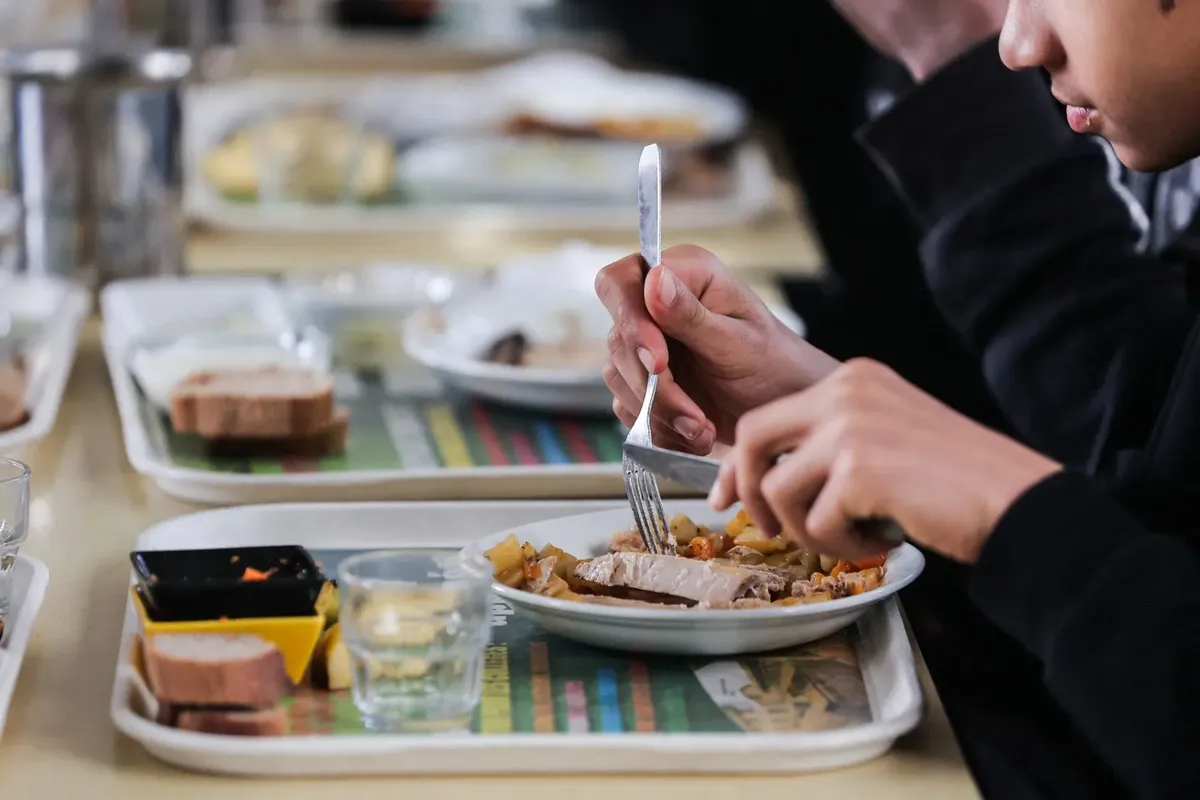
A viral Instagram post asked whether Parisian children really eat the meals posted outside school gates in their first week back. The menus included Alaskan pollock with Basque-style sauce, veal blanquette and beef sauté with shallot sauce. The Local's writer, who has taught in French public schools, confirms the quality is high and the meals are affordable — a contrast many American parents find striking given the absence of packed lunches. Separately, a new EU banking law prompted some US banks to send letters to their clients in France warning that accounts may be closed. The Local consulted tax and finance experts who addressed the impact and discussed how to maintain a US account while living abroad. The third issue: credit card machines with automatic tip prompts have become common in French establishments, triggering a public debate. A customer named Hubert, from eastern Moselle, told France Info he leaves tips in cash but will leave nothing at all if forced to use these machines.
--- THE POSITIONS ---
Hubert's comment to France Info represents a strand of French consumer resistance to automatic tipping. The Local's writer argues that the underlying social norms around tipping in France have not shifted dramatically despite the new machines. No institutional or government position on the banking issue is recorded in this source.
--- WHAT REMAINS UNKNOWN ---
The newsletter does not name which US banks sent the account-closure warnings, how many Americans received them, what specific EU legal threshold triggers the closure, or what formal deadline, if any, affected account holders face.
--- UNANSWERED QUESTIONS ---
• Which US banks sent closure notices to clients in France, and what specific provision of the EU banking law requires or permits them to do so?
• How widespread is the automatic-tip-machine rollout, and is there any French regulatory framework governing such prompts?
• Are the Parisian school lunch menus that went viral representative of French public schools nationally, or specific to certain arrondissements?
• What concrete alternatives did the tax and finance experts recommend for Americans at risk of losing their US accounts?
--- EPM ANALYSIS ---
The banking story carries the sharpest real-world edge: people who moved abroad in good faith now face the loss of financial access through no action of their own. The school lunch story, while positive in tone, underscores the adjustment that American families must make when systems they did not design work better — or differently — than expected. The tipping debate is the lightest of the three, but it shows that commercial pressure can erode cultural norms even where those norms are entrenched. 📌
📌
EPM Take:
In EPM's view, the convergence of these three stories in one rentrée newsletter is not coincidence — it maps the full spectrum of practical integration challenges facing Americans who choose France as their home. EPM has previously covered European regulatory pressure on travel and banking; this newsletter confirms that pressure has now reached the level of the everyday current account. Workers and families abroad deserve clarity from both their banks and their governments, not form letters. 📌 The decisive variable for the banking issue is whether US banks are warning or actually closing accounts.
Three separate developments documented by The Local in its September 2026 members newsletter reveal a broader pattern: the regulatory and cultural architecture surrounding Americans in France is shifting in ways that challenge financial sovereignty, cultural order and institutional assumptions simultaneously.
--- THE CONTEXT ---
The Local's newsletter is a curated briefing for Americans living in, visiting or owning property in France. The September 2026 edition arrives during the rentrée — the national return to school and work — and as France's 2027 presidential campaign begins to take shape, with polls cited by The Local placing Marine Le Pen at the front of the field.
--- THE FACTS ---
A viral Instagram post circulating photos of Parisian school lunch menus — featuring dishes such as Alaskan pollock with Basque-style sauce and veal blanquette — drew attention to the structured, state-managed character of the French public school system. The Local's writer, drawing on direct teaching experience in French public schools, confirms both the quality and the affordability of these meals. On the financial front, a new EU banking law has caused some US banks to send letters to their American clients in France warning that accounts may be closed. The Local brought in tax and finance experts to examine the scope of the problem and options for retaining access to US banking. A third, cultural flashpoint: automatic tip-suggestion terminals have spread through French cafés and restaurants, drawing pushback. Hubert, a customer from eastern Moselle, told France Info he will not use the machines and will simply stop leaving tips if forced to.
--- THE POSITIONS ---
The Local's writer holds that the social contract around tipping in France remains essentially intact despite the new hardware. The magazine's expert sources offered practical guidance on the banking question but their specific recommendations are not fully detailed in this report. No French government or banking institution issued a public position according to this source.
--- WHAT REMAINS UNKNOWN ---
This report does not identify which US banks issued warnings, the exact legal mechanism in the EU law that activates account closures, the number of Americans affected, or whether any bilateral framework between the US and EU governs these closures.
--- UNANSWERED QUESTIONS ---
• What specific provision of the EU banking law triggers the right or obligation for US banks to close accounts held by Americans in France?
• Do affected Americans have any formal legal recourse, and through which institution?
• Is the spread of automatic tipping terminals driven by an industry-wide directive or individual business decisions?
--- EPM ANALYSIS ---
The banking issue is the most consequential of the three because it involves an external regulatory body — the EU — compelling private institutions to act against the interests of individual account holders who had no voice in drafting those rules. The tipping backlash is a smaller but telling sign that commercial pressure tests cultural norms even in societies with strong informal codes. The school lunch story, by contrast, shows a state institution delivering reliable order. The decisive variable: whether these bank letters represent actual closures or a compliance warning with room to maneuver. 📌
📌
EPM Take:
In EPM's view, the EU banking law episode is the most serious signal in this newsletter, and it connects directly to EPM's prior coverage of European regulatory leverage over travelers and financial actors. A supranational rule that can sever an individual's access to their home-country bank account — without their consent and with no clear appeal mechanism described in this source — represents a real cost to Western citizens caught between two regulatory orders. Governments on both sides must close that gap.
Francia presenta tres tensiones cotidianas para residentes estadounidenses
El boletín de The Local para estadounidenses en Francia documenta tres tensiones del inicio de curso 2026: menús escolares de alta calidad que sorprenden a…
Ley bancaria de la UE, propinas y menús escolares afectan a estadounidenses en Francia
Una ley bancaria de la UE amenaza las cuentas de estadounidenses residentes en Francia; mientras, los terminales con propina automática generan rechazo…
El regreso de septiembre en Francia no es solo el fin del verano: para los estadounidenses que viven allí, el inicio del curso escolar, los cambios bancarios europeos y el debate sobre las propinas en restaurantes convergen en semanas que reconfiguran hábitos, finanzas y expectativas culturales.
--- EL CONTEXTO ---
The Local, en su boletín para miembros titulado «Americans in France», documenta tres asuntos que afectan directamente a residentes y propietarios de segunda vivienda estadounidenses en Francia durante la rentrée de 2026. La publicación cubre noticias prácticas para esta comunidad desde dentro del país.
--- LOS HECHOS ---
Un vídeo viral en Instagram mostró los menús escolares de la primera semana lectiva en París: bacalao de Alaska con salsa vasca, blanqueta de ternera y salteado de ternera con salsa de chalotas. La periodista de The Local, que trabajó como docente en escuelas públicas francesas, confirma que la calidad es alta y que los precios son asequibles. En paralelo, una nueva ley bancaria de la UE llevó a algunos bancos estadounidenses a enviar cartas a sus clientes en Francia avisando del posible cierre de cuentas. The Local consultó a expertos en fiscalidad y finanzas para explicar el impacto y ofrecer alternativas para mantener cuentas en EE.UU. Finalmente, la expansión de terminales de pago con sugerencias automáticas de propina en cafés y restaurantes franceses generó controversia pública.
--- LAS POSICIONES ---
Un cliente identificado como Hubert, de la región del Mosela oriental, declaró a France Info que deja propina en efectivo, pero que si le obligan a usar esas máquinas, no dejará nada. La periodista de The Local sostiene que las reglas sociales sobre propinas en Francia no han cambiado de forma drástica. Ninguna institución bancaria ni gubernamental respondió públicamente según esta fuente.
--- LO QUE FALTA SABER ---
El boletín no especifica qué bancos enviaron las cartas ni cuántos clientes fueron afectados. Tampoco detalla las condiciones exactas de la ley bancaria de la UE, los criterios que activan el cierre de cuentas ni si existe un plazo formal para que los afectados actúen.
--- PREGUNTAS SIN RESPUESTA ---
• ¿Qué bancos estadounidenses específicos enviaron avisos de cierre a sus clientes en Francia, y bajo qué criterios exactos de la ley de la UE?
• ¿En cuántas ciudades francesas se han instalado terminales con sugerencias automáticas de propina, y existe alguna regulación que los limite?
• ¿Los menús escolares parisinos que circularon en redes son representativos del resto de Francia o corresponden a centros concretos de la capital?
• ¿Qué alternativas bancarias concretas recomendaron los expertos consultados por The Local para quienes pierdan su cuenta estadounidense?
--- ANALISIS EPM ---
Los tres asuntos documentados por The Local comparten una raíz común: la vida cotidiana de los estadounidenses en Francia depende de sistemas —educativo, financiero, cultural— que no diseñaron y sobre los que tienen influencia limitada. El ganador evidente es quien ya adaptó sus finanzas al marco europeo. El perdedor inmediato es el residente que ignoró la nueva ley bancaria. La variable decisiva es si los bancos estadounidenses aplican cierres o simplemente advierten. 📌
📌
Conclusion EPM:
A juicio de EPM, la simultaneidad de estos tres episodios en la rentrée de 2026 no es anecdótica: revela que la integración práctica de los estadounidenses en Francia avanza más rápido de lo que sus instituciones financieras de origen están dispuestas a seguir. EPM ha cubierto ya la presión regulatoria europea sobre viajes y banca; este boletín confirma que esa presión llega ahora al nivel de la cuenta corriente y del comedor escolar. Ignorar esa brecha tiene costes concretos para familias reales.
Cuando tres tensiones institucionales distintas coinciden en la misma semana de rentrée, el resultado no es ruido: es una señal de que el marco regulatorio y cultural que rodea a los ciudadanos estadounidenses en Francia se está reconfigurando con consecuencias duraderas para su autonomía financiera y social.
--- EL CONTEXTO ---
The Local publica un boletín periódico para miembros dirigido a estadounidenses residentes, visitantes y propietarios de segunda vivienda en Francia. La edición de septiembre de 2026 coincide con la rentrée y con el arranque de los preparativos para las elecciones presidenciales francesas de 2027.
--- LOS HECHOS ---
Un vídeo viral en Instagram con menús de comedores escolares parisinos —que incluían bacalao de Alaska con salsa vasca y blanqueta de ternera— detonó el debate sobre las diferencias entre los sistemas educativos francés y estadounidense. La periodista de The Local, con experiencia directa como docente en escuelas públicas francesas, confirma la calidad y el precio asequible de esos menús. En el plano financiero, una nueva ley bancaria de la UE motivó a algunos bancos estadounidenses a advertir a sus clientes en Francia sobre posibles cierres de cuentas; The Local consultó a expertos en fiscalidad y finanzas para analizar el impacto. Simultáneamente, la proliferación de terminales de pago con sugerencias automáticas de propina en establecimientos franceses generó rechazo público.
--- LAS POSICIONES ---
Hubert, residente del Mosela oriental, dijo a France Info que prefiere dejar propina en efectivo, pero que si le fuerzan a usar la máquina no dejará nada. The Local sostiene que las normas sociales sobre propinas no han variado sustancialmente. Esta fuente no registra respuesta institucional de bancos ni del gobierno francés.
--- LO QUE FALTA SABER ---
Esta fuente no identifica los bancos que enviaron avisos, no precisa los umbrales legales de la ley de la UE que activan el cierre de cuentas ni informa si existe un calendario de cumplimiento formal para los afectados.
--- PREGUNTAS SIN RESPUESTA ---
• ¿Qué disposición concreta de la ley bancaria de la UE permite o exige a los bancos estadounidenses cerrar cuentas de residentes en Francia?
• ¿Qué escala tiene la afectación: decenas, centenas o miles de cuentas en riesgo?
• ¿Tienen los residentes estadounidenses vías de recurso institucional si su banco cierra su cuenta a distancia?
• ¿La expansión de terminales con propina automática responde a una tendencia sectorial organizada o a decisiones individuales de cada establecimiento?
--- ANALISIS EPM ---
El episodio bancario es el más grave de los tres porque afecta a la soberanía financiera individual: una ley supranacional obliga a instituciones privadas a tomar decisiones que el titular de la cuenta no controla. El debate sobre propinas revela la tensión entre presión comercial y norma cultural establecida. El orden institucional francés, visible en los comedores escolares, funciona; el orden financiero transatlántico, bajo presión regulatoria europea, empieza a crujir. 📌
📌
Conclusion EPM:
A juicio de EPM, el episodio bancario documentado por The Local es el síntoma más serio de una tendencia que EPM ha seguido en su cobertura previa sobre regulación europea: Bruselas ejerce palanca normativa con efectos directos sobre ciudadanos occidentales que no votaron esas reglas. El cierre potencial de cuentas no es un tecnicismo: es una pérdida de acceso financiero. Los gobiernos de ambos lados del Atlántico deben garantizar que la supervisión regulatoria no deje a personas reales sin herramientas bancarias básicas.