International • • EPM Editorial Desk • 🌿 Progressive
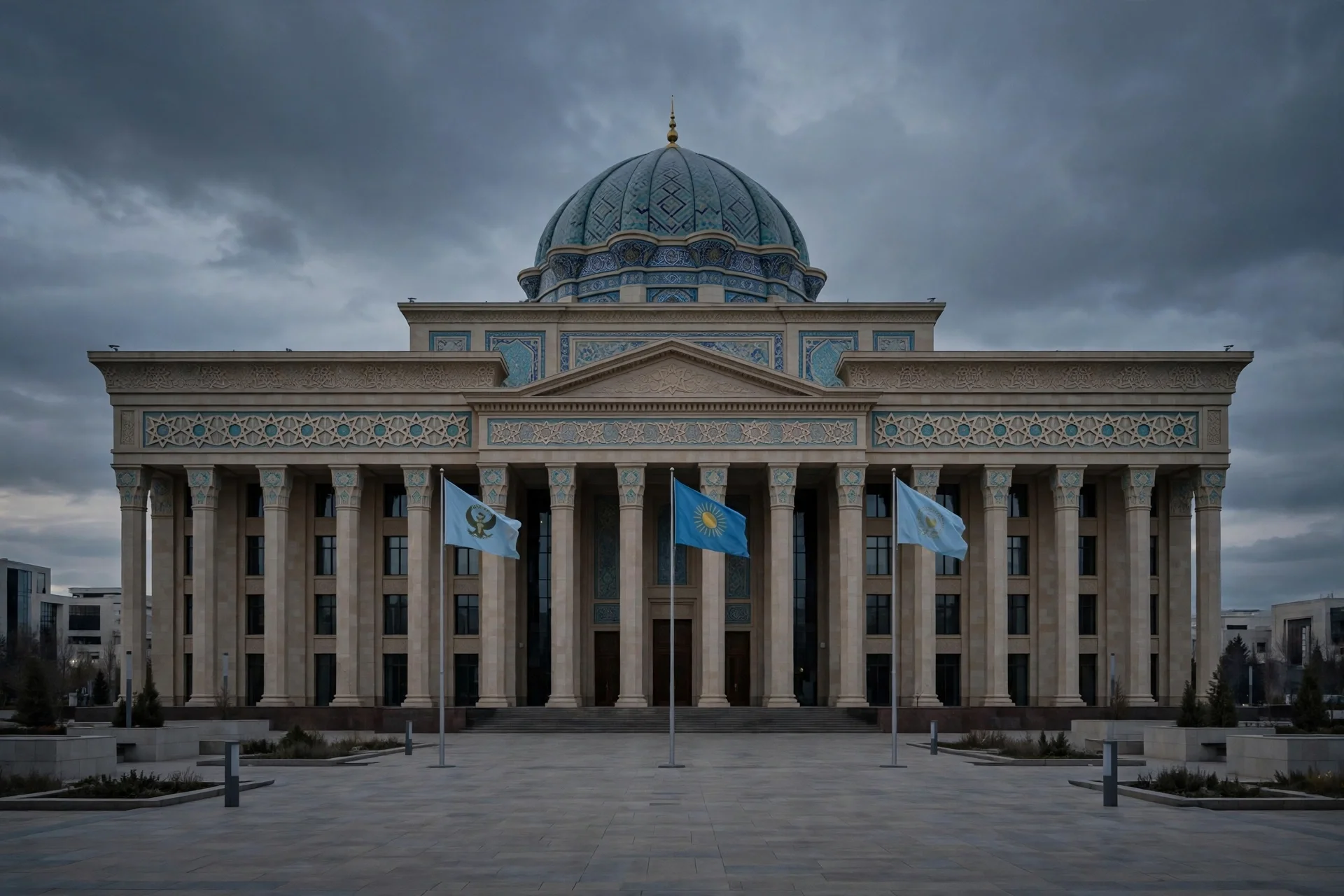
Ilustración editorial generada por IA alusiva al debate legislativo en Uzbekistán sobre la cadena perpetua por abuso sexual de menores. · EPM · imagen generada por IA
Uzbekistan's death penalty debate reignites after another child abuse case
Uzbekistan's parliament passed a life-imprisonment law for child sexual abuse on September 29, following the repeated abuse of a five-year-old girl at a…
Uzbekistan passes life imprisonment law after five-year-old's abuse
Uzbekistan's Legislative Chamber approved life imprisonment for child sexual abuse on September 29 amid outrage over a five-year-old's repeated abuse at a…
For the second time in a year, a brutal child abuse case has shaken Uzbekistan and revived the debate over the death penalty — this time with the country's top political figures joining in.
--- The context ---
Uzbekistan abolished capital punishment in 2008 and acceded to the Second Optional Protocol to the ICCPR, which aims at abolition. Yet the debate returns each time news of an especially brutal crime against a child breaks: last year, when a previously imprisoned convict raped a seven-year-old girl in Namangan; in 2024, after a three-year-old was stabbed 12 times.
--- The facts ---
The latest case unfolded at a public kindergarten in the Uchkurgan district of Namangan, where a five-year-old girl was repeatedly abused by the school's facilities manager. According to the survivor's mother, the alleged perpetrator was their neighbor; she grew suspicious after seeing him smile at her daughter and, through gentle questions, learned that the man lured the girl with sweets, told her he loved her, and promised more presents if she stayed silent. The mother believes he threatened her daughter.
The aftermath exposed the failure of the systems meant to protect the girl: the mother told local media the kindergarten's cameras recorded nothing that day — and, more strikingly, that she had been told the alleged perpetrator himself was in charge of the cameras. She also said his wife offered her a bribe to drop the case. The kindergarten's director said she was on holiday when the alleged incident occurred and had already submitted explanatory letters to the police, insisting children are never left unsupervised; the girl's teacher swore the same — not an hour, not a minute unattended.
On September 27, Saida Mirziyoyeva — head of the presidential administration, deputy chair of the Security Council, and the president's daughter — wrote on her Telegram channel that, in her view, the death penalty should apply to such heinous crimes, though she acknowledged current legislation does not provide for it, adding that a proposal is being prepared to maximize liability for this type of crime. Alisher Qodirov, leader of the Milliy Tiklanish (National Revival) Democratic Party and deputy speaker of parliament, echoed her and called the death penalty a "necessity."
On September 29, the Legislative Chamber of the Oliy Majlis passed a bill introducing life imprisonment for child sexual abuse, alongside proposals to strengthen parental and educator responsibility and to guarantee legal assistance and protection for child victims at every stage of investigation and trial. From 2022 to 2026, 445 cases of rape involving minors under 14 were formally registered in Uzbekistan. Journalist and economist Bakhodir Abdullayev noted the life-imprisonment legislation was supposed to pass by April 2026 — it only moved now that action became politically expedient.
The investigation is now under the prosecutor general's control. Shakhnoza Mirziyoyeva, another daughter of President Shavkat Mirziyoyev and first deputy director of the National Agency for Social Protection, said her agency is also involved: the survivor's family will be moved to another city and given housing, and she suggested changing the girl's surname to protect her privacy during rehabilitation. The Ministry of Preschool and School Education formed a working group. Authorities have not disclosed the alleged perpetrator's name or released a mugshot, but netizens found his photos and full name and doxed him on social media.
--- The positions ---
Qodirov took a neutral position on the approved bill while doubling down on resurrecting the death penalty, citing Norwegian mass murderer Anders Behring Breivik: he claimed Breivik complained about lacking facilities to write a book and that they were provided. The claim is not quite accurate — Breivik did complain about the pen he had to write with and was given an electronic typewriter, but his communications remain censored and he has published no book. Using Breivik as a reference point, Qodirov questioned the compatibility of Uzbek values with international law, asking whose footsteps the country is following, and argued that the international law Uzbekistan follows sees the pedophile as a human being, not as a dead person. Back in 2024, after a three-year-old girl was murdered, Qodirov had already called for "cleansing" society, saying it was illogical to use taxes to feed and house a criminal who had become an animal.
Bobur Bekmurodov, a member of the Legislative Chamber and leader of the Yuksalish movement, openly opposed him: the constitution prohibits the death penalty; bringing it back could put child victims in greater danger; it would break Uzbekistan's international obligations; and it would raise the possibility of judicial errors. He warned that if child rape carried the death penalty, nothing would stop a perpetrator from destroying the only witness — the child himself. Unusually for Uzbekistan, the dispute divided the country's political parties.
--- What remains unknown ---
Legally, Uzbekistan has no mechanism to reinstate the death penalty without a much larger overhaul, and no such overhaul is underway. It remains unclear what will happen to the kindergarten staff, whether the allegations about the cameras and the alleged bribe will be confirmed, and why authorities have not disclosed the suspect's identity.
--- Unanswered questions ---
How could repeated abuse go unnoticed inside a kindergarten whose staff insist no child is ever left alone? Will life imprisonment break the annual cycle of outrage without prevention? Can Uzbekistan reconcile popular demands for the death penalty with the treaties it signed? Who put the alleged perpetrator in charge of the cameras?
--- EPM analysis ---
The grief is genuine, and the protective measures for the survivor — relocation, housing, a new surname — are the right response. But the death-penalty debate has the smell of opportunism: in a country where hardly any important question is publicly debated by high- or low-profile politicians, abuse of children and women is a risk-free topic that draws millions of empathic citizens and even praise from international organizations. Siding with an innocent child is always a winning move.
Meanwhile, all attention goes to maximizing punishment for one man and preventing the next incident, while the deeper failure stays out of the debate: cameras that recorded nothing, staff hiding behind paperwork instead of showing compassion, and a law that should have existed before April 2026 but only passed when public fury made it profitable. Life imprisonment is real progress; that it needed a scandal to pass says everything about how child protection is governed in Uzbekistan.
📌 EPM Take:
In EPM's view, Uzbekistan has just passed a necessary law for the wrong reasons: life imprisonment for child sexual abuse was due before April 2026, and only public outrage dragged it out of the drawer. The death-penalty debate is a populist pressure valve — unworkable without a legal overhaul nobody has started — that shifts attention from the real scandal: cameras that recorded nothing, an alleged abuser put in charge of watching himself, and staff who swear no child was ever alone while a five-year-old was abused again and again. Harsher punishment protects no one if the system that was supposed to care remains untouched: the dignity of the response will be measured in classrooms, not on scaffolds.
Uzbekistan's Legislative Chamber passed a law on September 29 introducing life imprisonment for the sexual abuse of minors, amid public outrage over the repeated abuse of a five-year-old girl at a kindergarten in Namangan — the second such case in a year.
--- The context ---
Uzbekistan abolished the death penalty in 2008 and acceded to the Second Optional Protocol to the ICCPR aimed at abolition. Nevertheless, public discussion of restoring capital punishment resurfaces each time an especially brutal crime against a child becomes known: last year after a previously imprisoned convict raped a seven-year-old girl in Namangan, and in 2024 after a three-year-old was stabbed 12 times.
--- The facts ---
According to the survivor's mother, the alleged perpetrator — the public kindergarten's facilities manager in the Uchkurgan district of Namangan, and a neighbor of the family — lured the five-year-old with sweets, told her he loved her, and promised more presents if she said nothing. The mother grew suspicious after seeing him smile at her daughter and believes he threatened the child.
The mother also reported that the kindergarten's cameras recorded nothing on the day in question and that she had been told the alleged perpetrator was responsible for the cameras; she further alleged his wife offered her a bribe to close the case. The kindergarten's director said she was on holiday when the alleged incident occurred and had provided explanatory letters to the police, maintaining that children are never left unsupervised; the girl's teacher made the same claim.
On September 27, Saida Mirziyoyeva — head of the presidential administration, deputy chair of the Security Council, and the president's daughter — wrote on her Telegram channel that, in her opinion, the death penalty should be used for such heinous crimes, while noting that current legislation does not provide for it, and said a proposal is being prepared to maximize liability for this type of crime. Alisher Qodirov, leader of the Milliy Tiklanish party and deputy speaker of parliament, backed her position and described the death penalty as a "necessity."
On September 29, the Legislative Chamber of the Oliy Majlis passed the bill introducing life imprisonment for child sexual abuse, with additional proposals to strengthen the responsibility of parents and educators and to provide legal assistance and protection to child victims at every stage of investigation and trial. From 2022 to 2026, 445 cases of rape involving minors under 14 were formally registered. Journalist and economist Bakhodir Abdullayev observed that the legislation was supposed to pass by April 2026 and only advanced now that doing so had become politically expedient.
The investigation is under the prosecutor general's control. Shakhnoza Mirziyoyeva, first deputy director of the National Agency for Social Protection and another daughter of the president, said the survivor's family will be moved to another city and provided with housing, and proposed changing the girl's surname to safeguard her privacy during rehabilitation. The Ministry of Preschool and School Education established a working group. Authorities have not released the alleged perpetrator's name or image; social media users identified and doxed him.
--- The positions ---
Qodirov declared a neutral stance on the approved bill while doubling down on the need to resurrect the death penalty, invoking Norwegian mass murderer Anders Behring Breivik: he said Breivik complained about lacking facilities to write a book and that they were subsequently provided. The account is only partly accurate — Breivik complained about the pen he was given and received an electronic typewriter, but his communications remain censored and he has published no book. Qodirov used the example to question whether Uzbek values are compatible with international law. In 2024, after a three-year-old girl was murdered, he had already demanded society be "cleansed" of such criminals, calling it illogical to maintain them with taxpayers' money.
Bobur Bekmurodov, a Legislative Chamber member and leader of the Yuksalish movement, openly opposed the push: the constitution prohibits the death penalty; reinstating it could endanger child victims further; it would violate the country's international obligations; and it could increase judicial errors. He warned that a death sentence for child rape would give perpetrators an incentive to eliminate the only witness. The disagreement split the country's political parties — an unusual development in Uzbekistan.
--- What remains unknown ---
As a legal matter, Uzbekistan has no mechanism to reinstate capital punishment without a far-reaching legal overhaul, and none is underway. It is not yet known what consequences the kindergarten staff will face, whether the claims about the cameras and the alleged bribe will be substantiated, or why the authorities have withheld the suspect's identity.
--- Unanswered questions ---
How did repeated abuse occur in a facility whose staff insist no child is ever unsupervised? Will life imprisonment be enough to prevent further cases? How will Uzbekistan reconcile calls for the death penalty with its international commitments? Who assigned the alleged perpetrator responsibility for the cameras?
--- EPM analysis ---
The life-imprisonment law is a concrete step forward for child protection in Uzbekistan, and the safeguards arranged for the survivor — relocation, housing, a surname change — point in the right direction. But the timing is revealing: legislation that was due before April 2026 waited for a scandal to be born.
The death-penalty debate, by contrast, functions as a release valve: legally unworkable without an overhaul nobody is pursuing, and politically profitable in a country where few issues are debated in public. The danger is that the clamor for maximum punishment drowns out the harder question — how every safeguard meant to protect a five-year-old girl failed, one by one.
📌 EPM Take:
In EPM's view, the law passed on September 29 is a real but belated step: it was due before April 2026, and only public fury carried it over the finish line. The death-penalty debate is legally unworkable and politically profitable, and it risks becoming a substitute for accountability. What this case demands is not only harsher punishment but answers — about cameras that recorded nothing, an alleged abuser placed in charge of his own oversight, and staff who swear to total supervision while the abuse went on. Without that audit, life imprisonment will punish today's culprit without protecting tomorrow's victims.
Uzbekistán debate la pena de muerte tras un nuevo abuso contra una menor
La Cámara Legislativa de Uzbekistán aprobó el 29 de septiembre la cadena perpetua para el abuso sexual de menores, tras el abuso reiterado de una niña de cinco…
Uzbekistán aprueba la cadena perpetua tras el abuso de una niña de cinco años
El Parlamento uzbeko aprobó el 29 de septiembre la cadena perpetua para el abuso sexual de menores, en medio de la conmoción por el abuso reiterado de una niña…
Por segunda vez en un año, un brutal caso de abuso contra una menor sacudió a Uzbekistán y reabrió el debate sobre la pena de muerte, esta vez con las figuras políticas de mayor rango sumándose.
--- El contexto ---
Uzbekistán abolió la pena capital en 2008 y se adhirió al Segundo Protocolo Facultativo del Pacto Internacional de Derechos Civiles y Políticos. Aun así, la discusión vuelve cada vez que se conoce un crimen atroz contra un niño: el año pasado, la violación de una niña de siete años en Namangan desató una oleada de pedidos de restauración; en 2024, el de una niña de tres años apuñalada 12 veces, otra.
--- Los hechos ---
El caso ocurrió en un jardín de infancia público del distrito de Uchkurgan, en Namangan: una niña de cinco años fue abusada de forma reiterada por el encargado de mantenimiento. Según la madre, el presunto agresor —su vecino— atraía a la niña con dulces, le decía que la quería y le prometía más regalos si no lo contaba; sospechó al verlo sonreír a su hija y cree que la amenazó.
El caso expone la falla de los sistemas que debían proteger a la niña: la madre contó a medios locales que las cámaras no grabaron nada aquel día y que el propio presunto agresor era, según le dijeron, el responsable de las cámaras. También denunció que la esposa del hombre le ofreció un soborno para cerrar el caso. La directora dijo estar de vacaciones y haber entregado cartas explicativas a la policía; aseguró que los niños nunca quedan sin supervisión. La maestra juró lo mismo: ni una hora, ni un minuto sin vigilancia.
El 27 de septiembre, Saida Mirziyoyeva —jefa de la administración presidencial, vicepresidenta del Consejo de Seguridad e hija del presidente— escribió en Telegram que, en su opinión, la pena de muerte debería aplicarse a crímenes tan atroces, aunque lamentó que la legislación no la contempla, y añadió que preparan una propuesta para endurecer al máximo la responsabilidad por estos delitos. El diputado Alisher Qodirov, líder del partido Milliy Tiklanish y vicepresidente del Parlamento, la respaldó y calificó la pena de muerte de "necesidad".
El 29 de septiembre, la Cámara Legislativa del Oliy Majlis aprobó la ley de cadena perpetua para el abuso sexual de menores, con propuestas para reforzar la responsabilidad de padres y educadores y garantizar asistencia y protección legal a las víctimas en cada etapa del proceso. Entre 2022 y 2026 se registraron formalmente 445 casos de violación de menores de 14 años. El periodista y economista Bakhodir Abdullayev recordó que esa legislación debió aprobarse antes de abril de 2026; solo avanzó ahora, cuando hacerlo se volvió políticamente rentable.
La investigación quedó bajo control del fiscal general. Shakhnoza Mirziyoyeva, otra hija del presidente y primera subdirectora de la Agencia Nacional de Protección Social, informó que la familia será trasladada a otra ciudad y recibirá vivienda, y propuso cambiar el apellido de la niña para proteger su privacidad durante la rehabilitación. El Ministerio de Educación Preescolar y Escolar formó un grupo de trabajo. Las autoridades no han revelado el nombre del presunto agresor, pero usuarios de redes lo identificaron y difundieron sus datos.
--- Las posiciones ---
Qodirov se declaró neutral sobre el proyecto aprobado el 29 de septiembre y redobló su apuesta por resucitar la pena capital, invocando al neonazi noruego y asesino múltiple Anders Behring Breivik: dijo que se quejó por no tener facilidades para escribir un libro y que se las dieron. La versión no es del todo exacta: Breivik se quejó del bolígrafo con el que debía escribir y recibió una máquina de escribir electrónica, pero sus comunicaciones siguen censuradas y no ha publicado ningún libro. Con ese ejemplo, Qodirov preguntó qué valores sigue Uzbekistán frente al derecho internacional y sostuvo que ese derecho ve al pedófilo como un ser humano, no como una persona muerta. Ya en 2024, tras el asesinato de una niña de tres años, había pedido "limpiar" la sociedad de criminales a los que era ilógico mantener con impuestos.
Bobur Bekmurodov, miembro de la Cámara Legislativa y líder del movimiento Yuksalish, se opuso abiertamente: la Constitución prohíbe la pena de muerte; reinstaurarla pondría en mayor peligro a las víctimas infantiles; rompería las obligaciones internacionales del país; y abriría la puerta a errores judiciales. Advirtió que si la violación infantil se castiga con la muerte, nada impediría al agresor destruir al único testigo: el propio niño. En un hecho inusual para Uzbekistán, el debate dividió a los partidos políticos del país.
--- Lo que falta saber ---
Pero la realidad legal no acompaña a la retórica: Uzbekistán no tiene un mecanismo para reinstaurar la pena de muerte sin una reforma legal mucho más amplia, y ninguna está en marcha. Tampoco está claro qué pasará con el personal del jardín ni si se confirmarán las denuncias sobre las cámaras y el presunto soborno. La identidad del presunto agresor sigue sin ser divulgada por las autoridades.
--- Preguntas sin respuesta ---
¿Cómo pudo ocurrir un abuso reiterado dentro de un jardín donde, según sus responsables, ningún niño queda jamás sin supervisión? ¿Bastará la cadena perpetua para romper el ciclo de indignación sin prevención que se repite cada año? ¿Podrá Uzbekistán conciliar el clamor popular por la pena de muerte con los tratados internacionales que firmó? ¿Quién puso al presunto agresor a cargo de las cámaras?
--- Análisis EPM ---
El dolor por el caso es genuino y la respuesta institucional —traslado, vivienda, protección de la identidad— es correcta. Pero la discusión sobre la pena de muerte huele a oportunismo: en un país donde casi ningún tema importante se debate en público, el abuso contra niños y mujeres es un terreno sin riesgo, que atrae la empatía de millones y hasta el aplauso de organismos internacionales: ponerse del lado de un niño inocente siempre es una jugada ganadora.
Mientras tanto, toda la atención se concentra en castigar al máximo a un hombre, y queda fuera del debate la falla de fondo: cámaras que no graban, personal que se escuda en papeles en vez de mostrar compasión, y una ley que debió existir antes de abril de 2026 y solo nació cuando la furia pública la hizo rentable. La cadena perpetua es un avance real; que haya necesitado un escándalo para aprobarse dice todo sobre cómo se protege a la infancia en Uzbekistán.
📌 Conclusion EPM:
A juicio de EPM, Uzbekistán aprobó una ley necesaria por las razones equivocadas: la cadena perpetua debió existir antes de abril de 2026 y solo la furia pública la sacó del cajón. El debate sobre la pena de muerte es una válvula populista —inviable sin una reforma que nadie ha puesto en marcha— que desvía la mirada del verdadero escándalo: cámaras que no graban, un agresor a cargo de vigilarse a sí mismo y un personal que jura que nadie quedó solo mientras una niña de cinco años era abusada. Castigar más duro no protege a nadie si el sistema que debía cuidar sigue intacto: la dignidad de la respuesta se medirá en las aulas, no en los patíbulos.
El Parlamento de Uzbekistán aprobó el 29 de septiembre una ley que establece la cadena perpetua para el abuso sexual de menores, en medio de la conmoción por el abuso reiterado de una niña de cinco años en un jardín de infancia de Namangan. Es el segundo caso de este tipo en un año en el país.
--- El contexto ---
Uzbekistán abolió la pena de muerte en 2008 y se adhirió al Segundo Protocolo Facultativo del Pacto Internacional de Derechos Civiles y Políticos, orientado a la abolición. Pese a ello, los debates sobre restituir la pena capital resurgen cada vez que se conoce un crimen brutal contra un niño: el año pasado, tras la violación de una niña de siete años en Namangan por un exconvicto, y en 2024, cuando una niña de tres años fue apuñalada 12 veces.
--- Los hechos ---
Según el relato de la madre de la sobreviviente, el presunto agresor —encargado de mantenimiento del jardín público del distrito de Uchkurgan, en Namangan, y vecino de la familia— atraía a la niña de cinco años con dulces, le decía que la quería y le prometía más regalos si guardaba silencio. La madre, que sospechó al verlo sonreír a su hija, cree que el hombre la amenazó.
La madre denunció además que las cámaras del jardín no registraron nada el día de los hechos y que le habían dicho que el presunto agresor era el responsable de las cámaras. También afirmó que la esposa del hombre le ofreció un soborno para que retirara la denuncia. La directora del centro declaró estar de vacaciones durante el presunto incidente y dijo haber entregado cartas explicativas a la policía; tanto ella como la maestra de la niña sostienen que los niños nunca quedan sin supervisión.
El 27 de septiembre, Saida Mirziyoyeva —jefa de la administración presidencial, vicepresidenta del Consejo de Seguridad e hija del presidente— publicó en su canal de Telegram que, a su juicio, la pena de muerte debería aplicarse a crímenes tan atroces, aunque reconoció que la legislación vigente no la contempla, y anunció que preparan una propuesta para endurecer al máximo la responsabilidad por estos delitos. El diputado Alisher Qodirov, líder del partido Milliy Tiklanish y vicepresidente del Parlamento, se sumó y definió la pena de muerte como una "necesidad".
El 29 de septiembre, la Cámara Legislativa del Oliy Majlis aprobó la ley que introduce la cadena perpetua para el abuso sexual de menores y propone reforzar la responsabilidad de padres y educadores, así como garantizar asistencia y protección legal a las víctimas infantiles en todas las etapas de la investigación y el juicio. Entre 2022 y 2026 se registraron formalmente 445 casos de violación de menores de 14 años. El periodista y economista Bakhodir Abdullayev señaló que la norma debió aprobarse antes de abril de 2026 y que solo avanzó ahora, cuando hacerlo resultó políticamente oportuno.
La investigación quedó bajo control del fiscal general. Shakhnoza Mirziyoyeva, primera subdirectora de la Agencia Nacional de Protección Social e hija del presidente, informó que la familia de la sobreviviente será trasladada a otra ciudad, recibirá vivienda y que se propuso cambiar el apellido de la niña para resguardar su privacidad durante la rehabilitación. El Ministerio de Educación Preescolar y Escolar creó un grupo de trabajo. Las autoridades no han divulgado el nombre ni la imagen del presunto agresor; usuarios de redes sociales, en cambio, difundieron sus datos.
--- Las posiciones ---
Qodirov mantuvo una posición neutral sobre el proyecto aprobado y redobló su defensa de la pena capital, invocando al asesino múltiple noruego Anders Behring Breivik: dijo que se quejó por no tener facilidades para escribir un libro y que se las concedieron. La afirmación es parcialmente inexacta: Breivik se quejó del bolígrafo con el que debía escribir y recibió una máquina de escribir electrónica, pero sus comunicaciones siguen censuradas y no ha publicado ningún libro. A partir de ese ejemplo, Qodirov cuestionó la compatibilidad entre los valores uzbekos y el derecho internacional. En 2024, tras el asesinato de una niña de tres años, ya había pedido "limpiar" la sociedad de criminales a los que, dijo, era ilógico mantener con impuestos.
Bobur Bekmurodov, miembro de la Cámara Legislativa y líder del movimiento Yuksalish, se opuso en forma abierta: la Constitución prohíbe la pena de muerte; restituirla expondría a las víctimas infantiles a un peligro mayor; quebraría las obligaciones internacionales del país; y aumentaría el riesgo de errores judiciales. Advirtió que, si la violación infantil se castigara con la muerte, nada impediría al agresor eliminar al único testigo. El desacuerdo dividió a los partidos políticos, un hecho inusual en Uzbekistán.
--- Lo que falta saber ---
En el plano legal, Uzbekistán carece de un mecanismo para reinstaurar la pena capital sin una reforma de gran calado, y no hay ninguna en marcha. Queda por establecer qué responsabilidad tendrá el personal del jardín y si se confirman las denuncias sobre las cámaras y el presunto soborno. La identidad del presunto agresor no ha sido divulgada por las autoridades.
--- Preguntas sin respuesta ---
¿Cómo pudo repetirse el abuso dentro de un centro cuyos responsables aseguran que ningún niño queda jamás solo? ¿Será suficiente la cadena perpetua para prevenir nuevos casos? ¿Cómo conciliará Uzbekistán el reclamo de la pena de muerte con sus compromisos internacionales? ¿Quién puso al presunto agresor a cargo de las cámaras?
--- Análisis EPM ---
La aprobación de la cadena perpetua es un avance concreto para la protección infantil en Uzbekistán, y las medidas de resguardo para la sobreviviente —traslado, vivienda, cambio de apellido— apuntan en la dirección correcta. Pero el calendario delata: una ley que debió existir antes de abril de 2026 esperó al escándalo para nacer.
La discusión sobre la pena de muerte, en cambio, funciona como una válvula de escape: jurídicamente inviable sin una reforma que nadie impulsa, y políticamente redituable en un país donde pocos temas se debaten en público. El riesgo es que el clamor por el castigo máximo eclipse la pregunta incómoda: cómo fallaron, uno por uno, los controles que debían proteger a una niña de cinco años.
📌 Conclusion EPM:
A juicio de EPM, la ley aprobada el 29 de septiembre es un paso real pero tardío: debió regir antes de abril de 2026 y solo la indignación pública logró sacarla adelante. El debate sobre la pena de muerte es jurídicamente inviable y políticamente rentable, y corre el riesgo de convertirse en un sustituto de la rendición de cuentas. Lo que el caso exige no es solo castigo más severo, sino respuestas sobre cámaras que no graban, un presunto agresor a cargo de su propia vigilancia y un personal que jura supervisión total mientras el abuso se repetía. Sin esa auditoría, la cadena perpetua castigará al culpable de hoy sin proteger a las víctimas de mañana.