Jason Leitch will lead British military medicine through its transformation
Professor Jason Leitch, Scotland's National Clinical Director from 2015 to 2024, will take charge of Defence Medical Command on Monday 2 November.
Leitch to command military medicine backed by £50 million investment plan
Professor Jason Leitch, the former Scottish national clinical director, will take command of Defence Medical Command on Monday 2 November with the backing of…
--- The context ---
British military medicine is entering a period of deep change at a time of growing and more complex threats. The official response combines operational plans, life-saving technology and closer work with health services across the United Kingdom, academia, industry, NATO allies and international partners.
--- The facts ---
Professor Jason Leitch CBE will formally take charge of Defence Medical Command on Monday 2 November. He will lead delivery of the Strategic Defence Review and the Defence Investment Plan, both of which place renewed emphasis on collaboration with civilian health services and with allies abroad.
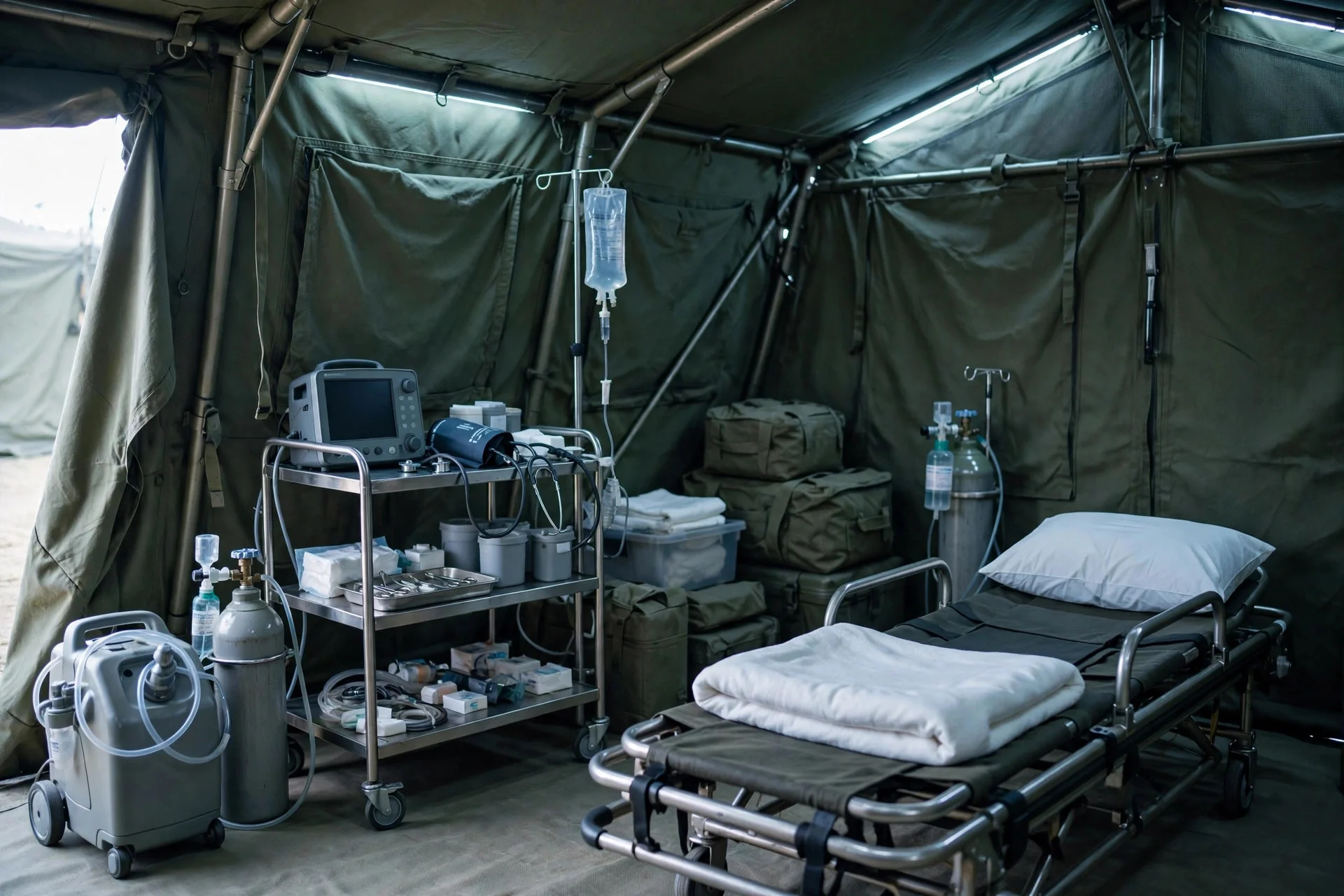
His arrival coincides with £50 million of investment to transform frontline medical care, bringing dried blood products and tranexamic acid autoinjectors, which resupply blood and reduce blood loss on the battlefield, alongside modern field hospital equipment to care for casualties.
As Scotland's National Clinical Director from 2015 to 2024, Leitch advised ministers on health policy and patient safety and became a trusted public voice during the COVID-19 pandemic. He has also worked as an independent healthcare adviser and leadership consultant in the United Kingdom and internationally.
--- The positions ---
Leitch has described joining the command as a real privilege and has explained that he has spent his career improving healthcare and helping those who deliver it. According to his remarks, his first priority will be to listen and learn, understanding the personnel, the patients and the operational needs of the Armed Forces.
General Sir Rob Magowan, Commander of Cyber and Specialist Operations Command, has backed the appointment as an exciting new chapter for military medicine, arguing that Leitch's proven leadership will be vital to modernising defence healthcare and delivering the best possible care for those who serve.
Surgeon General Major General Phil Carter, interim chief since Air Marshal Clare Walton retired in July, has pointed to Leitch's record of leadership at the very top of government and has said he will bring a fresh vision, adding that he looks forward to showing him the work of defence medics and modernising the model of care together.
--- What remains unknown ---
No timetable has been published for when the investment will reach frontline units, nor how it will be divided between technology, equipment and training. It also remains unclear how progress will be measured, and which priorities Leitch will set after visiting Defence Medical teams from November.
--- Unanswered questions ---
When will frontline units receive the dried blood products and autoinjectors that the investment promises? How will the £50 million be shared between technology, field hospitals and staff training? What concrete changes will closer collaboration with civilian health services bring for military patients?
--- EPM analysis ---
The appointment brings into military medicine experience earned running civilian health services through a national crisis. Lessons from Ukraine, including strengthening battlefield trauma training, securing medical supply chains and protecting field hospitals, already frame the command's agenda, alongside the exploration of new medical technologies.
📌 EPM Take:
In EPM's view, choosing Leitch is the right call because it places the transformation of military healthcare in the hands of someone who already ran the health system of an entire nation through a pandemic, and frontline medicine is won through organisation, listening and logistics as much as through technology. The investment targets the essentials: stopping bleeding sooner and caring better for the wounded. The challenge now is ensuring that collaboration with civilian services and allies produces real capability rather than remaining a well-drafted statement of intent.
--- The context ---
When threats grow and become more complex, credible armed forces need medical services able to sustain fighting power. The United Kingdom is strengthening that pillar with experienced leadership and targeted investment in frontline capability, within the Strategic Defence Review and the Defence Investment Plan.
--- The facts ---
Professor Jason Leitch CBE will formally take up the post on Monday 2 November as chief of Defence Medical Command. He will deliver the commitments of the strategic review and the investment plan, which call for closer collaboration with health services across the United Kingdom, academia, industry, NATO allies and international partners.
The modernisation comes with £50 million to transform frontline medical care, including dried blood products and tranexamic acid autoinjectors, which resupply blood and reduce blood loss on the battlefield, together with modern field hospital equipment to care for casualties.
Leitch served as Scotland's National Clinical Director from 2015 to 2024, advised ministers on health policy and patient safety, and became a recognised public voice during the COVID-19 pandemic. He has also worked as an independent healthcare adviser and leadership consultant in the United Kingdom and abroad.
--- The positions ---
Leitch has called the role a privilege and has said his first priority will be to listen and learn, understanding the personnel, the patients and the operational needs of the Armed Forces, and working with partners to ensure military medicine is ready for whatever is asked of it.
General Sir Rob Magowan, Commander of Cyber and Specialist Operations Command, has said the appointment marks an exciting new chapter for military medicine and that Leitch's proven leadership will be vital to modernising defence healthcare, with defence medicine central to readiness against the threats ahead.
Surgeon General Major General Phil Carter, interim chief since Air Marshal Clare Walton retired in July, has stressed Leitch's record of leading at the very top of government, anticipated a fresh vision at an important moment, and said he looks forward to introducing him to the work of defence medics and to modernising and optimising the model of care.
--- What remains unknown ---
No delivery schedule for the investment has been published, and there are no public criteria for judging whether the reform genuinely raises operational readiness. Nor is it known which priorities Leitch will set after visiting Defence Medical teams from November, or how effort will be divided between training, supply chains and technology.
--- Unanswered questions ---
What timetable will the command work to so that the £50 million becomes equipment deployed in the field? How will success be measured in terms of a medical service readier to support demanding operations? How heavily will the lessons from Ukraine weigh on the new chief's purchasing and training decisions?
--- EPM analysis ---
The appointment recognises an uncomfortable truth: without medicine able to treat and evacuate the wounded, no operational ambition stands. That is why the plan takes in the lessons from Ukraine, from strengthening battlefield trauma training to securing medical supply chains and protecting field hospitals, while exploring new technologies.
📌 EPM Take:
In EPM's view, this is a sound appointment because readiness for warfighting is also decided in field hospitals, and Leitch arrives with leadership proven at the top of government and the open support of the military command. The £50 million is aimed at concrete means that save lives and sustain operations. What should now be demanded is punctual execution, clear priorities and measurable results, so that the announced modernisation becomes effective readiness rather than another plan that ages quietly on paper.
Jason Leitch dirigirá la sanidad militar británica en plena transformación
El profesor Jason Leitch, director clínico nacional de Escocia entre 2015 y 2024, asumirá el mando de Defence Medical Command el lunes 2 de noviembre.
Leitch tomará el mando de la medicina militar con 50 millones de inversión
El profesor Jason Leitch, exdirector clínico nacional de Escocia, asumirá el lunes 2 de noviembre la jefatura de Defence Medical Command con el respaldo de la…
--- El contexto ---
La sanidad militar británica afronta una transformación de fondo ante amenazas crecientes y más complejas. La respuesta combina planes operativos, tecnología y más colaboración con los servicios de salud de todo el Reino Unido, la academia, la industria, los aliados de la OTAN y los socios internacionales.
--- Los hechos ---
El profesor Jason Leitch, comendador de la Orden del Imperio Británico, asumirá el mando de Defence Medical Command el lunes 2 de noviembre. Dirigirá la entrega de la Strategic Defence Review y del Defence Investment Plan, con énfasis renovado en colaborar con los servicios sanitarios civiles y los aliados.
Su llegada coincide con una inversión de 50 millones de libras para transformar la atención médica de primera línea, con productos de sangre deshidratada, autoinyectores de ácido tranexámico que reponen sangre y reducen su pérdida en el campo de batalla, y equipamiento moderno de hospitales de campaña.
Leitch fue director clínico nacional de Escocia entre 2015 y 2024, asesoró a los ministros en política de salud y seguridad del paciente y fue una voz pública de confianza durante la pandemia de COVID-19. También ha sido asesor sanitario independiente y consultor de liderazgo dentro y fuera del Reino Unido.
--- Las posiciones ---
Leitch ha descrito su incorporación como un privilegio y ha explicado que ha dedicado su carrera a mejorar la atención y a ayudar a quienes la prestan. Su primera prioridad será escuchar y aprender para entender al personal, a los pacientes y las necesidades operativas de las Fuerzas Armadas.
El general Sir Rob Magowan, comandante del Mando de Operaciones Cibernéticas y Especializadas, ha respaldado el nombramiento como un nuevo capítulo para la medicina militar y ha sostenido que el liderazgo de Leitch será vital para modernizar la sanidad y dar la mejor atención a quienes sirven.
El cirujano general, mayor general Phil Carter, jefe interino desde que la mariscal del aire Clare Walton se jubiló en julio, ha destacado la experiencia de Leitch en lo más alto del Gobierno, ha afirmado que aportará una visión fresca y ha ofrecido mostrarle el trabajo de los sanitarios militares y modernizar con él el modelo de atención.
--- Lo que falta saber ---
No se conocen los plazos de la inversión ni su reparto entre tecnología, equipamiento y formación. Tampoco se ha precisado cómo se medirán los avances ni qué prioridades fijará Leitch tras visitar a los equipos de Defence Medical a partir de noviembre.
--- Preguntas sin respuesta ---
¿Cuándo recibirán las unidades de primera línea los productos de sangre deshidratada y los autoinyectores anunciados? ¿Cómo se repartirán los 50 millones de libras entre tecnología, hospitales de campaña y formación? ¿Qué cambios traerá la colaboración reforzada con los servicios de salud civiles para los pacientes militares?
--- Análisis EPM ---
El nombramiento traslada a la medicina militar una experiencia forjada en la gestión civil de crisis sanitarias. Las lecciones de Ucrania —formación en trauma en el campo de batalla, cadenas de suministro médico y protección de hospitales de campaña— ya forman parte del horizonte del mando, junto a nuevas tecnologías médicas.
📌 Conclusion EPM:
A juicio de EPM, el fichaje de Leitch acierta al poner la transformación de la sanidad militar en manos de alguien que ya gestionó la salud de un país entero durante una pandemia, porque la medicina de primera línea se gana con organización, escucha y logística tanto como con tecnología. La inversión anunciada apunta a lo esencial: detener hemorragias antes y atender mejor a los heridos. El reto será que la colaboración con servicios civiles y aliados se traduzca en capacidad real, no en declaraciones.
--- El contexto ---
Cuando las amenazas crecen y se vuelven más complejas, las Fuerzas Armadas necesitan una sanidad capaz de sostener el combate. El Reino Unido refuerza ese pilar con liderazgo experimentado e inversión en primera línea, en el marco de la Strategic Defence Review y del Defence Investment Plan.
--- Los hechos ---
El profesor Jason Leitch, comendador de la Orden del Imperio Británico, tomará posesión el lunes 2 de noviembre como jefe de Defence Medical Command. Ejecutará los compromisos de la revisión estratégica y del plan de inversión, que apuestan por colaborar con los servicios de salud británicos, la academia, la industria, la OTAN y los socios internacionales.
La modernización trae 50 millones de libras para transformar la atención en primera línea, con productos de sangre deshidratada y autoinyectores de ácido tranexámico que reponen sangre y frenan su pérdida en el campo de batalla, además de equipamiento moderno de hospitales de campaña.
Fue director clínico nacional de Escocia de 2015 a 2024, asesoró a los ministros en política sanitaria y seguridad del paciente y fue una voz reconocida durante la pandemia de COVID-19. Suma trabajo como asesor sanitario independiente y consultor de liderazgo dentro y fuera del Reino Unido.
--- Las posiciones ---
Leitch ha calificado el cargo de privilegio y ha afirmado que su prioridad será escuchar y aprender para comprender al personal, a los pacientes y las necesidades operativas de las Fuerzas Armadas, trabajando con los socios para que la medicina militar esté preparada ante cualquier exigencia.
El general Sir Rob Magowan, comandante del Mando de Operaciones Cibernéticas y Especializadas, ha señalado que el nombramiento abre un nuevo capítulo para la medicina militar y que el liderazgo probado de Leitch será vital para modernizar la sanidad, con la medicina de defensa en el centro de la preparación.
El cirujano general, mayor general Phil Carter, jefe interino desde la jubilación en julio de la mariscal del aire Clare Walton, ha subrayado el historial de Leitch en lo más alto del Gobierno, ha anticipado una visión fresca en un momento decisivo y se ha ofrecido a mostrarle la labor de los sanitarios y a modernizar y optimizar con él el modelo de atención.
--- Lo que falta saber ---
No se han publicado calendarios de la inversión ni criterios públicos para juzgar si la reforma eleva la preparación operativa. Tampoco se conoce el orden de prioridades que fijará Leitch tras visitar a los equipos desde noviembre, ni el reparto entre formación, suministros y tecnología.
--- Preguntas sin respuesta ---
¿Qué plazos manejará el mando para que los 50 millones de libras se traduzcan en medios desplegados sobre el terreno? ¿Cómo se medirá si la sanidad militar está más preparada para sostener operaciones exigentes? ¿Qué peso tendrán las lecciones de Ucrania en las decisiones de compra y formación del nuevo jefe?
--- Análisis EPM ---
La designación reconoce una verdad incómoda: sin sanidad capaz de tratar y evacuar heridos, ninguna ambición operativa se sostiene. Por eso el plan incorpora las lecciones de Ucrania —formación en trauma en el campo de batalla, cadenas de suministro médico seguras y protección de hospitales de campaña— y explora nuevas tecnologías.
📌 Conclusion EPM:
A juicio de EPM, el nombramiento es acertado porque la preparación para el combate también se decide en los hospitales de campaña, y Leitch llega con mando probado en la cima del Gobierno y con el respaldo abierto de la cúpula militar. Los 50 millones de libras apuntan a medios concretos que salvan vidas y sostienen operaciones. Ahora corresponde exigir ejecución puntual y resultados medibles, para que la modernización se convierta en preparación efectiva y no en otro plan que envejece sobre el papel.