Britain turns workplace safety data into a commercial asset
Great Britain's workplace health and safety regulator turned its official record of injuries, diseases, deaths and dangerous occurrences into an interactive…
British regulator seeks public value from its safety data
Great Britain's workplace safety regulator developed an interactive dashboard from its official data on injuries, diseases and dangerous occurrences at work.
--- The context ---
Great Britain's national regulator for workplace health and safety holds the official record of work-related injuries, diseases, deaths and dangerous occurrences, known by the initials RIDDOR. That rich dataset carried enormous preventive value, yet it was not always easy for employers, regulators or other stakeholders to read it in ways that support everyday decisions about concrete workplace risks.
--- The facts ---
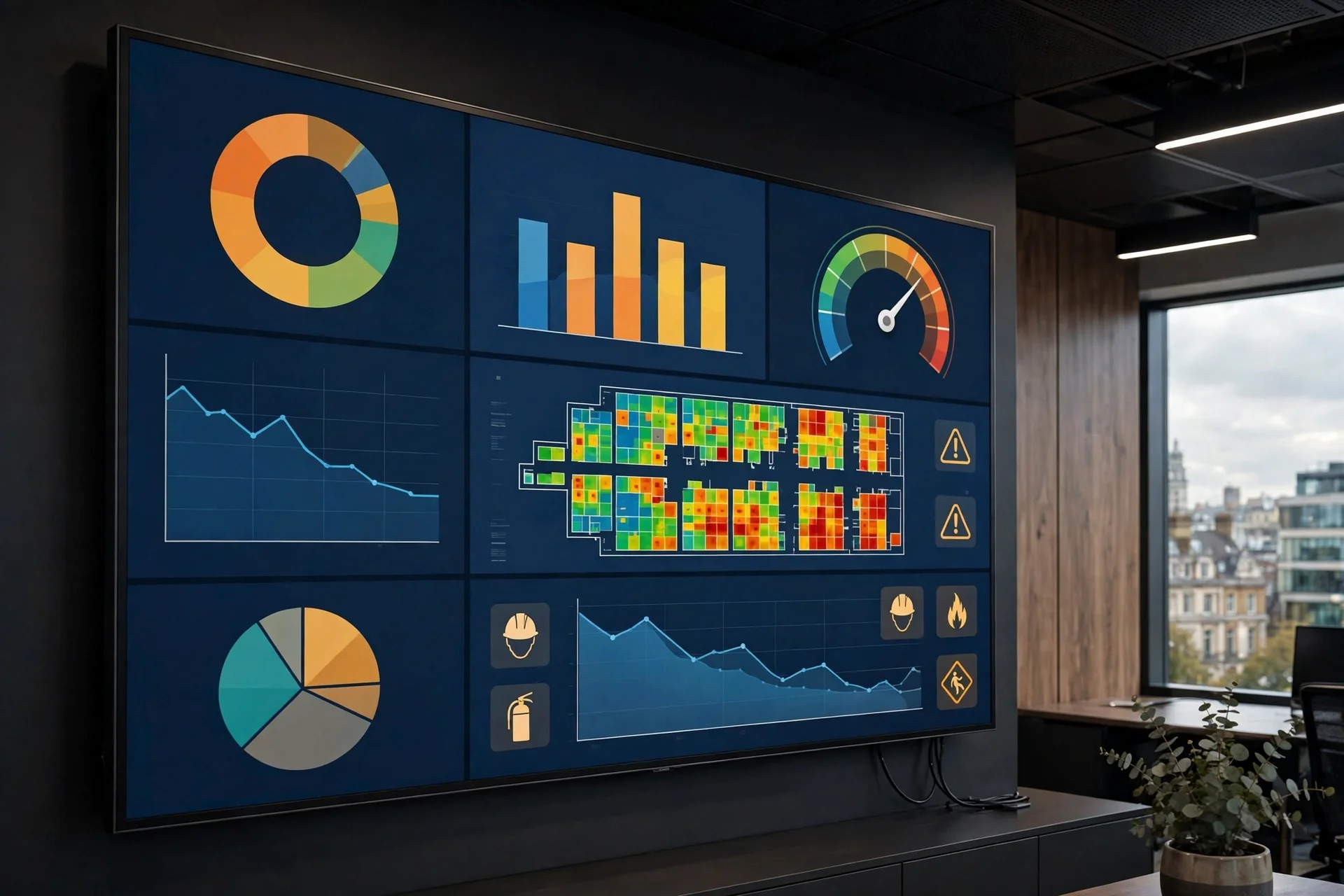
To make the data usable, the regulator developed an interactive dashboard that transforms the recorded information into clear visual insights on risks and trends. According to the official description of the project, the dashboard helps users understand where dangers concentrate and how they evolve, so that employers and public bodies can act earlier and build safer workplaces across different sectors.
The dashboard showed strong potential as a knowledge asset, but developing such a product fell outside the regulator's standard business as usual activities. The institution therefore sought support to understand the market opportunity, develop a commercial proposition and build the organisational capability required to take the product closer to market without abandoning its public mission of protecting workplace health.
--- The positions ---
The government office for technology transfer funded market research and a beta version of the dashboard, and advised on the value proposition, positioning and potential routes to market. The options explored included a subscription based platform for the regulator's products and services, according to the institutions involved, as part of a strategic partnership on technology transfer and capability building.
--- What remains unknown ---
No definitive timetable has been announced for a commercial version, nor the price or access conditions that different users would face. It also remains unclear which parts of the dashboard would stay openly available and which functions might be reserved for subscribers, a decisive distinction when the underlying information is gathered under legal reporting duties.
--- Unanswered questions ---
When will the dashboard move from its beta version to a stable commercial offer for employers and public bodies? Which safety data will remain accessible without payment to anyone interested in prevention? How will anyone measure whether this tool actually reduces risks in British workplaces over time?
--- EPM analysis ---
The case exposes a productive tension between public good and economic sustainability. Well managed, a data asset can fund preventive improvements and reach more users; poorly designed, it can raise barriers around information created to protect working people. The essential test will be keeping core safety insight open while charging only for genuine added value.
📌 EPM Take: In EPM's view, turning mandatory records into a comprehensible preventive tool is progress that deserves support, provided the public interest sets the limits of any commercial exploitation. The project is strongest where it seeks a market and organisational capability without renouncing its original purpose, and it gains credibility by admitting that building the dashboard lay beyond routine work. If the future offer keeps essential information accessible and demonstrates real prevention gains, the model could guide other public bodies holding valuable data.
--- The context ---
Great Britain's workplace health and safety regulator administers the official record of work-related injuries, diseases, deaths and dangerous occurrences, identified by the initials RIDDOR. For years that information existed as a technical archive that employers, public bodies and industry stakeholders struggled to turn into fast, well grounded decisions about risks in their own workplaces.
--- The facts ---
The institution developed an interactive dashboard that converts injury, disease and incident data into easy to understand visual insights. According to the official description, the tool helps users spot emerging risks, evaluate past failures and build stronger mitigation strategies, giving organisations a clearer picture of workplace health and safety trends without wading through raw records.
Although the dashboard demonstrated potential as a knowledge asset, creating it fell outside the regulator's ordinary activities, despite its internal innovation and commercial functions. The institution recognised that limit and sought support to understand the market, formulate a serious commercial proposition and build the organisational capability that taking such a product to market properly requires.
--- The positions ---
The government office for technology transfer provided funding for market research and a beta version, together with advice on value proposition, positioning and routes to market. That support included exploring a subscription based platform for the regulator's products and services, a formula that, properly applied, can sustain development without loading the entire cost onto the general budget.
--- What remains unknown ---
No launch date for a commercial version has been confirmed, and no definitive pricing or subscription structure has been detailed. It has also not been spelled out how formal management of these assets will be organised permanently inside the regulator, although the project has already prompted senior level conversations about more formal knowledge asset management structures.
--- Unanswered questions ---
Which subscription model will finally be adopted and what will it cost employers and public bodies that want access? What formal structures for managing knowledge assets will the regulator create after those internal conversations? What measurable results must the dashboard show to justify its continuation as a viable commercial product?
--- EPM analysis ---
According to those responsible, the project produced a more systematic commercial mindset and a clearer path from an early concept with no defined route to market to a beta version with a commercial pathway. The team particularly valued the step from a strong data science project to a viable asset delivering genuine commercial and public value.
📌 EPM Take: In EPM's view, the chief merit of this case lies in the discipline of testing a public asset against the market before scaling it. Researching demand, defining a value proposition and exploring subscription revenue are sound management steps that prevent resources being spent on products without real users. If the regulator keeps that rigour, publishes results and protects basic access to safety information, the dashboard could become an example of institutional efficiency serving employers and workers alike.
Londres convierte datos de seguridad laboral en activo comercial
El regulador británico de salud y seguridad laboral transformó su registro oficial de lesiones, enfermedades, muertes y sucesos peligrosos en un panel…
El regulador británico busca valor público en sus datos laborales
El regulador británico de salud y seguridad en el trabajo desarrolló un panel interactivo con los datos oficiales de lesiones, enfermedades y sucesos…
--- El contexto ---
El regulador británico de salud y seguridad en el trabajo custodia el registro oficial de lesiones, enfermedades, muertes y sucesos peligrosos ocurridos en los centros de trabajo. Ese acervo, conocido por las siglas RIDDOR, acumulaba un valor preventivo enorme que no siempre resultaba fácil de leer para quienes deben tomar decisiones diarias sobre riesgos laborales concretos.
--- Los hechos ---
Para volver esos datos comprensibles, el regulador desarrolló un panel interactivo que transforma la información registrada en visualizaciones claras sobre riesgos y tendencias. Según la descripción oficial del proyecto, el panel permite entender mejor dónde se concentran los peligros y cómo evolucionan, de modo que empleadores y otros actores puedan actuar antes de que los daños se repitan en otros lugares de trabajo.
El panel mostró un potencial claro como activo de conocimiento, pero su desarrollo quedaba fuera de la actividad habitual del regulador. Por eso la institución buscó apoyo para comprender la oportunidad de mercado, construir una propuesta comercial y crear la capacidad organizativa necesaria para acercar el producto al mercado sin abandonar su misión pública de proteger la salud laboral.
--- Las posiciones ---
La oficina gubernamental de transferencia de tecnología financió la investigación de mercado y una versión beta del panel, y asesoró sobre propuesta de valor, posicionamiento y rutas al mercado. Entre las opciones exploradas figuró una plataforma por suscripción para productos y servicios del regulador, siempre según lo expuesto por las propias instituciones participantes en el proyecto conjunto de transferencia tecnológica.
--- Lo que falta saber ---
Todavía no se conoce el calendario definitivo para una versión comercial, ni el precio o las condiciones de acceso que tendrían los distintos usuarios. Tampoco consta qué parte del panel seguirá siendo de consulta abierta y qué funciones podrían reservarse a suscriptores, una distinción decisiva cuando se trata de información recogida en cumplimiento de obligaciones legales de registro.
--- Preguntas sin respuesta ---
¿Cuándo pasará el panel de su versión beta a una oferta comercial estable para empleadores y organismos públicos? ¿Qué datos seguirán siendo accesibles sin pago para cualquier persona interesada en la prevención? ¿Cómo se medirá si esta herramienta reduce realmente los riesgos en los centros de trabajo británicos?
--- Análisis EPM ---
El caso muestra una tensión fecunda entre bien público y sostenibilidad económica. Bien gestionado, un activo de datos puede financiar mejoras preventivas y llegar a más usuarios; mal diseñado, puede levantar barreras sobre información que nació para proteger a las personas trabajadoras. La clave estará en mantener abierto lo esencial y cobrar solo por el valor añadido.
📌 Conclusion EPM: A juicio de EPM, convertir registros obligatorios en una herramienta preventiva comprensible es un avance que merece apoyo, siempre que el interés público marque los límites de su explotación comercial. El proyecto acierta al buscar mercado y capacidad organizativa sin renunciar a su finalidad original, y gana credibilidad al reconocer que desarrollar el panel quedaba fuera de su rutina habitual. Si la futura oferta mantiene accesible la información esencial y demuestra mejoras reales en prevención, el modelo podría servir de referencia para otros organismos que custodian datos valiosos para la sociedad.
--- El contexto ---
El regulador británico de salud y seguridad laboral administra el registro oficial de lesiones, enfermedades, muertes y sucesos peligrosos en el trabajo, identificado por las siglas RIDDOR. Durante años esa información existió como un acervo técnico de difícil aprovechamiento práctico para empleadores, organismos públicos y actores del sector que necesitan decisiones rápidas y bien fundamentadas.
--- Los hechos ---
La institución desarrolló un panel interactivo que convierte los datos de lesiones, enfermedades e incidentes en visualizaciones fáciles de entender. De acuerdo con la descripción oficial, esa herramienta ayuda a identificar riesgos y tendencias, a detectar peligros emergentes y a evaluar fallos pasados, de modo que las organizaciones puedan construir estrategias de mitigación más sólidas y mejor orientadas.
Aunque el panel demostró potencial como activo de conocimiento, crearlo escapaba a la actividad ordinaria del regulador, que ya dispone de funciones internas de innovación y de carácter comercial. La institución reconoció esa limitación y buscó apoyo externo para entender el mercado, formular una propuesta comercial seria y dotarse de la capacidad organizativa que exige llevar un producto así al mercado.
--- Las posiciones ---
La oficina gubernamental de transferencia de tecnología aportó financiación para investigar el mercado y construir una versión beta, además de asesoramiento sobre valor, posicionamiento y rutas comerciales. Ese acompañamiento incluyó explorar una plataforma por suscripción para productos y servicios del regulador, una fórmula que, bien aplicada, puede sostener el desarrollo sin cargar todo su coste al presupuesto general.
--- Lo que falta saber ---
No consta todavía una fecha de lanzamiento comercial ni una estructura definitiva de precios o de suscripción. Tampoco se ha detallado cómo se organizará de forma permanente la gestión formal de estos activos dentro del regulador, aunque el proyecto ya provocó conversaciones de nivel senior sobre estructuras más formales para administrarlos con criterio y continuidad.
--- Preguntas sin respuesta ---
¿Qué modelo de suscripción se adoptará finalmente y qué coste tendrá para empleadores y organismos públicos interesados? ¿Qué estructuras formales de gestión de activos de conocimiento creará el regulador tras esas conversaciones internas? ¿Qué resultados medibles deberá mostrar el panel para justificar su continuidad como producto comercial viable?
--- Análisis EPM ---
El proyecto obtuvo, según sus responsables, una mentalidad comercial más sistemática y una ruta más clara desde un concepto inicial sin salida definida hasta una versión beta con camino comercial. El equipo valoró especialmente el salto desde un buen proyecto de datos hacia un activo viable que combina valor comercial y valor público de manera verificable.
📌 Conclusion EPM: A juicio de EPM, el mérito principal del caso está en la disciplina de someter un activo público a la prueba del mercado antes de escalarlo. Investigar la demanda, definir una propuesta de valor y explorar ingresos por suscripción son pasos de buena gestión que evitan gastar recursos en productos sin usuarios reales. Si el regulador mantiene esa exigencia, publica resultados y protege el acceso básico a la información de seguridad, el panel puede convertirse en un ejemplo de eficiencia institucional al servicio de empleadores y trabajadores.