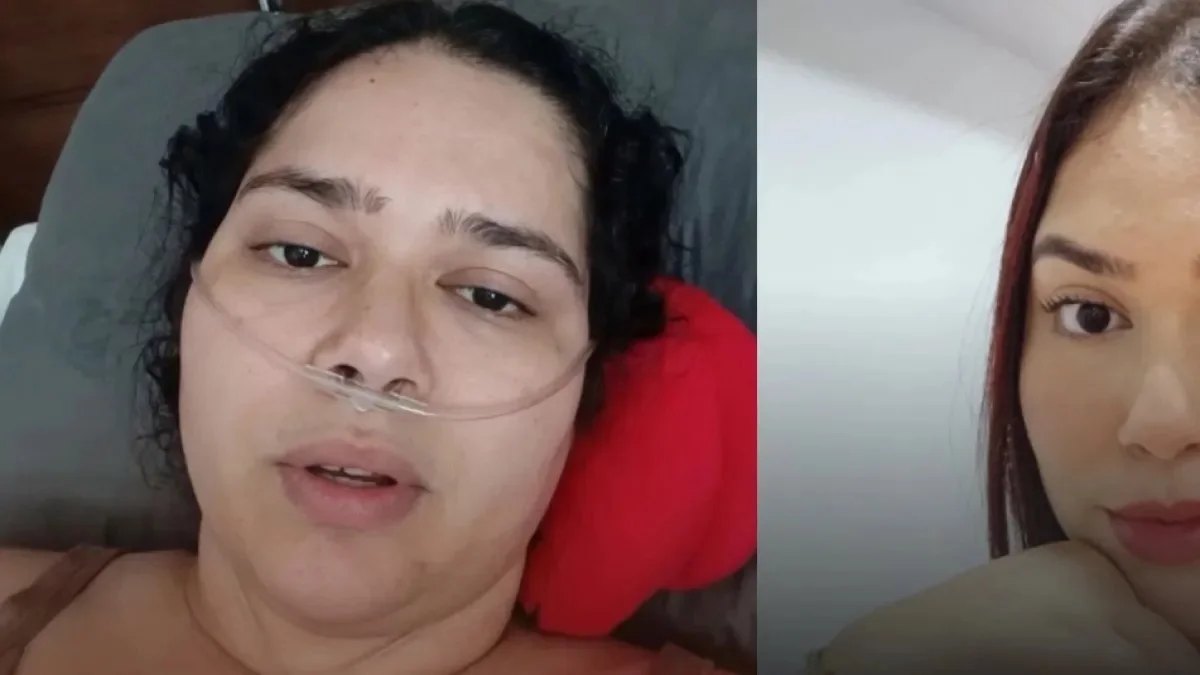
Daniela Sánchez Morales, de Montería, pide ayuda para acceder al medicamento Givlaari contra la porfiria intermitente aguda. · El Tiempo
A Mother in Montería Asks Abelardo for Givlaari Access to Keep Living
Daniela Sánchez Morales, 30, from Montería, lives with acute intermittent porphyria and asks President Abelardo De La Espriella for help accessing Givlaari…
An Orderly Petition to the President: Patient Seeks Givlaari and an Answer
From Montería, Daniela Sánchez Morales, 30, asks President Abelardo De La Espriella and First Lady Ana Lucía Pineda for a serious assessment to access Givlaari…
--- The context ---
In Montería, Córdoba, a 30-year-old woman turned her medical history into a public plea because she still lacks the answer she needs to live with less pain and fewer crises.
Daniela Sánchez Morales lives with acute intermittent porphyria, a rare disease, and says she also has grade four endometriosis and POTS dysautonomia, three diagnoses that, in her testimony, have no cure.
--- The facts ---
In a video shared on social media by a regional outlet, Daniela said she has spent four months with recurrent hospitalizations and that her health has progressively deteriorated during that period.
Her own measure of that decline is stark: over those four months, she stated, she has spent at most five days outside the clinic, while hospital stays became a constant in her daily life.
She also said she lives with pain and that the treatments she has received so far have not brought her the relief she needs, which is why she decided to make her situation public.
--- The positions ---
Her request is specific and has a name: help to access Givlaari, a medicine whose active ingredient is givosiran, generally used for certain patients with acute hepatic porphyria.
According to her account, that medicine could help control the crises caused by the disease and reduce how often they occur, which is exactly what she seeks when she asks for institutional support.
The appeal is addressed to President Abelardo De La Espriella and First Lady Ana Lucía Pineda, and also, in her words, to the Presidency of the Republic, asking them to help her access the treatment.
Daniela explained that her three diagnoses are, in her description, diagnoses without a cure and that, in general, they have no specific treatment, which makes an effective care pathway even more urgent.
At a moment of extreme suffering, she recounted, she even requested euthanasia; today, by contrast, she insists she wants to find an alternative to keep living and to keep fighting for her life.
--- What remains unknown ---
What remains unknown is what formal answer the Presidency will give to the appeal and whether there will be a verifiable pathway, with timelines and named responsibilities, to assess access to the requested medicine.
--- Unanswered questions ---
Which entity will take on the evaluation of Daniela's case and by what deadline will it answer her? What medical and administrative criteria will decide access to Givlaari in her particular situation? What support will her family receive while any procedure or additional clinical assessment moves forward?
--- EPM analysis ---
Behind this video is a mother asking to stay alive and present: Daniela said she needs to be well for her 9-year-old son with autism, and that sentence orders everything else in her plea.
📌 EPM Take: In EPM's view, Daniela Sánchez Morales's case exposes the distance between living with a rare disease and obtaining in time the medicine that can reduce its crises: four months of hospitalizations, at most five days outside the clinic and three diagnoses without a cure should not be resolved through a viral video, but through a public, fast and verifiable pathway of evaluation, access and family support that restores certainty to a mother asking, above all, to keep caring for her son.
--- The context ---
Some stories challenge the State without speeches: a citizen of Montería, Córdoba, aged 30, asks through an institutional channel to be allowed access to the medicine that, she explains, can help her control her crises.
Daniela Sánchez Morales faces acute intermittent porphyria, a rare disease, and says she also suffers from grade four endometriosis and POTS dysautonomia, a condition she herself describes as having no cure.
--- The facts ---
The deterioration is not a loose impression: according to her testimony in a video shared on social media by a regional outlet, she has accumulated four months of recurrent hospitalizations with progressively more fragile health.
The figure that sums up her recent routine is severe: in four months she has been outside the clinic for at most five days, she lives with permanent pain, and the treatments received have not given her the relief she needs.
For that reason she sought an orderly and public way forward: asking the Presidency of the Republic directly for help to access an alternative that improves her quality of life.
--- The positions ---
The requested medicine is Givlaari, whose active ingredient is givosiran, generally used in certain patients with acute hepatic porphyria, and Daniela asks for it so that she does not suffer so many follow-up crises.
Her appeal names President Abelardo De La Espriella and First Lady Ana Lucía Pineda, from whom she requests concrete help to access that specific treatment.
The patient maintains that her three diagnoses have no cure and that, in general, they lack a specific treatment, an argument that gives weight to the need for a rigorous medical assessment without delays.
She also revealed a fact that demands seriousness in the response: faced with suffering and complications, she went so far as to request euthanasia, but today she says she wants to keep fighting for her life.
--- What remains unknown ---
Still to be known is the official verification of the case: a clinical history assessed by the competent authority, a reasoned decision on the medicine, and a schedule the family can follow step by step.
--- Unanswered questions ---
Which health authority will formally review the request and under what clinical criteria will it decide on Givlaari? How soon will Daniela receive a written and verifiable answer from the Presidency? What follow-up mechanism will guarantee that the case is not lost between successive offices and procedures?
--- EPM analysis ---
The strength of the testimony lies in its family purpose: Daniela said she needs to be well for her 9-year-old son with autism, a responsibility that turns her petition into a duty of orderly response.
📌 EPM Take: In EPM's view, this case must be resolved with authority, medical verification and an institutional answer within a certain timeframe: a 30-year-old woman, with three diagnoses without a cure, four months of hospitalizations and at most five days outside the clinic deserves a reasoned decision on Givlaari, communicated clearly and followed through to completion, because trust in institutions is built when a desperate appeal receives a serious, traceable and humane process, without empty promises or delays that deepen her suffering and her family's.
Una madre de Montería pide a Abelardo acceso a Givlaari para seguir viviendo
Daniela Sánchez Morales, de 30 años y de Montería, padece porfiria intermitente aguda y pide ayuda al presidente Abelardo De La Espriella para acceder a…
Petición ordenada al presidente: una paciente pide Givlaari y respuesta institucional
Desde Montería, Daniela Sánchez Morales, de 30 años, solicita al presidente Abelardo De La Espriella y a la primera dama Ana Lucía Pineda una valoración seria…
--- El contexto ---
En Montería, Córdoba, una mujer de 30 años convirtió su historia clínica en un llamado público porque el sistema no le ha dado todavía la respuesta que necesita para vivir con menos dolor.
Daniela Sánchez Morales padece porfiria intermitente aguda, una enfermedad huérfana, y asegura que también vive con endometriosis grado cuatro y con disautonomía POTS, tres diagnósticos que, según su testimonio, no tienen cura.
--- Los hechos ---
En un video difundido en redes sociales por un medio regional, Daniela relató que lleva cuatro meses con hospitalizaciones recurrentes y que su estado de salud se ha deteriorado progresivamente en ese periodo.
Su propia medida del deterioro es contundente: en esos cuatro meses, afirmó, solo ha pasado máximo cinco días fuera de la clínica, mientras las hospitalizaciones se volvieron una constante de su vida cotidiana.
La mujer aseguró además que vive con dolor y que los tratamientos recibidos hasta ahora no han logrado darle el alivio que necesita, razón por la cual decidió hacer pública su situación.
--- Las posiciones ---
Su petición es concreta y tiene nombre propio: ayuda para acceder a Givlaari, un medicamento cuyo principio activo es el givosirán, usado generalmente en determinados pacientes con porfiria hepática aguda.
Según su relato, ese medicamento podría contribuir a controlar las crisis provocadas por la enfermedad y a reducir su frecuencia, que es justamente lo que busca cuando pide apoyo institucional.
El llamado está dirigido al presidente Abelardo De La Espriella y a la primera dama Ana Lucía Pineda, y también, en sus palabras, a la Presidencia de la República, para que la ayuden a acceder al tratamiento.
Daniela explicó que los tres diagnósticos son, en su descripción, diagnósticos sin cura y que, por lo general, no tienen un tratamiento específico, lo que vuelve más urgente una ruta efectiva de atención.
En un momento de sufrimiento extremo, contó, llegó a solicitar la eutanasia; hoy, en cambio, insiste en que quiere encontrar una alternativa para continuar viviendo y seguir luchando por su vida.
--- Lo que falta saber ---
Falta saber qué respuesta formal dará la Presidencia al llamado y si existirá una ruta verificable, con tiempos y responsables, para evaluar el acceso al medicamento solicitado.
--- Preguntas sin respuesta ---
¿Qué entidad asumirá la evaluación del caso de Daniela y en qué plazo le dará una respuesta? ¿Qué criterios médicos y administrativos decidirán el acceso a Givlaari en su situación particular? ¿Qué acompañamiento recibirá su familia mientras avanza cualquier trámite o valoración clínica adicional?
--- Análisis EPM ---
Detrás de este video hay una madre que pide seguir viva y presente: Daniela expresó que necesita estar bien para su hijo de 9 años con autismo, y esa frase ordena todo lo demás.
📌 Conclusion EPM: A juicio de EPM, el caso de Daniela Sánchez Morales expone la distancia entre padecer una enfermedad huérfana y obtener a tiempo el medicamento que puede reducir sus crisis: cuatro meses de hospitalizaciones, máximo cinco días fuera de la clínica y tres diagnósticos sin cura no deberían resolverse con un video viral, sino con una ruta pública, rápida y verificable de evaluación, acceso y acompañamiento familiar que devuelva certeza a una madre que hoy pide, ante todo, poder seguir cuidando a su hijo.
--- El contexto ---
Hay historias que interpelan al Estado sin discursos: una ciudadana de Montería, Córdoba, de 30 años, pide por un canal institucional que se le permita acceder al medicamento que, según explica, puede ayudarla a controlar sus crisis.
Daniela Sánchez Morales enfrenta porfiria intermitente aguda, una enfermedad huérfana, y afirma padecer además endometriosis grado cuatro y disautonomía POTS, un cuadro que ella misma describe como sin cura.
--- Los hechos ---
El deterioro no es una impresión suelta: según su testimonio en un video difundido en redes sociales por un medio regional, acumula cuatro meses de hospitalizaciones recurrentes con una salud progresivamente más frágil.
La cifra que resume su rutina reciente es severa: en cuatro meses solo ha estado máximo cinco días fuera de la clínica, convive con dolor permanente y los tratamientos recibidos no le han dado el alivio necesario.
Por esa razón buscó una salida ordenada y pública: pedir ayuda directamente a la Presidencia de la República para acceder a una alternativa que mejore su calidad de vida.
--- Las posiciones ---
El medicamento solicitado es Givlaari, cuyo principio activo es el givosirán, utilizado generalmente en determinados pacientes con porfiria hepática aguda, y Daniela lo pide para que no le den tantas crisis de seguimiento.
Su llamado nombra al presidente Abelardo De La Espriella y a la primera dama Ana Lucía Pineda, a quienes solicita ayuda concreta para acceder a ese tratamiento específico.
La paciente sostiene que sus tres diagnósticos no tienen cura y que, por lo general, carecen de un tratamiento específico, argumento que da peso a la necesidad de una valoración médica rigurosa y sin demoras.
También reveló un dato que exige seriedad en la respuesta: ante el sufrimiento y las complicaciones, llegó a solicitar la eutanasia, pero hoy afirma que quiere seguir luchando por su vida.
--- Lo que falta saber ---
Queda por conocer la verificación oficial del caso: historia clínica evaluada por la autoridad competente, decisión fundamentada sobre el medicamento y un cronograma que la familia pueda seguir paso a paso.
--- Preguntas sin respuesta ---
¿Qué autoridad sanitaria revisará formalmente la solicitud y con qué criterios clínicos decidirá sobre Givlaari? ¿En cuánto tiempo recibirá Daniela una respuesta escrita y verificable de la Presidencia? ¿Qué mecanismo de seguimiento garantizará que el caso no se pierda entre dependencias y trámites sucesivos?
--- Análisis EPM ---
La fuerza del testimonio está en su finalidad familiar: Daniela dijo que necesita estar bien para su hijo de 9 años con autismo, una responsabilidad que convierte su petición en un deber de respuesta ordenada.
📌 Conclusion EPM: A juicio de EPM, este caso debe resolverse con autoridad, verificación médica y respuesta institucional en plazo cierto: una mujer de 30 años, con tres diagnósticos sin cura, cuatro meses de hospitalizaciones y máximo cinco días fuera de la clínica merece una decisión fundamentada sobre Givlaari, comunicada con claridad y seguida hasta su cumplimiento, porque la confianza en las instituciones se construye cuando un llamado desesperado recibe un trámite serio, trazable y humano, sin promesas vacías ni dilaciones que agraven su sufrimiento y el de su familia.