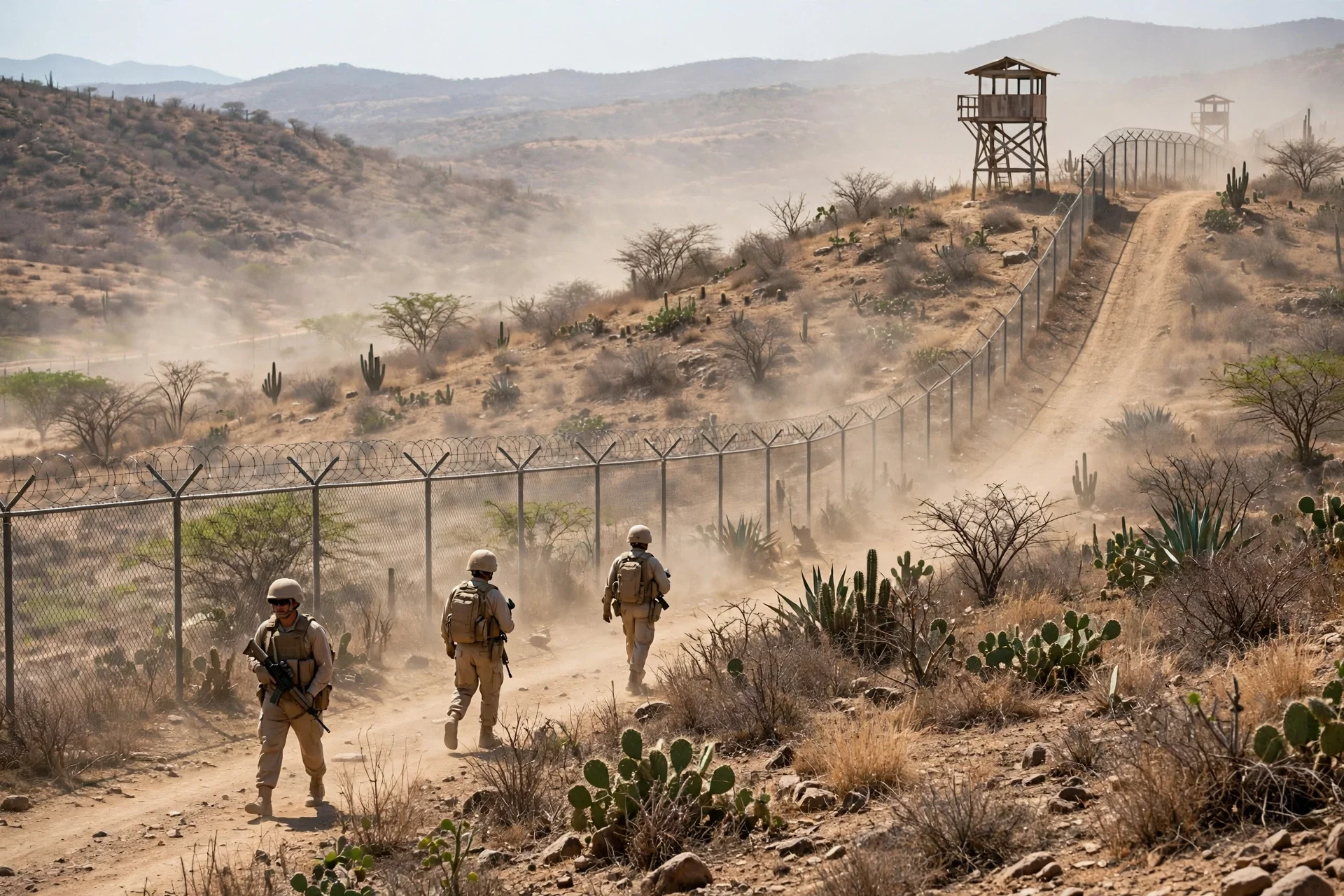
Dominican Lawmakers Demand a Reinforced, Verifiable Border
Dominican lawmakers from the opposition and the ruling party agreed in calling for a reinforced border with Haiti following El Salvador's announced operation…
Dominican Congress Demands a Shielded Border Amid Haiti Crisis
Dominican lawmakers demanded that the border with Haiti be shielded after El Salvador announced an operation to rescue four kidnapped technicians, while the…
--- The context ---
The Dominican-Haitian border is once again at the center of public debate because of an event abroad with direct effects on its security. The announcement of a Salvadoran rescue operation in Haiti alarmed lawmakers from different parties, who called for firmer, verifiable border surveillance amid the risk that armed gangs may try to cross into Dominican territory.
--- The facts ---
Salvadoran President Nayib Bukele announced an operation to rescue four Salvadoran military aviation technicians kidnapped after an ambush on Sunday, October 18 in Santo, Croix-des-Bouquets, near Port-au-Prince. The president demanded that they be handed over alive and unharmed, and warned of a stronger response if they are not released.
The United Nations condemned the kidnapping and demanded the immediate and safe release of the four Salvadorans. Secretary-General spokesperson Stéphane Dujarric called for the technicians to be freed without delay.
Minister of the Presidency José Ignacio Paliza stated that more than ten thousand troops remain deployed at the border and that the Government will adopt any additional measure needed to protect national integrity. He maintained that the crisis had not caused incidents compromising the security of the State.
--- The positions ---
Opposition lawmaker Tobías Crespo maintained that the Haitian crisis has a direct impact on the Dominican Republic and stated that the Government must offer real guarantees on border security, beyond announcing its reinforcement. He questioned what he considers a contradiction between the official migration discourse and the authorities' actions, and attributed the position on support for El Salvador to the Government and the Foreign Ministry.
José David Báez argued that the reinforcement should be accompanied by the activation of security agencies to prevent Haitian criminal organizations from entering the country, and asked for responsible reinforcement that is not mere words. He favored diplomatic support for El Salvador, but rejected an incursion of Dominican troops into Haiti because of the risk of worsening bilateral relations.
Rafaela González urged President Luis Abinader to maximize protection of the border area, warned that proximity makes it necessary to prevent entry attempts by gang members, and stressed that protecting the border is the president's direct responsibility. From the ruling party, Kenia Bidó acknowledged the need to guard it, trusted the Government will assess the risks, and considered that support for Bukele requires study.
--- What remains unknown ---
The concrete scope of the rescue operation announced by El Salvador is not yet known, nor whether it will produce movements of armed gangs toward the border. Nor have additional Dominican measures or an official position on support for El Salvador been reported.
--- Unanswered questions ---
What preventive measures will the Government adopt if operations cause armed gangs to move toward the border? Will the Foreign Ministry define diplomatic support for El Salvador or maintain an observational stance? Will the current deployment of more than ten thousand troops be reinforced, or is it judged sufficient?
--- EPM analysis ---
The agreement between opposition and ruling party is infrequent: nobody disputes that the border must be protected, but they differ in tone and in the demand for guarantees. In parallel, Defense ruled out closing the border for now, judging that extraordinary measures are not warranted, so activity at border crossings will continue normally.
📌 EPM Take:
In EPM's view, the Dominican border cannot be protected with announcements: the agreement between opposition and ruling party offers a rare opportunity to turn surveillance into a verifiable policy, with checkable deployments, timely public information and prudent diplomatic coordination in the face of the Haitian crisis. The country needs real, sustained prevention, diplomatic support without military adventures, and a Foreign Ministry that defines its position clearly before its own population and before the neighboring countries of the region.
--- The context ---
The security of the Dominican-Haitian border is a permanent obligation of the State, and events in Haiti have put it to the test again. After the kidnapping of four Salvadoran technicians, the announcement of a rescue operation awakened a shared demand in Congress: to shield the border before Haitian violence spills into national territory.
--- The facts ---
The President of El Salvador, Nayib Bukele, announced an operation to rescue four Salvadoran military aviation technicians kidnapped after an ambush on Sunday, October 18 in Santo, Croix-des-Bouquets, near Port-au-Prince. The president demanded that they be handed over alive and unharmed, and warned of a stronger response if they are not released.
The United Nations condemned the kidnapping and demanded the immediate and safe release of the four Salvadorans. Secretary-General spokesperson Stéphane Dujarric called for them to be freed without delay.
Minister of the Presidency José Ignacio Paliza stated that more than ten thousand troops remain deployed along the border and that the Government will adopt any additional measure needed to protect national integrity. He maintained that, at the time of his statements, the crisis had not caused incidents that compromised the security of the State.
--- The positions ---
Lawmaker Tobías Crespo maintained that the Haitian crisis has a direct impact on the Dominican Republic and stated that the Government must offer guarantees on border security, beyond announcing its reinforcement and that the population have the peace of mind that the work is done. He questioned what he considers a contradiction between the official migration discourse and the authorities' actions.
José David Báez argued that the reinforcement should be accompanied by the activation of security agencies to prevent Haitian criminal organizations from entering the country, stressing that the reinforcement must be responsible and not remain mere words. He favored diplomatic support for El Salvador, but rejected an incursion of Dominican troops into Haiti because of the risk of worsening bilateral relations.
Rafaela González urged President Luis Abinader to maximize protection of the border area, warned that the border must be shielded and stressed that protecting it is the president's responsibility. From the ruling party, Kenia Bidó acknowledged the need to guard it, said any stampede must be avoided, and considered that support for Bukele requires study.
--- What remains unknown ---
It is not yet known whether the Salvadoran operation will cause gangs to move toward the border or what additional measures the Dominican Government will adopt beyond the existing deployment. Nor is the official definition of the support the country would offer El Salvador known.
--- Unanswered questions ---
Is the border truly shielded against a mass entry attempt by gang members fleeing operations in Haiti? Will the Government adopt measures beyond the more than ten thousand troops deployed, or does it judge the current setup sufficient? Will support for El Salvador remain diplomatic, without committing Dominican troops?
--- EPM analysis ---
When national security is at stake, opposition and ruling party spoke the same language, differing only in emphasis between those who demand guarantees and those who trust the Government's assessment. In parallel, Defense ruled out closing the border for now, judging that extraordinary measures are not warranted, so activity at border crossings will continue normally.
📌 EPM Take:
In EPM's view, defending the border is defending sovereignty, and that duty admits neither pauses nor half-hearted speeches: the deployment of more than ten thousand troops must be sustained, reinforced where needed and verified on the ground, because Dominicans' peace of mind depends on facts and not on announcements. Support for El Salvador must be diplomatic, without incursions complicating the relationship with Haiti. Order at the border and authority in the territory.
Diputados reclaman una frontera reforzada y garantías verificables
Legisladores dominicanos de oposición y oficialismo coincidieron en pedir el reforzamiento de la frontera con Haití ante la operación salvadoreña de rescate de…
Congreso dominicano exige blindar la frontera ante la crisis haitiana
Diputados dominicanos exigieron blindar la frontera con Haití tras el anuncio de la operación salvadoreña para rescatar a cuatro técnicos secuestrados…
--- El contexto ---
La frontera dominico-haitiana volvió al centro del debate público por un hecho ocurrido fuera del país con efectos directos sobre su seguridad. El anuncio de una operación salvadoreña de rescate en Haití alarmó a legisladores de distintos partidos, que pidieron una vigilancia fronteriza más firme y verificable ante el riesgo de que bandas armadas intenten cruzar.
--- Los hechos ---
El presidente salvadoreño, Nayib Bukele, anunció una operación para rescatar a cuatro técnicos de aviación de su país, secuestrados tras una emboscada el domingo 18 de octubre en Santo, Croix-des-Bouquets cerca de Puerto Príncipe. El mandatario exigió que sean entregados con vida y sin lesiones, y advirtió de una respuesta más contundente si no son liberados.
Naciones Unidas condenó el secuestro y exigió la liberación inmediata y segura de los cuatro salvadoreños. El portavoz del secretario general, Stéphane Dujarric, reclamó que sean puestos en libertad sin demora.
El ministro de la Presidencia, José Ignacio Paliza, aseguró que más de 10 mil militares permanecen desplegados en la frontera y que el Gobierno adoptará cualquier medida adicional necesaria para proteger la integridad nacional. Sostuvo que la crisis no había provocado incidentes que comprometieran la seguridad del Estado.
--- Las posiciones ---
El opositor Tobías Crespo sostuvo que la crisis haitiana repercute directamente en el país y afirmó que el Gobierno debe ofrecer garantías reales de seguridad fronteriza, más allá de anunciar su reforzamiento. Cuestionó lo que considera una contradicción entre el discurso oficial sobre el control migratorio y las acciones de las autoridades, y atribuyó al Gobierno y a la Cancillería la posición sobre un respaldo a El Salvador.
José David Báez planteó que el reforzamiento debe acompañarse de la activación de los organismos de seguridad para impedir que organizaciones criminales haitianas penetren en el país, y pidió un refuerzo responsable que no se quede en palabras. Favoreció un respaldo diplomático a El Salvador, pero rechazó una incursión de tropas dominicanas en Haití por el riesgo de agravar las relaciones bilaterales.
Rafaela González instó al presidente Luis Abinader a extremar la protección de la zona limítrofe, advirtió que la cercanía obliga a prevenir intentos de ingreso de pandilleros y remarcó que proteger la frontera es responsabilidad del presidente. Desde el oficialismo, Kenia Bidó reconoció la necesidad de resguardarla, confió en que el Gobierno evaluará los riesgos y consideró que un apoyo a Bukele requiere estudio.
--- Lo que falta saber ---
No se conoce el alcance de la operación de rescate anunciada por El Salvador ni si producirá movimientos de bandas hacia la frontera. Tampoco se han informado medidas dominicanas adicionales ni una posición oficial sobre un eventual respaldo a El Salvador.
--- Preguntas sin respuesta ---
¿Qué medidas preventivas adoptará el Gobierno si los operativos provocan desplazamientos de bandas hacia la frontera? ¿Definirá la Cancillería un respaldo diplomático a El Salvador o solo observará? ¿Se reforzará el despliegue actual de más de 10 mil militares o se juzga suficiente?
--- Análisis EPM ---
La coincidencia entre oposición y oficialismo es poco frecuente: nadie discute proteger la frontera, pero difieren el tono y la exigencia. En paralelo, Defensa descartó por ahora cerrar la frontera, al considerar que no amerita medidas extraordinarias, por lo que la actividad en los pasos fronterizos continuará con normalidad.
📌 Conclusion EPM:
A juicio de EPM, la frontera dominicana no puede protegerse con anuncios: la coincidencia entre oposición y oficialismo ofrece una oportunidad rara de convertir la vigilancia en una política verificable, con despliegues comprobables, información pública oportuna y coordinación diplomática prudente frente a la crisis haitiana. El país necesita prevención real y sostenida, respaldo diplomático sin aventuras militares y una Cancillería que defina su posición con claridad ante la población y ante los países vecinos de la región.
--- El contexto ---
La seguridad de la frontera dominico-haitiana es una obligación permanente del Estado, y Haití la ha vuelto a poner a prueba. Tras el secuestro de cuatro técnicos salvadoreños, el anuncio de una operación de rescate despertó en el Congreso una exigencia compartida: blindar la frontera antes de que la violencia haitiana se desborde hacia territorio nacional.
--- Los hechos ---
El presidente de El Salvador, Nayib Bukele, anunció una operación para rescatar a cuatro técnicos de aviación salvadoreños, secuestrados tras una emboscada el domingo 18 de octubre en Santo, Croix-des-Bouquets cerca de Puerto Príncipe. El mandatario exigió que sean entregados con vida y sin lesiones, y advirtió de una respuesta más contundente si no son liberados.
Naciones Unidas condenó el secuestro y exigió la liberación inmediata y segura de los cuatro salvadoreños. El portavoz del secretario general, Stéphane Dujarric, reclamó que sean puestos en libertad sin demora.
El ministro de la Presidencia, José Ignacio Paliza, aseguró que más de 10 mil militares permanecen desplegados en la frontera y que el Gobierno adoptará cualquier medida adicional necesaria para proteger la integridad nacional. Sostuvo que la crisis no había provocado incidentes que comprometieran la seguridad del Estado.
--- Las posiciones ---
El diputado Tobías Crespo sostuvo que la crisis haitiana repercute directamente en el país y afirmó que el Gobierno debe ofrecer garantías de seguridad fronteriza, más allá de anunciar su reforzamiento y que la población tenga la tranquilidad de que se hace el trabajo. Cuestionó lo que considera una contradicción entre el discurso oficial migratorio y las acciones de las autoridades.
José David Báez planteó que el reforzamiento debe acompañarse de la activación de los organismos de seguridad para impedir que organizaciones criminales haitianas penetren en el país, subrayando que el refuerzo debe ser responsable y no quedarse en palabras. Favoreció un respaldo diplomático a El Salvador, pero rechazó una incursión de tropas dominicanas en Haití por el riesgo de agravar las relaciones bilaterales.
Rafaela González instó al presidente Luis Abinader a extremar la protección de la zona limítrofe, advirtió que la frontera tiene que estar blindada y remarcó que protegerla es responsabilidad del presidente. Desde el oficialismo, Kenia Bidó reconoció la necesidad de resguardarla, dijo que hay que evitar cualquier estampida y consideró que un apoyo a Bukele requiere estudio.
--- Lo que falta saber ---
No se sabe si la operación salvadoreña provocará desplazamientos de bandas hacia la frontera ni qué medidas adicionales adoptará el Gobierno más allá del despliegue existente. Tampoco se conoce la definición oficial del respaldo que el país ofrecería a El Salvador.
--- Preguntas sin respuesta ---
¿Está la frontera blindada frente a un ingreso masivo de pandilleros que huyan de los operativos en Haití? ¿Adoptará el Gobierno medidas adicionales a los 10 mil militares desplegados o juzga suficiente el dispositivo actual? ¿Se limitará el respaldo a El Salvador al plano diplomático, sin comprometer tropas dominicanas?
--- Análisis EPM ---
Con la seguridad nacional en juego, oposición y oficialismo hablaron el mismo idioma, con diferencias de énfasis entre quienes exigen garantías y quienes confían en el Gobierno. En paralelo, Defensa descartó por ahora cerrar la frontera, al considerar que no amerita medidas extraordinarias, por lo que la actividad en los pasos fronterizos continuará con normalidad.
📌 Conclusion EPM:
A juicio de EPM, defender la frontera es defender la soberanía, y ese deber no admite pausas ni discursos a medias: el despliegue de más de 10 mil militares debe sostenerse, reforzarse donde haga falta y verificarse sobre el terreno, porque la tranquilidad de los dominicanos depende de hechos y no de anuncios. El respaldo a El Salvador debe ser diplomático, sin incursiones que compliquen la relación con Haití. Orden en la frontera y autoridad en el territorio.