Noboa accuses Petro of belonging to a drug trafficking structure
Ecuador's president, Daniel Noboa, accused former Colombian president Gustavo Petro of belonging to a drug trafficking and money laundering structure, amid the…
Ecuador and Colombia face a crisis over Noboa's accusation
Daniel Noboa linked Gustavo Petro to an alleged drug trafficking and money laundering structure after the detention of Luisa González in Manabí, as prosecutors…
--- The context ---
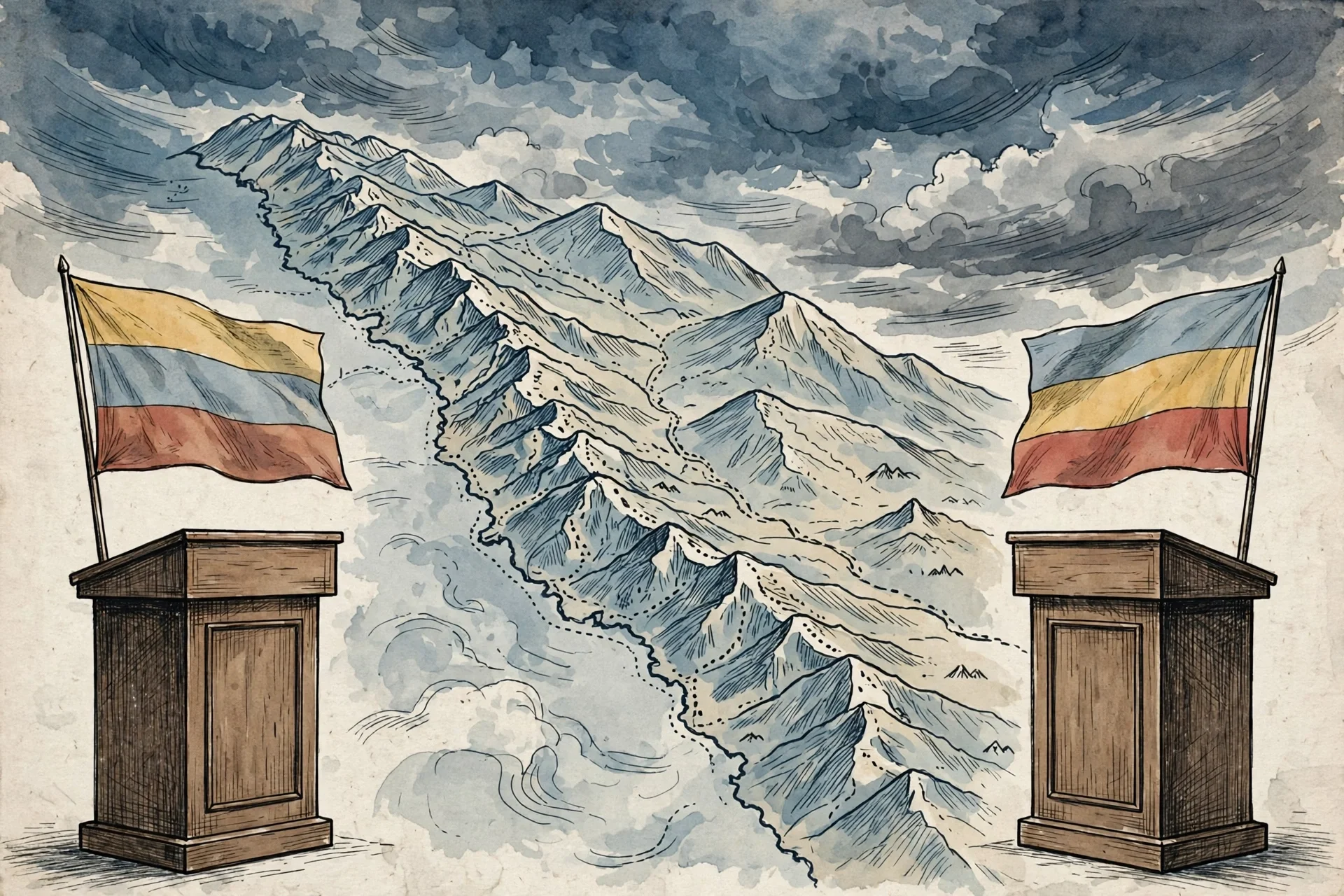
Ecuador and Colombia share an Andean border, a common security agenda and trade that sustains economies on both sides of the mountain range. That relationship is now going through its roughest moment in years.
The deterioration dates back to last April, when Noboa first accused Petro of links to criminal organizations; since then, security cooperation cooled and trade was hit with tariffs of up to 100 %.
--- The facts ---
This Thursday, in statements to a Colombian magazine, President Daniel Noboa said that Gustavo Petro, who governed Colombia from 2022 to 2026, belongs, in his assertion, to a large drug trafficking and money laundering structure. It is an accusation by the president, not a proven fact.
Noboa was reacting to remarks by Petro, who had denounced that Ecuador was living under a true dictatorship after the detention of former presidential candidate Luisa González, arrested early this Thursday in Canuto, Manabí.
The Prosecutor's Office said it carried out, together with the Police, three detention orders to file charges for alleged money laundering in Manabí and Pichincha, although it did not specify whether González is among those arrested.
--- The positions ---
Noboa argued that his government is dismantling that alleged structure, which according to him includes Petro, and that this is why the former president reacts this way. On González, he added that she is being investigated for alleged irregularities in political financing and electoral advertising spending in the 2023 presidential campaign of the Revolución Ciudadana movement.
The case, called Laberinto, investigates possible irregularities in the political financing and advertising spending of the 2023 presidential campaign, due to inconsistencies in contributions and in the lawful origin of the funds.
--- What remains unknown ---
What remains unknown is whether the accusation against Petro rests on evidence made public by any authority, because so far it is known only through Noboa's statements; in April, according to the president, Petro had met members of Revolución Ciudadana whom he linked to a criminal leader detained in the U.S.
--- Unanswered questions ---
Will Ecuador present verifiable evidence supporting the accusation against Petro? Is Luisa González among those against whom charges will be filed? Will both countries restore the security cooperation and trade damaged by this crisis?
--- EPM analysis ---
The detention comes just over a month before the local elections scheduled for November 29, in which Revolución Ciudadana, aligned with former president Rafael Correa, who governed from 2007 to 2017, will not be able to participate after being suspended in March by the Electoral Disputes Tribunal.
📌 EPM Take: In EPM's view, an accusation of this gravity between neighboring countries demands public and verifiable evidence, because without it, it stops being an act of justice and becomes political pressure. Ecuador and Colombia need each other to confront the drug trafficking operating along their shared border, and every day of rupture cheapens that effort. The demand is symmetrical: that the words of leaders be measured with the same rigor that institutions apply when they file charges against any person.
--- The context ---
For years, the border between Ecuador and Colombia has been a space of security cooperation and intense trade. Today that bond is going through an open crisis, with cross accusations and an ongoing judicial investigation in Ecuador.
The rupture dates back to last April, when Noboa accused Petro of links to criminal organizations. Since then, security cooperation and commercial exchanges deteriorated, with tariffs of up to 100 %.
--- The facts ---
This Thursday, in statements to a Colombian magazine, President Daniel Noboa said that Gustavo Petro, Colombia's president from 2022 to 2026, belongs, in his assertion, to a large drug trafficking and money laundering structure. The statement is an accusation by the president and is not established as a proven fact.
Noboa's words responded to earlier statements by Petro, who denounced that Ecuador was living under a true dictatorship after the detention of former presidential candidate Luisa González, arrested early this Thursday in Canuto, Manabí.
The Prosecutor's Office said it carried out, together with the Police, three detention orders to file charges for alleged money laundering in the provinces of Manabí and Pichincha, although it did not specify whether González is among those arrested.
--- The positions ---
Noboa argued that his government is dismantling that structure and that Petro's anger is explained because, he asserted, the former president is part of it. On González, he pointed to alleged irregularities in political financing and electoral advertising spending in the 2023 presidential campaign of Revolución Ciudadana.
The Laberinto case investigates possible irregularities in the political financing and advertising spending of the 2023 presidential campaign, based on inconsistencies in the contributions and in the lawful origin of the funds used.
--- What remains unknown ---
No public evidence is yet known that supports the accusation against Petro, nor any judicial charge against him arising from these statements. Noboa had already said in April that Petro met with members of Revolución Ciudadana linked, according to him, to a criminal leader detained in the U.S.
--- Unanswered questions ---
Will Ecuador publish the evidence it says it has against Petro? Is Luisa González formally among those arrested in Manabí and Pichincha? Can the bilateral relationship withstand another blow without fully breaking cooperation against drug trafficking?
--- EPM analysis ---
The timing is delicate: just over a month remains before the local elections of November 29, and Revolución Ciudadana, aligned with Rafael Correa, president from 2007 to 2017, will not be able to participate because of the suspension issued in March by the Electoral Disputes Tribunal.
📌 EPM Take: In EPM's view, fighting money laundering and drug trafficking is a duty of every state, and no name, however high, can remain beyond the reach of justice when evidence exists. Precisely for that reason, an accusation against a neighboring former president must be presented with proof and through institutional channels, so that justice, and not political dispute, has the final word. The region cannot afford to let the fight against crime become another front of polarization between governments.
Noboa acusa a Petro de integrar una estructura de narcotráfico
El presidente de Ecuador, Daniel Noboa, acusó al expresidente colombiano Gustavo Petro de pertenecer a una estructura de narcotráfico y lavado de activos, en…
Ecuador y Colombia, en su peor crisis por una acusación de Noboa
Daniel Noboa vinculó a Gustavo Petro con una presunta estructura de narcotráfico y lavado de activos tras la detención de Luisa González en Manabí, mientras la…
--- El contexto ---
Ecuador y Colombia comparten una frontera andina, una agenda de seguridad común y un comercio que sostiene a las economías de ambos lados de la cordillera. Esa relación atraviesa su momento más áspero en años.
El deterioro viene de abril pasado, cuando Noboa acusó por primera vez a Petro de vínculos con organizaciones criminales; desde entonces cayeron la cooperación en seguridad y el comercio, castigado con aranceles de hasta el 100 %.
--- Los hechos ---
Este jueves, en declaraciones a una revista colombiana, el presidente Daniel Noboa aseguró que Petro, quien gobernó Colombia entre 2022 y 2026, pertenece, según su afirmación, a una estructura grande de narcotráfico y lavado de activos. Es una acusación del mandatario, no un hecho probado.
Noboa reaccionó a dichos de Petro, quien denunció que en Ecuador se vivía bajo una verdadera dictadura tras la detención de la excandidata Luisa González, arrestada en la madrugada de este jueves en Canuto, Manabí.
La Fiscalía informó que ejecutó, junto con la Policía, tres órdenes de detención para formular cargos por presunto lavado de dinero en Manabí y Pichincha, aunque no precisó si González figura entre los arrestados.
--- Las posiciones ---
Noboa sostuvo que su gobierno está desbaratando esa supuesta estructura, que según él incluye a Petro, y que por eso el exmandatario reacciona así. Sobre González, agregó que se la investiga por presuntas irregularidades en el financiamiento político y el gasto electoral en publicidad de la campaña presidencial de 2023 del movimiento Revolución Ciudadana.
El caso, denominado Laberinto, investiga posibles irregularidades en la financiación política y el gasto en publicidad de la campaña presidencial de 2023, por inconsistencias en los aportes y en el origen lícito de los recursos.
--- Lo que falta saber ---
Falta saber si la acusación contra Petro se apoya en evidencias hechas públicas, porque hasta ahora se conoce solo por las declaraciones de Noboa, quien en abril ya lo había acusado de reunirse con miembros de Revolución Ciudadana ligados a un cabecilla criminal detenido en EE. UU.
--- Preguntas sin respuesta ---
¿Presentará Ecuador evidencias verificables que respalden la acusación contra Petro? ¿Figura Luisa González entre las personas contra quienes se formularán cargos? ¿Recuperarán ambos países la cooperación en seguridad y el comercio afectados por esta crisis?
--- Análisis EPM ---
La detención llega a poco más de un mes de las elecciones locales del 29 de noviembre, en las que Revolución Ciudadana, alineado con el expresidente Rafael Correa, quien gobernó entre 2007 y 2017, no podrá participar tras su suspensión en marzo por el Tribunal Contencioso Electoral.
📌 Conclusion EPM: A juicio de EPM, una acusación de esta gravedad entre países vecinos exige evidencias públicas y verificables, porque sin ellas deja de ser un acto de justicia y se convierte en presión política. Ecuador y Colombia se necesitan para enfrentar al narcotráfico que opera en su frontera común, y cada día de ruptura abarata ese esfuerzo. La exigencia es simétrica: que las palabras de los gobernantes se midan con el mismo rigor que las instituciones aplican cuando formulan cargos contra cualquier persona.
--- El contexto ---
La frontera entre Ecuador y Colombia ha sido durante años un espacio de cooperación en seguridad y de comercio intenso. Hoy ese vínculo atraviesa una crisis abierta, con acusaciones cruzadas y una investigación judicial en curso en Ecuador.
El quiebre se arrastra desde abril pasado, cuando Noboa acusó a Petro de vínculos con organizaciones criminales. Desde entonces se deterioraron la cooperación en seguridad y los intercambios comerciales, con aranceles de hasta el 100 %.
--- Los hechos ---
Este jueves, en declaraciones a una revista colombiana, el presidente Daniel Noboa aseguró que Gustavo Petro, expresidente de Colombia entre 2022 y 2026, pertenece, según su afirmación, a una estructura grande de narcotráfico y lavado de activos. La afirmación es una acusación del mandatario y no consta como hecho probado.
Las palabras de Noboa respondieron a declaraciones previas de Petro, quien denunció que en Ecuador se vivía bajo una verdadera dictadura luego de la detención de la excandidata presidencial Luisa González, arrestada en la madrugada de este jueves en Canuto, Manabí.
La Fiscalía informó que ejecutó con la Policía tres órdenes de detención para formular cargos por presunto lavado de dinero en las provincias de Manabí y Pichincha, aunque no precisó si González figura entre los arrestados en el operativo.
--- Las posiciones ---
Noboa sostuvo que su gobierno está desbaratando esa estructura y que el malestar de Petro se explica porque, según afirmó, el exmandatario forma parte de ella. Sobre González, señaló presuntas irregularidades en el financiamiento político y el gasto electoral en publicidad de la campaña presidencial de 2023 de Revolución Ciudadana.
El caso Laberinto investiga posibles irregularidades en la financiación política y el gasto en publicidad de la campaña presidencial de 2023, a partir de inconsistencias en los aportes y en el origen lícito de los recursos utilizados.
--- Lo que falta saber ---
No se conoce todavía ninguna evidencia pública que respalde la acusación contra Petro, ni una imputación judicial en su contra derivada de estas declaraciones. Noboa ya había asegurado en abril que Petro se reunió con miembros de Revolución Ciudadana ligados, según él, a un cabecilla criminal detenido en EE. UU.
--- Preguntas sin respuesta ---
¿Publicará Ecuador las evidencias que dice tener contra Petro? ¿Entre los arrestados de Manabí y Pichincha figura formalmente Luisa González? ¿Soportará la relación bilateral otro golpe sin romper del todo la cooperación contra el narcotráfico?
--- Análisis EPM ---
El momento es delicado: falta poco más de un mes para las elecciones locales del 29 de noviembre y Revolución Ciudadana, alineado con Rafael Correa, expresidente entre 2007 y 2017, no podrá participar por la suspensión dictada en marzo por el Tribunal Contencioso Electoral.
📌 Conclusion EPM: A juicio de EPM, combatir el lavado de activos y el narcotráfico es un deber de todo Estado, y ningún nombre, por alto que sea, puede quedar fuera del alcance de la justicia cuando existen evidencias. Precisamente por eso, una acusación contra un expresidente vecino debe presentarse con pruebas y por los cauces institucionales, para que sea la justicia, y no la disputa política, la que tenga la última palabra. La región no puede permitirse que la lucha contra el crimen se convierta en otro frente de polarización entre gobiernos.