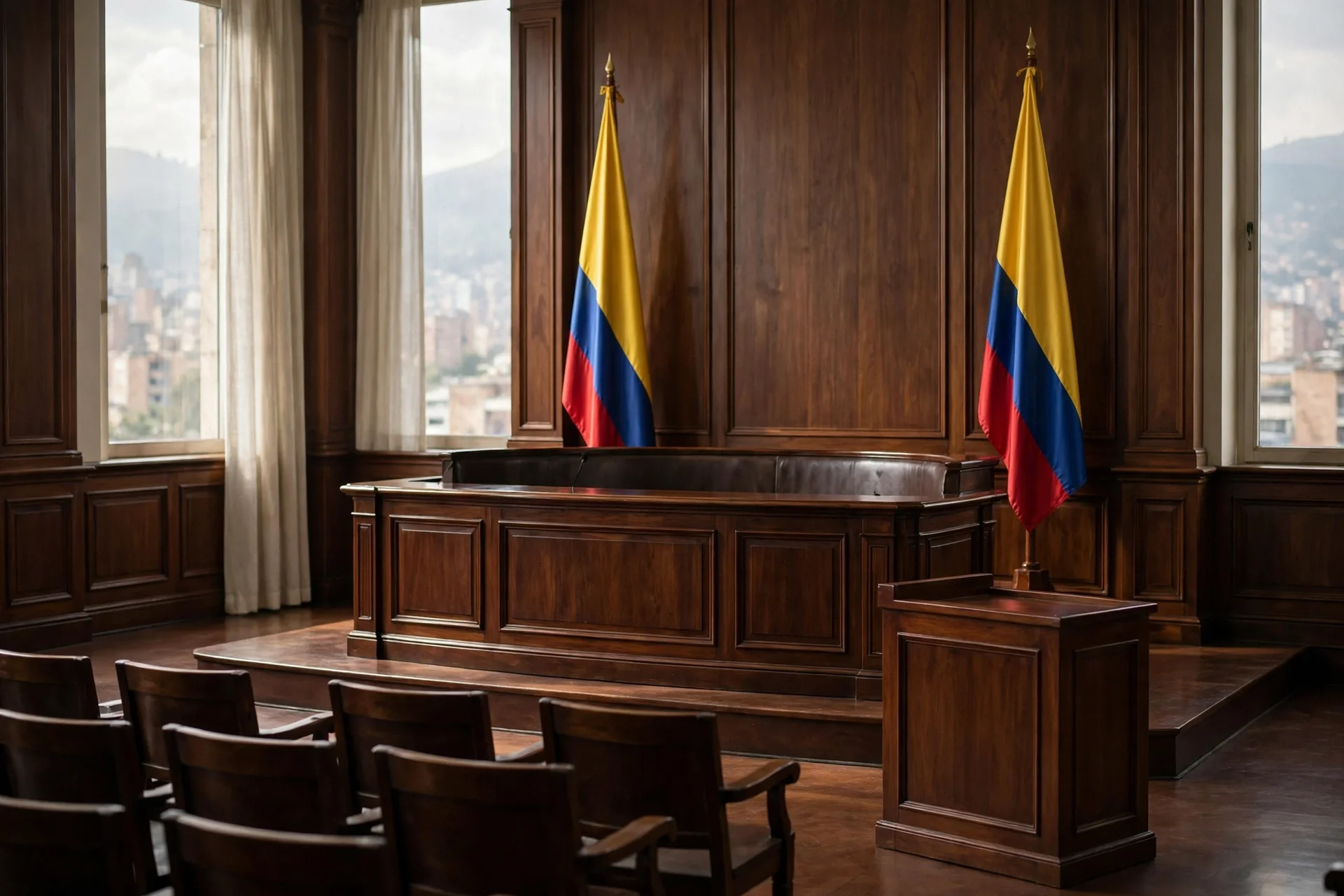
Posada refuses to retract disclosure of reserved JEP hearings
Senator María Clara Posada said she will not retract after Ombudswoman Iris Marín sent a rectification request over the disclosure of reserved JEP hearings…
Posada defends oversight of the JEP after rectification request
María Clara Posada replied by letter to Iris Marín, refused to retract the Timochenko hearing videos and questioned undelivered Farc assets and resources…
--- The context ---
Senator María Clara Posada, of the Democratic Center, disclosed reserved hearings of the Special Jurisdiction for Peace, known as the JEP. Those records show the attitude of some magistrates at certain moments and the treatment of former Farc commanders, a sensitive matter for victims and for public trust.
--- The facts ---
Posada shared that Ombudswoman Iris Marín sent her a rectification request for disclosing those hearings. Marín was part of the JEP and served as an auxiliary magistrate. The senator stated that she will not retract and will not stop her denunciations about alleged irregularities in the JEP, over the videos of the reserved hearings of Timochenko.
In a letter to Marín, Posada placed on record what she considers an organized attack between the JEP and the Ombudsman Office. According to her account, that situation affects her security and exposes her to a situation of greater risk.
--- The positions ---
Posada defends political oversight and the constitutional protection of dissent. She stressed that, as a congresswoman, she represents citizens interests and does not have to ask permission to decide what to investigate, what expenses to question or what opinions to express about an entity financed with public resources. She also questioned the speed with which Marín defended the JEP.
--- What remains unknown ---
No additional response from Marín to the full letter is recorded, nor a precise explanation of the exact scope of the request. It is also not detailed what measures will be assessed in light of the reported risk, or what will follow about the military personnel who have not accepted responsibility before the special tribunal.
--- Unanswered questions ---
What is the precise scope of the rectification request sent to the senator? Will the Ombudswoman answer the questions about the assets and resources mentioned? Will any measure be adopted in response to the security risk Posada says she faces? How will political oversight and the confidentiality of the hearings be guaranteed together?
--- EPM analysis ---
The clash creates tension between the confidentiality of certain judicial proceedings and the citizens right to oversee an entity financed with public resources. The discussion also involves reparation for victims, transparency in the use of resources and the credibility of institutions that protect rights while judging grave facts of the conflict.
📌 EPM Take: In EPM's view, this dispute should be settled with verifiable facts and not with cross pressure between institutions called upon to set an example of independence. The senator has the right to exercise political oversight and sustain her critical judgment, and the Ombudsman Office must explain clearly the basis of its request. Defending or correcting information requires precision and respect for victims, without turning judicial confidentiality into a shield against legitimate citizen oversight.
--- The context ---
The disclosure of reserved hearings of the Special Jurisdiction for Peace, known as the JEP, opened a front between Senator María Clara Posada, of the Democratic Center, and Ombudswoman Iris Marín. According to the senator, they show the treatment of former Farc commanders, in contrast with that given to a victim.
--- The facts ---
Posada reported that Marín, who was part of the JEP as an auxiliary magistrate, sent her a rectification request for publishing the videos of the reserved hearings of Timochenko. The senator replied that she will not retract and will not stop her denunciations about alleged irregularities in the JEP, and placed on record an organized attack between the JEP and the Ombudsman Office.
For Posada, that attack affects her security and exposes her to greater risk. She reproached Marín for coming out swiftly to defend the JEP, without the same speed regarding the military personnel who have not accepted responsibility for the facts investigated by the tribunal.
--- The positions ---
The senator pointed out that the Farc failed to deliver 81.8% of the real estate and 96.5% of the movable goods committed to repair victims. She questioned the absence of a statement on the outsourcing with the PNUD to execute 201,467 million pesos with total opacity, and ratified her assessment of the treatment toward a person who was part of the leadership of an organization responsible for kidnappings and atrocious crimes.
--- What remains unknown ---
It remains to be seen whether there will be a statement on the assets not delivered, the execution of the 201,467 million pesos and the military personnel mentioned. A complete assessment is also not yet known on the reported risk or the limits between confidentiality and parliamentary oversight.
--- Unanswered questions ---
Will the Ombudsman Office address the 81.8% of real estate and the 96.5% of movable goods not delivered? Will there be verifiable explanations about the resources executed with the PNUD? What guarantees will the senator have to exercise political oversight without additional risks? Will transparency prevail or confidentiality?
--- EPM analysis ---
At the heart of the debate is accountability. A justice system financed with public resources cannot remain outside congressional scrutiny, and reparation for victims cannot be measured only in statements. Faced with the reported contrast, the institutional response should provide data and decisions, not simply request a retraction.
📌 EPM Take: In EPM's view, the senator is right to refuse to abandon critical judgment and to recall that no subsequent judicial decision erases the history of kidnappings and atrocious crimes attributed to the former armed leadership. Political oversight exists to question expenses and facts of public entities, and the Constitution protects dissent. The response now required is to account with figures and documents on assets and resources, so citizens can judge with evidence.
Posada rechaza retractarse por revelar audiencias reservadas de la JEP
La senadora María Clara Posada afirmó que no se retractará tras recibir una solicitud de rectificación de la defensora del Pueblo, Iris Marín, por revelar…
Posada defiende su control político frente a la JEP y la Defensoría
María Clara Posada respondió por carta a Iris Marín, rechazó retractarse por los videos de audiencias de Timochenko y cuestionó bienes no entregados por las…
--- El contexto ---
La senadora María Clara Posada, del Centro Democrático, reveló audiencias reservadas de la Jurisdicción Especial de Paz, conocidas como JEP. En esos registros se observa la actitud de algunos magistrados en determinados momentos y el trato hacia excomandantes de las Farc.
--- Los hechos ---
Posada compartió que la defensora del Pueblo, Iris Marín, le envió una solicitud de rectificación por revelar esas audiencias. Marín hizo parte de la JEP y fue magistrada auxiliar. La senadora afirmó que no se retractará ni detendrá sus denuncias sobre presuntas irregularidades en la JEP, por los videos de las audiencias reservadas de Timochenko.
En una carta a Marín, Posada dejó constancia de lo que considera un ataque organizado entre la JEP y la Defensoría del Pueblo. Según su planteamiento, esa situación afecta su seguridad y la expone a una situación de riesgo mayor.
--- Las posiciones ---
Posada defiende el control político y la protección constitucional del disenso. Recalcó que, como congresista, representa los intereses de los ciudadanos y no tiene que pedir permiso para decidir qué investigar, qué gastos cuestionar ni qué opiniones expresar sobre una entidad financiada con recursos públicos. También cuestionó la rapidez con que Marín defendió a la JEP.
--- Lo que falta saber ---
No consta una respuesta adicional de Marín al contenido completo de la carta ni una precisión sobre el alcance exacto de la solicitud. Tampoco se detalla qué medidas se evaluarán ante el riesgo denunciado, ni qué seguirá sobre los militares que no han aceptado su responsabilidad ante el tribunal especial.
--- Preguntas sin respuesta ---
¿Qué alcance preciso tiene la solicitud de rectificación enviada a la senadora? ¿Responderá la defensora a los cuestionamientos sobre bienes y recursos mencionados? ¿Se adoptará alguna medida frente al riesgo de seguridad que Posada dice enfrentar? ¿Cómo se garantizarán a la vez el control político y la reserva de las audiencias?
--- Análisis EPM ---
El choque pone en tensión la reserva de ciertas actuaciones judiciales y el derecho ciudadano a vigilar una entidad financiada con recursos públicos. La discusión involucra la reparación a las víctimas, la transparencia en el uso de recursos y la credibilidad de las instituciones que protegen derechos mientras se juzgan hechos graves.
📌 Conclusion EPM: A juicio de EPM, este cruce debe resolverse con hechos verificables y no con presiones cruzadas entre instituciones llamadas a dar ejemplo de independencia. La senadora tiene derecho a ejercer control político y a sostener su juicio crítico, y la Defensoría debe explicar con claridad el fundamento de su solicitud. Defender o corregir una información exige precisión y respeto por las víctimas, sin convertir la reserva judicial en escudo frente a la vigilancia ciudadana legítima.
--- El contexto ---
La divulgación de audiencias reservadas de la Jurisdicción Especial de Paz, conocidas como JEP, abrió un frente entre la senadora María Clara Posada, del Centro Democrático, y la defensora del Pueblo, Iris Marín. Según la senadora, allí se observa el trato hacia excomandantes de las Farc, en contraste con el dispensado a una víctima.
--- Los hechos ---
Posada informó que Marín, quien hizo parte de la JEP como magistrada auxiliar, le envió una solicitud de rectificación por publicar los videos de las audiencias reservadas de Timochenko. La senadora respondió que no se retractará ni detendrá sus denuncias sobre presuntas irregularidades en la JEP y dejó constancia de un ataque organizado entre la JEP y la Defensoría.
Para Posada, ese ataque afecta su seguridad y la expone a un riesgo mayor. Reprochó que Marín haya salido con celeridad a defender a la JEP, sin la misma rapidez sobre los militares que no han aceptado su responsabilidad ante el tribunal especial.
--- Las posiciones ---
La senadora señaló que las Farc dejaron de entregar el 81,8 % de los inmuebles y el 96,5 % de los muebles comprometidos para reparar a las víctimas. Cuestionó además la falta de pronunciamiento sobre la tercerización con el PNUD para ejecutar 201.467 millones de pesos con total opacidad. Ratificó su apreciación sobre las imágenes y el trato hacia quien integró la dirección de una organización responsable de secuestros y crímenes atroces.
--- Lo que falta saber ---
Queda por ver si habrá pronunciamiento sobre los bienes no entregados, la ejecución de los 201.467 millones de pesos y los militares mencionados. Tampoco se conoce una valoración completa sobre el riesgo denunciado ni los límites entre reserva y fiscalización parlamentaria.
--- Preguntas sin respuesta ---
¿Se pronunciará la Defensoría sobre el 81,8 % de los inmuebles y el 96,5 % de los muebles no entregados? ¿Habrá explicaciones verificables sobre los recursos ejecutados con el PNUD? ¿Qué garantías tendrá la senadora para ejercer control político sin riesgos adicionales? ¿Prevalecerá la transparencia o la reserva?
--- Análisis EPM ---
El fondo es la rendición de cuentas. Una justicia financiada con recursos públicos no puede quedar fuera del escrutinio del Congreso y la reparación a las víctimas no se mide solo en declaraciones. Ante el contraste denunciado, la respuesta institucional debería aportar datos y decisiones, no limitarse a pedir una retractación.
📌 Conclusion EPM: A juicio de EPM, la senadora acierta al negarse a abandonar el juicio crítico y al recordar que ninguna decisión judicial posterior borra la historia de secuestros y crímenes atroces atribuida a la antigua dirección armada. El control político existe para cuestionar gastos y hechos de entidades públicas, y la Constitución protege el disenso. Ahora corresponde rendir cuentas con cifras y documentos sobre bienes y recursos, para que la ciudadanía juzgue con evidencia completa.