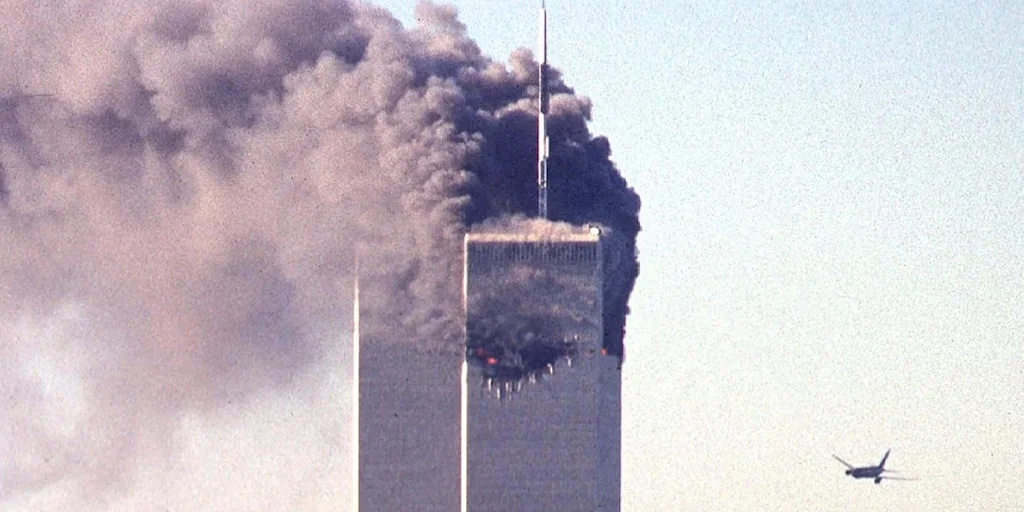
New York releases 40,000 unseen 9/11 documents and revives the air question
New York released 40,000 documents on the response after September 11, 2001, raising the public archive to more than 200,000 pages and including records of…
9/11 documents show asbestos traces while officials called the air safe
New York published the second batch of documents after September 11, 2001 under a court agreement: 40,000 records that include asbestos detections nearly ten…
--- The context ---
The city of New York released 40,000 new documents on the response after the attacks of September 11, 2001, with records that revive doubts about the official information spread about air quality in the Ground Zero area.
The release raises the public archive on the health and administrative consequences of the attacks to more than 200,000 pages, material that survivors, relatives and workers claimed for years.
--- The facts ---
The release was announced on October 21 by the administration of Mayor Zohran Mamdani and is the second batch disclosed after a court agreement with 9/11 Health Watch, an organization that represents survivors, relatives and workers affected by illnesses linked to exposure after the collapse of the Twin Towers.
Part of the documents states that health officials continued detecting asbestos nearly ten months after the attacks, in contrast with the official messages of that period, which held that the air around the World Trade Center was safe.
The set includes municipal response files, internal communications, the so-called Harding memorandum and the materials known as the 68 boxes. The fiscal year 2027 budget includes 34 million dollars to create and maintain the access portal.
--- The positions ---
Mamdani said in a statement from his administration that their commitment to honoring the victims of the September 11 terrorist attacks and to offering transparency and accountability to survivors cannot begin or end on the anniversary. The mayor's office specified that the materials were out of public reach for 25 years.
Benjamin Chevat, executive director of 9/11 Health Watch, held that the initial review of the files already exposed problems in the institutional response and said that even when the scale of the dangers was known, the city, the state and the federal government did not change course.
--- What remains unknown ---
In September the city had already released some 170,000 pages on the first public portal, and the authorities anticipated new releases in the coming months. The organization said its lawyers are already analyzing the new material and will communicate their findings when that review concludes.
--- Unanswered questions ---
What information exactly did the authorities hold about the risks in the air, and at what moment did they learn it? How did they act on that information while the air was being described as safe? What findings will 9/11 Health Watch communicate once its lawyers conclude the review of the new material?
--- EPM analysis ---
The release seeks to provide information about what the local government knew about the environmental and health risks after September 11. For first responders, residents, relatives and people who developed related illnesses, those records are relevant to the consequences they attribute to exposure to dust and other contaminants after the collapse of the towers.
📌 EPM Take: In EPM's view, releasing these 40,000 documents is an act of overdue justice toward those who breathed that air and still carry its consequences. For 25 years the records stayed out of public reach, while the official version held that the air was safe. Opening the archive does not repair the damage, but it allows an examination of what was known, when it was known and how officials acted. The transparency the mayor's office celebrates will only be complete if the coming releases arrive and the review by those affected produces verifiable answers.
--- The context ---
The city of New York released 40,000 new documents on the response after the attacks of September 11, 2001. The release raises the public archive on the health and administrative consequences of the attacks to more than 200,000 pages.
The point this release examines again is air quality in the Ground Zero area: the records revive doubts about the official information spread about the risks faced by those who lived, worked or took part in cleanup tasks in lower Manhattan.
--- The facts ---
Part of the documents states that health officials continued detecting asbestos nearly ten months after the attacks. Those records contrast with messages from authorities who, during that period, held that the air around the World Trade Center was safe.
The release was announced on October 21 by the administration of Mayor Zohran Mamdani and is the second batch disclosed after a court agreement that ended a dispute of several years with 9/11 Health Watch, centered on air quality, health risks and the official decisions after the attack.
The set includes municipal response files, internal communications, background on environmental conditions, the so-called Harding memorandum and the materials known as the 68 boxes, documentary groups mentioned for years by those who demanded the opening of the records.
--- The positions ---
The mayor's office stated that the materials were out of public reach for 25 years, that the archive contains more than 200,000 pages and that the fiscal year 2027 budget includes 34 million dollars to create and maintain the portal. Mamdani said that he was proud to release these next 40,000 documents and that he looked forward to the work ahead.
Benjamin Chevat, executive director of 9/11 Health Watch, held that the initial review already exposed problems in the institutional response and that the documents can help determine what information the authorities held, at what moment they learned it and how they acted on it.
--- What remains unknown ---
In September the municipal administration launched the first public portal and released around 170,000 pages. The authorities anticipated new releases in the coming months, while the organization said its lawyers are already analyzing the new material and will communicate their findings when the review concludes.
--- Unanswered questions ---
What did the authorities know about the risks in the air, and since when did they know it with documentary precision? Who answers for the messages that held the air was safe while asbestos was being detected? Which official decisions will the complete analysis of this second batch allow to reconstruct?
--- EPM analysis ---
The measure was presented as part of a policy of access to documents claimed for decades by those affected. The requests were driven by first responders, residents, relatives and people who developed illnesses related to September 11, for whom the information is relevant to the consequences they attribute to exposure to dust and other contaminants.
📌 EPM Take: In EPM's view, a government that assured the public the air was safe has the duty to open every last paper and answer publicly for each claim it made. The records of asbestos detected nearly ten months later oblige a reconstruction of who knew what, when they knew it and why the message did not change. Honoring the victims and the first responders demands that complete accountability, without delays, without excuses and with the archive's coming releases on the schedule announced by the mayor's office itself.
Nueva York abre 40.000 documentos del 11-S y reaviva la deuda con los afectados
Nueva York habilitó 40.000 documentos sobre la respuesta posterior al 11 de septiembre de 2001, que elevan el archivo público a más de 200.000 páginas e…
Documentos del 11-S muestran amianto cuando se decía que el aire era seguro
Nueva York publicó el segundo lote de documentos posteriores al 11 de septiembre de 2001 tras un acuerdo judicial: 40.000 registros que incluyen detecciones de…
--- El contexto ---
La ciudad de Nueva York habilitó 40.000 nuevos documentos sobre la respuesta posterior a los atentados del 11 de septiembre de 2001, con registros que reavivan las dudas sobre la información oficial acerca de la calidad del aire en la zona de Ground Zero.
La publicación eleva a más de 200.000 páginas el archivo público sobre las consecuencias sanitarias y administrativas de los ataques, material reclamado durante años por los afectados.
--- Los hechos ---
La entrega fue anunciada el 21 de octubre por la administración del alcalde Zohran Mamdani y corresponde al segundo lote divulgado tras un acuerdo judicial con 9/11 Health Watch, organización que representa a sobrevivientes, familiares y trabajadores por enfermedades vinculadas a la exposición posterior al derrumbe de las Torres Gemelas.
Parte de los documentos señala que funcionarios sanitarios continuaban detectando amianto cerca de diez meses después de los ataques, en contraste con los mensajes oficiales de ese período, que sostenían que el aire en los alrededores del World Trade Center era seguro.
El conjunto incluye archivos de la respuesta municipal, comunicaciones internas, el llamado memorando Harding y los materiales conocidos como las «68 cajas». El presupuesto del año fiscal 2027 contempla 34 millones de dólares para crear y mantener el portal.
--- Las posiciones ---
Mamdani afirmó en un comunicado: «Nuestro compromiso de honrar a las víctimas de los ataques terroristas del 11 de septiembre y de ofrecer transparencia y rendición de cuentas a los sobrevivientes no puede comenzar ni terminar en el aniversario». La alcaldía precisó que los materiales estuvieron fuera del alcance público durante 25 años.
Benjamin Chevat, director ejecutivo de 9/11 Health Watch, sostuvo que la revisión inicial de los archivos expuso problemas en la respuesta institucional y aseguró: «Incluso cuando se conocía la dimensión de los peligros, la ciudad, el estado y el gobierno federal no cambiaron de rumbo».
--- Lo que falta saber ---
En septiembre la ciudad ya había difundido unas 170.000 páginas en el primer portal público, y las autoridades anticiparon nuevas entregas en los próximos meses. La organización señaló que sus abogados ya analizan el nuevo material y que comunicarán sus hallazgos cuando concluya la revisión.
--- Preguntas sin respuesta ---
¿Qué información manejaban las autoridades sobre los riesgos del aire y en qué momento la conocieron? ¿Cómo actuaron frente a esa información mientras se afirmaba que el aire era seguro? ¿Qué hallazgos comunicará 9/11 Health Watch cuando sus abogados concluyan la revisión del material?
--- Análisis EPM ---
La apertura busca aportar información sobre lo que sabía el gobierno local acerca de los riesgos ambientales y de salud posteriores al atentado. Para primeros respondedores, residentes, familiares y personas que desarrollaron enfermedades relacionadas, esos registros resultan relevantes ante las consecuencias que atribuyen a la exposición al polvo y a contaminantes tras el colapso de las torres.
📌 Conclusion EPM: A juicio de EPM, la publicación de estos 40.000 documentos es un acto de justicia tardía con quienes respiraron aquel aire y todavía cargan sus consecuencias. Durante 25 años los registros estuvieron fuera del alcance público, mientras la versión oficial sostenía que el aire era seguro. Abrir el archivo no repara el daño, pero permite examinar qué se sabía, cuándo se supo y cómo se actuó. La transparencia que celebra la alcaldía solo será completa si las próximas entregas llegan y si la revisión de los afectados produce respuestas verificables.
--- El contexto ---
La ciudad de Nueva York habilitó 40.000 documentos sobre la respuesta posterior a los atentados del 11 de septiembre de 2001. La publicación eleva a más de 200.000 páginas el archivo público sobre las consecuencias sanitarias y administrativas de los ataques.
El punto que vuelve a examinar la entrega es la calidad del aire en la zona de Ground Zero: los registros reavivan las dudas sobre la información oficial difundida en aquel período sobre los riesgos en el bajo Manhattan.
--- Los hechos ---
Parte de los documentos señala que funcionarios sanitarios continuaban detectando amianto cerca de diez meses después de los ataques. Esos registros contrastan con los mensajes de autoridades que, durante ese período, sostuvieron que el aire en los alrededores del World Trade Center era seguro.
La entrega fue anunciada el 21 de octubre por la administración del alcalde Zohran Mamdani y corresponde al segundo lote divulgado tras un acuerdo judicial que puso fin a una disputa de varios años con 9/11 Health Watch, centrada en la calidad del aire, los riesgos sanitarios y las decisiones oficiales tras el atentado.
El conjunto incluye archivos de la respuesta municipal, comunicaciones internas, antecedentes sobre condiciones ambientales, el llamado memorando Harding y los materiales conocidos como las «68 cajas», grupos documentales mencionados durante años por quienes reclamaban la apertura.
--- Las posiciones ---
La alcaldía indicó que los materiales estuvieron fuera del alcance público durante 25 años, que el presupuesto del año fiscal 2027 contempla 34 millones de dólares para crear y mantener el portal. Mamdani afirmó: «Me enorgullece publicar estos próximos 40.000 documentos y espero con interés el trabajo que queda por delante».
Benjamin Chevat, director ejecutivo de 9/11 Health Watch, sostuvo que la revisión inicial ya expuso problemas en la respuesta institucional y que los documentos pueden ayudar a determinar qué información manejaban las autoridades, en qué momento la conocieron y cómo actuaron.
--- Lo que falta saber ---
En septiembre la administración municipal lanzó el primer portal público y difundió alrededor de 170.000 páginas. Las autoridades anticiparon nuevas entregas en los próximos meses, mientras la organización señaló que sus abogados ya analizan el nuevo material y comunicarán sus hallazgos cuando concluya la revisión.
--- Preguntas sin respuesta ---
¿Qué sabían las autoridades sobre los riesgos del aire y desde cuándo lo sabían con precisión documental? ¿Quién responde por los mensajes que sostenían que el aire era seguro mientras se detectaba amianto? ¿Qué decisiones oficiales permitirá reconstruir el análisis completo de este segundo lote?
--- Análisis EPM ---
La medida fue presentada como política de acceso a documentos reclamados durante décadas por los afectados. Los pedidos fueron impulsados por primeros respondedores, residentes, familiares y personas que desarrollaron enfermedades relacionadas con el 11 de septiembre, para quienes la información resulta relevante ante las consecuencias que atribuyen a la exposición al polvo y a otros contaminantes.
📌 Conclusion EPM: A juicio de EPM, un gobierno que aseguró que el aire era seguro tiene el deber de abrir hasta el último papel y responder por cada afirmación que hizo. Los registros de amianto detectado cerca de diez meses después obligan a reconstruir quién sabía qué, cuándo lo supo y por qué no cambió el mensaje. Honrar a las víctimas y a los primeros respondedores exige esa rendición de cuentas completa, sin demoras y con las próximas entregas del archivo en los plazos anunciados por la propia alcaldía.