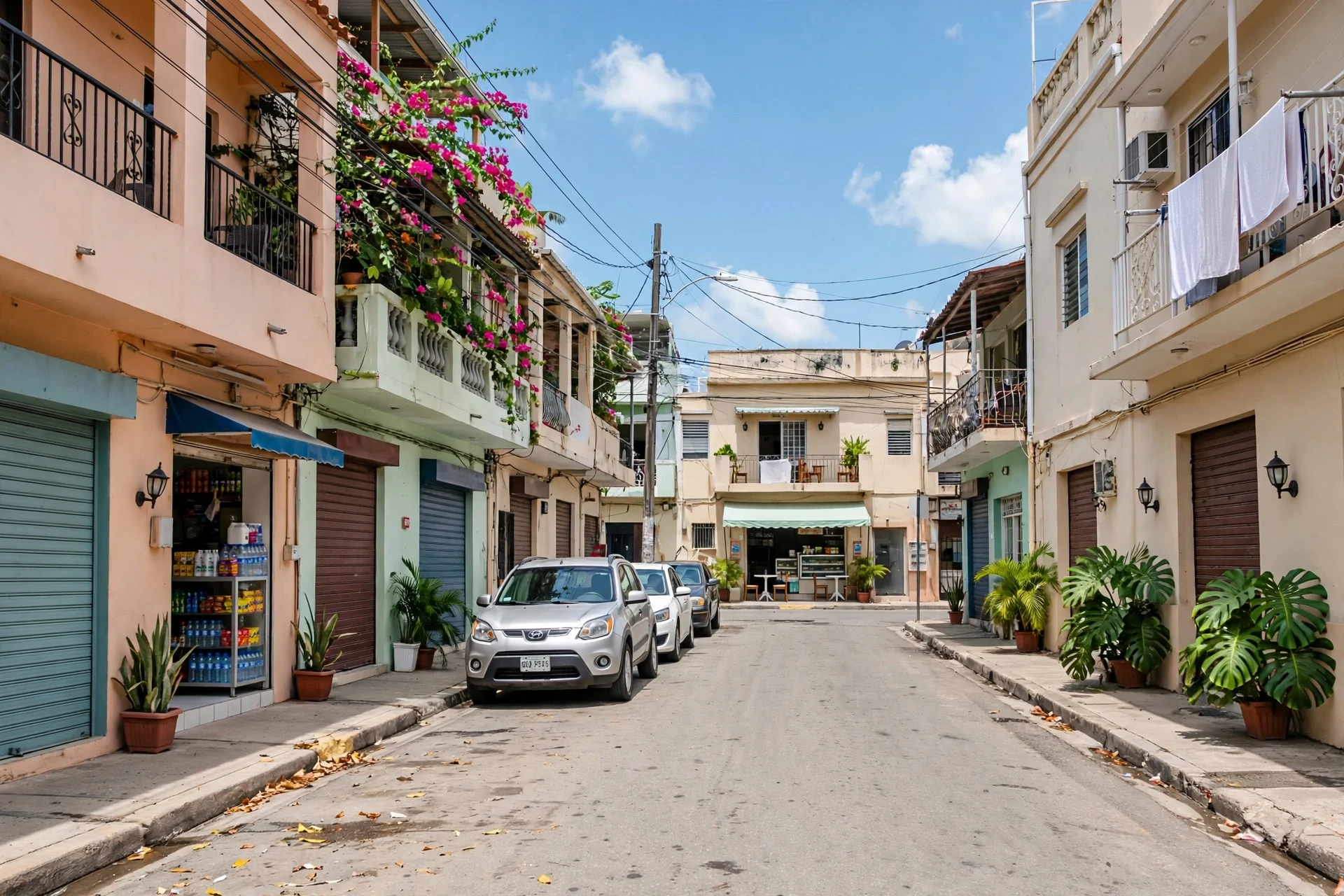
Atelier de Nico: protecting an inclusive space after assault
Ramón Tolentino disclosed that the assault on Sunday, October 25, at Atelier de Nico, in Naco, targeted a regular customer followed beforehand and not the cash…
Naco: network accused of selective robberies, four arrested
According to Ramón Tolentino, the National Police and the Department of Criminal Investigations arrested four Colombian citizens linked to months of robberies…
--- The context ---
Atelier de Nico operates on Roberto Pastoriza street, in Naco, Santo Domingo, and according to Ramón Tolentino it is not an ordinary cafeteria. Tolentino described it as a social inclusion space that employs people with disabilities, founded by Tomás Sartori to open opportunities for young people with special conditions, including his son Nico.
Because of that character, the assault on Sunday, October 25, at 3:00 in the afternoon struck a place designed to care. Tolentino placed the venue first, along with its staff and the regular customer who, according to his account, had been followed beforehand.
--- The facts ---
Tolentino said that at the time only the owner and one employee were in the venue, and he valued that the situation did not escalate. The target, he insisted, was not the cash register, but the belongings of a regular customer they had been following.
According to that account, two participants followed the customer in a vehicle while two others moved on a motorcycle. Tolentino added that they handled intelligence information according to which the victim had been pointed out from Colombia to be intercepted at that hour.
--- The positions ---
Tolentino acted as the discloser and recognized the rapid intervention of the National Police, the Department of Criminal Investigations and the local prosecutor's office. His account showed how an inclusion space was left exposed to an action directed against a specific person.
Hansel García, in the background, asked that the full weight of the law be applied without leniency for being foreigners. Read through due process, that demand requires full identification, clear charges and verified evidence, because García also maintained that they acted in studied niches and should face the same consequences as any accused person.
--- What remains unknown ---
The available account includes no independent official confirmation of the following, nor does it report which belongings were sought or the procedural status of those arrested. It also does not explain what support the targeted customer received, whether staff received follow-up or what measures will let the inclusive enterprise keep operating calmly.
--- Unanswered questions ---
How will inclusive workplaces be protected from now on so that workers with disabilities are not exposed to risks unrelated to the business? What concrete support did the followed victim receive and what due process guarantees will the four arrested men have during the investigation? Will the authorities publish a report confirming the prior following and clarifying the procedural status of each detainee?
--- EPM analysis ---
Viewed through inclusion, the harm is not measured only in objects. A venue that employs people with disabilities needs family trust and daily customers to sustain itself, and a violent act against a regular visitor breaks that trust even when the target was not the business.
That is why the response cannot be limited to the arrests Tolentino mentioned, among them that of Diego Alexander Liberato. It also matters that the investigation distinguish individual responsibilities, avoid generalizations by nationality and preserve the inclusive employment of Sartori's project.
📌 EPM Take:
In EPM's view, the safety of inclusion spaces and due process are inseparable and must be protected at the same time, without shortcuts or collective stigma. If the Naco cafeteria employs people with disabilities, its labor continuity deserves active protection, just as the followed victim deserves support and official clarity. And if there are responsible parties, they must answer with evidence, precise charges and full guarantees, because caring for the most vulnerable without renouncing legality is the only solid way to restore calm to the neighborhood.
--- The context ---
The police operation stands at the center of Ramón Tolentino's account of what happened on Sunday, October 25, at 3:00 in the afternoon. Tolentino stated that the National Police and the Department of Criminal Investigations arrested four Colombian citizens identified as the group behind the assault.
Behind the incident, Tolentino described a structure that had allegedly operated for months in upper and upper-middle class sectors of the National District. The Atelier de Nico cafeteria, on Roberto Pastoriza street in Naco, would have been only the final scene of selective robberies already reported elsewhere.
--- The facts ---
Among those arrested, Tolentino identified Diego Alexander Liberato. In his account, two members in a vehicle followed the regular customer and two rode a motorcycle, aiming to strip that person of his belongings, not to rob the cash register.
The areas linked to the alleged operation were Piantini, Naco, Arroyo Hondo and Rómulo Betancourt avenue. According to Tolentino, complaints accumulate there over thefts of luxury watches, iPhone phones, gold chains and bank cards, in previously studied niches.
Tolentino added that they handled intelligence information according to which the victim had been pointed out from Colombia to be intercepted at that hour. The venue, founded by Tomás Sartori as an inclusion space, had only the owner and one employee present.
--- The positions ---
In the foreground stands Hansel García, who demanded the full weight of the law without leniency for being foreigners. García rejected any preferential treatment, maintained that they must face the same consequences and asked that, after being tried and imprisoned, they be deported to their country.
Tolentino valued the rapid intervention of the police and the local prosecutor's office and stressed that the incident did not escalate. His assessment supports the immediate response, but leaves open the question of prior prevention.
--- What remains unknown ---
The account does not state how many earlier complaints ended in charges, convictions or releases, nor what controls were applied for repeated robberies. It is also unknown whether prior surveillance existed or what failed to allow the structure to keep operating for months, according to Tolentino.
--- Unanswered questions ---
What migration and police controls will make it possible to prevent foreign criminals with records of selective robberies from operating again in the National District? Does the judicial system have capacity to process firmly a structure accused of acting for months across four areas? What measures will prevent recidivism if the accused regain freedom before a final judgment?
--- EPM analysis ---
From a public order perspective, the problem is not an isolated theft, but persistence. A network that studies customers and moves between Piantini, Naco, Arroyo Hondo and Rómulo Betancourt avenue challenges the deterrent capacity of isolated arrests without complete judicial follow-up.
The institutional signal is decided after the capture: an investigation that connects the complaints, a prosecution with evidence and subsequent control. Without that continuity, each operation may be only a brief pause before another group occupies the same niche.
📌 EPM Take:
In EPM's view, without judicial firmness or effective control, the networks dedicated to selective robberies will return to occupy the streets that today worry Naco and neighboring sectors. The demand attributed to Hansel García to apply the full weight of the law and deport after conviction will only have value if the process is complete, proven and without privileges. Arresting is the first step; sustaining the prosecution, connecting the earlier complaints and closing the door to recidivism is what turns a capture into real authority.
Atelier de Nico: proteger un espacio inclusivo tras el asalto
Ramón Tolentino reveló que el asalto del domingo 25 de octubre en Atelier de Nico, en Naco, tuvo como blanco a un cliente habitual seguido previamente y no la…
Naco: red señalada por robos selectivos y cuatro apresados
Según Ramón Tolentino, la Policía Nacional y el Departamento de Investigaciones Criminales apresaron a cuatro ciudadanos colombianos vinculados a meses de…
--- El contexto ---
Atelier de Nico funciona en la calle Roberto Pastoriza, en Naco, Santo Domingo, y según Ramón Tolentino no es una cafetería común. Tolentino lo describió como un espacio de inclusión social que da empleo a personas con discapacidad, fundado por Tomás Sartori para abrir oportunidades a jóvenes con condiciones especiales, entre ellos su hijo Nico.
Por ese carácter, el asalto del domingo 25 de octubre a las 3:00 de la tarde golpeó un lugar pensado para cuidar. Tolentino puso en primer plano al local, a su personal y al cliente habitual que, según su versión, era seguido desde antes.
--- Los hechos ---
Tolentino contó que en el momento del hecho solo estaban el propietario y una empleada, y valoró que la situación no escalara. El blanco, insistió, no era la caja, sino las pertenencias de un cliente habitual al que venían siguiendo.
Según esa versión, dos implicados seguían al cliente en un vehículo y otros dos se desplazaban en un motor. Tolentino añadió que manejaban información de inteligencia según la cual la víctima había sido señalada desde Colombia para ser interceptada a esa hora.
--- Las posiciones ---
Tolentino actuó como revelador y reconoció la rápida intervención de la Policía Nacional, del Departamento de Investigaciones Criminales y de la fiscalía local. Su relato mostró cómo un espacio de inclusión quedó expuesto a una acción dirigida contra una persona concreta.
Hansel García, en segundo plano, pidió todo el peso de la ley sin contemplación por tratarse de extranjeros. Desde el debido proceso, esa petición exige identificación plena, cargos claros y pruebas verificadas, porque García también sostuvo que actuaban en nichos estudiados y debían enfrentar las mismas consecuencias que cualquier imputado.
--- Lo que falta saber ---
La versión disponible no incluye confirmación oficial independiente del seguimiento, ni informa qué pertenencias se buscaban ni el estado procesal de los apresados. Tampoco explica qué apoyo recibió el cliente señalado, si el personal recibió acompañamiento o qué medidas permitirán al emprendimiento inclusivo seguir operando con tranquilidad.
--- Preguntas sin respuesta ---
¿Cómo se protegerán de ahora en adelante los espacios laborales de inclusión para que trabajadores con discapacidad no queden expuestos a riesgos ajenos al negocio? ¿Qué apoyo concreto recibió la víctima seguida y qué garantías de debido proceso tendrán los cuatro apresados durante la investigación? ¿Publicarán las autoridades un informe que confirme el seguimiento previo y aclare el estado procesal de cada detenido?
--- Análisis EPM ---
Mirado desde la inclusión, el daño no se mide solo en objetos. Un local que emplea a personas con discapacidad necesita confianza de las familias y clientes cotidianos para sostenerse, y un hecho violento contra un visitante habitual rompe esa confianza aunque el objetivo no haya sido el comercio.
Por eso la respuesta no puede limitarse a los arrestos que Tolentino mencionó, entre ellos el de Diego Alexander Liberato. También importa que la investigación distinga responsabilidades individuales, evite generalizaciones por nacionalidad y preserve el empleo inclusivo del proyecto de Sartori.
📌 Conclusion EPM:
A juicio de EPM, la seguridad de los espacios de inclusión y el debido proceso son inseparables y deben protegerse al mismo tiempo, sin atajos ni estigmas colectivos. Si la cafetería de Naco emplea a personas con discapacidad, su continuidad laboral merece protección activa, igual que la víctima seguida merece respaldo y claridad oficial. Y si hay responsables, deben responder con pruebas, cargos precisos y garantías plenas, porque cuidar a los más vulnerables sin renunciar a la legalidad es la única forma sólida de devolver tranquilidad al barrio.
--- El contexto ---
La operación policial ocupa el centro de la versión de Ramón Tolentino sobre lo ocurrido el domingo 25 de octubre a las 3:00 de la tarde. Tolentino afirmó que la Policía Nacional y el Departamento de Investigaciones Criminales apresaron a cuatro ciudadanos colombianos señalados como la banda del asalto.
Detrás del hecho, Tolentino describió una estructura que llevaría meses operando en sectores de clase alta y media alta del Distrito Nacional. La cafetería Atelier de Nico, en la calle Roberto Pastoriza de Naco, habría sido solo la escena final de robos selectivos ya denunciados en otras zonas.
--- Los hechos ---
Entre los arrestados, Tolentino identificó a Diego Alexander Liberato. Según su relato, dos integrantes en un vehículo seguían al cliente habitual y dos iban en un motor, con el objetivo de despojar a esa persona de sus pertenencias, no de robar la caja.
Las zonas vinculadas a la supuesta operación fueron Piantini, Naco, Arroyo Hondo y la avenida Rómulo Betancourt. Según Tolentino, allí se acumulan denuncias por robos de relojes de lujo, teléfonos iPhone, cadenas de oro y tarjetas bancarias, en nichos previamente estudiados.
Tolentino agregó que manejaban información de inteligencia según la cual la víctima había sido señalada desde Colombia para ser interceptada a esa hora. El local, fundado por Tomás Sartori como espacio de inclusión, contaba solo con el propietario y una empleada.
--- Las posiciones ---
En primer plano queda Hansel García, quien exigió todo el peso de la ley sin contemplación por ser extranjeros. García rechazó cualquier trato preferencial, sostuvo que deben enfrentar las mismas consecuencias y pidió que, tras ser enjuiciados y encarcelados, sean deportados a su país.
Tolentino valoró la intervención rápida de la Policía y de la fiscalía local y subrayó que el hecho no pasó a mayores. Su valoración respalda la respuesta inmediata, pero deja abierta la pregunta sobre la prevención previa.
--- Lo que falta saber ---
No consta cuántas denuncias anteriores terminaron en imputaciones, condenas o liberaciones, ni qué controles se aplicaron por robos reiterados. Tampoco se conoce si existía vigilancia previa ni qué falló para que la estructura pudiera seguir operando durante meses, según Tolentino.
--- Preguntas sin respuesta ---
¿Qué controles migratorios impedirán que delincuentes extranjeros con antecedentes vuelvan a operar en el Distrito Nacional? ¿Tiene el sistema judicial capacidad para procesar con firmeza una estructura acusada de actuar durante meses en cuatro zonas? ¿Qué medidas evitarán la reincidencia si los imputados recuperan la libertad antes de sentencia firme?
--- Análisis EPM ---
Desde el orden público, el problema no es un hurto aislado, sino la permanencia. Una red que estudia clientes y se mueve entre Piantini, Naco, Arroyo Hondo y la Rómulo Betancourt desafía la capacidad disuasoria de arrestos aislados si no hay seguimiento judicial completo.
La señal institucional se juega después de la captura: investigación que conecte las denuncias, acusación con pruebas y control posterior. Sin esa continuidad, cada operativo puede ser solo una pausa antes de que otro grupo ocupe el mismo nicho.
📌 Conclusion EPM:
A juicio de EPM, sin firmeza judicial ni control efectivo, las redes dedicadas a robos selectivos volverán a ocupar las calles que hoy preocupan a Naco y a los sectores vecinos. La petición atribuida a Hansel García de aplicar todo el peso de la ley y deportar tras la condena solo tendrá valor si el proceso es completo, probado y sin privilegios. Arrestar es el primer paso; sostener la acusación, conectar las denuncias anteriores y cerrar la puerta a la reincidencia es lo que convierte una captura en autoridad real.