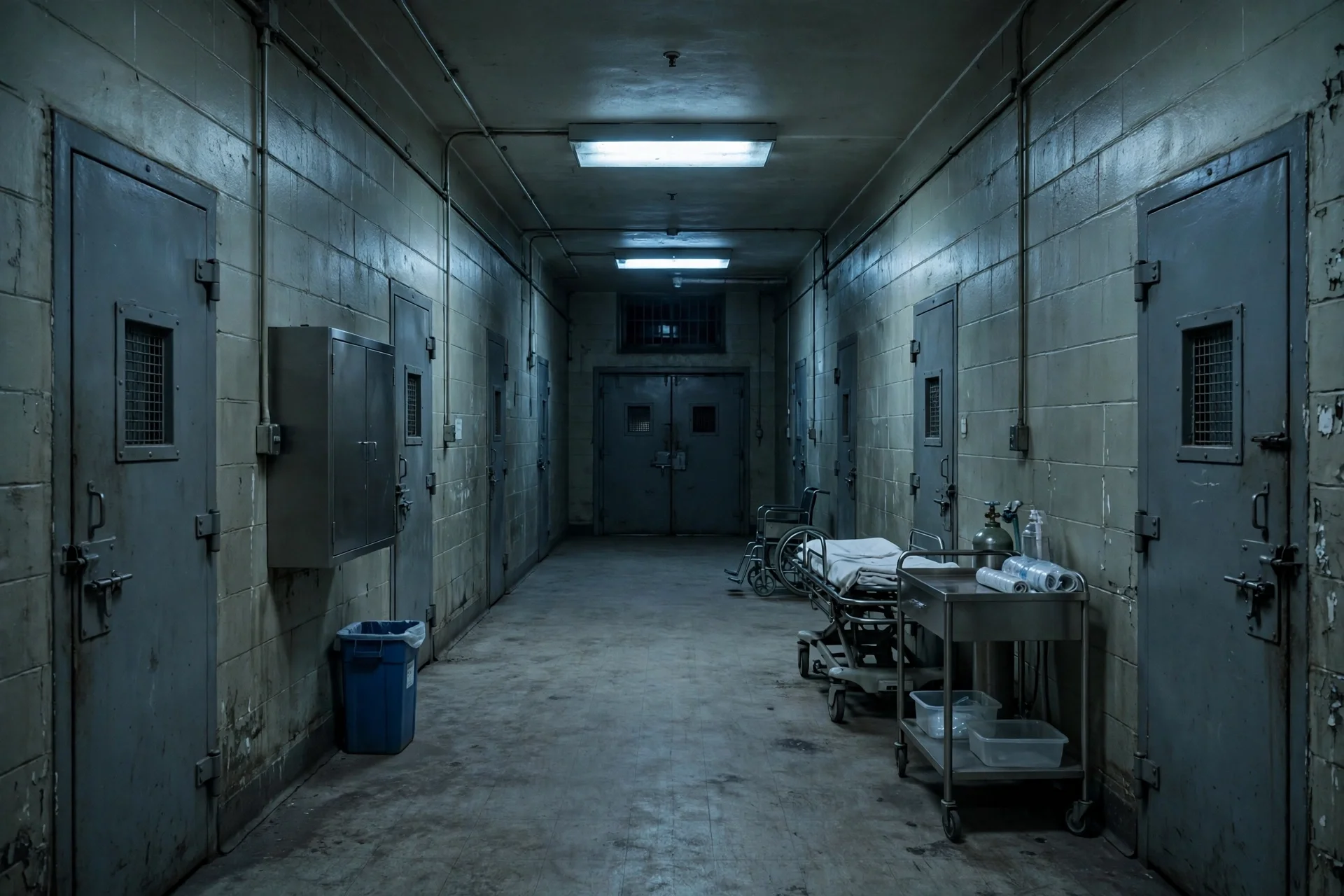
Pasillo penitenciario vacío con equipo médico, imagen alusiva al aislamiento descrito tras el procedimiento fallido en Tennessee. · Imagen generada para EPM
Christa Pike speaks after surviving Tennessee execution attempt
Christa Pike, 50, described persistent pain and isolation after surviving two doses of pentobarbital on September 30 in Tennessee.
Tennessee reviews failed execution as Pike sentence stands
Christa Pike survived the September 30 lethal injection and returned to prison after a 10-day hospitalization.
--- The context ---
Christa Pike, 50, remains in Tennessee after surviving the state attempt to execute her by lethal injection on September 30. She was convicted in the 1995 beating and stabbing death of her classmate Colleen Slemmer. In a written statement her attorneys say was dictated to them, her first public comment since that night, she described a slow recovery marked by pain and isolation.
--- The facts ---
She received two doses of pentobarbital and survived. She was placed on a ventilator and her attorneys did not expect her to live, but she woke up and later began talking and walking with assistance. This month she returned to prison after a 10-day hospitalization and continues receiving medical care. She said there has not been a moment without pain, describing pain in her body, arms, hands and throat, and a continuing struggle to speak.
She is the only person ever to survive being injected with lethal chemicals in an execution. She said she had been prepared to die, but woke up alone in a hospital, confused and in pain. She also said she has been largely isolated in the prison medical ward and spent 28 years in solitary confinement, a condition she feels repeating.
--- The positions ---
Her attorneys filed a complaint in January seeking to delay the execution over the new lethal injection protocol, which they described as untested and likely to cause unnecessary added pain. They have now asked to amend that complaint after September 30, and on Thursday the court ruled she has until late January to make a new filing, with extra time due to her medical condition. The family of Slemmer said attention on Pike has taken attention away from the victim, and her mother said the state owes her a big apology.
Governor Bill Lee, a Republican, ordered an investigation into what went wrong in the death chamber and indefinitely postponed another execution scheduled this year. This week in Nashville he said he is not inclined to commute the sentence, noted that Pike remains incarcerated under Tennessee law, and said he expects the sentence will remain the same unless the courts determine otherwise.
--- What remains unknown ---
The findings of the investigation ordered by the governor are not yet known, nor are official conclusions about why the procedure failed. The new defense filing also remains undefined, as does how the court will weigh Pike medical condition in any decision on a second attempt.
--- Unanswered questions ---
What will the official investigation explain about the failure on September 30? How will Pike medical condition shape the court decision on a second attempt? What safeguards will Tennessee require before any further step is taken in this case?
--- EPM analysis ---
The case forces attention to two planes at once. On one side stands a conviction for a 1995 killing and a family insisting the victim not be displaced from the center. On the other stands a state procedure that failed in an unprecedented way, leaving Pike hospitalized, in persistent pain and under medical isolation. The debate is now also about limits and institutional responsibility.
📌 EPM Take: In EPM's view, a state that carries out capital punishment assumes the highest burden of rigor, transparency and control, and when its procedure fails in an unprecedented way that burden grows rather than shrinks. The investigation should be complete and its conclusions made clear, the court should weigh Pike health calmly, and no decision should run ahead of verified facts. At the same time, the memory of Colleen Slemmer and the grief of her family deserve to remain at the center of every future institutional deliberation in Tennessee.
--- The context ---
Christa Pike returned to public debate in Tennessee after surviving the state attempt to execute her by lethal injection on September 30. Pike, 50, is serving the sentence imposed for the 1995 beating and stabbing death of her classmate Colleen Slemmer. In her first public comment since the event, in a written statement her attorneys say was dictated to them, she said she is recovering, while noting healing is not the same as being okay.
--- The facts ---
Pike received two doses of pentobarbital and survived. She was hospitalized, placed on a ventilator, and her attorneys did not expect her to survive. She nevertheless woke up and later began talking and walking with assistance. Earlier this month she returned to prison after a 10-day hospitalization and has continued receiving medical care.
In her statement she described constant pain in her body, arms, hands and throat, along with difficulty speaking. She said she had been prepared to die and woke up alone in a hospital, confused and in pain. According to the available information, she is the only person ever to survive being injected with lethal chemicals in an execution. She remains largely isolated in the prison medical ward, a condition she linked to the 28 years she spent in solitary confinement.
--- The positions ---
Her defense is pursuing what will likely be a protracted legal battle to prevent a second attempt. In January it sued to delay the execution, arguing the new protocol was untested and could add unnecessary pain. It has now asked to amend that complaint, and on Thursday the court ruled she may file a new submission until late January, with extra time due to her health. Slemmer mother said the state owes her a big apology and regretted that attention had shifted from the victim to the condemned woman.
Governor Bill Lee ordered an investigation into what went wrong and indefinitely postponed another execution scheduled this year. This week in Nashville he said he is not inclined to commute the sentence, recalled that Pike remains incarcerated under Tennessee law, and anticipated that the sentence will stay the same unless the courts determine otherwise.
--- What remains unknown ---
It has not yet been reported what the investigation into the death chamber concluded or what changes the state will adopt in its protocol. The new defense filing and the judicial response are also pending, pieces that will define whether Tennessee seeks another date and under what conditions.
--- Unanswered questions ---
What exactly failed in the protocol used on September 30? Will the courts leave the sentence unchanged after the new defense filing is submitted? What guarantees will justice require before any decision is made about a second attempt in this case?
--- EPM analysis ---
Firmness of a sentence and correctness of procedure are not opposing ideas. Tennessee can uphold the conviction for the crime against Colleen Slemmer while still explaining precisely why its method failed. An error of this scale damages trust in institutions and prolongs the suffering of the victim family. The institutional answer should be order, verification and strict respect for whatever the courts resolve.
📌 EPM Take: In EPM's view, the law must be carried out with order and without improvisation, because a failed procedure does justice neither to the victim nor to the state itself. Tennessee should complete its investigation, correct whatever needs correcting, and let the courts decide on the new defense filing. None of that requires commuting a standing sentence under public pressure, as Governor Lee has already indicated, but it does require that every next step be verifiable, sober and fully consistent with constitutional and state law.
Christa Pike habla tras sobrevivir a su ejecución en Tennessee
Christa Pike, de 50 años, describió dolor persistente y aislamiento tras sobrevivir a dos dosis de pentobarbital el 30 de septiembre en Tennessee.
Tennessee investiga el fallo en la ejecución de Christa Pike
Christa Pike sobrevivió a la inyección letal del 30 de septiembre y regresó a prisión tras 10 días hospitalizada.
--- El contexto ---
Christa Pike, de 50 años, permanece en Tennessee tras sobrevivir al intento estatal de ejecutarla por inyección letal el 30 de septiembre. Fue condenada por la muerte a golpes y puñaladas de su compañera Colleen Slemmer en 1995. Su declaración escrita, dictada según sus abogados, es su primer comentario público desde aquella noche y describe una recuperación lenta, con dolor y aislamiento.
--- Los hechos ---
Recibió dos dosis de pentobarbital y sobrevivió. Estuvo conectada a un ventilador y sus abogados no esperaban que viviera, pero despertó y más tarde empezó a hablar y a caminar con ayuda. Este mes regresó a prisión tras una hospitalización de 10 días y ha seguido recibiendo atención médica. Afirmó que no ha tenido un momento sin dolor, que le duelen el cuerpo, los brazos, las manos y la garganta, y que todavía le cuesta hablar.
Según la información disponible, es la única persona que ha sobrevivido a la inyección de sustancias letales en una ejecución. Sostuvo que estaba preparada para morir, pero despertó sola en un hospital, confundida y con dolor. Señaló que permanece en gran medida aislada en el pabellón médico y que pasó 28 años en confinamiento solitario, condición que siente repetirse.
--- Las posiciones ---
Sus abogados presentaron en enero una demanda para retrasar la ejecución por el nuevo protocolo, al que describieron como no probado y con riesgo de dolor innecesario. Ahora pidieron modificar esa demanda tras lo ocurrido el 30 de septiembre, y el tribunal decidió el jueves que Pike tiene hasta finales de enero para un nuevo escrito, con tiempo adicional por su salud. La familia de Slemmer expresó que la atención sobre Pike apartó el foco de la víctima, y su madre afirmó que el estado le debe una gran disculpa.
El gobernador republicano Bill Lee ordenó investigar lo que salió mal en la cámara de ejecución y pospuso indefinidamente otra ejecución prevista este año. Esta semana, en Nashville, indicó que no se inclina por conmutar la sentencia, que Pike sigue encarcelada bajo las leyes de Tennessee y que presume que la sentencia seguirá igual salvo decisión distinta de los tribunales.
--- Lo que falta saber ---
No se conocen aún los resultados de la investigación ordenada por el gobernador ni las conclusiones oficiales sobre el fallo. Tampoco está definido el nuevo escrito de la defensa ni cómo valorará el tribunal la condición médica de Pike ante un eventual segundo intento.
--- Preguntas sin respuesta ---
¿Qué explicará la investigación oficial sobre el fallo del 30 de septiembre? ¿Cómo influirá la condición médica de Pike en la decisión judicial sobre un segundo intento? ¿Qué medidas aplicará Tennessee para evitar que un procedimiento así vuelva a fallar?
--- Análisis EPM ---
El caso obliga a mirar dos planos. Por un lado, una condena por un crimen de 1995 y una familia que reclama que la víctima no quede desplazada. Por otro, un procedimiento estatal que falló de forma inédita y dejó a la condenada hospitalizada, con dolor persistente y aislamiento médico. La discusión ya no trata solo de la sentencia, sino de límites y responsabilidad institucional.
📌 Conclusion EPM: A juicio de EPM, un estado que aplica la pena capital asume la carga más alta de rigor, transparencia y control, y cuando su procedimiento falla de manera inédita esa carga no disminuye, aumenta. La investigación debe ser completa y pública en sus conclusiones, el tribunal debe valorar con serenidad la salud de Pike y ninguna decisión debería adelantarse a los hechos comprobados. Al mismo tiempo, la memoria de Colleen Slemmer y el dolor de su familia merecen permanecer en el centro de cualquier deliberación institucional futura.
--- El contexto ---
Christa Pike volvió al debate público en Tennessee tras sobrevivir al intento de ejecución por inyección letal del 30 de septiembre. Pike, de 50 años, cumple la condena por la muerte a golpes y puñaladas de su compañera Colleen Slemmer en 1995. En su primer comentario público desde lo ocurrido, en una declaración escrita dictada según sus abogados, afirmó que se está recuperando, aunque sanar no equivale a estar bien.
--- Los hechos ---
Recibió dos dosis de pentobarbital y sobrevivió. Fue hospitalizada, estuvo conectada a un ventilador y sus abogados no esperaban que viviera. Sin embargo, despertó y después comenzó a hablar y a caminar con asistencia. A comienzos de este mes volvió a prisión tras 10 días de hospitalización y ha continuado recibiendo atención médica.
En su declaración describió dolor constante en el cuerpo, los brazos, las manos y la garganta, además de dificultades para hablar. Dijo que estaba preparada para morir y que despertó sola en un hospital, confundida y con dolor. Según la información disponible, es la única persona que ha sobrevivido a la inyección de sustancias letales en una ejecución. Permanece en gran medida aislada en el pabellón médico, situación que relacionó con los 28 años que pasó en confinamiento solitario.
--- Las posiciones ---
La defensa mantiene una batalla legal probablemente prolongada para impedir un segundo intento. En enero demandó para retrasar la ejecución alegando que el nuevo protocolo no estaba probado y podía añadir dolor innecesario. Ahora pidió modificar esa demanda, y el tribunal decidió el jueves que podrá presentar un nuevo escrito hasta finales de enero, con plazo ampliado por su salud. La madre de Slemmer sostuvo que el estado le debe una gran disculpa y lamentó que la atención se desplazara de la víctima a la condenada.
El gobernador Bill Lee ordenó investigar lo que salió mal y pospuso indefinidamente otra ejecución programada este año. Esta semana señaló en Nashville que no se inclina por conmutar la sentencia, recordó que Pike sigue encarcelada conforme a las leyes de Tennessee y anticipó que la sentencia se mantendrá salvo decisión distinta de los tribunales.
--- Lo que falta saber ---
No se ha informado qué concluyó la investigación sobre la cámara de ejecución ni qué cambios adoptará el estado en su protocolo. También falta conocer el nuevo escrito de la defensa y la respuesta judicial, piezas que definirán si Tennessee intenta fijar otra fecha y bajo qué condiciones.
--- Preguntas sin respuesta ---
¿Qué falló exactamente en el protocolo aplicado el 30 de septiembre? ¿Mantendrán los tribunales la sentencia sin cambios tras el nuevo escrito de la defensa? ¿Qué garantías exigirá la justicia antes de cualquier decisión sobre un segundo intento?
--- Análisis EPM ---
Firmeza de sentencia y corrección del procedimiento no son ideas opuestas. Tennessee puede sostener la condena por el crimen contra Colleen Slemmer y, al mismo tiempo, debe explicar por qué su método falló. Un error así daña la confianza institucional y prolonga el sufrimiento de la familia de la víctima. La respuesta debe ser orden, verificación y respeto estricto a lo que resuelvan los tribunales.
📌 Conclusion EPM: A juicio de EPM, la ley debe cumplirse con orden y sin improvisaciones, porque un procedimiento fallido no hace justicia a la víctima ni fortalece al estado. Tennessee debe completar su investigación, corregir lo que corresponda y dejar que los tribunales decidan con la nueva presentación de la defensa. Nada de eso exige conmutar por presión pública una sentencia vigente, como ya anticipó el gobernador Lee, pero sí exige que cada paso siguiente sea verificable, sobrio y plenamente ajustado a la Constitución y a las leyes estatales.