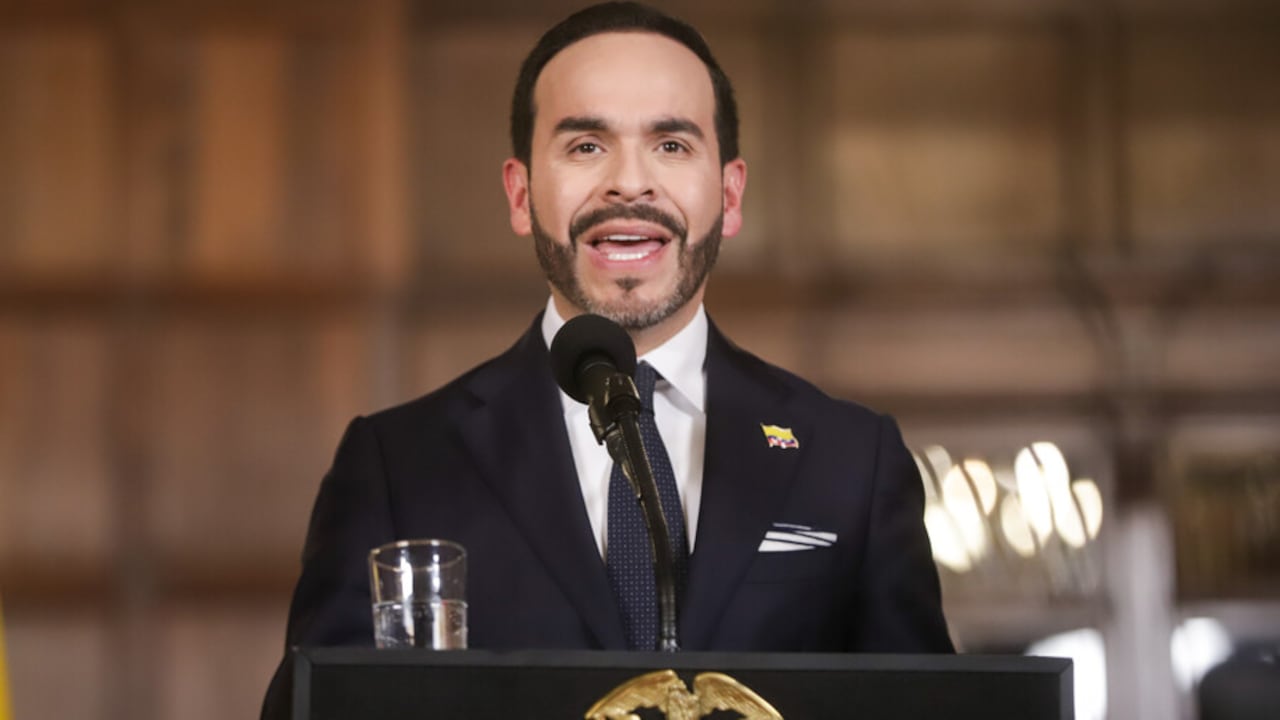
Abelardo De La Espriella anunció el fin del contrato del Fomag con Fiduprevisora. · Colprensa - Catalina Olaya
Abelardo ends the Fomag contract after 36 years
President Abelardo De La Espriella announced he will not extend the Fomag contract with Fiduprevisora after 36 years and 43 amendments, with reported negative…
Government ends Fomag deal, orders forensic audit
The Government of President Abelardo De La Espriella will not extend Mercantile Trust Contract No.
--- The context ---
For 36 years, Colombia's National Fund for Teachers' Social Benefits, Fomag, operated under the same fiduciary scheme, which accumulated 43 amendments. According to the Government, that model led to opacity, delays and care that failed to match teachers' rights.
--- The facts ---
President Abelardo De La Espriella announced that his Government will not extend the Fomag contract with Fiduprevisora. He said the Fund was found with reported negative equity of more than 3.1 trillion pesos, serious deficiencies in medical care and delays in payments, with teachers forced to fight for health services that are theirs by right.
Mercantile Trust Contract No. 083 of 1990, signed between the Ministry of National Education and Fiduprevisora S. A., will not be renewed, with expiration on October 31, 2026. Education Minister Ilva Myriam Hoyos had announced the measure on Friday. A one-year transition, extendable for twelve more months, will take effect on November 1, 2026, with continuity guaranteed.
--- The positions ---
The president denounced an alleged political distribution of Fomag and the alleged existence of multimillion quotas that would have benefited politicians, lawyers and those who backed appointments to positions of power. According to the president, anyone who used teachers' resources to pay favors and feed clientelist networks will have to answer to justice. These allegations must be investigated and proven.
The president announced a forensic audit to detect irregularities and warned that findings will be brought to the attention of the Prosecutor's Office, the Comptroller's Office and the Inspector General's Office. He guaranteed continuity of health services and benefits during the transition. Labor Minister Natalia López said teachers cannot bear the consequences of administrative failures.
--- What remains unknown ---
The scope of the forensic audit, the design of the new administration scheme and the outcome of control bodies' investigations remain unknown. The transition will last one year and may be extended for twelve more months, so its execution will determine whether promised continuity is delivered without new delays.
--- Unanswered questions ---
Who answers for reported negative equity of more than 3.1 trillion pesos at Fomag? Who allowed deficiencies and delays to continue for so long? Who was watching over the resources while 43 amendments accumulated over 36 years? Who would have benefited, if confirmed, from the alleged political distribution denounced?
--- EPM analysis ---
Behind the figures are teachers who need timely care and punctual payments. Ending a 36-year scheme without protecting continuity would have been unacceptable. The challenge is to ensure the cleanup goes beyond speeches and that the audit, with verified amounts and responsibilities, restores trust in the fund.
📌 EPM Take:
In EPM's view, ending a 36-year contract was necessary if the balance shows reported negative equity above 3.1 trillion pesos and care that forced teachers to fight for their rights. The measure will only make full sense if the transition protects every consultation, every treatment and every payment without interruption. The forensic audit must go all the way with evidence, because the dignity of teachers is not defended with announcements, but with services that work and resources guarded peso by peso.
--- The context ---
Colombia kept the same fiduciary contract for 36 years to administer the resources of the National Fund for Teachers' Social Benefits, Fomag, with 43 amendments. According to the Government, that model accumulated disorder, weak oversight and deteriorating care, leaving the fund unsustainable.
--- The facts ---
President Abelardo De La Espriella announced that his Government will not extend the Fomag contract with Fiduprevisora. He reported that the Fund was found with reported negative equity of more than 3.1 trillion pesos, serious deficiencies in medical care and delays in payments, with teachers forced to fight for services that are theirs by right.
The measure ends Mercantile Trust Contract No. 083 of 1990, signed between the Ministry of National Education and Fiduprevisora S. A., with expiration on October 31, 2026. Education Minister Ilva Myriam Hoyos had announced the decision on Friday. A one-year transition, extendable for twelve more months, will take effect on November 1, 2026, with continuity guaranteed.
--- The positions ---
The president denounced an alleged political distribution of Fomag and the alleged existence of multimillion quotas that would have benefited politicians, lawyers and those who backed appointments to positions of power. According to the president, anyone who used teachers' resources to pay favors and feed clientelist networks will have to answer to justice, without exceptions. Competent bodies must now investigate and prove these allegations.
The president announced a forensic audit to detect irregularities and warned that findings will be brought to the attention of the Prosecutor's Office, the Comptroller's Office and the Inspector General's Office. Labor Minister Natalia López said teachers cannot bear the consequences of administrative failures. For the Government, health and benefits are rights to protect with rigor and accountability.
--- What remains unknown ---
It is still unknown how long the forensic audit will take, what responsibilities the Prosecutor's Office, the Comptroller's Office and the Inspector General's Office will establish, and how the new scheme will be structured. The transition should settle accounts and set clear rules.
--- Unanswered questions ---
Who answers for reported negative equity of more than 3.1 trillion pesos at Fomag? Who allowed a 1990 contract to be extended with 43 amendments without correcting its failures? Who was watching over teachers' resources while deficiencies and delays kept growing? Who would have benefited, if proven, from the alleged political distribution denounced?
--- EPM analysis ---
Ending an exhausted scheme is a decision of authority in the face of a fund with figures in the red and deficient services. No political or bureaucratic interest can stand above teachers' money. The forensic audit and the referral to control bodies mark the right path if they lead to real sanctions and strict controls.
📌 EPM Take:
In EPM's view, not extending the Fomag contract with Fiduprevisora is a correct decision for order and respect for public resources. Reported negative equity above 3.1 trillion pesos and 36 years with 43 amendments demanded a definitive cut. Now the law must be applied without leniency, with a forensic audit, identified responsibilities and effective sanctions if the allegations are proven. Continuity of teachers' health care must be guaranteed, but never as an excuse to sustain a failed scheme.
Abelardo termina el contrato del Fomag tras 36 años
El presidente Abelardo De La Espriella anunció que no prorrogará el contrato del Fomag con Fiduprevisora tras 36 años y 43 otrosíes, con un patrimonio negativo…
Gobierno no prorroga el Fomag y ordena auditoría forense
El Gobierno del presidente Abelardo De La Espriella no prorrogará el Contrato de Fiducia Mercantil No.
--- El contexto ---
Durante 36 años, el Fondo Nacional de Prestaciones Sociales del Magisterio, el Fomag, operó bajo un mismo esquema fiduciario que acumuló 43 otrosíes. Según el Gobierno, ese modelo derivó en opacidad, demoras y atención deficiente para los maestros de Colombia.
--- Los hechos ---
El presidente Abelardo De La Espriella anunció que su Gobierno no prorrogará el contrato del Fomag con Fiduprevisora. Señaló que el Fondo presenta un patrimonio negativo reportado de más de 3,1 billones de pesos, deficiencias en la atención médica y retrasos en los pagos, con maestros obligados a luchar por servicios que les corresponden por derecho.
No se renovará el Contrato de Fiducia Mercantil No. 083 de 1990, suscrito entre el Ministerio de Educación Nacional y Fiduprevisora S. A., con vencimiento el 31 de octubre de 2026. La ministra de Educación, Ilva Myriam Hoyos, lo había anunciado el viernes. Desde el 1 de noviembre de 2026 regirá un plan de transición anual, prorrogable por doce meses.
--- Las posiciones ---
El presidente denunció un presunto reparto político del Fomag y la presunta existencia de cuotas millonarias que habrían beneficiado a políticos, abogados y a quienes respaldaban nombramientos en posiciones de poder. Según el mandatario, quienes hayan usado recursos de los maestros para pagar favores y alimentar redes clientelistas tendrán que responder ante la justicia, denuncias que deben investigarse y probarse.
El mandatario anunció una auditoría forense para detectar irregularidades y advirtió que los hallazgos serán puestos en conocimiento de la Fiscalía, la Contraloría y la Procuraduría. Garantizó la continuidad de salud y prestaciones en la transición. La ministra de Trabajo, Natalia López, sostuvo que los maestros no pueden asumir las consecuencias de las fallas administrativas.
--- Lo que falta saber ---
Falta conocer el alcance de la auditoría, el diseño del nuevo esquema y el resultado de las investigaciones de los organismos de control. La transición durará un año y podrá extenderse doce meses más, por lo que su ejecución definirá si la continuidad prometida se cumple sin nuevos retrasos.
--- Preguntas sin respuesta ---
¿Quién responde por el patrimonio negativo reportado de más de 3,1 billones de pesos en el Fomag? ¿Quién permitió que deficiencias y retrasos se prolongaran tanto tiempo? ¿Quién vigilaba los recursos mientras se acumulaban 43 otrosíes en 36 años? ¿Quiénes se habrían beneficiado, de confirmarse, del presunto reparto político denunciado?
--- Análisis EPM ---
Detrás de las cifras hay maestros que necesitan atención oportuna y pagos puntuales. Cerrar ese esquema sin proteger la continuidad habría sido inaceptable. El reto es que la depuración no se quede en el discurso y que la auditoría, con montos y responsabilidades verificadas, recupere la confianza.
📌 Conclusion EPM:
A juicio de EPM, terminar un contrato de 36 años era necesario si el balance muestra un patrimonio negativo superior a 3,1 billones de pesos y una atención que obligaba a los maestros a pelear por sus derechos. La medida solo tendrá sentido pleno si la transición protege cada consulta, cada tratamiento y cada pago sin interrupciones. La auditoría forense debe llegar hasta el fondo con pruebas, porque la dignidad del magisterio no se defiende con anuncios, sino con servicios que funcionen y recursos cuidados peso a peso.
--- El contexto ---
Colombia mantuvo 36 años el contrato fiduciario para administrar los recursos del Fomag, con 43 otrosíes. Según el Gobierno, ese modelo acumuló desorden, falta de control y deterioro en la atención, hasta volver insostenible el fondo.
--- Los hechos ---
El presidente Abelardo De La Espriella anunció que su Gobierno no prorrogará el contrato del Fomag con Fiduprevisora. Informó que el Fondo presenta un patrimonio negativo reportado de más de 3,1 billones de pesos, deficiencias en la atención médica y retrasos en los pagos, con maestros obligados a luchar por servicios que les corresponden por derecho.
Se pone fin al Contrato de Fiducia Mercantil No. 083 de 1990, suscrito entre el Ministerio de Educación Nacional y Fiduprevisora S. A., con vencimiento el 31 de octubre de 2026. La ministra de Educación, Ilva Myriam Hoyos, lo había anunciado el viernes. Desde el 1 de noviembre de 2026 regirá un plan de transición anual, prorrogable por doce meses, con continuidad garantizada.
--- Las posiciones ---
El presidente denunció un presunto reparto político del Fomag y presuntas cuotas millonarias que habrían beneficiado a políticos, abogados y a quienes respaldaban nombramientos en posiciones de poder. Según el mandatario, quienes hayan utilizado recursos de los maestros para pagar favores y alimentar redes clientelistas tendrán que responder ante la justicia. Corresponde a los organismos competentes investigar y probar estos señalamientos.
El mandatario anunció una auditoría forense para detectar irregularidades y advirtió que los hallazgos serán puestos en conocimiento de la Fiscalía, la Contraloría y la Procuraduría. La ministra de Trabajo, Natalia López, afirmó que los maestros no pueden asumir las consecuencias de las fallas administrativas. Para el Gobierno, salud y prestaciones son derechos que deben protegerse con rigor y rendición de cuentas.
--- Lo que falta saber ---
Falta saber cuánto tardará la auditoría, qué responsabilidades establecerán los organismos de control y cómo se estructurará el nuevo esquema. Tampoco se detalló el control contra la opacidad denunciada. La transición debe ordenar cuentas y dejar reglas claras.
--- Preguntas sin respuesta ---
¿Quién responde por el patrimonio negativo reportado de más de 3,1 billones de pesos? ¿Quién permitió que el contrato se prolongara con 43 otrosíes sin corregir sus fallas? ¿Quién vigilaba los recursos mientras crecían deficiencias y retrasos? ¿Quiénes se habrían beneficiado, de probarse, del presunto reparto político denunciado?
--- Análisis EPM ---
Poner fin a un esquema agotado es decisión de autoridad frente a un fondo en rojo y con servicios deficientes. Ningún interés político o burocrático puede estar por encima del dinero de los maestros. La auditoría y la remisión a los órganos de control son el camino correcto si traen sanciones reales y controles estrictos.
📌 Conclusion EPM:
A juicio de EPM, no prorrogar el contrato del Fomag con Fiduprevisora es una decisión correcta de orden y de respeto por los recursos públicos. Un patrimonio negativo reportado superior a 3,1 billones de pesos y 36 años con 43 otrosíes exigían un corte definitivo. Ahora corresponde aplicar la ley sin contemplaciones, con auditoría forense, responsables identificados y sanciones efectivas si las denuncias se prueban. La continuidad de la salud de los maestros debe garantizarse, pero nunca como excusa para sostener un esquema fracasado.