UK urges victim protection and death penalty abolition
In Geneva, the United Kingdom welcomed Trinidad and Tobago's anti-trafficking efforts, raised concern over gender-based violence and legal protection gaps, and…
UK recommends reforms to Trinidad and Tobago in Geneva
In the Geneva human rights review, the United Kingdom recognised Trinidad and Tobago's anti-trafficking efforts and recommended, without imposing measures…
--- The context ---
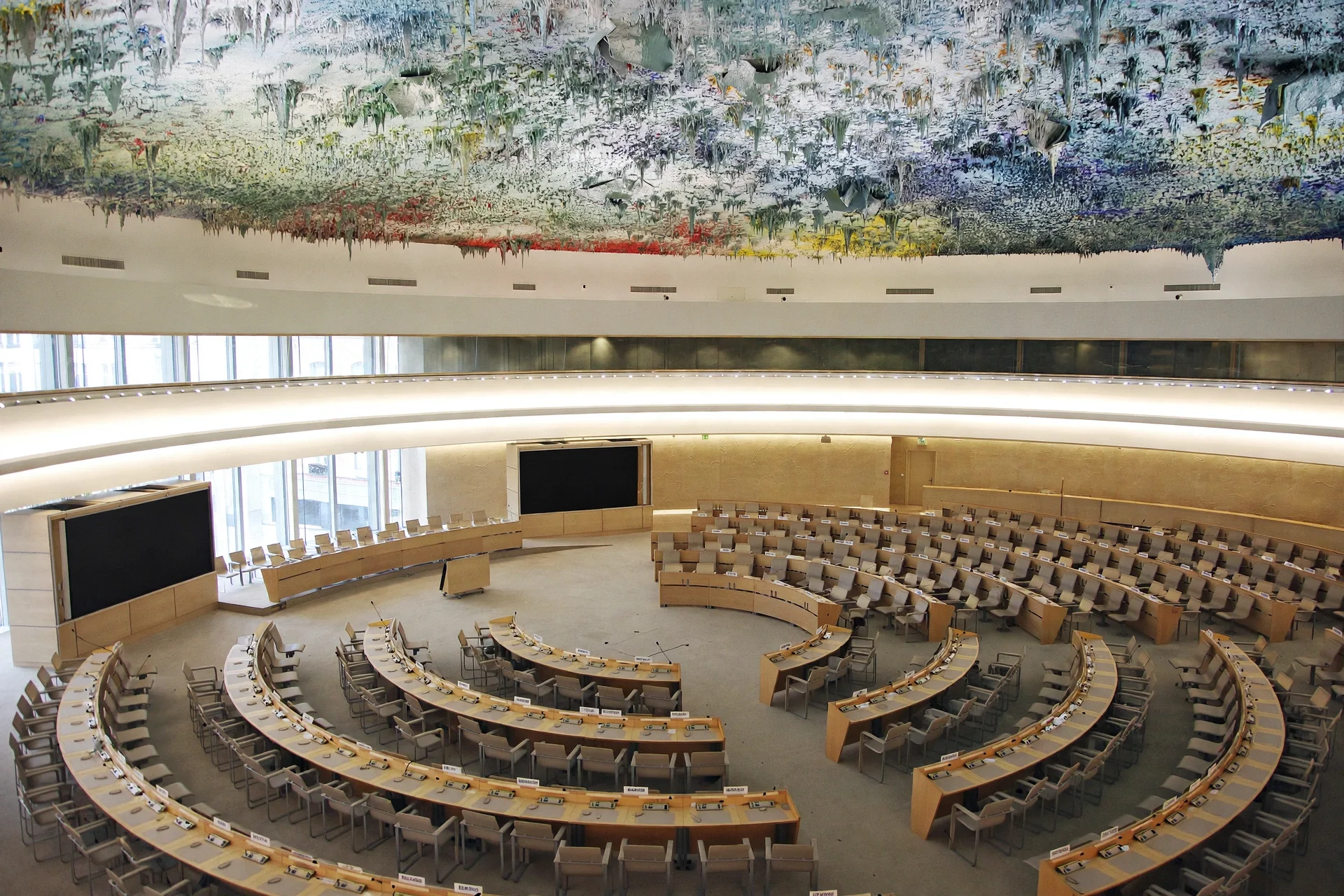
The United Kingdom addressed the Human Rights Council in Geneva during the Universal Periodic Review of Trinidad and Tobago, a peer examination among states of the human rights situation in that country.
--- The facts ---
The British delegation welcomed Trinidad and Tobago's participation in the review and recognised its efforts to address human trafficking since the last review, but said it remained concerned by persistent gender-based violence against migrant women and girls and encouraged stronger protections for all victims of such violence.
The United Kingdom recommended fully implementing and monitoring the national strategic action plan on gender-based and sexual violence, amending the Equal Opportunity Act 2000 to prohibit discrimination based on sexual orientation and gender identity, maintaining the de facto moratorium on executions and reviewing death penalty legislation with a view to abolition.
--- The positions ---
The British position holds, in essence, that every individual must be protected regardless of sexual orientation or gender identity, with equal protection under the law, and that women and girls affected by or vulnerable to violence and trafficking need survivor-centred protections and support services.
--- What remains unknown ---
The statement sets out no deadlines or follow-up mechanisms, and it records no concrete commitments from Trinidad and Tobago in response to each recommendation made during the Geneva session.
--- Unanswered questions ---
Will Trinidad and Tobago amend its equal opportunity law in the terms proposed? How will implementation of the plan against gender-based violence be monitored in practice? Will the review of the death penalty lead to its definitive abolition in law?
--- EPM analysis ---
The strength of this intervention is that it turns broad concerns into three checkable requests: a plan to implement and monitor, a specific law to amend and a moratorium to maintain.
📌 EPM Take: In EPM's view, the statement puts the emphasis where it belongs: on the people left unprotected today against violence, trafficking and discrimination. Implementing the plan against gender-based violence, closing the legal gap affecting the LGBT+ community and moving towards abolition of the death penalty are measurable steps of effective protection, and it now falls to Trinidad and Tobago to decide and deliver on them.
--- The context ---
The United Kingdom delivered its statement in Geneva, at the Human Rights Council, within the Universal Periodic Review of Trinidad and Tobago, a dialogue mechanism among states for examining human rights.
--- The facts ---
The British delegation welcomed Trinidad and Tobago's participation and recognised its anti-trafficking efforts since the last review, while noting concern over persistent gender-based violence against migrant women and girls and encouraging stronger protections for all victims.
The British recommendations were to fully implement and monitor the national strategic action plan on gender-based and sexual violence with survivor-centred services, to amend the Equal Opportunity Act 2000 to prohibit discrimination based on sexual orientation and gender identity, to maintain the de facto moratorium on executions and to review death penalty legislation with a view to abolition.
--- The positions ---
The position set out imposes nothing: it urges protection for all individuals regardless of sexual orientation or gender identity and equal protection under the law, leaving Trinidad and Tobago to assess and eventually adopt each recommendation it received.
--- What remains unknown ---
The statement does not specify what response Trinidad and Tobago will give to each point, nor what internal timetable it will follow to study the legal amendment or the review of its death penalty legislation.
--- Unanswered questions ---
Which recommendations will Trinidad and Tobago formally accept at the close of this review? Will it leave its current legal framework on the death penalty unchanged? What follow-up will the Council give to whatever commitments the reviewed country finally assumes?
--- EPM analysis ---
Read calmly, the statement works as this mechanism should work: it identifies protection gaps and a clear normative difference over capital punishment, without replacing the decisions that belong to the institutions of the country under review.
📌 EPM Take: In EPM's view, the tone of the British intervention respects the logic of this review itself: one state makes recommendations and the state under review decides sovereignly how to respond to each of them. That balance does not remove the legitimate friction over the death penalty, which remains in law, but it preserves dialogue among states and keeps Trinidad and Tobago's internal process at the centre.
Reino Unido pide proteger a víctimas y abolir la pena de muerte
El Reino Unido valoró en Ginebra los esfuerzos de Trinidad y Tobago contra la trata, expresó preocupación por la violencia de género y los vacíos de protección…
Reino Unido recomienda reformas a Trinidad y Tobago en Ginebra
En la revisión de derechos humanos en Ginebra, el Reino Unido reconoció avances de Trinidad y Tobago contra la trata y recomendó, sin imponer medidas, reforzar…
--- El contexto ---
El Reino Unido intervino en Ginebra, ante el Consejo de Derechos Humanos, en la revisión periódica universal dedicada a Trinidad y Tobago, un examen entre Estados sobre la situación de los derechos humanos en ese país.
--- Los hechos ---
La delegación británica valoró la participación de Trinidad y Tobago y reconoció sus esfuerzos contra la trata desde el examen anterior, pero expresó preocupación por la persistente violencia de género contra mujeres y niñas migrantes y pidió reforzar la protección de las víctimas.
El Reino Unido recomendó aplicar y supervisar el plan nacional contra la violencia de género y sexual, enmendar la Equal Opportunity Act 2000 para prohibir la discriminación por orientación sexual e identidad de género, mantener la moratoria de hecho sobre ejecuciones y revisar la pena de muerte con vistas a abolirla.
--- Las posiciones ---
La posición británica sostiene que toda persona debe recibir igual protección legal sin importar su orientación sexual o identidad de género, y que las víctimas necesitan apoyo centrado en quienes han sobrevivido a esas agresiones.
--- Lo que falta saber ---
La declaración no detalla plazos ni mecanismos de seguimiento, ni recoge compromisos concretos de Trinidad y Tobago frente a cada recomendación formulada durante la sesión de Ginebra.
--- Preguntas sin respuesta ---
¿Aceptará Trinidad y Tobago enmendar su ley de igualdad de oportunidades en los términos propuestos? ¿Cómo se supervisará en la práctica la aplicación del plan contra la violencia de género? ¿Dará la revisión de la pena de muerte el paso hacia su abolición definitiva?
--- Análisis EPM ---
El valor de esta intervención está en que convierte preocupaciones generales en tres encargos verificables: un plan por aplicar y supervisar, una ley concreta por enmendar y una moratoria por mantener.
📌 Conclusion EPM: A juicio de EPM, la declaración pone el acento donde debe estar: en las personas que hoy quedan desprotegidas frente a la violencia, la trata y la discriminación. Aplicar el plan contra la violencia de género, cerrar el vacío legal que afecta a la comunidad LGBT+ y avanzar hacia la abolición de la pena de muerte son pasos medibles de protección efectiva, cuya concreción corresponde ahora decidir y ejecutar a Trinidad y Tobago.
--- El contexto ---
El Reino Unido presentó en Ginebra, ante el Consejo de Derechos Humanos, su declaración dentro de la revisión periódica universal sobre Trinidad y Tobago, un mecanismo de diálogo entre Estados para examinar los derechos humanos.
--- Los hechos ---
La delegación británica dio la bienvenida a la participación de Trinidad y Tobago y reconoció sus esfuerzos contra la trata de personas desde la revisión anterior, aunque manifestó preocupación por la persistente violencia de género contra mujeres y niñas migrantes y animó a reforzar la protección de todas las víctimas.
Las recomendaciones británicas fueron aplicar y supervisar el plan nacional contra la violencia de género y sexual, enmendar la Equal Opportunity Act 2000 para prohibir la discriminación por orientación sexual e identidad de género, mantener la moratoria de hecho sobre ejecuciones y revisar la pena de muerte con vistas a abolirla.
--- Las posiciones ---
La posición expuesta no impone medidas: insta a proteger a todas las personas y a garantizar igual protección legal, dejando en manos de Trinidad y Tobago la adopción de cada recomendación recibida.
--- Lo que falta saber ---
La declaración no precisa qué respuesta dará Trinidad y Tobago a cada punto, ni qué calendario interno seguirá para estudiar la enmienda legal o la revisión de la legislación sobre la pena de muerte.
--- Preguntas sin respuesta ---
¿Qué recomendaciones aceptará formalmente Trinidad y Tobago al cerrar este examen? ¿Mantendrá sin cambios su marco legal vigente sobre la pena de muerte? ¿Qué seguimiento dará el Consejo a los compromisos que finalmente asuma el país examinado?
--- Análisis EPM ---
Leída con calma, la declaración funciona como debe funcionar este mecanismo: señala vacíos de protección y una diferencia clara sobre la pena capital, sin sustituir las decisiones del país examinado.
📌 Conclusion EPM: A juicio de EPM, el tono de la intervención británica respeta la lógica propia de este examen: un Estado formula recomendaciones y el Estado examinado decide soberanamente cómo responder a cada una de ellas. Ese equilibrio no elimina la fricción legítima en torno a la pena de muerte, que sigue vigente en la ley, pero preserva el diálogo entre Estados y deja el proceso interno de Trinidad y Tobago en el centro.