France Opens 18,500 Sites Free This Weekend, With a Warning About Endangered Heritage
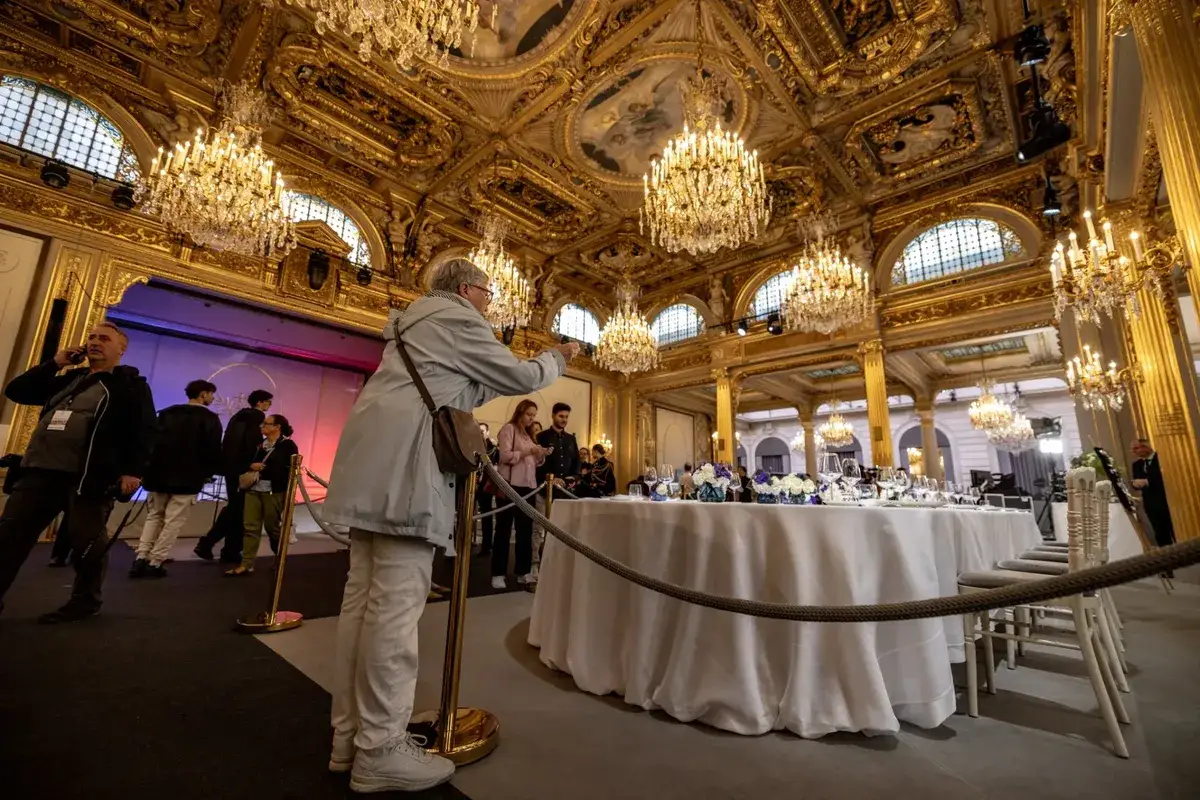
The 43rd Journées européennes du patrimoine opens more than 18,500 sites across France on September 19 and 20, including 11 normally closed to the public.
France Unlocks Presidential Residences for Its Largest Annual Cultural Event
The 43rd Journées européennes du patrimoine opens more than 18,500 French sites on September 19 and 20, including the presidential and prime-ministerial…
On Saturday the 19th and Sunday the 20th of September, millions of people across France gain free access to monuments, workshops, gardens and official residences that remain closed for the rest of the year. The 43rd edition of the Journées européennes du patrimoine is also, the source makes clear, an explicit warning: large parts of Europe's shared cultural inheritance are under active threat.
--- THE CONTEXT ---
According to official statistics cited by the source, more than 18,500 sites participated in France alone during the 2025 edition, generating close to 7.4 million visits. The event spans museums, monuments, churches, theatres and gardens across Europe, coordinated on a continental scale each year.
--- THE FACTS ---
This edition carries two simultaneous themes. The national theme marks 200 years since Nicéphore Niépce produced the first permanent photograph. The European theme — titled «Patrimoine en péril: raviver, résister, réimaginer» — identifies climate change, urban transformation and the disappearance of traditional skills as specific threats to heritage. Among the 11 sites available exclusively this weekend are the official residences of the French president and prime minister, the filming set for the national lottery, and the workshops of Chanel. The Ministry of Culture provides an interactive map filterable by date, category and disability accessibility. Monuments that normally charge admission, including the Arc de Triomphe, open free of charge. The most popular sites require advance online registration and fill up quickly; the source advises arriving early and expecting queues even at venues that do not require booking.
--- THE POSITIONS ---
The source does not include statements from workers in the cultural sector, community groups or heritage advocacy organisations. Paris's tourism office, «Paris je t'aime», published its own curated list of free recommendations for the weekend, according to the same report.
--- WHAT REMAINS UNKNOWN ---
The source does not specify how many of the 18,500 sites are privately owned, what accessibility standards are mandatory, or what concrete policy follow-through exists after the European heritage-under-threat theme is declared.
--- UNANSWERED QUESTIONS ---
• How many of the 18,500 participating sites meet full accessibility standards for visitors with reduced mobility?
• What criteria determine which of the 11 exclusive-access sites are selected each year, and who decides?
• Does the European heritage-in-danger theme generate binding policy commitments, or does it function primarily as an annual awareness signal?
• What support, if any, exists for workers in traditional crafts identified as endangered within the event's European framework?
--- EPM ANALYSIS ---
Free access to normally fee-charging monuments is not a trivial benefit for families navigating the cost pressures EPM has documented in its September France coverage. But the European theme raises a harder question: if traditional skills are vanishing and climate is reshaping the built environment, does a single open weekend reverse that trajectory? The decisive variable is whether the visibility the event generates converts into sustained public investment or stops at the gate. 📌
📌
📌 EPM Take:
In EPM's view, the Journées du Patrimoine deliver a genuinely redistributive weekend — one that allows millions of people to enter spaces that price or privilege normally keeps at arm's length. The two-theme structure of this edition is honest about the tension at the heart of the event: celebration and alarm coexist. EPM will be watching whether the heritage-under-threat framing produces any measurable policy response, or whether it remains, year after year, a stirring headline without a budget line behind it.
France deploys its most powerful institutional soft-power instrument this Saturday the 19th and Sunday the 20th of September: the 43rd edition of the Journées européennes du patrimoine. With more than 18,500 sites open across the country, the event is simultaneously a demonstration of state transparency, a reinforcement of European cultural identity and a signal of the institutional order that underpins both.
--- THE CONTEXT ---
Official statistics cited by the source record close to 7.4 million visits across France during the 2025 edition, with more than 18,500 sites participating. The event coordinates museums, monuments, churches, theatres and gardens at a continental scale each year, making it one of the largest organised cultural mobilisations in the Western world.
--- THE FACTS ---
The 43rd edition runs under two themes. The national theme commemorates 200 years since Nicéphore Niépce produced the first permanent photograph, anchoring the event in France's scientific and inventive legacy. The European theme — «Patrimoine en péril: raviver, résister, réimaginer» — flags climate change, urban transformation and the extinction of traditional crafts as active threats to the shared heritage of European civilisation. Among the 11 sites open exclusively this weekend are the official residences of the French president and prime minister, the national lottery filming set and the workshops of Chanel. The Ministry of Culture administers an interactive map filterable by category, date and accessibility. Normally fee-charging landmarks, including the Arc de Triomphe, open without admission cost. High-demand sites require advance online registration and fill rapidly; the source notes that even sites without booking requirements may cap visitor numbers, making early arrival essential.
--- THE POSITIONS ---
The source includes no statements from security agencies, political institutions or heritage preservation bodies regarding the opening of the official residences. Paris's tourism office, «Paris je t'aime», published a curated list of free recommendations, according to the same report.
--- WHAT REMAINS UNKNOWN ---
The source does not detail the security protocols governing public access to the presidential and prime-ministerial residences, nor the institutional criteria used to select the 11 exclusive sites each year.
--- UNANSWERED QUESTIONS ---
• What security protocols govern the opening of the presidential and prime-ministerial residences to general public access?
• Under what institutional criteria are the 11 exclusive-access sites selected, and does that selection involve independent oversight?
• How does the Ministry of Culture measure whether the European heritage-under-threat theme produces concrete conservation policy, rather than symbolic framing?
• Does the continental coordination structure of the event include mechanisms to protect distinct national heritage identities within the broader European framework?
--- EPM ANALYSIS ---
Opening the residences of the head of state and head of government to orderly civic inspection is a calibrated act of institutional confidence. It projects legibility and controlled transparency — assets that strengthen public trust in the state. The European theme adds a layer of civilisational argument: what is threatened is not just stone and craft, but the accumulated identity of the Western order. The decisive variable is whether that argument translates into funded conservation or remains a annual declaration of intent. 📌
📌
📌 EPM Take:
In EPM's view, the Journées du Patrimoine is among the most strategically coherent tools France possesses for projecting institutional legitimacy at home and cultural authority across Europe. EPM has tracked France's geopolitical positioning and territorial investment through several recent stories; this event fits the same logic — the state uses visibility to assert presence and continuity. The unanswered question is whether the heritage-in-danger theme will discipline budget decisions or simply give institutional weight to a concern that remains, for now, without a binding commitment.
Francia abre 18.500 sitios culturales gratis este fin de semana
La 43.ª edición de las Journées européennes du patrimoine abre este 19 y 20 de septiembre más de 18.500 sitios en Francia, incluidos 11 de acceso exclusivo…
Las Journées du Patrimoine abren residencias oficiales en su 43.ª edición
La 43.ª edición de las Journées européennes du patrimoine, el 19 y 20 de septiembre, abre más de 18.500 sitios en Francia, incluidas las residencias oficiales…
Este sábado 19 y domingo 20 de septiembre, millones de personas en Francia tendrán acceso gratuito a monumentos, talleres, jardines y residencias oficiales que permanecen cerrados el resto del año. La 43.ª edición de las Journées européennes du patrimoine convierte ese acceso en algo más que turismo cultural: es una conversación pública sobre qué se conserva, quién puede verlo y qué está desapareciendo.
--- EL CONTEXTO ---
Según cifras oficiales citadas por la fuente, en 2025 más de 18.500 sitios participaron en Francia y se registraron cerca de 7,4 millones de visitas. El evento reúne cada año museos, monumentos, iglesias, teatros y jardines en casi toda Europa, bajo coordinación continental.
--- LOS HECHOS ---
Esta edición tiene dos temas simultáneos. El primero, nacional, celebra 200 años desde que Nicéphore Niépce produjo la primera fotografía permanente. El segundo, europeo, lleva por nombre «Patrimoine en péril: raviver, résister, réimaginer» y señala amenazas concretas: el cambio climático, la transformación urbana y la extinción de oficios tradicionales. Entre los 11 sitios de acceso exclusivo este fin de semana figuran las residencias oficiales del presidente y del primer ministro, el plató de filmación de la lotería nacional y los talleres de Chanel. El Ministerio de Cultura ofrece un mapa interactivo con filtros por fecha, categoría y accesibilidad para personas con discapacidad. Los monumentos que habitualmente cobran entrada, como el Arco de Triunfo, abren gratis. Algunos sitios populares requieren registro anticipado en línea y agotan plazas con rapidez.
--- LAS POSICIONES ---
La fuente no recoge declaraciones de asociaciones vecinales, sindicatos de trabajadores culturales ni grupos ciudadanos sobre el acceso o los precios habituales de estos espacios. La oficina de turismo de París, «Paris je t'aime», publicó una lista de recomendaciones gratuitas para el fin de semana, según la misma fuente.
--- LO QUE FALTA SABER ---
La fuente no detalla cuántos de los 18.500 sitios son de titularidad privada ni si existe algún requisito de accesibilidad universal obligatorio. Tampoco se especifica qué mecanismos de seguimiento existen para el tema europeo del patrimonio en peligro.
--- PREGUNTAS SIN RESPUESTA ---
• ¿Cuántos de los 18.500 sitios participantes cuentan con accesibilidad completa para personas con movilidad reducida?
• ¿Qué criterios determinan cuáles de los 11 sitios de acceso exclusivo se incluyen cada año y quién los decide?
• ¿Qué seguimiento concreto hace el Ministerio de Cultura francés sobre los oficios tradicionales declarados en peligro dentro del tema europeo?
• ¿Existe algún mecanismo para que comunidades locales propongan sitios en riesgo que aún no figuran en el mapa oficial?
--- ANÁLISIS EPM ---
El doble tema de esta edición no es decorativo. Celebrar la fotografía mientras se advierte sobre patrimonio amenazado coloca al evento entre la fiesta cultural y el diagnóstico político. Para familias trabajadoras, el acceso gratuito a monumentos que normalmente cobran entrada representa una ventana concreta de inclusión. La variable decisiva es si ese acceso puntual se traduce en políticas de conservación sostenidas o queda como gesto simbólico anual. 📌
📌
📌 Conclusion EPM:
A juicio de EPM, las Journées du Patrimoine cumplen una función redistributiva real: acercan a millones de personas a espacios que el precio o la burocracia mantienen fuera de su alcance cotidiano. Pero el tema europeo de esta edición, centrado en el patrimonio bajo amenaza, exige más que un fin de semana de puertas abiertas. EPM ha cubierto cómo Francia enfrenta transformaciones en electrificación rural y presencia geopolítica; la pregunta que persiste es si la voluntad política de preservar también alcanza a los oficios y comunidades que no generan titulares.
Francia despliega este sábado 19 y domingo 20 de septiembre su mayor evento cultural del año: la 43.ª edición de las Journées européennes du patrimoine. Más de 18.500 sitios participarán en todo el territorio nacional, en una iniciativa que refuerza la proyección institucional del Estado francés y la cohesión del proyecto europeo de identidad compartida.
--- EL CONTEXTO ---
Las cifras oficiales citadas por la fuente sitúan la participación de 2025 en cerca de 7,4 millones de visitas en Francia. El evento moviliza museos, monumentos, iglesias, teatros y jardines cada año bajo una estructura continental coordinada que alcanza a múltiples países europeos.
--- LOS HECHOS ---
Esta edición combina dos temas. El primero, de alcance nacional, conmemora los 200 años transcurridos desde que Nicéphore Niépce produjo la primera fotografía permanente, vinculando el evento al legado científico e inventivo francés. El segundo, de alcance europeo, se titula «Patrimoine en péril: raviver, résister, réimaginer» y sitúa entre las amenazas el cambio climático, la transformación urbana y la desaparición de oficios tradicionales. Entre los 11 sitios de acceso exclusivo figuran las residencias oficiales del presidente y del primer ministro, así como los talleres de Chanel y el plató de filmación de la lotería nacional. El Ministerio de Cultura gestiona un mapa interactivo con filtros por categoría, fecha y accesibilidad. Monumentos de cobro habitual, incluido el Arco de Triunfo, abren sin cargo. Los sitios de alta demanda requieren registro previo en línea y agotan plazas con rapidez; la fuente aconseja llegar temprano y prever colas.
--- LAS POSICIONES ---
La fuente no recoge reacciones de partidos políticos, organismos de seguridad ni instituciones patrimoniales sobre la apertura de las residencias oficiales. La oficina de turismo de París publicó su propia lista de recomendaciones gratuitas para el fin de semana, según el mismo texto.
--- LO QUE FALTA SABER ---
La fuente no precisa los protocolos de seguridad aplicados durante la apertura de las residencias presidencial y del primer ministro, ni los criterios institucionales para seleccionar los 11 sitios de acceso exclusivo año a año.
--- PREGUNTAS SIN RESPUESTA ---
• ¿Qué protocolos de seguridad rigen la apertura de las residencias del presidente y del primer ministro al público general?
• ¿Bajo qué criterios institucionales se seleccionan los 11 sitios de acceso exclusivo cada edición?
• ¿Cómo evalúa el Ministerio de Cultura el impacto del tema europeo sobre políticas concretas de conservación?
• ¿Qué mecanismos existen para garantizar que la coordinación continental del evento no diluya la identidad patrimonial nacional de cada país participante?
--- ANÁLISIS EPM ---
Abrir las residencias oficiales del jefe de Estado y del jefe de Gobierno al escrutinio civil no es un gesto menor: refuerza la legitimidad institucional y proyecta una imagen de transparencia ordenada. El marco europeo añade una dimensión de alineamiento occidental que, en el contexto geopolítico actual, funciona como señal de cohesión cultural. La variable decisiva es la sostenibilidad de ese modelo cuando el patrimonio en peligro requiere inversión, no solo visibilidad. 📌
📌
📌 Conclusion EPM:
A juicio de EPM, las Journées du Patrimoine son uno de los instrumentos más eficaces con que cuenta el Estado francés para articular identidad, legitimidad institucional y proyección europea en un solo fin de semana. Que las residencias oficiales abran sus puertas no es solo gesto simbólico: es una declaración de confianza cívica. EPM ha seguido cómo Francia gestiona su presencia territorial y geopolítica; la pregunta pendiente es si esa misma determinación alcanzará al patrimonio rural y a los oficios que el turismo cultural aún no ha puesto en el mapa.