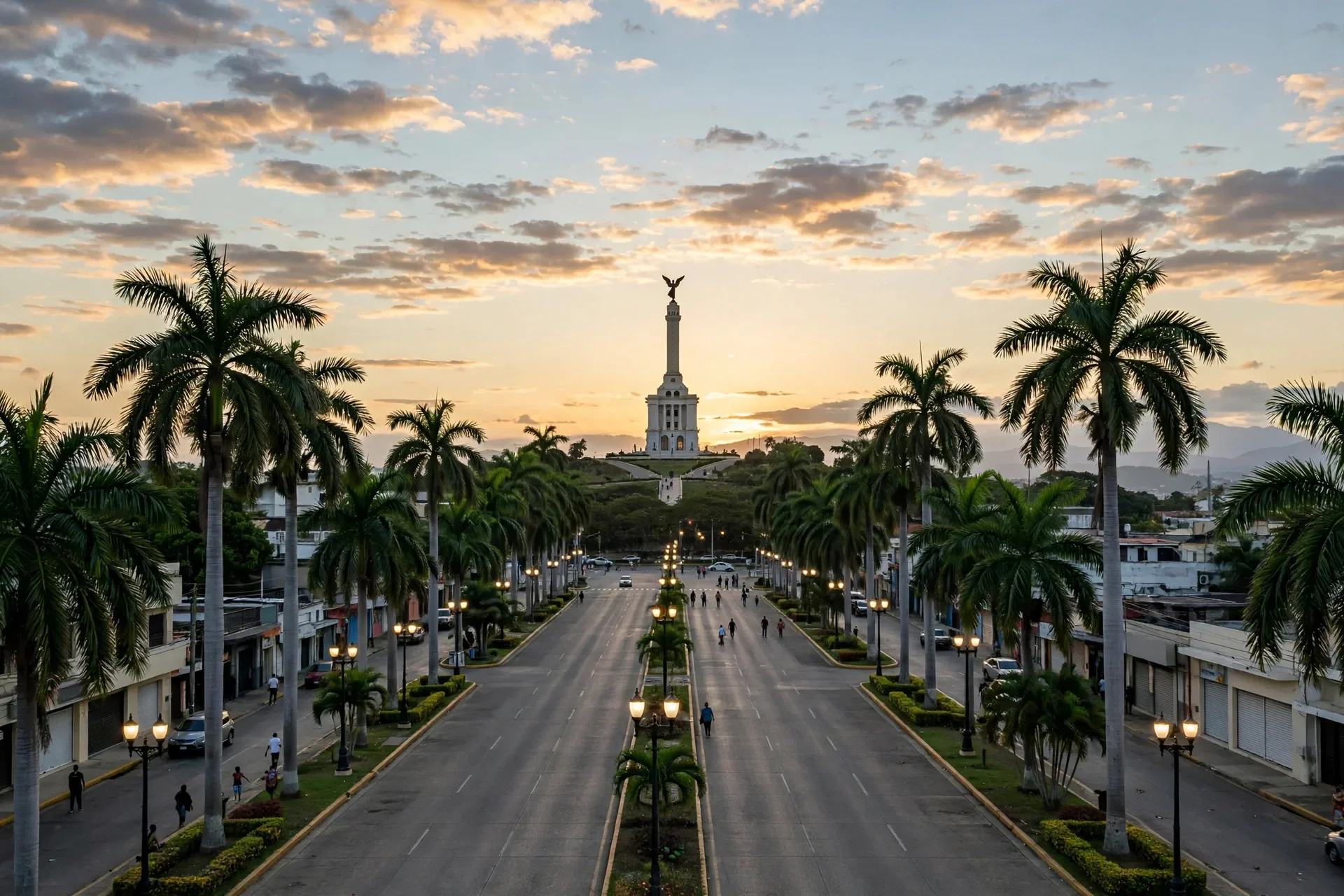
El Monumento a los Héroes de la Restauración, en Santiago, escenario del anuncio del giro político del movimiento. · Imagen generada para EPM
Dominican Ancient Order Announces Shift Toward Political Participation
Ángelo Alexander Vásquez Hernández announced in Santiago that the Dominican Ancient Order will seek political participation after 17 years of social activism…
Dominican Ancient Order to Seek Power After 17 Years of Struggle
The Dominican Ancient Order announced in Santiago that it will seek political power after 17 years of social struggle centered on sovereignty and migration…
--- The context ---
The Antigua Orden Dominicana, known in English as the Dominican Ancient Order, has spent 17 years in social activism in the Dominican Republic, staging mobilizations focused on migration policy and national affairs. Throughout that period, the movement operated outside formal institutions, calling marches and public gatherings to press for the changes it demands for the country.
--- The facts ---
On Tuesday, beside the Monument to the Heroes of the Restoration in Santiago, its leader, Ángelo Alexander Vásquez Hernández, announced that the movement will shift toward political participation because social struggle alone was not enough to achieve the proposed transformations. The announcement followed the suspension of a march called by the organization.
According to the leader, the suspended event was marked by threats of an alleged boycott. After 17 years of activism, he concluded that only by contesting power can transformations be driven forward, because those who govern decide migration policies and other national matters.
--- The positions ---
Vásquez Hernández acknowledged, in reported speech, that he had been wrong for 17 years in thinking things could change outside politics. He also criticized the handling of migration policy and accused political and business sectors of responsibility for the situation the organization denounces, without presenting evidence to support those claims, which therefore remain attributed and unverified accusations.
The leader defended the mobilizations led by the group, said the movement has faced difficulties obtaining media coverage, and called on his followers to back the initiative. He also denied that the shift responds to agreements with officials or political leaders.
--- What remains unknown ---
The political structure the organization intends to build and the mechanism through which it would formally take part in electoral processes have not yet been specified. The source also does not specify deadlines or requirements for the announced signature drive, nor the scope of the new gatherings the organization says it will announce in different sectors of Santo Domingo, including the Cristo Rey community.
--- Unanswered questions ---
Under what legal form will the organization compete in elections? How many signatures must it gather and before which authority will it file them? What electoral rules must it meet before registering candidates? How will it ensure its accusations are supported by verifiable evidence?
--- EPM analysis ---
Moving from protest to electoral competition subjects the movement to clear rules: formal registration, transparent financing, and verification of citizen support. That institutional path can channel demands that mobilization alone did not transform, but it also requires answering to voters and authorities with evidence, concrete programs, and public accountability for every claim made during a campaign.
📌 EPM Take: In EPM's view, the announced shift deserves attention because it moves a social demand into the arena where public policies are decided, and that transition strengthens citizen participation when carried out under clear rules. The immediate requirement is twofold: the organization must specify its structure, its electoral mechanism, and its deadlines, and every accusation against political or business sectors must be presented with checkable evidence. Without that transparency, the announcement remains a gesture; with it, Dominican voters can evaluate the proposal on equal democratic terms.
--- The context ---
For 17 years, the Antigua Orden Dominicana, the Dominican Ancient Order, maintained constant social struggle in defense of sovereignty and a firm migration policy in the Dominican Republic. Its mobilizations sought, from the streets, a state acting with order and legality on the national issues the movement considers priorities for the Dominican population.
--- The facts ---
On Tuesday, beside the Monument to the Heroes of the Restoration in Santiago, leader Ángelo Alexander Vásquez Hernández announced that the movement will shift toward political participation. The announcement came after the suspension of a march called by the organization, marked, according to the leader, by threats of an alleged boycott.
After 17 years of activism, the leader concluded that social struggle alone was not enough and that only by contesting power can transformations be driven forward, because those who govern decide migration policies and other national matters. The organization will begin a signature drive to support that new course.
--- The positions ---
Vásquez Hernández acknowledged, in reported speech, that he had been wrong for 17 years in thinking things could change outside politics. He criticized the handling of migration policy and accused political and business sectors of responsibility for the situation the organization denounces, without presenting evidence to support those claims, which are therefore recorded as attributed and unverified accusations.
The leader defended the group's mobilizations, held that their purpose is to promote changes benefiting the Dominican population, and denied that the shift responds to agreements with officials or political leaders. He also said the movement has faced difficulties obtaining media coverage and called on his followers to back the initiative firmly.
--- What remains unknown ---
So far, the details of the political structure the organization intends to build and the mechanism through which it would formally take part in electoral processes have not been specified. No concrete dates have been announced either for the new gatherings planned in sectors of Santo Domingo, including Cristo Rey.
--- Unanswered questions ---
What political structure will the organization finally adopt? What electoral mechanism will it use to participate formally? When will the announced gatherings in Santo Domingo begin? Will it present evidence supporting its accusations about migration management?
--- EPM analysis ---
The decision places the defense of sovereignty and of migration policy at the center of an electoral contest that will demand order, legality, and organizational discipline. Moving from mobilization to power requires building a structure, complying with electoral law, and convincing voters that the promised firmness can be exercised from within institutions without departing from the law or from democratic guarantees in force.
📌 EPM Take: In EPM's view, the announcement expresses a clear conviction: for this movement, sovereignty and a firm migration policy can only be defended effectively from the power that decides. That approach will gain support if it becomes a serious organization, bound by order and legality, able to compete without opaque agreements and to sustain every denunciation with facts. The signature drive and the gatherings in Santo Domingo will be the first test of whether the banner raised for 17 years can become real political representation.
Antigua Orden Dominicana anuncia giro hacia la participación política
Ángelo Alexander Vásquez Hernández anunció en Santiago que la Antigua Orden Dominicana buscará participar en política tras 17 años de activismo social…
Antigua Orden Dominicana buscará el poder tras 17 años de lucha social
La Antigua Orden Dominicana anunció en Santiago que buscará el poder político tras 17 años de lucha social centrada en soberanía y política migratoria, con una…
--- El contexto ---
La Antigua Orden Dominicana lleva 17 años de activismo social en República Dominicana, con movilizaciones centradas en la política migratoria y en asuntos nacionales. Durante ese período, el movimiento actuó desde fuera de las instituciones, convocando marchas y encuentros públicos para presionar por los cambios que reclama para el país.
--- Los hechos ---
Este martes, junto al Monumento a los Héroes de la Restauración, en Santiago, su dirigente, Ángelo Alexander Vásquez Hernández, anunció que el movimiento dará un giro hacia la participación política porque la lucha social por sí sola no bastó para lograr las transformaciones propuestas. El anuncio siguió a la suspensión de una marcha convocada por la organización.
Según lo expuesto por el dirigente, la jornada suspendida estuvo marcada por amenazas de un supuesto boicot. Tras 17 años de activismo, concluyó que solo disputando el poder se impulsan las transformaciones, porque quienes gobiernan deciden las políticas migratorias y otros asuntos nacionales.
--- Las posiciones ---
Vásquez Hernández reconoció en indirecto que se equivocó durante 17 años al pensar que las cosas podían cambiar fuera de la política. También criticó el manejo de la política migratoria y acusó a sectores políticos y empresariales de responsabilidad en la situación que denuncia, sin presentar pruebas que sustenten esas afirmaciones, por lo que quedan como acusaciones atribuidas a su dirigente.
El dirigente defendió las movilizaciones encabezadas por el grupo, afirmó que el movimiento ha tenido dificultades de cobertura mediática y llamó a sus seguidores a respaldar la iniciativa. Además, negó que el giro responda a acuerdos con funcionarios o dirigentes políticos.
--- Lo que falta saber ---
Aún no se precisan la estructura política que pretende impulsar la organización ni el mecanismo mediante el cual participaría formalmente en los procesos electorales. La fuente tampoco precisa plazos ni requisitos de la jornada de recolección de firmas anunciada, ni el alcance de las nuevas convocatorias que la organización dice que anunciará en distintos sectores de Santo Domingo, incluida la comunidad de Cristo Rey.
--- Preguntas sin respuesta ---
¿Bajo qué figura legal competirá la organización en las elecciones? ¿Cuántas firmas necesita reunir y ante qué instancia las presentará? ¿Qué reglas electorales deberá cumplir antes de inscribir candidaturas? ¿Cómo garantizará que sus acusaciones se sustenten con pruebas verificables?
--- Análisis EPM ---
El paso de la protesta a la competencia electoral somete al movimiento a reglas claras: inscripción formal, financiamiento transparente y verificación de apoyos ciudadanos. Esa vía institucional puede dar cauce a demandas que la movilización sola no transformó, pero también exige responder ante electores y autoridades con evidencia, programas concretos y responsabilidad pública por cada afirmación que se haga en campaña.
📌 Conclusion EPM: A juicio de EPM, el giro anunciado merece atención porque traslada una demanda social al terreno donde se deciden las políticas públicas, y ese tránsito fortalece la participación ciudadana cuando se hace con reglas claras. La exigencia inmediata es doble: que la organización precise su estructura, su mecanismo electoral y sus plazos, y que toda acusación contra sectores políticos o empresariales se presente con pruebas comprobables. Sin esa transparencia, el anuncio queda como un gesto; con ella, puede convertirse en una propuesta evaluable por los votantes dominicanos en igualdad de condiciones democráticas.
--- El contexto ---
Durante 17 años, la Antigua Orden Dominicana sostuvo una lucha social constante en defensa de la soberanía y de una política migratoria firme en República Dominicana. Sus movilizaciones buscaron, desde la calle, que el Estado actuara con orden y legalidad frente a los asuntos nacionales que el movimiento considera prioritarios para la población dominicana.
--- Los hechos ---
Este martes, junto al Monumento a los Héroes de la Restauración, en Santiago, el dirigente Ángelo Alexander Vásquez Hernández anunció que el movimiento dará un giro hacia la participación política. El anuncio se produjo tras la suspensión de una marcha convocada por la organización, marcada, según indicó el dirigente, por amenazas de un supuesto boicot.
Después de 17 años de activismo, el dirigente concluyó que la lucha social sola no bastó y que solo disputando el poder se impulsan las transformaciones, porque quienes gobiernan deciden las políticas migratorias y otros asuntos nacionales. La organización iniciará una jornada de recolección de firmas para respaldar ese nuevo rumbo.
--- Las posiciones ---
Vásquez Hernández reconoció en indirecto que se equivocó durante 17 años al pensar que las cosas podían cambiar fuera de la política. Criticó el manejo de la política migratoria y acusó a sectores políticos y empresariales de responsabilidad en la situación que denuncia, sin presentar pruebas que sustenten esas afirmaciones, por lo que se consignan como acusaciones atribuidas y no verificadas.
El dirigente defendió las movilizaciones del grupo, sostuvo que su propósito es promover cambios que beneficien a la población dominicana y negó que el giro responda a acuerdos con funcionarios o dirigentes políticos. También afirmó que el movimiento ha tenido dificultades de cobertura mediática y llamó a sus seguidores a respaldar la iniciativa con firmeza.
--- Lo que falta saber ---
Hasta el momento no se han precisado los detalles de la estructura política que pretende impulsar la organización ni el mecanismo mediante el cual participaría formalmente en los procesos electorales. Tampoco se han anunciado fechas concretas para las nuevas convocatorias previstas en sectores de Santo Domingo, incluida Cristo Rey.
--- Preguntas sin respuesta ---
¿Qué estructura política adoptará finalmente la organización? ¿Qué mecanismo electoral utilizará para participar formalmente? ¿Cuándo comenzarán las convocatorias anunciadas en Santo Domingo? ¿Presentará pruebas que respalden sus acusaciones sobre la gestión migratoria?
--- Análisis EPM ---
La decisión coloca la defensa de la soberanía y de la política migratoria en el centro de una disputa electoral que exigirá orden, legalidad y disciplina organizativa. Pasar de la movilización al poder obliga a construir estructura, cumplir la normativa electoral y convencer a los votantes de que la firmeza prometida puede ejercerse desde las instituciones sin apartarse de la ley ni de las garantías democráticas vigentes.
📌 Conclusion EPM: A juicio de EPM, el anuncio expresa una convicción clara: para este movimiento, la soberanía y una política migratoria firme solo se defienden con eficacia desde el poder que decide. Ese planteamiento encontrará respaldo si se traduce en una organización seria, apegada al orden y a la legalidad, capaz de competir sin acuerdos opacos y de sostener cada denuncia con hechos. La jornada de firmas y las convocatorias en Santo Domingo serán la primera prueba de si la bandera levantada durante 17 años puede convertirse en representación política real.