UN alarmed as Hebron sealed after deadly West Bank attack
The UN said it was extremely alarmed by violence in the West Bank after an attack in Hebron killed two Israeli soldiers and injured at least five.
Israel seals Hebron after attack kills two soldiers
Israel sealed Hebron after an attack killed two Israeli soldiers, injured at least five and left the two Palestinian attackers dead.
--- The context ---
The occupied West Bank faces a new escalation that has left the United Nations extremely alarmed. The warning followed a deadly attack on Israeli soldiers near Hebron and Israel's response, which sealed off the city. It is the fourth time in a month that Israel has imposed restrictions across the territory.
Concern is growing because the measures affect Palestinian daily life, movement, access to basic services and livelihoods. Violence also persists in Gaza, with civilian deaths, including children, and restrictions on aid ahead of winter.
--- The facts ---
In the attack, near a military checkpoint outside Hebron, two Israeli soldiers were killed and at least five were injured. The two Palestinian attackers were also killed. Prime Minister Benjamin Netanyahu ordered Hebron sealed, pledged house-to-house raids and home demolitions, and reportedly threatened a wider assault on a larger scale.
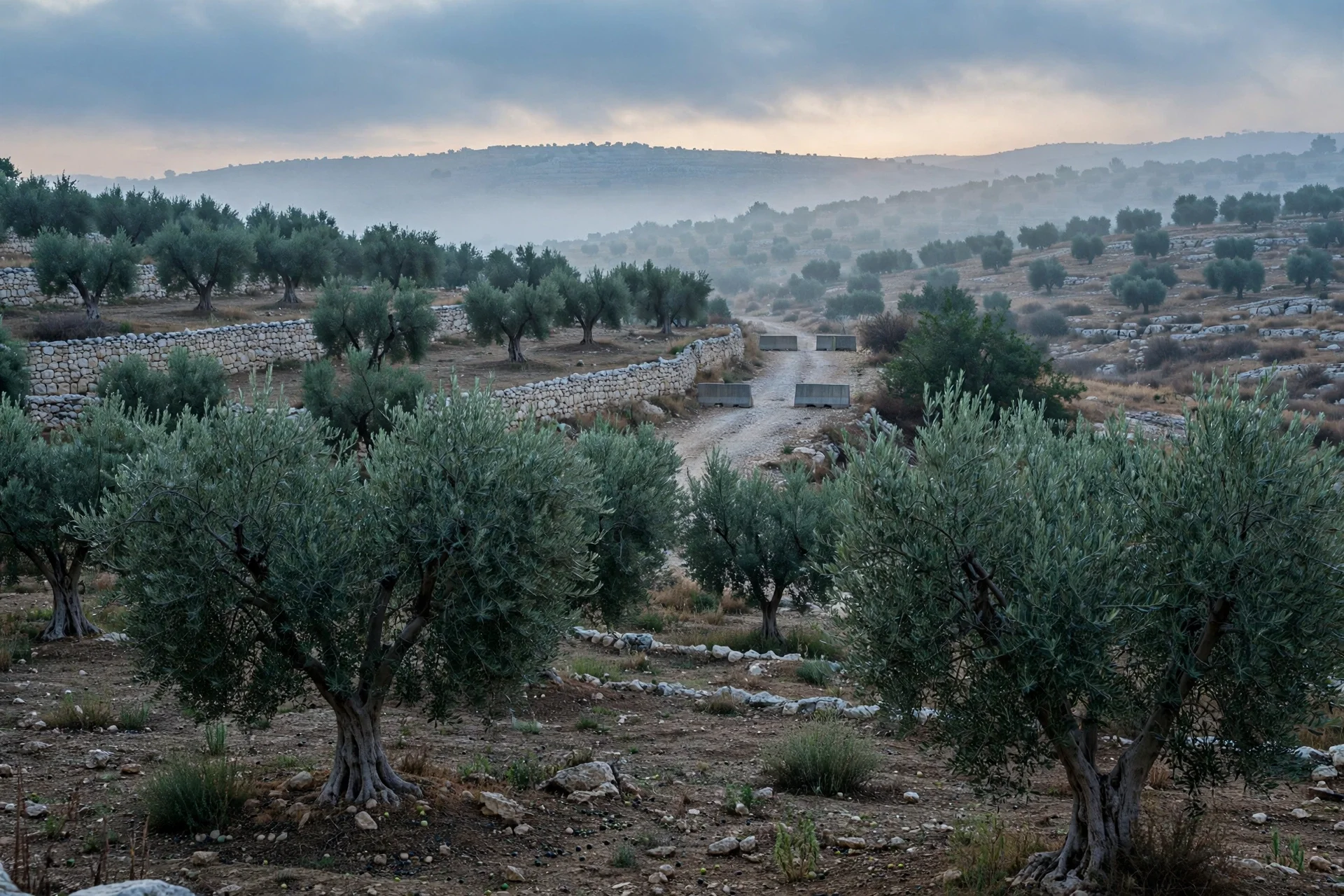
Hebron's entrances and exits were closed and the Ibrahimi Mosque was shut, preventing Friday prayers. The closure comes at the height of the olive harvest, when restrictions already prevent thousands of farmers from reaching their olives, with devastating effects for the season.
--- The positions ---
António Guterres, through his spokesperson Stéphane Dujarric, expressed deep concern over the closures, demolitions and possible displacement. He condemned the violence of record numbers of settler attacks against Palestinians in 2026 and recalled Israel's obligation, as the occupying power, to protect the Palestinian population.
Mayy El Sheikh, spokesperson for the UN human rights office in the territory, described the lockdown as a pattern of collective punishment following Palestinian violence against settlers or soldiers. In her assessment, these measures make life more and more unbearable.
--- What remains unknown ---
The scope of the announced raids and demolitions is unknown, as is how long the sealing will last. It is also unclear whether the wider assault will materialize or what effects the closure will have on basic services and the harvest.
--- Unanswered questions ---
How long will Hebron remain closed and when will farmers reach their olive groves? Will the demolitions displace Palestinian families? Will settler attacks be stopped and the Palestinian population protected?
--- EPM analysis ---
Hebron condenses a repeated dynamic: a deadly attack, a sweeping closure and a cost borne by the whole population. The office documented more than 160 settler attacks in the first two weeks of October, involving live ammunition, arson and crop theft. European diplomats were also targeted, and a photojournalist was badly assaulted near Ramallah.
📌 EPM Take:
In EPM's view, the response to the Hebron attack must also be judged by its effects on people who took no part in the violence. Sealing a city, closing its mosque and blocking the harvest punishes thousands and feeds the cycle it claims to fight. As the occupying power, Israel must protect the Palestinian population. Without restraint and accountability, each closure deepens the crisis. The restraint and halt to violence that Guterres calls for remain the only verifiable way out today.
--- The context ---
The killing of two Israeli soldiers in an attack near Hebron has put security back at the center of the crisis in the occupied West Bank. Israel responded by sealing off the city, the fourth time in a month it has imposed restrictions across the territory. The United Nations said it was extremely alarmed by the escalation.
The closure coincides with the olive harvest, a key season for thousands of Palestinian farmers. Concern also extends to Gaza, where civilian deaths, including children, continue alongside restrictions on aid ahead of winter.
--- The facts ---
Gunmen opened fire near a military checkpoint outside Hebron. Two Israeli soldiers were killed and at least five were injured. The two Palestinian attackers were also killed. Prime Minister Benjamin Netanyahu ordered Hebron sealed, pledged house-to-house raids and home demolitions, and reportedly threatened a wider assault on a larger scale.
The city's entrances and exits were closed and the Ibrahimi Mosque was shut on a Friday, the day of prayer. The closure comes when restrictions already make it difficult for thousands of farmers to reach their olive groves, a direct blow to seasonal income.
--- The positions ---
António Guterres, through his spokesperson Stéphane Dujarric, expressed deep concern over the closures, reports of demolitions and possible displacement. He condemned the violence of record numbers of settler attacks against Palestinians in 2026 and recalled Israel's obligation, as the occupying power, to protect the Palestinian population.
Mayy El Sheikh, spokesperson for the UN human rights office in the territory, said the lockdown follows a pattern of collective punishment after Palestinian acts of violence. In her assessment, these measures make life more and more unbearable.
--- What remains unknown ---
The duration of the sealing is unknown, as is the scope of the announced raids and demolitions. It is also unknown whether the wider assault will be carried out or what measures will prevent new attacks on soldiers, settlers and civilians.
--- Unanswered questions ---
Can Israel prevent new attacks without a prolonged closure over Hebron? How long will the sealing last and how will basic services be guaranteed meanwhile? Will there be accountability for the more than 160 settler attacks documented in October?
--- EPM analysis ---
The human rights office documented more than 160 settler attacks in the first two weeks of October, involving live ammunition, arson, crop theft and damage to olive groves. European diplomats were also targeted, and a photojournalist was badly assaulted near Ramallah. The security problem runs both ways: deadly attacks on soldiers and record levels of settler violence.
📌 EPM Take:
In EPM's view, no state can remain passive after an attack that kills two of its soldiers, and a security response was foreseeable. But to be effective it must be precise and sustainable: a prolonged closure that paralyzes a city and its harvest may generate more instability than it prevents. Restraint should apply to all parties, including settler violence. Protecting soldiers and civilians at the same time is the real test of any lasting security strategy in the territory.
La ONU alerta por el cierre de Hebrón tras un ataque mortal
La ONU se declaró extremadamente alarmada por la violencia en Cisjordania tras un ataque en Hebrón que dejó dos soldados israelíes muertos y al menos cinco…
Israel sella Hebrón tras la muerte de dos soldados en un ataque
Israel selló Hebrón tras un ataque en el que murieron dos soldados israelíes, al menos cinco resultaron heridos y los dos atacantes palestinos también…
--- El contexto ---
La Cisjordania ocupada vive una nueva escalada que preocupa de forma extrema a la Organización de las Naciones Unidas. La alerta siguió a un ataque mortal contra soldados israelíes cerca de Hebrón y a la respuesta de Israel, que ordenó sellar la ciudad. Es la cuarta vez en un mes que Israel impone restricciones en el territorio.
La preocupación crece porque las medidas afectan la vida diaria palestina, el movimiento, el acceso a servicios básicos y los medios de vida. También persiste la violencia en Gaza, con muertes de civiles, incluidos niños, y restricciones a la ayuda antes del invierno.
--- Los hechos ---
En el ataque, cerca de un puesto militar en las afueras de Hebrón, murieron dos soldados israelíes y al menos cinco resultaron heridos. Los dos atacantes palestinos también murieron. El primer ministro Benjamin Netanyahu ordenó sellar Hebrón, anunció redadas casa por casa y demoliciones, y según los informes amenazó con una ofensiva de mayor escala.
Las entradas y salidas de Hebrón quedaron cerradas y la mezquita Ibrahimi fue clausurada, lo que impidió la oración del viernes. El cierre llega en plena cosecha de la aceituna, cuando las restricciones ya impiden a miles de agricultores llegar a sus olivares, con efectos devastadores para la temporada.
--- Las posiciones ---
António Guterres, a través de su portavoz Stéphane Dujarric, expresó profunda preocupación por los cierres, las demoliciones y el posible desplazamiento. Condenó la violencia de cifras récord de ataques de colonos contra palestinos en 2026 y recordó la obligación de Israel, como potencia ocupante, de proteger a la población palestina.
Mayy El Sheikh, portavoz de la oficina de derechos humanos de la ONU en el territorio, describió el cierre como un patrón de castigo colectivo tras la violencia palestina contra colonos o soldados. Según su valoración, estas medidas hacen la vida cada vez más insoportable.
--- Lo que falta saber ---
No se conoce el alcance de las redadas ni de las demoliciones anunciadas, ni cuánto durará el sellado. Tampoco está claro si la ofensiva mayor se concretará ni qué efectos tendrá el cierre sobre los servicios básicos y la cosecha.
--- Preguntas sin respuesta ---
¿Cuánto durará el cierre de Hebrón y cuándo podrán los agricultores llegar a sus olivares? ¿Las demoliciones provocarán desplazamientos de familias palestinas? ¿Se frenarán los ataques de colonos y se protegerá a la población palestina?
--- Análisis EPM ---
Hebrón condensa una dinámica repetida: un ataque mortal, un cierre generalizado y un costo para toda la población. La oficina documentó más de 160 ataques de colonos en las dos primeras semanas de octubre, con munición real, incendios y robo de cosechas. También fueron atacados diplomáticos europeos y un fotoperiodista fue agredido cerca de Ramala.
📌 Conclusion EPM:
A juicio de EPM, la respuesta al ataque de Hebrón debe juzgarse también por sus efectos sobre quienes no participaron en la violencia. Sellar una ciudad, cerrar su mezquita y bloquear la cosecha castiga a miles de personas y alimenta el ciclo que se dice combatir. Como potencia ocupante, Israel debe proteger a la población palestina. Sin contención ni rendición de cuentas, cada cierre profundiza la crisis. La contención y el cese de la violencia que pide Guterres son hoy la única salida verificable.
--- El contexto ---
La muerte de dos soldados israelíes en un ataque cerca de Hebrón volvió a poner la seguridad en el centro de la crisis en Cisjordania ocupada. Israel respondió sellando la ciudad, en la cuarta vez en un mes que impone restricciones en el territorio. La Organización de las Naciones Unidas se declaró extremadamente alarmada por la escalada.
El cierre coincide con la cosecha de la aceituna, temporada clave para miles de agricultores palestinos. La preocupación abarca también Gaza, donde continúan las muertes de civiles, incluidos niños, y las restricciones a la ayuda antes del invierno.
--- Los hechos ---
Hombres armados abrieron fuego cerca de un puesto militar en las afueras de Hebrón. Dos soldados israelíes murieron y al menos cinco resultaron heridos. Los dos atacantes palestinos también murieron. El primer ministro Benjamin Netanyahu ordenó sellar Hebrón, anunció redadas casa por casa y demoliciones, y según los informes amenazó con una ofensiva de mayor escala.
Las entradas y salidas de la ciudad quedaron cerradas y la mezquita Ibrahimi fue clausurada en viernes, día de oración. El cierre llega cuando las restricciones ya dificultan que miles de agricultores lleguen a sus olivares, un golpe directo a los ingresos de la temporada.
--- Las posiciones ---
António Guterres, a través de su portavoz Stéphane Dujarric, expresó profunda preocupación por los cierres, los informes de demoliciones y el posible desplazamiento. Condenó la violencia de cifras récord de ataques de colonos contra palestinos en 2026 y recordó la obligación de Israel, como potencia ocupante, de proteger a la población palestina.
Mayy El Sheikh, portavoz de la oficina de derechos humanos de la ONU en el territorio, sostuvo que el cierre sigue un patrón de castigo colectivo tras actos de violencia palestinos. A su juicio, estas medidas hacen la vida cada vez más insoportable.
--- Lo que falta saber ---
No se conoce la duración del sellado ni el alcance de las redadas y demoliciones anunciadas. Tampoco se sabe si la ofensiva mayor se llevará a cabo ni qué medidas evitarán nuevos ataques contra soldados, colonos y civiles.
--- Preguntas sin respuesta ---
¿Podrá Israel impedir nuevos ataques sin un cierre prolongado sobre Hebrón? ¿Cuánto durará el sellado y cómo se garantizarán los servicios básicos mientras tanto? ¿Habrá rendición de cuentas por los más de 160 ataques de colonos documentados en octubre?
--- Análisis EPM ---
La oficina de derechos humanos documentó más de 160 ataques de colonos en las dos primeras semanas de octubre, con munición real, incendios, robo de cosechas y daños a olivares. También fueron atacados diplomáticos europeos y un fotoperiodista fue agredido cerca de Ramala. El problema de seguridad es doble: ataques mortales contra soldados y una violencia de colonos en cifras récord.
📌 Conclusion EPM:
A juicio de EPM, ningún Estado puede permanecer inmóvil tras un ataque que mata a dos de sus soldados, y la respuesta de seguridad era previsible. Pero para ser eficaz debe ser precisa y sostenible: un cierre prolongado que paraliza una ciudad y su cosecha puede generar más inestabilidad de la que evita. La contención debe valer para todas las partes, incluida la violencia de los colonos. Proteger a los soldados y a los civiles a la vez es la prueba real de cualquier estrategia de seguridad duradera.