Sports tourism: Dominican Republic bets beyond sun and beach
The Dominican Republic is promoting sports tourism to diversify an offer long built on beaches.
Dominican Republic tests sports tourism as an investment strategy
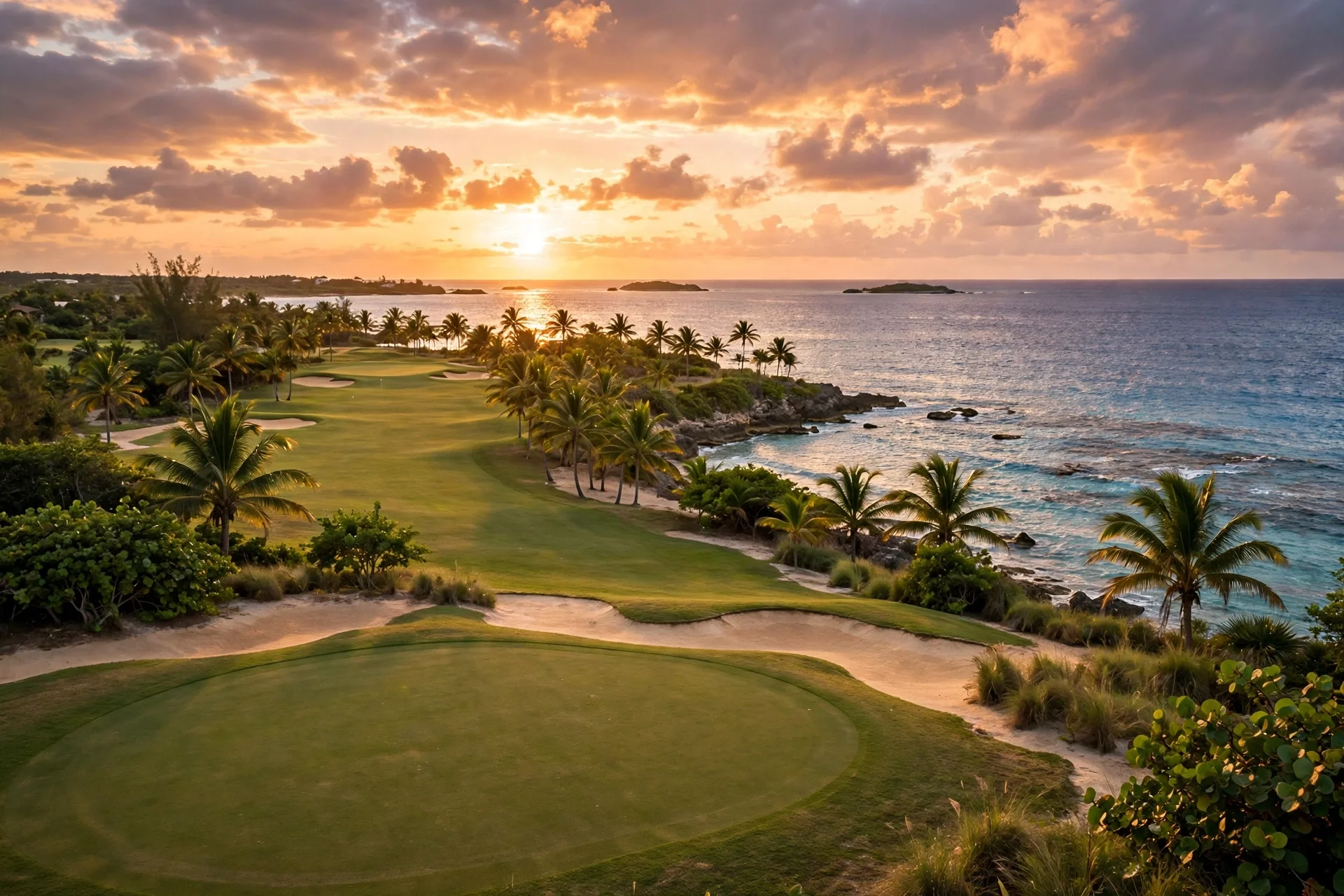
The PGA Tour Americas final in Playa Nueva Romana showcased Dominican capacity to host international events.
--- The context ---
The Dominican Republic has spent decades consolidating its position as one of the most attractive tourist destinations in the Caribbean, thanks to its beaches, privileged climate, hospitality and hotel infrastructure. In an increasingly competitive international market, the analysis argues that the real challenge is to diversify the offer, generate new investment opportunities and turn the country's natural advantages into sustainable engines of economic growth. In that setting, sports tourism emerges, according to the assessment collected, as one of the most promising strategic bets for the industry's future, gaining prominence under Tourism Minister David Collado and his push to move beyond the traditional model.
--- The facts ---
The most recent example was the PGA Tour Americas season final, held from October 15 to 18 at PGA Ocean's 4, in Playa Nueva Romana, with backing from Scotiabank. The championship ended with victory for Canadian Joey Savoie and brought together 59 high-level golfers, once again turning the country into a stage for international golf. The broader sector context is favorable: according to the official figures cited, the country received more than 8.5 million visitors between January and August 2026. That total reflects the dynamism of Dominican tourism as a whole, although it does not correspond exclusively to the sports segment.
The scale of the global market helps explain the bet. Sports tourism represents approximately 10 % of world tourism spending, according to UN Tourism estimates collected in sector analysis. In the Dominican case, 43,982 arrivals of non-resident visitors motivated by sports activities were recorded during 2025, a figure that points, according to the analysis, to a specialized market with room to expand. The institutional starting point came in 2024, when, during Fitur, the Ministry of Tourism presented a national strategy aimed at strengthening sports tourism and announced the creation of a public-private commission to promote this segment across the country.
--- The positions ---
The analysis maintains that staging international competitions activates a value chain involving hotels, restaurants, airlines, transport, tour operators, sponsors and small commercial establishments, because athletes travel with coaches, relatives, representatives and technical teams, joined by organizers and fans. It also highlights a benefit that does not always show up immediately in statistics: the international exposure generated by broadcasts, photographs and publications linked to each competition before potential visitors and investors. From the business perspective collected, the backing of the Ministry of Tourism and the participation of companies such as Grupo Piñero and Scotiabank show the importance of cooperation between the public sector and private initiative.
--- What remains unknown ---
There are still no specific studies that would allow a concrete economic impact to be attributed to the Playa Nueva Romana final, and the assessment collected itself warns that attributing a million-dollar impact without that evidence would not be responsible. It is also not yet known how indicators such as international visitor arrivals, lodging nights, tourism spending, jobs generated and promotional return will be measured publicly for each event. Nor is it clear what share of the benefits will reach communities and small businesses outside the traditional destinations, or how opportunities will be distributed among regions with different sporting offers and capacities.
--- Unanswered questions ---
What public indicators will show whether the PGA Tour Americas final attracted new visitors and investment to the Dominican Republic? How will small and medium-sized businesses in Santo Domingo, Punta Cana, Puerto Plata, Samana and La Romana take part in the value chain of future events? Will the bet extend beyond golf toward baseball, basketball, football, athletics, tennis and water sports? Will a long-term policy guarantee continuity for the initiatives that demonstrate positive results, regardless of government periods?
--- EPM analysis ---
The accumulated experience with the Corales Puntacana Championship and the PGA Tour Americas final demonstrates, according to the analysis, that the country has the sports infrastructure, air connectivity, hotel capacity and business allies needed to meet the demands of international events. The strategy presented at Fitur 2024 has also helped project disciplines such as golf, tennis, triathlon and water sports, using existing facilities and organizational capacities. The next step proposed in the assessment collected is to coordinate the Ministry of Tourism, sports federations, local governments, businesses and communities around common objectives, with transparent mechanisms to evaluate the results of each competition held in the country.
📌 EPM Take: In EPM's view, the sports tourism bet is right to seek growth that is not concentrated in the traditional sun-and-beach model, but its worth will be judged by how widely its benefits are actually shared. The 43,982 sports arrivals of 2025 and a final featuring 59 golfers show an existing market, not a finished result. Without public measurement, community participation and real integration of small businesses, international exposure risks benefiting only already consolidated enclaves. With those corrections, by contrast, each competition can become employment and income spread across more regions of the country.
--- The context ---
The Dominican Republic starts from a consolidated position as one of the most attractive tourist destinations in the Caribbean, thanks to its beaches, privileged climate, hospitality and hotel infrastructure. The analysis argues that, in an increasingly competitive international market, diversifying the offer is an economic necessity: generating new investment opportunities and turning natural advantages into sustainable engines of growth. Within that framework, sports tourism stands out as a strategic bet under Tourism Minister David Collado, aimed at energizing local economies, strengthening public-private alliances and projecting the country as a host of major international sporting events capable of competing for a demanding calendar.
--- The facts ---
The most recent test was the PGA Tour Americas season final, played from October 15 to 18 at PGA Ocean's 4, in Playa Nueva Romana, with backing from Scotiabank. Victory went to Canadian Joey Savoie and the tournament brought together 59 high-level golfers seeking to advance toward higher levels of professional golf. The sector backdrop is favorable: according to the official figures cited, the country received more than 8.5 million visitors between January and August 2026. That figure reflects the dynamism of Dominican tourism overall, although it does not correspond exclusively to the sports segment and should not be read as a direct effect of this strategy alone.
The size of the market justifies exploring this segment without overstating it. Sports tourism represents approximately 10 % of world tourism spending, according to UN Tourism estimates collected in sector analysis. During 2025, the Dominican Republic recorded 43,982 arrivals of non-resident visitors motivated by sports activities, a specialized market with possibilities for expansion. The institutional origin of the bet is dated: in 2024, during Fitur, the Ministry of Tourism presented a national strategy to strengthen sports tourism and announced the creation of a public-private commission to promote it, with golf projected alongside tennis, triathlon and water sports as part of a broader and more varied national offer.
--- The positions ---
The assessment collected treats sports tourism as a strategic investment in economic development, not simply spending associated with organizing events, because each competition activates hotels, restaurants, airlines, transport, operators, sponsors and small businesses, and because international exposure displays the country's strengths before visitors and investors. The same assessment sets the limit clearly: that investment must come with mechanisms to measure results through concrete indicators, such as international arrivals, lodging nights, tourism spending, jobs generated and promotional return. The backing of the Ministry of Tourism and the participation of Grupo Piñero and Scotiabank show, in that reading, the public-private cooperation an event of this category requires.
--- What remains unknown ---
There are still no specific studies that would allow a million-dollar economic impact to be attributed to the Playa Nueva Romana final, and the source of the assessment warns that doing so without that evidence would not be responsible. Its real value will have to be measured by its immediate results and by its future capacity to attract new competitions, visitors and investments. It also remains undefined how this line will be consolidated into a long-term policy able to outlast government periods and keep only initiatives that demonstrate positive results, and what investment in infrastructure and staff training will accompany the events calendar in the coming years across the country.
--- Unanswered questions ---
When will specific studies of the economic impact of the PGA Tour Americas final in Playa Nueva Romana be published for public scrutiny? What concrete targets for tourism spending, occupancy and employment will the public-private commission announced at Fitur 2024 set for itself? How will decision-makers choose which disciplines and regions receive support beyond already consolidated golf? What transparent evaluation mechanisms will ensure that only sporting initiatives demonstrating a verifiable return for the country are maintained and expanded over time?
--- EPM analysis ---
The championship promoted Playa Nueva Romana as a destination combining sports facilities, lodging, nature and quality experiences, and it generated, according to the analysis, a favorable setting to strengthen commercial relations and showcase the tourism and real estate potential of the area. Prior experience with the Corales Puntacana Championship reinforces that organizational capacity. The analysis also argues that limiting development to a single discipline would waste much of the available potential: baseball, basketball, football, athletics, tennis, water sports and endurance competitions offer opportunities to attract visitors and energize different regions, provided each project follows verifiable planning and disciplined execution from the outset.
📌 EPM Take: In EPM's view, turning sport into a tourism engine is a sound diversification decision, as long as it is managed with the discipline of an investment rather than the rhetoric of a trophy. The final brought together 59 golfers and the country welcomed more than 8.5 million visitors in eight months, but neither figure replaces an impact study that does not yet exist. David Collado's strategy will gain credibility when it publishes indicators, compares costs and benefits and sustains only what works. Competing for the international calendar demands exactly that: measurable results and continuity beyond a single government.
Turismo deportivo: la apuesta dominicana para diversificar visitantes e inversión
República Dominicana impulsa el turismo deportivo para diversificar su oferta más allá de la playa.
República Dominicana busca en el deporte un turismo más allá de la playa
La final del PGA Tour Américas en Playa Nueva Romana exhibió la capacidad dominicana para acoger eventos internacionales.
--- El contexto ---
República Dominicana ha consolidado durante décadas su posición como uno de los destinos turísticos más atractivos del Caribe, gracias a sus playas, su clima, su hospitalidad y su infraestructura hotelera. En un mercado internacional cada vez más competitivo, el análisis sostiene que el desafío consiste en diversificar la oferta, generar nuevas oportunidades de inversión y transformar las ventajas naturales del país en motores sostenibles de crecimiento económico. En ese escenario, el turismo deportivo se perfila, según la valoración recogida, como una de las apuestas estratégicas más prometedoras para el futuro de la industria, con mayor protagonismo bajo la gestión del ministro de Turismo, David Collado.
--- Los hechos ---
Un ejemplo reciente fue la gran final del PGA Tour Américas, realizada del 15 al 18 de octubre en PGA Ocean's 4, Playa Nueva Romana, con el respaldo de Scotiabank. El campeonato culminó con la victoria del canadiense Joey Savoie y reunió a 59 golfistas de alto nivel, en un torneo que volvió a colocar al país como escenario del golf internacional. El contexto general también acompaña: de acuerdo con las cifras oficiales citadas, entre enero y agosto de 2026 el país recibió más de 8,5 millones de visitantes, una cantidad que refleja el dinamismo del conjunto del turismo dominicano, aunque no corresponde exclusivamente al segmento deportivo.
La dimensión del mercado ayuda a entender la apuesta. El turismo deportivo representa aproximadamente el 10 % del gasto turístico mundial, de acuerdo con estimaciones de ONU Turismo recogidas en análisis del sector. En el caso dominicano, durante 2025 se registraron 43,982 llegadas de visitantes no residentes motivadas por actividades deportivas, una cifra que muestra, según el análisis, la existencia de un mercado especializado con posibilidades de expansión. En 2024, durante Fitur, el Ministerio de Turismo presentó una estrategia nacional orientada al fortalecimiento del turismo deportivo y anunció la creación de una comisión público-privada para impulsar esta modalidad.
--- Las posiciones ---
El análisis defiende que organizar competencias internacionales activa una cadena que involucra hoteles, restaurantes, aerolíneas, transporte, operadores turísticos, patrocinadores y pequeños establecimientos comerciales, porque atletas, entrenadores, familiares, equipos técnicos, organizadores y aficionados consumen servicios en el destino. También subraya un beneficio menos inmediato: la exposición internacional que generan transmisiones, fotografías y publicaciones sobre cada competencia ante potenciales visitantes e inversionistas. Desde la óptica empresarial recogida, el respaldo del Ministerio de Turismo y la participación de empresas como Grupo Piñero y Scotiabank evidencian la importancia de la cooperación entre el sector público y la iniciativa privada para sostener eventos de esta categoría.
--- Lo que falta saber ---
Todavía no hay estudios específicos que permitan atribuir a la final de Playa Nueva Romana un impacto económico concreto, y la propia valoración recogida advierte que no sería responsable atribuirle un impacto millonario sin disponer de esa evidencia. Tampoco se conoce aún cómo se medirán de forma pública indicadores como la llegada de visitantes internacionales, las noches de alojamiento, el gasto turístico, los empleos generados y el retorno promocional de cada evento. Falta saber, además, qué parte de los beneficios llegará a comunidades y pequeñas empresas fuera de los destinos tradicionales y cómo se repartirá entre regiones con ofertas deportivas distintas.
--- Preguntas sin respuesta ---
¿Qué indicadores públicos permitirán comprobar si la final del PGA Tour Américas atrajo visitantes e inversiones nuevas? ¿Cómo participarán las pequeñas y medianas empresas de Santo Domingo, Punta Cana, Puerto Plata, Samaná y La Romana en la cadena de valor de los próximos eventos? ¿Se extenderá la apuesta más allá del golf hacia el béisbol, el baloncesto, el fútbol, el atletismo, el tenis y los deportes acuáticos? ¿Habrá una política de largo plazo que garantice continuidad a las iniciativas que demuestren resultados positivos?
--- Análisis EPM ---
La experiencia acumulada con el Corales Puntacana Championship y con la final del PGA Tour Américas demuestra, según el análisis, que el país cuenta con infraestructura deportiva, conectividad aérea, capacidad hotelera y aliados empresariales para responder a las exigencias de eventos internacionales. La estrategia presentada en Fitur 2024 ha contribuido a proyectar disciplinas como el golf, el tenis, el triatlón y los deportes acuáticos, aprovechando instalaciones y capacidades organizativas existentes. El paso siguiente que plantea la valoración recogida es integrar a federaciones deportivas, ayuntamientos, empresariado y comunidades en una coordinación con objetivos comunes y mecanismos transparentes para evaluar los resultados de cada competencia celebrada en el país.
📌 Conclusion EPM: A juicio de EPM, la apuesta por el turismo deportivo acierta al buscar que el crecimiento no quede concentrado en el modelo tradicional de sol y playa, pero su valor se juzgará por la distribución real de los beneficios. Las 43,982 llegadas deportivas de 2025 y la final con 59 golfistas muestran un mercado existente, no un resultado cerrado. Sin medición pública, participación comunitaria e integración efectiva de las pequeñas empresas, la vitrina internacional corre el riesgo de beneficiar solo a los enclaves ya consolidados. Con esos correctivos, en cambio, cada competencia puede convertirse en empleo e ingreso repartidos en más regiones del país.
--- El contexto ---
República Dominicana parte de una posición consolidada como uno de los destinos turísticos más atractivos del Caribe, gracias a sus playas, su clima, su hospitalidad y su infraestructura hotelera. El análisis sostiene que, en un mercado internacional cada vez más competitivo, diversificar la oferta es una necesidad económica: generar nuevas oportunidades de inversión y transformar las ventajas naturales del país en motores sostenibles de crecimiento. En ese marco, el turismo deportivo se perfila como una apuesta estratégica bajo la gestión del ministro de Turismo, David Collado, orientada a dinamizar economías locales y fortalecer alianzas público-privadas.
--- Los hechos ---
La prueba más reciente fue la gran final del PGA Tour Américas, disputada del 15 al 18 de octubre en PGA Ocean's 4, Playa Nueva Romana, con el respaldo de Scotiabank. La victoria correspondió al canadiense Joey Savoie y el torneo reunió a 59 golfistas de alto nivel que buscan avanzar hacia niveles superiores del golf profesional. El entorno sectorial es favorable: según las cifras oficiales citadas, entre enero y agosto de 2026 el país recibió más de 8,5 millones de visitantes. Esa cifra refleja el dinamismo del turismo dominicano en su conjunto, aunque no corresponde exclusivamente al segmento deportivo y no debe leerse como efecto directo de esta estrategia.
El tamaño del mercado respalda la exploración de este segmento sin exagerarlo. El turismo deportivo representa aproximadamente el 10 % del gasto turístico mundial, de acuerdo con estimaciones de ONU Turismo recogidas en análisis del sector. Durante 2025, República Dominicana registró 43,982 llegadas de visitantes no residentes motivadas por actividades deportivas, un mercado especializado con posibilidades de expansión. El origen institucional de la apuesta está fechado: en 2024, durante Fitur, el Ministerio de Turismo presentó una estrategia nacional para fortalecer el turismo deportivo y anunció la creación de una comisión público-privada para impulsar esta modalidad, con el golf entre las disciplinas proyectadas junto al tenis, el triatlón y los deportes acuáticos.
--- Las posiciones ---
La valoración recogida considera el turismo deportivo una inversión estratégica de desarrollo económico y no simplemente un gasto asociado a organizar eventos, porque cada competencia activa hoteles, restaurantes, aerolíneas, transporte, operadores, patrocinadores y pequeños comercios, y porque la exposición internacional muestra las fortalezas del país ante visitantes e inversionistas. La misma valoración pone el límite con claridad: esa inversión debe acompañarse de mecanismos para medir resultados con indicadores concretos, como llegadas internacionales, noches de alojamiento, gasto turístico, empleos generados y retorno promocional. El respaldo del Ministerio de Turismo y la participación de Grupo Piñero y Scotiabank muestran, en esa lectura, la cooperación público-privada que exige un evento de esta categoría.
--- Lo que falta saber ---
No existen todavía estudios específicos que permitan atribuir a la final de Playa Nueva Romana un impacto económico millonario, y la propia fuente de la valoración advierte que hacerlo sin esa evidencia no sería responsable. Su valor real deberá medirse por los resultados inmediatos y por su capacidad futura para atraer nuevas competencias, visitantes e inversiones. Tampoco está definido aún cómo se consolidará esta línea en una política de largo plazo, capaz de trascender los períodos gubernamentales y mantener solo las iniciativas que demuestren resultados positivos, ni qué inversión en infraestructura y formación de personal acompañará el calendario de eventos en los próximos años.
--- Preguntas sin respuesta ---
¿Cuándo se publicarán estudios específicos sobre el impacto económico de la final del PGA Tour Américas en Playa Nueva Romana? ¿Qué metas concretas de gasto turístico, ocupación y empleo se fijará la comisión público-privada anunciada en Fitur 2024? ¿Cómo se decidirá qué disciplinas y regiones reciben apoyo más allá del golf? ¿Qué mecanismos transparentes de evaluación permitirán mantener únicamente las iniciativas deportivas que demuestren un retorno comprobable para el país?
--- Análisis EPM ---
El campeonato permitió promover Playa Nueva Romana como un destino que combina instalaciones deportivas, alojamiento, naturaleza y experiencias de calidad, y generó, según el análisis, un escenario favorable para fortalecer relaciones comerciales y dar visibilidad al potencial turístico e inmobiliario de la zona. La experiencia previa del Corales Puntacana Championship refuerza esa capacidad organizativa. El análisis sostiene, además, que limitar el desarrollo a una sola disciplina desperdiciaría gran parte del potencial disponible: el béisbol, el baloncesto, el fútbol, el atletismo, el tenis, los deportes acuáticos y las competencias de resistencia ofrecen oportunidades para atraer visitantes y dinamizar diferentes regiones, siempre que cada proyecto responda a una planificación verificable y medible.
📌 Conclusion EPM: A juicio de EPM, convertir el deporte en motor turístico es una decisión acertada de diversificación, siempre que se administre con la disciplina de una inversión y no con la retórica de un trofeo. La final reunió a 59 golfistas y el país sumó más de 8,5 millones de visitantes en ocho meses, pero ninguno de esos datos sustituye a un estudio de impacto que hoy no existe. La estrategia de David Collado ganará credibilidad cuando publique indicadores, compare costos y beneficios y sostenga solo lo que funcione. Competir por el calendario internacional exige exactamente eso: resultados medibles y continuidad más allá de un gobierno.