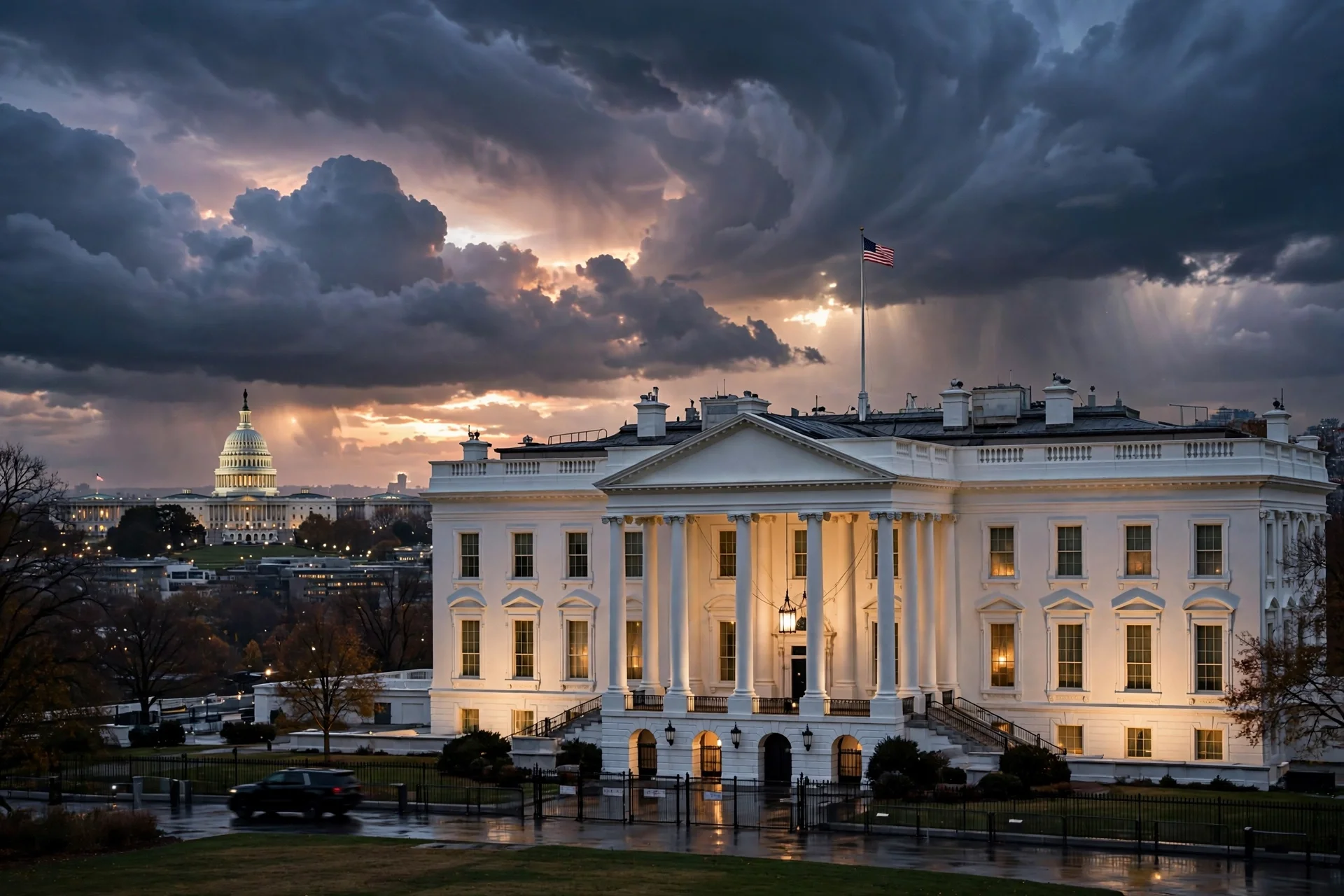
Ilustración alusiva a la tensión entre el poder ejecutivo y el Congreso en Estados Unidos. · Imagen generada por EPM
White House maps governing without Congress if Democrats win
The White House has spent months preparing executive actions on immigration, tariffs, housing and federal spending to keep governing if Democrats take…
Trump readies veto and executive power for a new Congress
Since April, the president's team has been cataloguing executive actions on immigration, tariffs, housing and spending to protect his agenda if Congress…
--- The context ---
For months, the White House has been preparing for an outcome it publicly refuses to entertain: a Democratic takeover of Congress after the midterm elections. That quiet work already shapes the political landscape of 2027, settling in advance how the administration would keep governing if power on Capitol Hill changes hands.
At the heart of the planning sits a paradox. Winning Congress would hand Democrats tools to investigate the administration, block legislation and constrain spending. Yet the president would retain broad executive authority over trade, foreign policy and the federal bureaucracy, authority he has already used aggressively since returning to office in January 2025, without new laws from Congress.
--- The facts ---
According to a White House official and two people familiar with the plans, who spoke on the condition of anonymity, senior officials including deputy chief of staff Stephen Miller and budget director Russell Vought have worked since April with the White House Counsel's Office to identify executive actions on immigration, tariffs, housing costs and federal spending that the president could pursue without congressional approval. Counsel Will Scharf and his team are also examining what the president can legally do on his own, where he could push the limits of his authority and how to defend those decisions in court.
The actions under consideration include tariffs on critical minerals and wind turbines, tighter visa rules for international students and temporary workers, and measures to lower housing and construction costs. Federal agencies have submitted proposals and legal reviews, and Vought is examining which priorities can move forward with money already appropriated by Congress, alongside changes to federal grant rules that would give political appointees more say over which programs receive taxpayer money, expanding White House influence over spending without fresh approval from lawmakers.
The president has been briefed on the preparations and has taken part in the discussions, and one of the people said he would be very comfortable governing through executive authority under a Democratic Congress. In a podcast interview, he said he would become the veto figure during an initial period, before reaching compromises with Democrats. Democrats need a net gain of four seats in the House of Representatives and in the Senate to overturn the narrow Republican majorities of 218-214 and 53-47; polls favor Democrats in the House, while the Senate remains too close to call.
--- The positions ---
The White House pushed back on the prospect of Republican losses and accused the media of promoting a false narrative, with spokeswoman Lauren Bis saying the administration and commonsense Republicans would keep securing the borders, restoring law and order, putting more money back into workers' pockets and delivering wins for the American people. That public confidence coexists with detailed private preparation for the opposite result.
Nonpartisan election analyst Nathan Gonzales said the president has basically ignored Congress over the last two years and tried to do as much as possible through executive orders, and that he would only continue that approach under Democratic majorities. Public policy professor Andrew Busch anticipated that Democrats would be very reluctant to approve the president's appointments, a decisive front because Senate control would let them block judicial and executive-branch nominees, including any Supreme Court pick, while also refusing to pass legislation the president backs.
--- What remains unknown ---
The exact legal reach of each proposed action remains undisclosed, as does the role of Justice Department opinions in shielding the measures in court. It is also unclear how much could advance on already appropriated funds, how far declared emergencies would carry the effort, and where courts would draw the line under a hostile Congress.
--- Unanswered questions ---
Which executive actions would be launched first if Democrats take Congress? How would the courts treat new tariffs, tighter visa rules and grant changes adopted without new legislation? Could Democrats ever assemble the two-thirds majorities in both chambers needed to override a presidential veto? Which investigations would Democratic committees open first, and what documents would they demand?
--- EPM analysis ---
The plan exposes a durable imbalance in the system: a president can move a great deal through executive power, but cannot decree his way out of congressional oversight. Vetoes shield him against unwanted laws and against attempts to terminate his declared emergencies, since overriding a veto requires two-thirds in both chambers, and executive authority gives him real room on trade, immigration and the federal bureaucracy. Hearings, subpoenas and document requests, however, cannot be sidestepped, which is why White House lawyers are already coaching appointees on handling inquiries and exploring an opinion that could let the president invoke executive privilege over communications with private advisers.
📌 EPM Take: In EPM's view, preparing to govern without Congress is also an admission that Democratic control would carry real consequences, beginning with investigations no executive order can switch off. The blueprint organizes executive power, yet it leaves the counterweight fully intact: hearings, subpoenas, blocked nominees and courts watching for overreach. Its strength will depend less on how many actions are announced than on how solid their legal footing proves to be and how well they withstand the sustained public scrutiny that a rival Capitol, determined to oversee every step, would bring throughout the coming years.
--- The context ---
Prudent governments plan for every electoral outcome, and this White House began that work months ago. While the president holds rallies to preserve Republican control of Congress, his team is sorting which parts of the agenda voted by the electorate can advance through executive power alone if Capitol Hill changes hands and the political landscape of 2027 looks very different.
That preparation builds on an established governing style. Since returning to office in January 2025, the president has used executive authority intensively on tariffs, immigration, the federal workforce and foreign policy without new laws. The major exception was the massive package of tax and spending cuts signed into law in July 2025, a legislative route that could close if Democrats win the majorities they seek.
--- The facts ---
According to a White House official and two people familiar with the plans, who spoke on the condition of anonymity, Stephen Miller and Russell Vought have worked since April with the Counsel's Office to identify executive actions on immigration, tariffs, housing costs and federal spending that require no congressional approval. Counsel Will Scharf and his team are reviewing what the president can legally do on his own, where he could push the limits of his authority and how to defend those decisions in court, with Justice Department legal opinions expected to support the effort.
The options under study include new tariffs on imports of critical minerals and wind turbines, tighter visa rules for international students and temporary foreign workers, and measures to lower housing and construction costs. Agencies have submitted proposals and legal reviews, and Vought is examining which priorities can proceed using money already appropriated, together with grant rule changes giving political appointees more say over which programs receive taxpayer money.
The president has been briefed and has joined the discussions, and one of the people said he would be very comfortable governing through executive authority under a Democratic Congress. In a podcast interview, he said he would become the veto figure during an initial period, before reaching compromises. The stakes are narrow: Democrats need a net gain of four seats in the House of Representatives and in the Senate to overturn Republican majorities of 218-214 and 53-47, with polls favoring Democrats for the House and the Senate too close to call.
--- The positions ---
The White House dismissed talk of Republican losses and accused the media of promoting a false narrative. Spokeswoman Lauren Bis said the administration and commonsense Republicans would continue to secure the borders, restore law and order and put more money back into workers' pockets. The internal planning does not contradict that message: protecting the continuity of an elected program is basic administrative diligence, not an admission of defeat.
Nonpartisan election analyst Nathan Gonzales observed that the president has basically ignored Congress in the last two years and tried to do as much as possible through executive orders and executive power, adding that he would only continue if there were Democratic majorities. Professor Andrew Busch anticipated that Democrats would be very reluctant to approve any of the president's appointments, foreshadowing Senate blockades of judicial and executive-branch nominees, including any Supreme Court pick, while previous reports indicate senior House Democrats have already discussed hearings, subpoenas and document requests aimed at the administration.
--- What remains unknown ---
The legal detail behind each measure and its calendar have not been published, and it remains to be seen which actions would survive a court challenge and which would lean on national emergencies already invoked. A Democratic Congress could vote to end those emergencies, but the president could veto such a move, and overriding him would require two-thirds majorities in both chambers.
--- Unanswered questions ---
Which measures would take effect first, and on what documented legal basis? Would the White House lead with tariffs, visa rules or housing costs in its opening round of actions? Would a Democratic Senate confirm any judicial or executive-branch nominee at all? After the veto phase the president described, would he seek selective deals or hold the line through the end of the term?
--- EPM analysis ---
From a governing standpoint, the logic is straightforward: separate what requires Congress from what the Constitution and existing laws already allow the Executive to do, and prepare the courtroom defense before the conflict arrives. The veto remains a sturdy shield because overriding it demands two-thirds in both chambers, and reviewing already appropriated funds and grant rules can shift real priorities without new statutes. The larger exposure is political and judicial rather than legislative: permanent investigations, stalled nominees and courts empowered to strike down any action that exceeds the president's legal authority.
📌 EPM Take: In EPM's view, mapping months in advance how to keep governing without Congress is administrative prudence rather than weakness, the mark of a government protecting its mandate instead of improvising after a defeat. Success will turn on legal discipline: every tariff, every visa rule and every grant change will need formal opinions and carefully drafted texts, because opponents will search the courts and the committees for what they cannot win with enough votes to override vetoes or to impose their own complete legislative agenda on an unwilling president during the battles ahead.
Casa Blanca prepara gobernar sin el Congreso si pierde
La Casa Blanca lleva meses preparando acciones ejecutivas en inmigración, aranceles, vivienda y gasto federal para seguir gobernando si los demócratas toman el…
Trump afina el veto y el poder ejecutivo ante las elecciones
El equipo del presidente ordena desde abril las acciones ejecutivas disponibles en inmigración, aranceles, vivienda y gasto para proteger su programa si el…
--- El contexto ---
La Casa Blanca lleva meses preparando un escenario que en público evita reconocer: que los demócratas tomen el Congreso tras las elecciones de mitad de mandato. Ese trabajo define desde ya el panorama político de 2027 y ordena por adelantado cómo seguir gobernando si cambia la correlación de fuerzas en el Capitolio.
El punto de partida es una paradoja que recorre todo el plan. Ganar el Congreso daría a los demócratas herramientas para investigar a la administración, frenar leyes y condicionar el gasto. Al mismo tiempo, el presidente conservaría una amplia autoridad ejecutiva sobre comercio, política exterior y la burocracia federal, que ya ha usado con intensidad desde su regreso al cargo en enero de 2025.
--- Los hechos ---
Según una fuente de la Casa Blanca y otras dos personas familiarizadas con los planes, que hablaron bajo condición de anonimato, el subjefe de gabinete Stephen Miller y el director de presupuesto Russell Vought trabajan desde abril con la Oficina del Consejero para identificar acciones ejecutivas en inmigración, aranceles, costos de vivienda y gasto federal sin aprobación del Congreso. El consejero Will Scharf y su equipo examinan qué puede hacer legalmente el presidente por su cuenta, hasta dónde podría forzar su autoridad y cómo defender esas decisiones ante los tribunales.
Entre las acciones en estudio figuran aranceles a minerales críticos y turbinas eólicas, reglas más estrictas de visas para estudiantes internacionales y trabajadores temporales, y medidas para bajar costos de vivienda y construcción. Las agencias federales ya presentaron propuestas y revisiones legales, y Vought revisa qué prioridades pueden avanzar con fondos ya apropiados por el Congreso, además de cambios en las reglas de subvenciones para dar más peso a los designados políticos.
El presidente ha sido informado de los preparativos y participó en las discusiones, y una de las personas consultadas señaló que se sentiría muy cómodo gobernando mediante la autoridad ejecutiva bajo un Congreso demócrata. En un pódcast, el presidente dijo que en ese escenario se convertiría en «el señor veto» durante un periodo inicial, antes de buscar acuerdos con los demócratas. Para revertir las ajustadas mayorías republicanas actuales, de 218-214 en la Cámara de Representantes y de 53-47 en el Senado, los demócratas necesitan una ganancia neta de cuatro escaños en la Cámara de Representantes y en el Senado; las encuestas favorecen a los demócratas en la Cámara, mientras el Senado sigue demasiado reñido para anticipar un ganador.
--- Las posiciones ---
La Casa Blanca rechazó la perspectiva de derrotas republicanas y acusó a los medios de promover una narrativa falsa, al prometer seguir asegurando las fronteras, restaurando el orden público y devolviendo más dinero a los trabajadores, según su portavoz Lauren Bis. Esa defensa pública convive con una preparación privada detallada para el escenario contrario.
Un analista electoral no partidista, Nathan Gonzales, sostuvo que el presidente básicamente ha ignorado al Congreso y ha hecho todo lo posible mediante órdenes ejecutivas, y anticipó que esa línea continuaría con mayorías demócratas. El profesor Andrew Busch anticipó que los demócratas serían muy reacios a aprobar nombramientos del presidente, y el control del Senado permitiría bloquear nominaciones judiciales y del Ejecutivo, incluida una vacante en la Corte Suprema.
--- Lo que falta saber ---
No se conoce el alcance jurídico exacto de cada medida ni qué opiniones legales pedirá la Casa Blanca al Departamento de Justicia para sostenerlas ante demandas. Tampoco está claro qué parte del plan dependería de fondos ya apropiados, de emergencias nacionales invocadas por el presidente o de cambios sujetos a revisión judicial.
--- Preguntas sin respuesta ---
¿Qué acciones ejecutivas concretas se activarían primero si los demócratas toman el Congreso? ¿Hasta dónde llegarían los tribunales al revisar aranceles, reglas de visas y cambios en subvenciones decididos sin nuevas leyes? ¿Lograrían los demócratas reunir los dos tercios necesarios en ambas cámaras para anular un veto presidencial? ¿Qué investigaciones abrirían primero las comisiones demócratas y con qué documentos y citaciones?
--- Análisis EPM ---
El plan revela una tensión institucional de fondo: el poder ejecutivo puede avanzar mucho sin el Congreso, pero no puede esquivar el control político del Capitolio. Los vetos protegen al presidente frente a leyes que rechaza y frente a intentos de cerrar sus emergencias declaradas, porque anular un veto exige dos tercios en ambas cámaras, y las órdenes ejecutivas le dan margen en comercio, migración y gestión federal. Sin embargo, las audiencias, las citaciones y los pedidos de documentos no se neutralizan con decretos, y por eso los abogados de la Casa Blanca ya instruyen a funcionarios y exploran invocar el privilegio ejecutivo para proteger comunicaciones con asesores privados.
📌 Conclusion EPM: A juicio de EPM, prepararse para gobernar sin el Congreso es también reconocer que el control demócrata tendría consecuencias reales, empezando por las investigaciones que ningún decreto puede apagar. El plan ordena el poder ejecutivo, pero deja intacto el contrapeso: audiencias, citaciones, nombramientos bloqueados y tribunales atentos a cada exceso de autoridad. La fortaleza del diseño dependerá menos de la cantidad de medidas anunciadas y más de su solidez legal y de su capacidad de resistir el escrutinio público sostenido que vendría con un Capitolio en manos rivales y decidido a fiscalizar cada paso del Ejecutivo durante los próximos años.
--- El contexto ---
La preparación anticipada es una obligación de cualquier gobierno serio, y la Casa Blanca la asumió con meses de antelación. Mientras el presidente recorre el país para preservar el control republicano del Congreso, su equipo ordena las herramientas legales para seguir cumpliendo el programa votado por los electores aunque el Capitolio cambie de manos y el panorama político de 2027 sea muy distinto.
Esa doble vía no es improvisación. Desde su regreso al cargo en enero de 2025, el presidente ha hecho un uso intenso de la autoridad ejecutiva en comercio, inmigración, política exterior y burocracia federal. La excepción mayor fue el amplio paquete de recortes de impuestos y de gasto convertido en ley en julio de 2025, una vía legislativa que podría cerrarse si los demócratas obtienen las mayorías.
--- Los hechos ---
De acuerdo con una fuente de la Casa Blanca y otras dos personas familiarizadas con los planes, que hablaron bajo condición de anonimato, Stephen Miller y Russell Vought trabajan desde abril con la Oficina del Consejero para identificar acciones ejecutivas en inmigración, aranceles, costos de vivienda y gasto federal sin aprobación del Congreso. El consejero Will Scharf y su equipo revisan qué puede hacer legalmente el presidente, hasta dónde podría llevar su autoridad y cómo defender esas decisiones en los tribunales.
El menú en estudio incluye aranceles a minerales críticos y turbinas eólicas, reglas de visas más estrictas para estudiantes internacionales y trabajadores temporales, y medidas para bajar costos de vivienda y construcción. Las agencias federales ya elevaron propuestas y revisiones legales, y Vought examina qué prioridades pueden financiarse con dinero ya apropiado, junto con cambios en las reglas de subvenciones para que los designados políticos tengan más voz sobre qué programas reciben fondos de los contribuyentes.
El presidente conoce los preparativos, participó en las discusiones y, según una persona consultada, se sentiría muy cómodo gobernando con autoridad ejecutiva bajo un Congreso demócrata. En un pódcast declaró que se convertiría en «el señor veto» durante un periodo inicial, antes de alcanzar acuerdos con los demócratas. El margen en juego es estrecho: los demócratas necesitan una ganancia neta de cuatro escaños en la Cámara de Representantes y en el Senado para revertir las mayorías republicanas de 218-214 y de 53-47, con encuestas favorables a los demócratas en la Cámara y un Senado demasiado parejo para darlo por definido.
--- Las posiciones ---
La Casa Blanca desestimó el escenario de derrotas republicanas y acusó a los medios de impulsar una narrativa falsa. Su portavoz Lauren Bis afirmó que seguirán asegurando las fronteras, restaurando el orden y devolviendo más dinero a los trabajadores. La planificación interna no contradice ese mensaje: blindar la continuidad del programa elegido en las urnas es una tarea administrativa elemental ante cualquier resultado adverso.
El analista electoral no partidista Nathan Gonzales observó que el presidente básicamente ha ignorado al Congreso y ha hecho todo lo posible por órdenes ejecutivas, y estimó que esa tendencia continuaría con mayorías demócratas. El profesor Andrew Busch anticipó que los demócratas serían muy reacios a aprobar nombramientos presidenciales, lo que anticipa un bloqueo en el Senado a jueces y funcionarios, incluida una vacante en la Corte Suprema, además del frente de investigaciones que los equipos demócratas ya discuten según reportes previos.
--- Lo que falta saber ---
No se ha publicado el detalle jurídico de cada medida ni su calendario, y falta saber qué acciones resistirían un desafío judicial y cuáles se apoyarían en emergencias nacionales ya invocadas. También queda por verse si un Congreso demócrata intentaría cerrar esas emergencias por ley, sabiendo que el presidente podría vetar el intento y que superarlo demandaría dos tercios en ambas cámaras.
--- Preguntas sin respuesta ---
¿Qué medidas entrarían en vigor primero y con qué respaldo legal documentado? ¿Priorizará la Casa Blanca los aranceles, las visas o el costo de la vivienda en su primera ronda de acciones? ¿Aceptará el Senado demócrata algún nombramiento judicial o del Ejecutivo si obtiene el control? ¿Buscará el presidente acuerdos puntuales tras la etapa de vetos o mantendrá el pulso hasta el final del periodo?
--- Análisis EPM ---
Visto desde la gestión, el plan tiene lógica clara: separar lo que depende del Congreso de lo que las leyes ya permiten al Ejecutivo, y preparar la defensa judicial antes del conflicto. El veto sigue siendo un escudo sólido, porque revertirlo exige dos tercios en ambas cámaras, y la revisión de fondos ya apropiados y de reglas de subvenciones puede mover prioridades reales sin nuevas leyes. El riesgo mayor es político y judicial: investigaciones permanentes, nombramientos frenados y tribunales que podrían anular acciones que excedan su autoridad legal.
📌 Conclusion EPM: A juicio de EPM, planificar con meses de anticipación cómo seguir gobernando sin el Congreso es prudencia administrativa, no debilidad, y distingue a un gobierno que protege su mandato de uno que improvisa tras una derrota. La clave estará en la disciplina legal: cada arancel, cada regla de visas y cada cambio de subvenciones deberá sostenerse con opiniones formales y textos cuidados, porque el adversario buscará en los tribunales y en las comisiones lo que no pueda ganar con votos suficientes para anular vetos ni para imponer su propia agenda legislativa completa.